City/Town

Bogotá: The Cultural and Historical Heart of Colombia

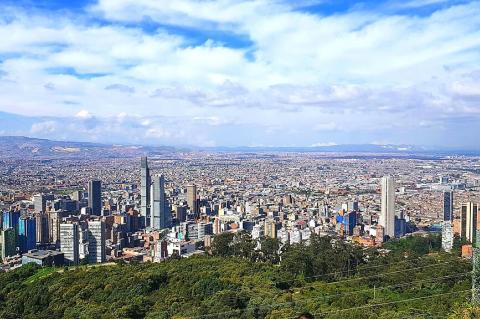
Bogotá, the sprawling capital of Colombia, is a city of contrasts and vibrant energy. Nestled high in the Andes Mountains, Bogotá is not only the political and economic hub of the country but also a melting pot of cultural, artistic, and historical significance. With its historic charm, modern architecture, and dynamic art scene, Bogotá offers a unique blend of old-world traditions and contemporary vibrancy. This high-altitude city is known for its diversity, academic institutions, and role as a center for innovation and creativity in Latin America.

Brasília: A Modernist Utopia in the Heart of Brazil

Brasília is Brazil's federal capital and the seat of its government. Founded in 1960 on a high plateau in the Brazilian Highlands, it was built from scratch in just 41 months to move the country's center of power inland from the coast. Designed by Lúcio Costa and Oscar Niemeyer, it is one of the most ambitious planned cities of the twentieth century and has been a UNESCO World Heritage Site since 1987. The capital is the center of the Federal District, home to about 2.8 million people, and is the third-largest city in Brazil.

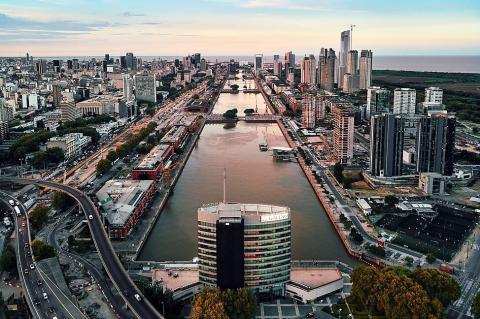
Buenos Aires: The Paris of South America

Buenos Aires, on the Río de la Plata's western shore, is one of South America's most lively and architecturally impressive cities. With about 15 million residents in the metro area, it ranks among the top 20 urban centers globally. Known as the "Paris of South America" for its European-style boulevards, Belle Époque architecture, and vibrant culture, it defies simple labels. From La Boca's colorful conventillos to Recoleta's aristocratic cemetery, Palermo's galleries, and Casa Rosada, the city showcases Argentina's cultural richness and uniqueness— a European city transformed into its own unique place.

Campeche: A Fusion of Past and Present

San Francisco de Campeche is a city of extraordinary historical and cultural depth. As the capital of the state of Campeche in southeastern Mexico, this coastal gem sits on the western shores of the Yucatán Peninsula, overlooking the Gulf of Mexico. The city, founded in 1540, has retained much of its colonial charm while evolving into a vibrant urban center. Its UNESCO-listed historic center, stunning beaches, and proximity to ancient Mayan archaeological sites make it one of the most captivating destinations in Mexico.

Cartagena de Indias: The Enchanted Fortress of Colombia

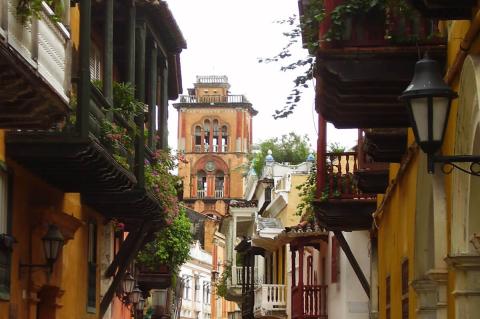
Cartagena de Indias, one of Latin America's most enchanting cities, is a testament to Colombia's historical, cultural, and natural wealth. Founded in the 16th century, it was a vital hub for Spanish colonial trade and defense. Today, Cartagena seamlessly blends its rich history with vibrant modern culture, offering visitors a multifaceted experience characterized by colonial charm, Afro-Caribbean heritage, and breathtaking coastal landscapes.

Cayenne: The Heart of French Guiana's Cultural and Natural Heritage

Cayenne, the capital of French Guiana on South America's northeastern coast, is a vibrant gateway to the region's rich culture and stunning nature. With its blend of Indigenous, French, African, and Creole influences, the city offers an authentic experience of the Guianas' diverse heritage. Surrounded by rainforests, rivers, and the Atlantic shoreline, Cayenne combines urban charm with natural beauty, making it a cultural and administrative hub.

Cienfuegos: Cuba's Pearl of the South

Nestled along Cuba's southern coast, Cienfuegos is a city that seamlessly blends its colonial past with modern industrial significance. Known affectionately as "La Perla del Sur" or "The Pearl of the South," Cienfuegos is renowned for its neoclassical architecture, vibrant culture, and thriving economic sectors, particularly in energy and sugar production. The city is a hub of activity and an essential historical and cultural destination, with its Urban Historic Center designated as a UNESCO World Heritage Site.

Ciudad del Este: The Commercial Heart of Paraguay and South America

In the southeastern corner of Paraguay, just across the Paraná River from Brazil and Argentina, lies Ciudad del Este, a bustling city known as one of South America's most important commercial hubs. As Paraguay's second-largest city, Ciudad del Este holds a unique position in the tri-border region, forming a strategic gateway for trade and tourism. Established in 1957, Ciudad del Este has rapidly evolved into an economic powerhouse driven by its lively markets, shopping centers, and international appeal.

Colón: The Gateway to Panama's Caribbean Coast

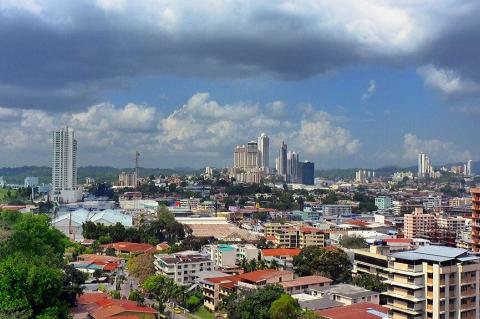
Colón, located on Panama's northern coast, is a crucial crossroads of history, commerce, and culture. Situated at the Atlantic entrance of the Panama Canal, it features a rich heritage influenced by colonial ambitions and Afro-Caribbean traditions. This city juxtaposes dynamic economic zones with historical landmarks and vibrant communities, embodying a story of resilience and transformation that offers insights into Panama's past and future.

Concepción: The Cultural and Economic Heart of Southern Chile

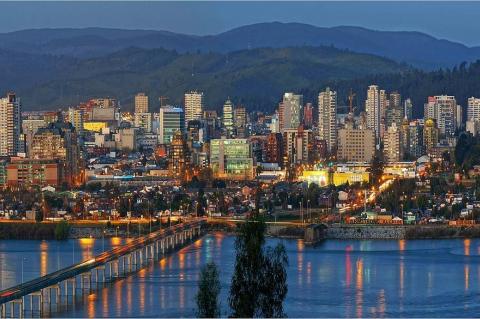
Nestled between the Pacific Ocean and the verdant landscapes of central Chile, Concepción stands as a city where history, culture, and innovation converge. Known for its pivotal role in Chile's independence, robust industrial base, and vibrant arts scene, it has earned nicknames like the "Gateway to Southern Chile" and the "Cradle of Chilean Rock." Situated along the Biobío River, the city embodies a unique blend of tradition and modernity, making it an essential piece of Chile's identity.