Cities & Towns in Brazil

Olinda: A Timeless Treasure of Colonial Brazil

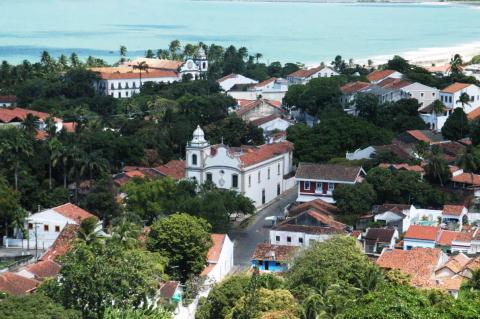
Olinda, a historic town in northeastern Pernambuco, Brazil, captivates visitors with its rich cultural heritage and stunning colonial architecture. Perched on a hill overlooking the Atlantic coast, just a few kilometers north of Recife, Olinda is a treasure trove of history and culture, recognized as a UNESCO World Heritage site. Exploring Olinda reveals its historical significance, architectural marvels, and contemporary cultural landscape

Rio de Janeiro: Urban Splendor Between Mountain and Sea

Rio de Janeiro is Brazil's best-known city and the capital of the state that shares its name. It lies on the Atlantic coast at the entrance to Guanabara Bay, where steep granite peaks, tropical forest, and long white beaches meet in a single city of 6.2 million people, with nearly 14 million in its metropolitan area. It was the capital of Portuguese Brazil, the Brazilian Empire, and the Republic until 1960, and it remains the country's second-largest city by population and its leading international destination.

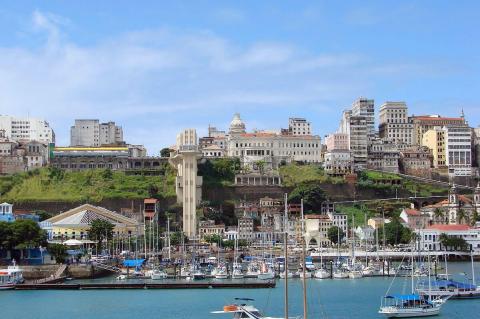
Salvador de Bahia: Brazil's First Capital and the Heart of Afro-Brazilian Culture

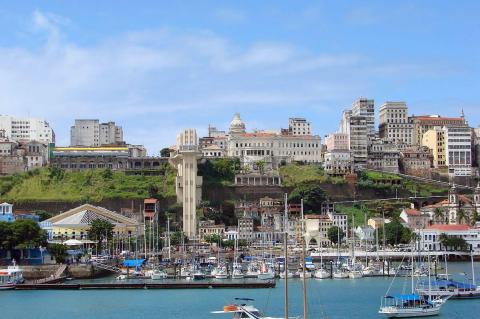
Salvador de Bahia, officially São Salvador da Bahia de Todos os Santos, is Bahia's capital and the cultural heart of Brazil's Northeast. Founded in 1549 on a peninsula between Todos os Santos Bay and the Atlantic Ocean, it was the capital of colonial Brazil for more than two centuries and remains one of the country's largest cities. Its predominantly Afro-Brazilian population gives it a distinctive character, while its historic colonial center is a UNESCO World Heritage Site.

São Luís: An Enchanting Portal to Brazil's Colonial Grandeur

Nestled along the captivating Atlantic coast of northeastern Brazil, the city of São Luís stands as an enchanting portal that transports visitors back in time, unveiling the nation's rich colonial heritage and cultural tapestry. Its historic center boasts a remarkable blend of architectural treasures, vibrant traditions, and a storied past, offering an unparalleled glimpse into the very essence of Brazil's historical grandeur.

São Paulo: The Dynamic Heart of Brazil

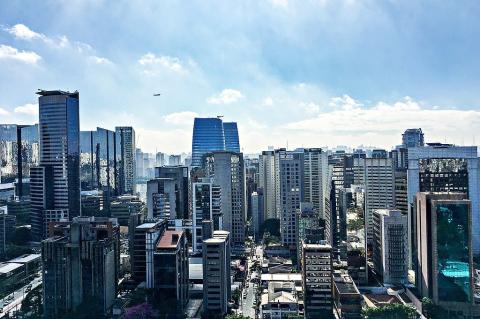
São Paulo, often called the heartbeat of Brazil, is a city of contrasts, diversity, and immense cultural influence. São Paulo is Brazil's largest city and a major economic and cultural hub in Latin America, known for its towering skyscrapers, bustling streets, and vibrant arts scene. The city offers a captivating blend of history, modernity, and multiculturalism, drawing people worldwide. São Paulo's significance extends beyond Brazil, as it globally shapes trends in finance, art, cuisine, and architecture.

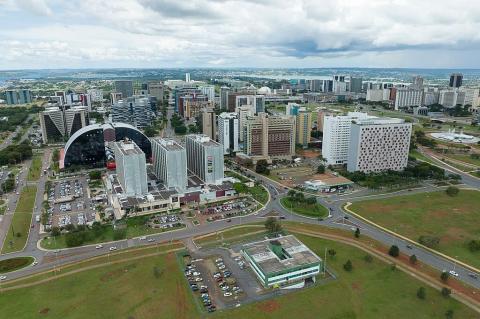
The Federal District of Brazil: Capital Territory on the Highland Divide

The Federal District (Distrito Federal) surrounds and includes Brasília, and it is unlike any other political unit in Brazil. At 5,760 km², it is the country's smallest federal unit, yet it is home to about 2.8 million people as of the 2022 census, has the highest per-capita income in Brazil, and houses the three branches of the national government. It is neither a state nor a municipality but a hybrid that exercises both powers, set on a Cerrado plateau where the headwaters of three major river basins divide.

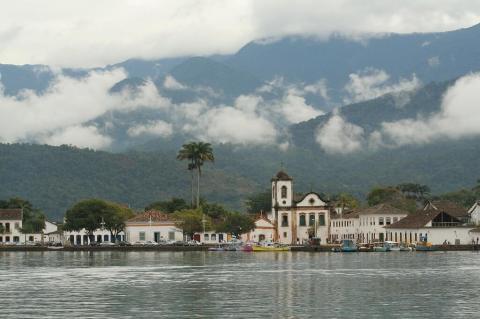
Where Mountains Meet the Sea: The Cultural and Natural Tapestry of Paraty and Ilha Grande

Nestled between the Serra da Bocaina mountain range and the Atlantic Ocean, the World Heritage Site of Paraty and Ilha Grande, located in the states of Rio de Janeiro and São Paulo, is a unique blend of rich cultural history and stunning biodiversity. It includes the historic center of Paraty, the island of Ilha Grande, and four protected natural areas of the Brazilian Atlantic Forest, one of the world's critical biodiversity hotspots. This remarkable site offers a window into Brazil's colonial past, showcasing its commitment to preserving its natural treasures.