Natural Landmarks in South America

Lake Llanquihue and Osorno Volcano: Treasures of Chile's Lake District

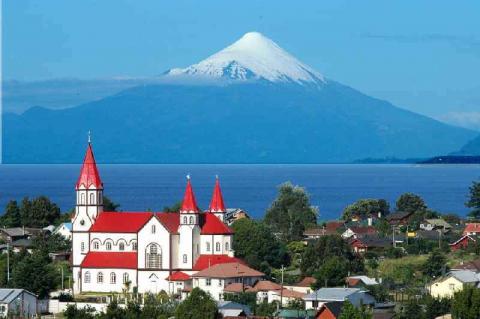
Nestled in the heart of Chile's enchanting Lake District lies Lake Llanquihue, a sprawling body of water renowned for its scenic beauty and cultural significance. With its vast expanse of dark waters and striking black sand shores, Lake Llanquihue captivates the imagination. Situated between Osorno Province and Llanquihue Province, Osorno Volcano commands attention with its snow-capped peak and dramatic silhouette, creating a striking contrast against the azure waters of Lake Llanquihue.

Lake Titicaca: Ancient Waters of the Andes

Lake Titicaca lies in the northern Altiplano, between Peru's Puno Region and Bolivia's La Paz Department, within the Central Andean wet puna. It covers 8,372 sq km and is the largest lake in South America by volume. It is often called the world's highest navigable lake, a title that refers to commercial vessels rather than altitude alone, and despite its elevation, it never freezes. The Andes that enclose the basin rise on both sides, and the lake itself occupies a tectonic depression.

Manú National Park: Where the Andes Meet the Amazon

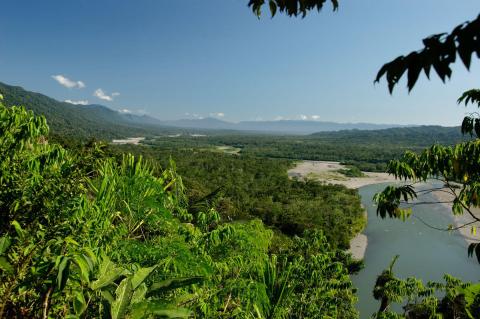
Manú National Park, located deep within Peru, where the mighty Andes transition into the lush Amazon Rainforest, is one of the planet's most remarkable wild regions. Its protected expanse stretches from snow-capped mountains to steamy lowland jungles, creating a sanctuary for an astonishing diversity of life—surpassing nearly every other place on Earth. This vast reserve not only conserves thriving wildlife but also safeguards Indigenous peoples who have lived in harmony with these forests for thousands of years.

Quilotoa: Ecuador's Volcanic Masterpiece

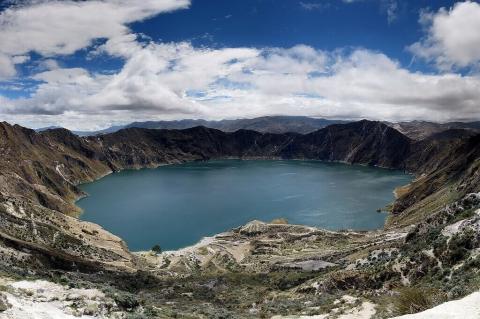
High in the Ecuadorian Andes lies one of the country's most awe-inspiring natural wonders: the Quilotoa Crater Lake. Known for its stunning emerald waters and the dramatic volcanic landscape, Quilotoa is a must-see for travelers exploring Ecuador's diverse geography. Formed by a volcanic eruption over 600 years ago, the crater has evolved into a beautiful caldera lake that captivates visitors with its vivid color, stark beauty, and high-altitude location.

Salar de Uyuni: A Mesmerizing Salt Expanse in the Heart of Bolivia

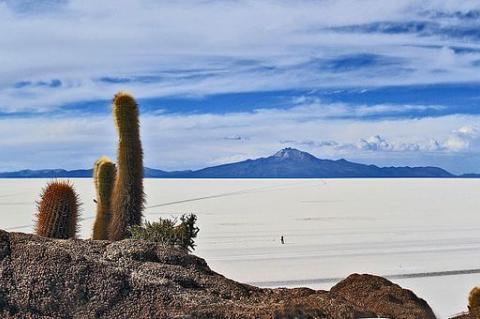
Located in the southwestern corner of Bolivia, the Salar de Uyuni is one of the most remarkable and captivating natural wonders on Earth. This salt flat is the largest in the world and is a testament to the incredible geological and climatic forces that have shaped the Andean region over millennia. The vast expanse of the Salar de Uyuni is home to Isla Incahuasi. This hilly and rocky outcrop was once a fully submerged island during the area's prehistoric lake period.

San Pedro de Atacama's Los Flamencos Reserve: Flamingos, Salt Flats, and a Lithium Reckoning

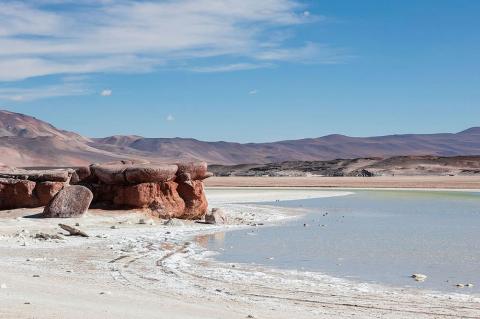
Los Flamencos National Reserve protects seven non-contiguous sectors of salt flat, wetland, and high-Andean desert across Chile's Atacama region. Home to all three of Chile's flamingo species, the reserve also sits atop one of the world's largest lithium deposits, making it a focal point of an ongoing conflict between conservation, Indigenous water rights, and global battery-mineral demand.

Semuc Champey: Guatemala's Hidden Natural Wonder

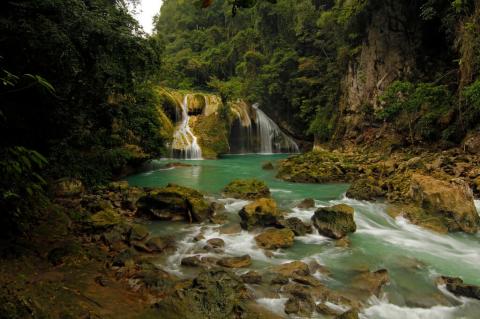
Tucked deep within the verdant heart of Guatemala, Semuc Champey stands as one of the country's most breathtaking natural wonders. Famous for its series of turquoise pools and limestone bridge, this secluded paradise attracts adventurers and nature lovers alike. While difficult to reach, those who venture into the jungle are rewarded with awe-inspiring landscapes and a glimpse into the ecological richness of Central America.

Tatacoa Desert: A Journey into Colombia's Arid Wonderland

Nestled within the heart of central Colombia lies the Tatacoa Desert, a captivating expanse of dry tropical forest known for its otherworldly landscapes and rich paleontological heritage. Despite its name, Tatacoa is not a true desert but a unique ecosystem characterized by rocky canyons, labyrinthine gullies, and vibrant hues of red and grey. Situated in the northern part of the Huila Department, this arid region harbors a wealth of natural wonders and cultural significance.

The Chicamocha Canyon and National Park: Colombia's Natural Wonder

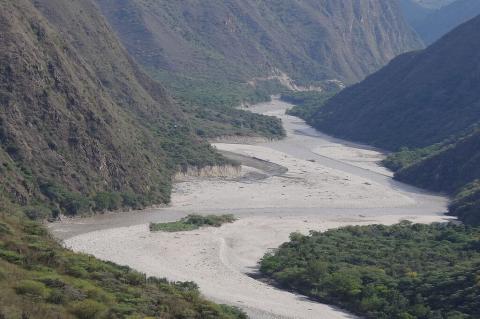
Nestled within the rugged Andes Mountains of northern Colombia, the Chicamocha Canyon is a testament to nature's awe-inspiring power and beauty. This colossal geological wonder, carved over eons by the relentless forces of the Chicamocha River, is among the largest canyons in the world. Encompassing a vast area, the canyon's immense depths reveal a breathtaking landscape of towering cliffs, winding rivers, and diverse ecosystems. Chicamocha National Park lies within the canyon.

The Colca Canyon: Peru's Natural Wonder

The Colca Canyon, twice as deep as the Grand Canyon and rivaled only by nearby Cotahuasi for the title of deepest in Peru, takes its name from the ancient qullqa storehouses of the Collagua and Cabana peoples, whose stone-walled agricultural terraces still feed the valley today and whose thermal-riding Andean condors have made this one of the best places on Earth to watch the world's largest flying bird.