
The Sierra Madre de Chiapas: A Vital Natural Divide
The Sierra Madre de Chiapas is an impressive mountain range that extends parallel to the Pacific coast in southern Mexico and northern Central America. As the southernmost extension of the Sierra Madre Mountain System, this range is a significant geographical and ecological landmark.
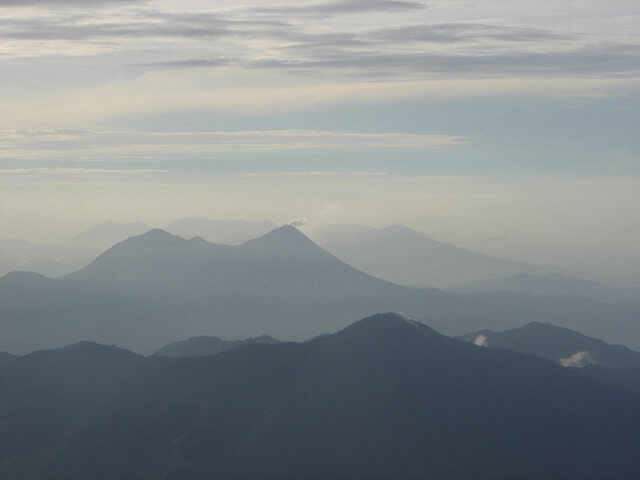
Sierra Madre de Chiapas: The Majestic Mountain Range of Southern Mexico and Central America
The Sierra Madre de Chiapas is an impressive mountain range that extends parallel to the Pacific coast in southern Mexico and northern Central America. As the southernmost extension of the Sierra Madre Mountain System, this range is a significant geographical and ecological landmark. Spanning multiple countries, the Sierra Madre de Chiapas is known for its diverse ecosystems, volcanic activity, and role in the region's hydrology.
Geographical Scope and Features
Geographic Extent
The Sierra Madre de Chiapas begins in the state of Chiapas in southern Mexico and stretches eastward beyond the Isthmus of Tehuantepec. The range continues southeast across Guatemala—known as the Sierra Madre—and extends into El Salvador and Honduras. This extensive range forms a prominent geographic feature in the landscape of these countries.
Geological Composition and Volcanic Activity
The Sierra Madre de Chiapas is primarily composed of crystalline block mountains. It is notable for its volcanic activity, particularly in Guatemala and El Salvador. These volcanoes are part of the Central America Volcanic Arc, contributing to the region's dynamic geological landscape. The volcanic igneous peaks in the southern region of the range are especially prominent, with their bases resting among the southern foothills.
Drainage Divide and Hydrology
The Sierra Madre de Chiapas is the main drainage divide between the river systems flowing towards the Pacific Ocean and those draining into the Atlantic Ocean. On the Pacific side, the proximity to the sea results in numerous small and rapid streams. In contrast, the eastern slopes feature several substantial rivers that significantly contribute to the Atlantic drainage basin. This hydrological divide plays a crucial role in the region's water dynamics.
Ecological Richness
Moist Forests and Biodiversity
The Sierra Madre de Chiapas is home to species-rich and diverse moist forests that blanket both sides of the range in southern Mexico, Guatemala, and El Salvador. These forests are critical habitats for a variety of flora and fauna and support high levels of biodiversity. The El Triunfo Biosphere Reserve, located within this mountain range, is particularly notable for protecting some of Mesoamerica's most extensive and diverse evergreen cloud forests.
Flora and Fauna
The Sierra Madre de Chiapas ecosystems are home to a wide array of plant and animal species. The moist forests, cloud forests, and montane rainforests provide refuge for numerous endemic and endangered species. These habitats are vital for conserving regional biodiversity and offering shelter and sustenance to various terrestrial vertebrates, invertebrates, and plant species.
Socio-Economic and Cultural Significance
Human Settlements and Agriculture
The Sierra Madre de Chiapas is also significant for the human populations in and around its slopes. The range influences local climates, which in turn affect agricultural practices. The fertile soils and favorable climate conditions have made the area suitable for various agricultural activities, particularly coffee cultivation. These agricultural practices are integral to the local economies and cultural heritage of the communities living in the region.
Conservation Efforts
Given the ecological importance of the Sierra Madre de Chiapas, conservation efforts are crucial for preserving its unique environment and biodiversity. Protected areas like the El Triunfo Biosphere Reserve safeguard these ecosystems. Conservation initiatives focus on sustainable land use, protecting endangered species, and maintaining the mountain range's natural hydrological functions.
Conclusion
The Sierra Madre de Chiapas is a remarkable natural feature in southern Mexico and Central America. Its geological complexity, diverse ecosystems, and hydrological significance make it a vital region for ecological and human communities. Conservation efforts are essential to preserve this mountain range's rich biodiversity and natural beauty for future generations.
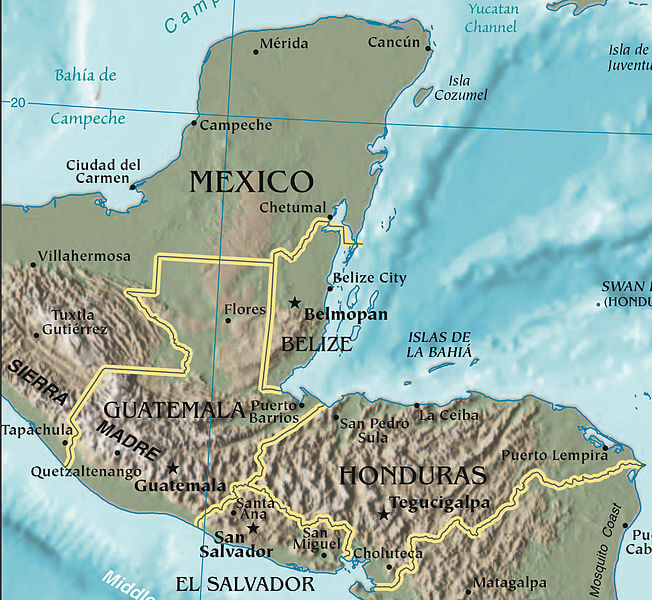
Relief map depicting the Sierra Madre mountains in Central America.