Landforms of Mexico

Between Two Seas: Exploring the Baja California Peninsula

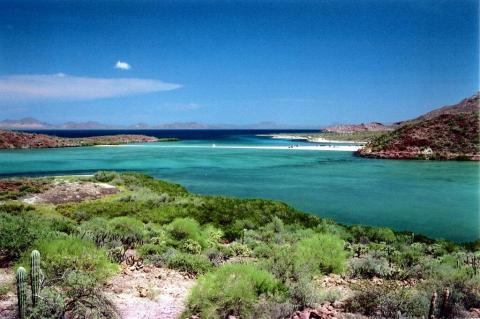
Stretching like a narrow finger into the Pacific Ocean, the Baja California Peninsula stands as one of Mexico's most remarkable geographical features. This landmass extends from Mexicali in the north to Cabo San Lucas in the south, creating a unique corridor where desert landscapes meet coastal splendor. As the second-longest peninsula in the world, Baja California represents a fascinating study in geological evolution, ecological adaptation, and human settlement in one of the planet's most challenging yet beautiful environments.

Cave Systems of Latin America: Subterranean Wonders from Mexico to Patagonia

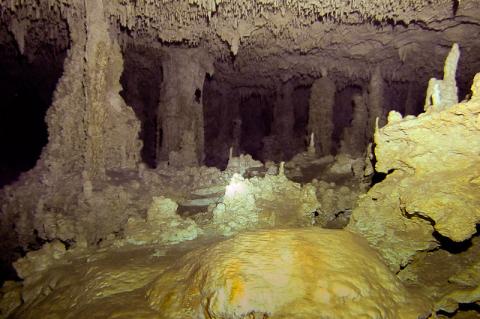
Beneath the jungles, deserts, and mountains of Latin America lies a hidden realm of extraordinary geological complexity and profound cultural significance. From the world's second-longest underwater cave network in Mexico's Yucatán Peninsula to the highest major caves in the world nestled in Peru's Andes, these underground passages tell stories spanning millions of years of geological transformation and thousands of years of human interaction with the earth's interior.

Chiapas Highlands: A Tapestry of Tradition and Biodiversity

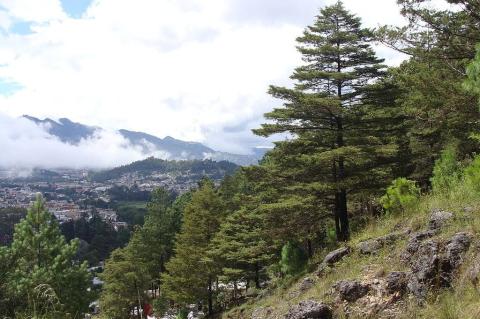
The Chiapas Highlands in southeastern Mexico have stunning natural beauty and profound cultural richness. Nestled within Chiapas, this area is characterized by its rugged mountains, lush forests, and vibrant Indigenous communities. The highlands offer a temperate climate and breathtaking landscapes, making them an alluring destination for travelers, researchers, and conservationists. The region is home to ancient Mayan ruins, bustling markets, and ecological wonders.

Copper Canyon and the Sierra Tarahumara: Nature's Grandeur and Indigenous Heritage

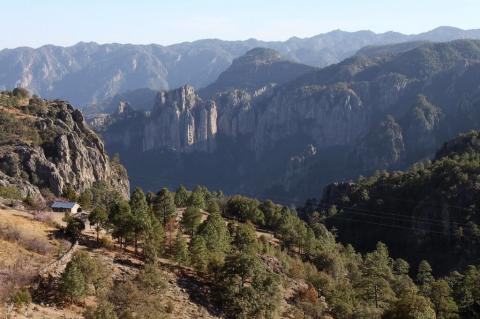
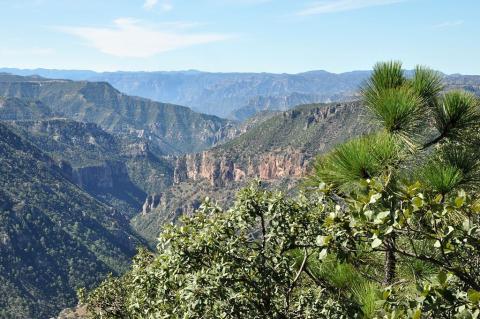
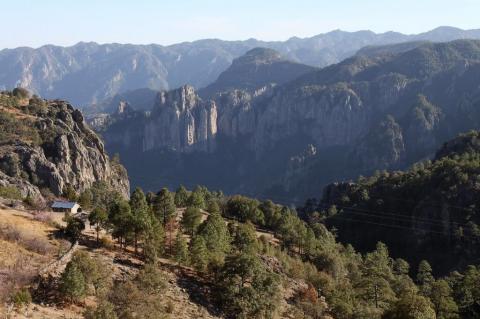
Located in the northwestern region of Mexico, within the Sierra Madre Occidental, lies a breathtaking landscape of great cultural significance and beauty—Copper Canyon and the Sierra Tarahumara. This region fascinates travelers and researchers with its remarkable geographical features, diverse ecosystems, and rich indigenous heritage, offering a glimpse into the ecological wonders and enduring traditions of northern Mexico.

Cozumel: Island of Swallows, Jewel of the Caribbean

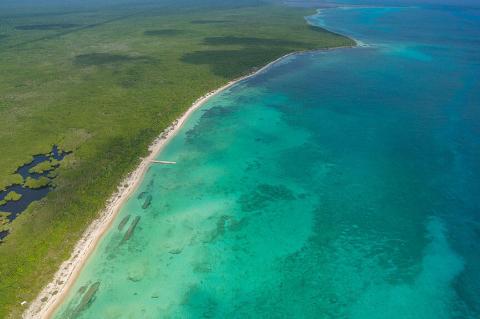
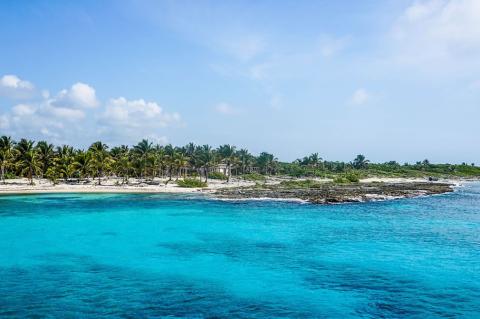
In the Caribbean Sea, a slender island appears off Mexico's Yucatán Peninsula, offering a unique blend of history, natural beauty, and modern charm. Cozumel, or "Kuktzumil," meaning "Island of Swallows," features captivating archaeological sites, vibrant coral reefs, and warm hospitality. Once a sacred sanctuary for the Maya, it now attracts global visitors eager to explore its treasures, largely protected in the Isla Cozumel Biosphere Reserve and Arrecifes de Cozumel National Park.

El Pinacate and Gran Desierto de Altar: Where Fire Meets Sand

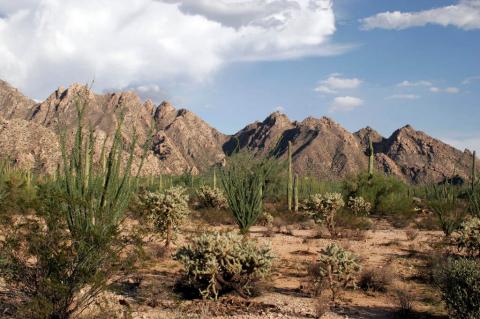
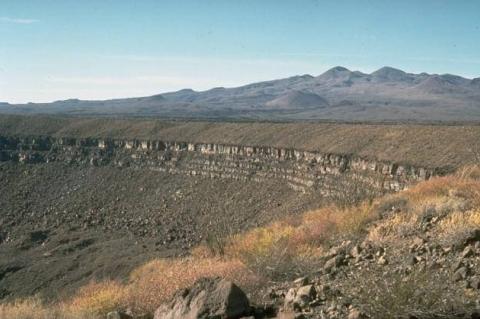
In the remote borderlands of northwestern Mexico, where the Sonoran Desert meets the Gulf of California, lies one of Earth's most striking landscapes—the El Pinacate and Gran Desierto de Altar Biosphere Reserve. This UNESCO site presents a stark yet breathtaking scene where volcanic craters break through ancient lava flows, towering dunes shift with desert winds, and life thrives in seemingly impossible conditions. Spanning across Sonora and reaching into Baja California, this incredible reserve displays the raw power of geological forces and the impressive resilience of desert ecosystems.

Ice at the Edge of the Tropics: The Glaciers of Volcanic Mexico

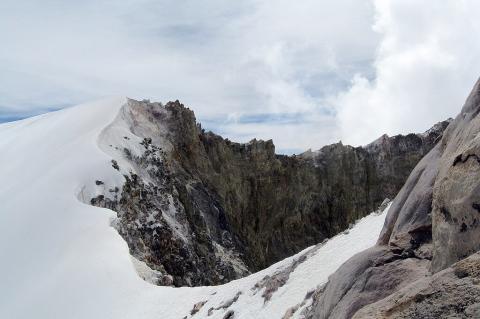
Mexico has one of the world's most unique and fragile glacial systems. It contains some of the southernmost glacial ice in North America, hanging on the peaks of tall volcanoes that reach into the tropical sky. This incredible paradox—ice in a mostly tropical country—shows how extreme elevation can overpower latitude-related warming to create the right conditions for glaciers. These impressive ice formations are not only geological wonders but also key signs of climate change in one of the world's most vulnerable glacial areas.

Islas del Golfo de California: Balancing Conservation and Human Impact

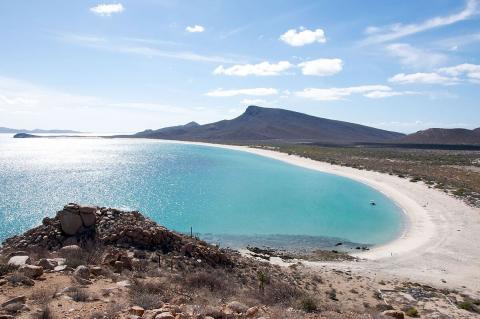
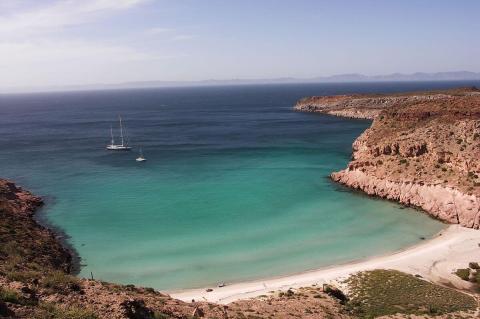
The Islas del Golfo de California, a vast archipelago of over 240 islands, is nestled between the Baja California peninsula, the Sonoran Desert, and the mangroves of Sinaloa in northwestern Mexico. Renowned for its rich biodiversity, these islands are part of the Islands and Protected Areas of the Gulf of California World Heritage site. Despite their ecological significance, recent challenges have highlighted the complex interplay between conservation efforts and human activity.

Islas Marietas Archipelago: A Sanctuary of Biodiversity and Ecotourism

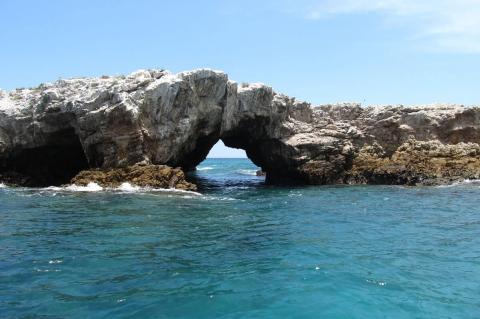
Off the Pacific coast of Nayarit, Mexico, the Islas Marietas Archipelago comprises two islands and two islets that serve as a vital sanctuary for an astonishing variety of marine and avian species. Uninhabited and southwest of Punta Mita, it is a haven for wildlife and a premier destination for eco-tourism and marine research. Protected as part of the Islas Marietas National Park and Biosphere Reserve, the region's confluence of marine currents creates a unique ecosystem where species from different regions thrive, making it essential for conservation and eco-tourism.

Marismas Nacionales: Mexico's Coastal Wetland Haven

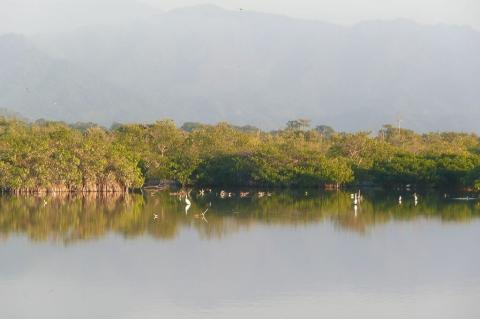
The Marismas Nacionales Lagoon System is one of the most extensive and ecologically critical coastal wetlands along the Pacific coast in northwest Mexico. This unique ecosystem is a vital natural resource, distinguished by its dynamic wetland habitats, including estuaries, marshes, mangroves, and coastal lagoons. It is recognized as one of Mexico's most crucial mangrove systems, playing a critical role in sustaining biodiversity, protecting coastal areas, and mitigating the impacts of climate change.