Protected Areas in Chile

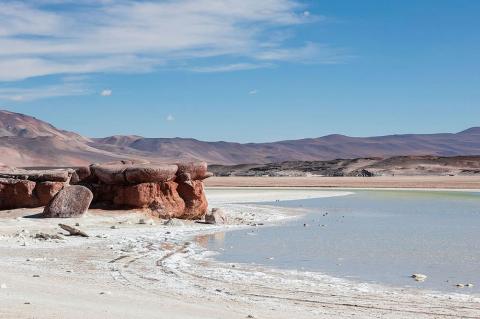
Pan de Azúcar National Park: Chile's Coastal Desert Wilderness

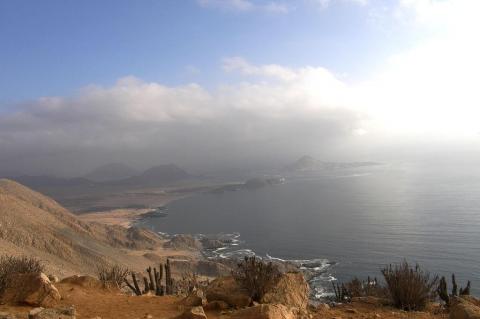
Pan de Azúcar National Park, located along Chile's northern coast, is a breathtaking expanse of coastal desert that offers a unique combination of marine, terrestrial, and desert ecosystems. As one of the most ecologically diverse areas along Chile's northern coast, the park serves as a critical refuge for a variety of species, including the Humboldt penguin, guanaco, and marine mammals. Its stunning geological features and role in preserving delicate ecosystems make it a key destination for nature enthusiasts and conservationists.

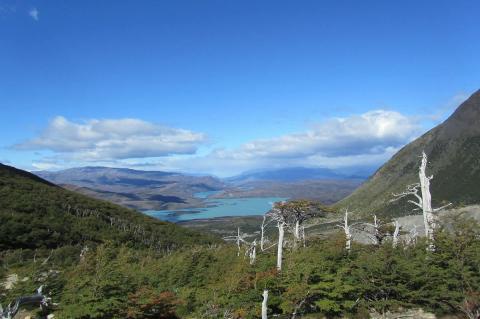
Patagonia National Park: The Heart of Chilean Wilderness

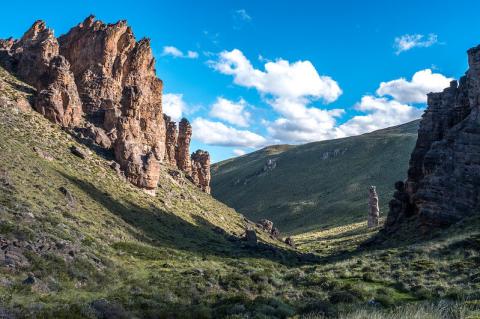
Patagonia National Park, located in the Aysén Region of southern Chile, is a vast and diverse protected area that showcases Patagonia's unique natural beauty and ecological significance. The park, encompassing a range of ecosystems from arid steppe grasslands to dense southern beech forests, serves as a crucial habitat for various flora and fauna. With its origins tied to significant conservation efforts, the park is a testament to its dedication to preserving Chile's natural heritage.

Preserving Chile's Natural Heritage: The Bosques Templados Lluviosos Biosphere Reserve

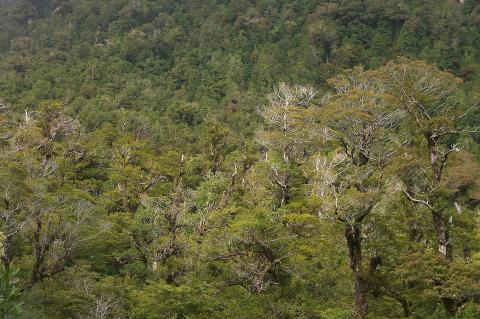
Nestled in the heart of Chile's Los Lagos and Los Ríos regions, the Bosques Templados Lluviosos de Los Andes Australes Biosphere Reserve is a testament to the intricate beauty and ecological importance of the Valdivian temperate rainforest. This expansive protected area includes some of the world's most unique and biologically rich ecosystems. The reserve, featuring volcanic terrains, verdant forests, and a variety of native species, plays a crucial role in conservation and sustainable development.

Pumalín Douglas Tompkins National Park: A Legacy of Conservation

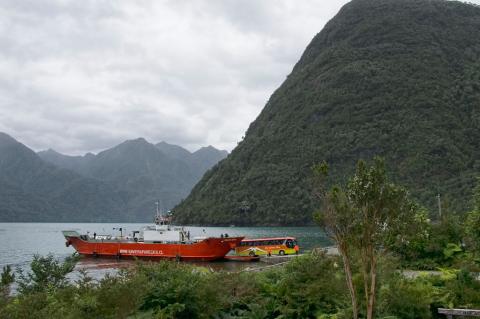
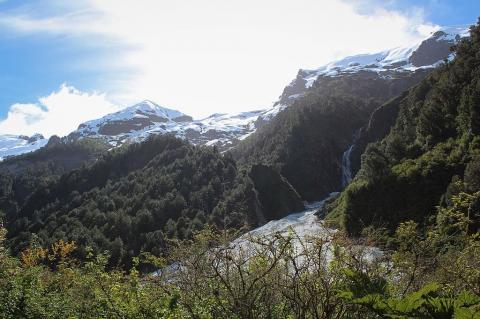
Pumalín Douglas Tompkins National Park in Chile's Los Lagos Region is a testament to the country's rich natural heritage and conservation efforts. Spanning northern Patagonia, it features breathtaking landscapes, including volcanoes, forests, waterfalls, and coastlines. Named after American conservationist Douglas Tompkins, the park is a sanctuary for diverse flora and fauna, including ancient Alerce trees.

Puyehue National Park: Chile's Natural Masterpiece

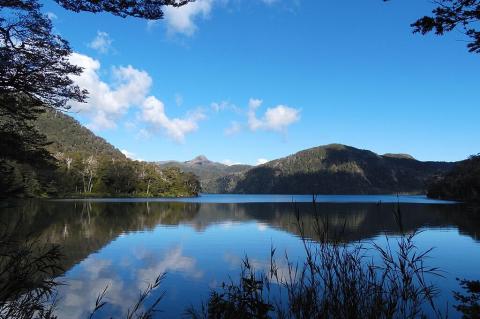
Nestled in the heart of southern Chile's Los Ríos and Los Lagos regions, Puyehue National Park is a testament to the country's natural wonders. This vast protected area boasts diverse landscapes, from steaming thermal springs and towering volcanoes to lush evergreen forests stretching endlessly. This comprehensive exploration delves into the essence of Puyehue National Park, unveiling its geological marvels and rich biodiversity

Radal Siete Tazas National Park: Seven Basalt Pools at the Edge of the Mediterranean Andes

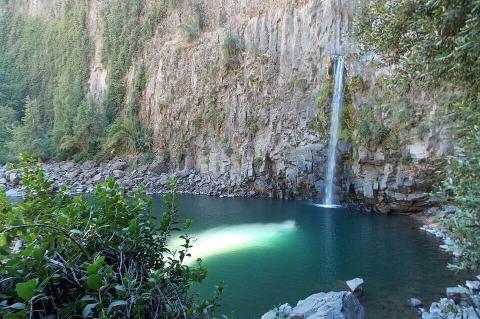
Radal Siete Tazas National Park, in Chile's Maule Region, protects the Claro River's seven basalt pools and waterfalls, carved into ancient lava flows from volcanic activity in the area. The park's upper basin also marks an ecological transition between the drought-tolerant Mediterranean vegetation of central Chile and the moist evergreen forests farther south, creating a distinctive mix of plant and animal life.

Salar del Huasco National Park: A Wetland Above 12,000 Feet, Declared Twice

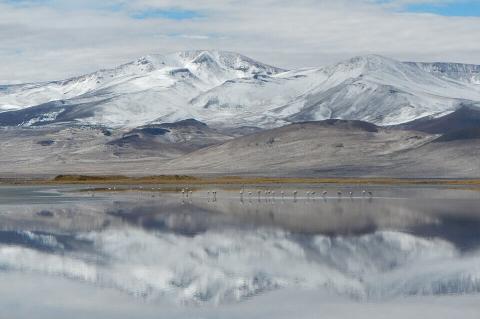
Salar del Huasco National Park protects a high-Andean wetland that lies in the commune of Pica, in the Tarapacá Region of northern Chile, at about 3,800 m on the altiplano. The park covers the whole basin of the salar, about 1,500 sq km of steppe, bofedal wetlands, and shallow lagoons that Chile's environment ministry has described as one of the most pristine wetlands in the altiplano and an important water reserve in the driest desert on Earth.

San Pedro de Atacama's Los Flamencos Reserve: Flamingos, Salt Flats, and a Lithium Reckoning

Los Flamencos National Reserve protects seven non-contiguous sectors of salt flat, wetland, and high-Andean desert across Chile's Atacama region. Home to all three of Chile's flamingo species, the reserve also sits atop one of the world's largest lithium deposits, making it a focal point of an ongoing conflict between conservation, Indigenous water rights, and global battery-mineral demand.

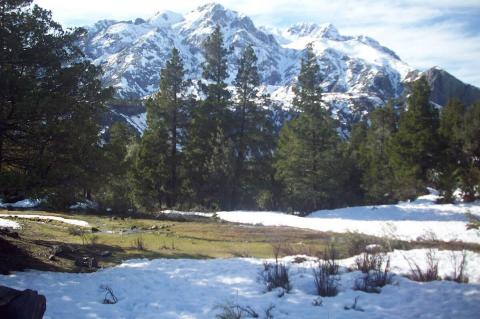
The Corredor Biológico Nevados de Chillán - Laguna del Laja: A Sanctuary of Biodiversity at the Gateway to Patagonia

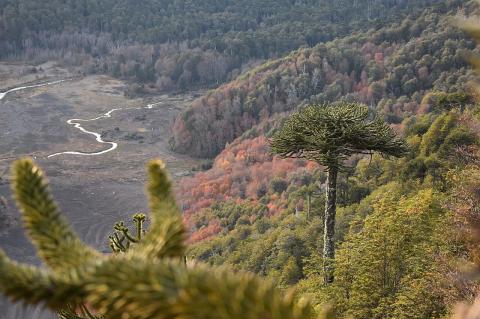
In the heart of Chile's south-central Andes, where the temperate forests begin their transition toward the wilds of Patagonia, lies one of South America's most significant conservation achievements: the Corredor Biológico Nevados de Chillán - Laguna del Laja. This UNESCO Biosphere Reserve represents a triumph of ecological connectivity by linking diverse ecosystems across a landscape of extraordinary biological and geological importance. This expansive biological corridor serves as a critical refuge for endangered species and demonstrates innovative approaches to landscape-scale conservation.

The Hidden Wonders of Corcovado National Park

Corcovado National Park, located in the Los Lagos Region of southern Chile, stands as a testament to the country's dedication to preserving its natural heritage. It is Chile's fourth-largest national park and one of the world's most remote and untouched landscapes. The park owes much of its existence to the generous land donation by Tompkins Conservation. The park's isolation, challenging terrain, and lack of public access make it a pristine sanctuary for diverse flora and fauna.