
The Salí River: Lifeline and Challenge of Northwestern Argentina
The Salí River in northwestern Argentina, also called the Dulce River, originates in the Calchaquíes Mountains and the Sierra del Aconquija, and eventually flows into Córdoba's Mar Chiquita lagoon. It supports nearly 2.5 million people for drinking, irrigation, and power, but faces serious environmental challenges.
Lifeline Under Threat: The Environmental Challenge of the Salí-Dulce River System
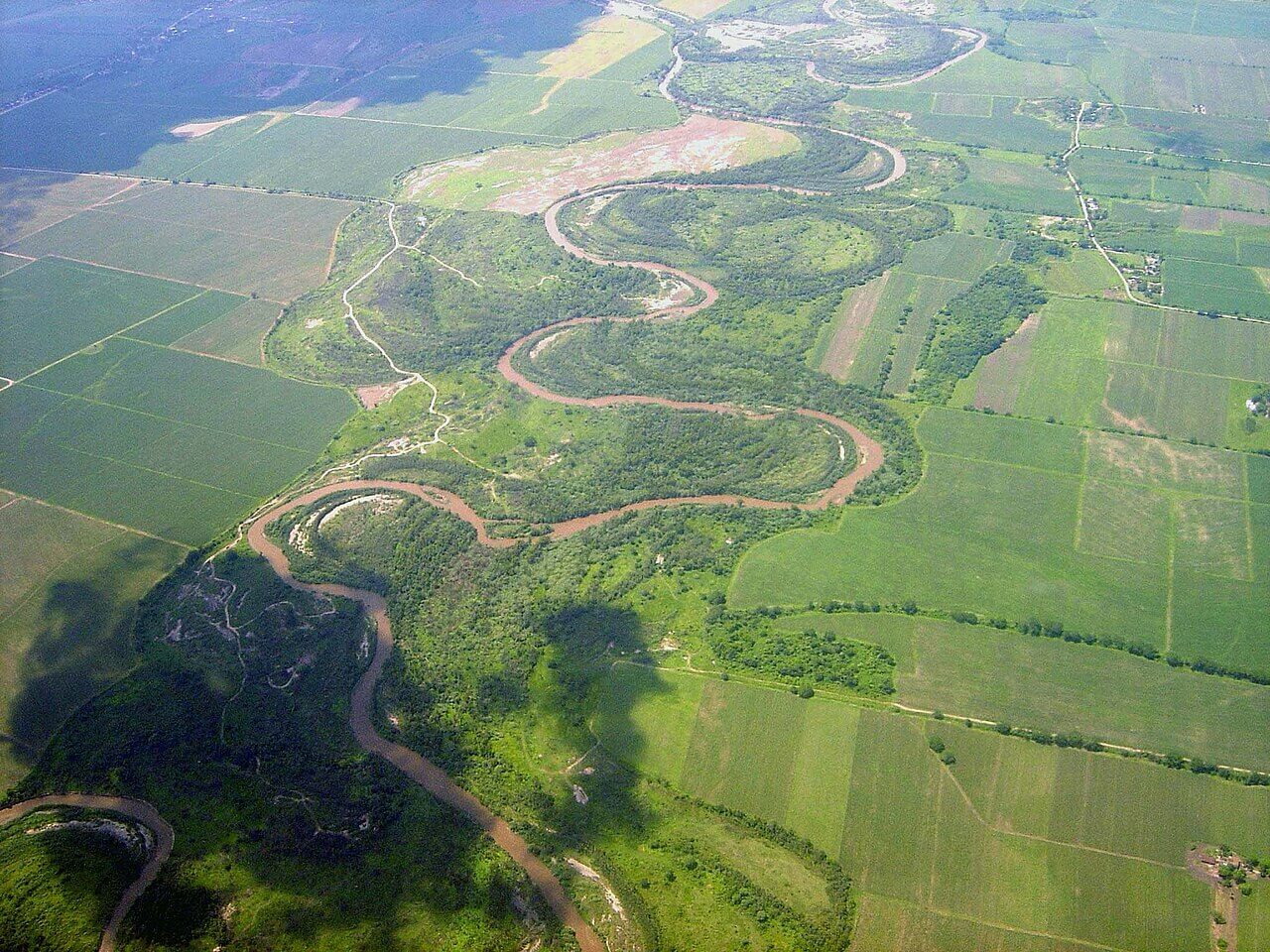
Flowing more than 380 kilometers (236 miles) through the heart of Tucumán Province in northwestern Argentina, the Salí River—known as the Dulce River upon entering Santiago del Estero Province—represents the most important watercourse in the region. Born from precipitation captured by the Calchaquíes mountain range and augmented by streams descending from the Sierra del Aconquija, the river courses north to south through Tucumán before continuing southeast through Santiago del Estero and ultimately terminating in the Mar Chiquita lagoon in Córdoba Province. The Salí-Dulce basin encompasses approximately 57,000 square kilometers (22,000 square miles) across five provinces and sustains nearly 2.5 million people who depend on its waters for drinking, irrigation, industry, and hydroelectric power. Yet this vital river faces severe environmental challenges from industrial pollution, agricultural runoff, and urban waste that have transformed it into one of Argentina's most contaminated river systems, sparking decades of legal battles and ongoing remediation efforts.
Geographic Course and Tributaries
The Salí River originates in mountainous terrain where Tucumán meets Salta Province, receiving substantial contributions from 12 major tributaries that drain the eastern slopes of the Andes and the Sierras Pampeanas: the Tala, Choromoro, Vipos, Tapia, Loro, Calera, Lules, Balderrama, Seco, Gastona, Medina, and Marapa rivers.
The basin covers more than 10,000 square kilometers (3,860 square miles) within Tucumán Province—approximately 45% of the province's total area. Most cities and towns in Tucumán, including the capital San Miguel de Tucumán, are situated within the Salí basin. The river serves as the province's principal fluvial collector, receiving approximately 80% of the province's rivers and streams originating in the mountain foothills.
Dams and Hydroelectric Infrastructure
Three significant dams regulate the Salí-Dulce system for hydroelectric generation, irrigation, and flood control.
El Cadillal Dam (Dique Celestino Gelsi): Constructed between 1962 and 1965, approximately 21 kilometers (13 miles) north of San Miguel de Tucumán, El Cadillal creates a reservoir stretching 11 kilometers (6.8 miles) in length and 4 kilometers (2.5 miles) in width, surrounded by lush yungas forest vegetation. The reservoir has evolved into a significant recreational destination offering swimming, boating, water skiing, fishing, and other water sports. The Puerto Argentino Complex provides restaurants, craft shops, and cultural attractions, while a chairlift ascends 600 meters (1,970 feet) to the summit of Medici Hill, offering panoramic views.
Escaba Dam: Also located in Tucumán Province, this dam provides additional hydroelectric generation capacity and water storage.
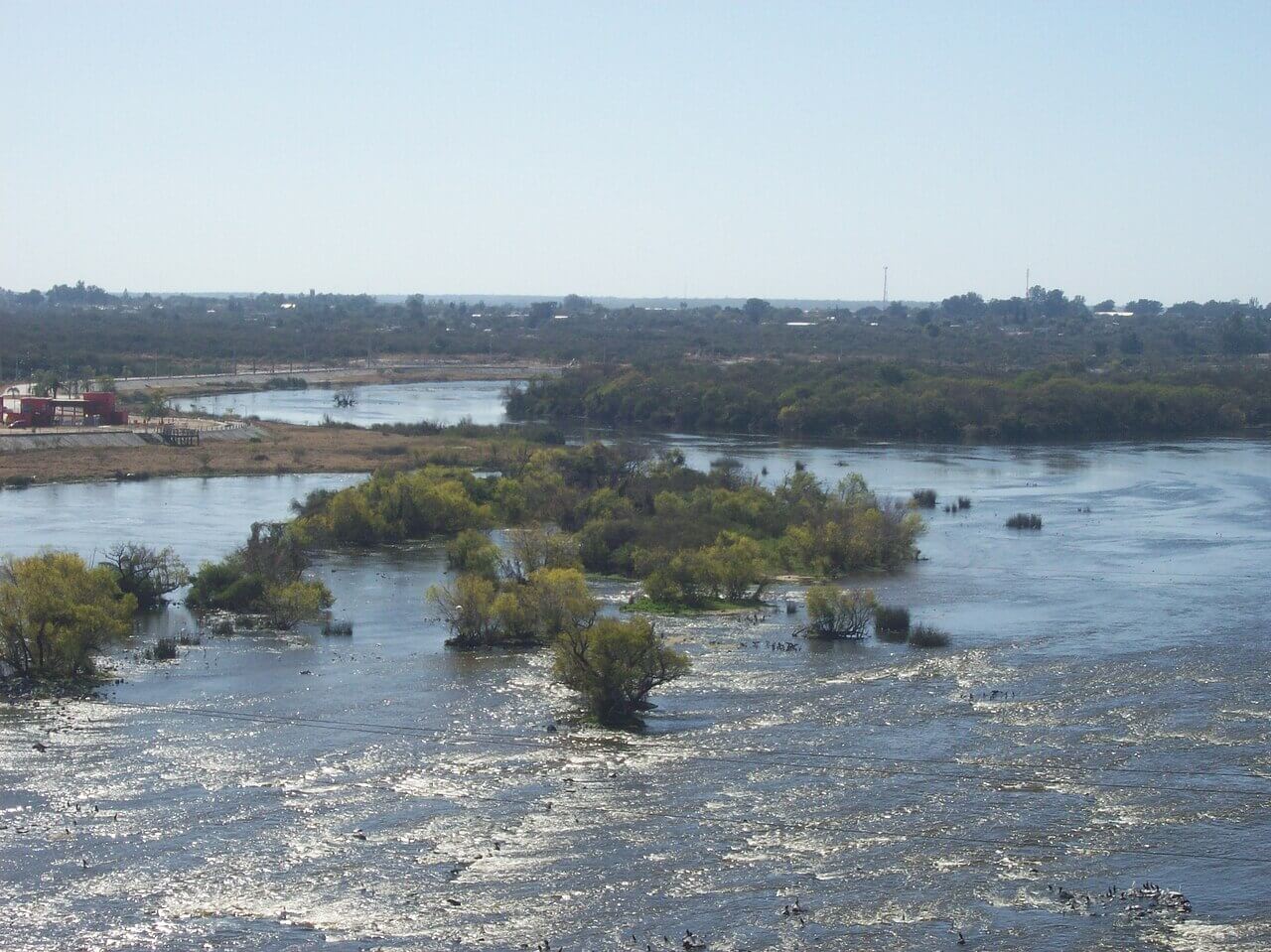
Río Hondo Dam (Los Quiroga): Constructed in 1962 at the border where the Salí enters Santiago del Estero Province, this dam creates the Embalse de Río Hondo reservoir. The dam serves multiple purposes, including hydroelectric power, irrigation, and tourism. Irrigation canals expanded cultivable area by 198,000 hectares (489,000 acres), creating an important agricultural zone in an otherwise water-scarce region.
The Salí-Dulce River System
Upon entering Santiago del Estero Province at the Río Hondo reservoir, the river changes names from Salí to Dulce (meaning "sweet" in Spanish, derived from the Quechua "Misky Mayu"). The Dulce River flows 450 kilometers (280 miles) southeast through the Argentine Espinal ecoregion.
As the river crosses the arid plains, it bifurcates several times, creating secondary channels, some of which are highly saline. The system terminates in the Mar Chiquita lagoon in Córdoba Province—a large endorheic salt lake with no outlet to the ocean. Near its terminus, overflow feeds the Bañados del Río Dulce (Dulce River Wetlands), recognized for exceptional biodiversity and serving as critical habitat for numerous bird species, including threatened and migratory populations.
Historical Significance
The Salí River has played a foundational role in human settlement since pre-Columbian times, with archaeological evidence documenting Indigenous settlements along its margins. The original colonial settlement of San Miguel de Tucumán was founded at Ibatín, on a tributary of the Salí River, in 1565. After devastating floods, colonial authorities relocated the capital to its present location approximately 96 kilometers (60 miles) northeast in 1685, choosing a site upstream on the Salí River away from flood-prone banks.
Agriculture and Economic Importance
The basin supports intensive agriculture through irrigation infrastructure. In Tucumán Province, sugarcane cultivation dominates, with the 2024 crushing season processing cane from farms irrigated by water from the Salí River through 14 mills. Sugar production represents approximately 15% of Tucumán's provincial economy. The basin also supports citrus cultivation (particularly lemons for export), blueberries, and livestock operations.
The river serves as the main water source for domestic consumption, industrial processes, and commercial activities for millions of residents across the five provinces encompassed by the basin.
Environmental Crisis: Pollution and Contamination
The Salí River faces severe contamination, earning it a designation as one of Argentina's most polluted watercourses. Major pollution sources include:
Industrial Waste: Sugar mills, alcohol distilleries, citrus processing facilities, paper mills, and textile factories discharge effluents containing organic matter, chemicals, heavy metals, and other contaminants.
Urban Sewage: Municipal wastewater from cities and towns is often inadequately treated before discharge, introducing bacteria, viruses, and pharmaceutical compounds.
Agricultural Runoff: Fertilizers, pesticides, herbicides, and livestock waste wash into the river during rainfall events.
The contamination primarily occurs in the upper Salí basin as the river crosses Tucumán's agricultural and industrial zones before entering the Río Hondo reservoir. Water quality monitoring has documented elevated levels of pollutants that exceed safe thresholds for aquatic life and human use.
The 2011 Environmental Catastrophe
In November 2011, four metric tons of fish died in the Río Hondo reservoir—the worst environmental catastrophe in Santiago del Estero's recent history. This mass mortality event galvanized public outrage and environmental activism. Citizens formed a human "SOS" on the reservoir shoreline to protest, drawing national media attention.
The catastrophe prompted the Santiago del Estero government to file judicial complaints, present documentation implicating approximately 15 Tucumán sugar mills in the contamination, and appeal to Argentina's Supreme Court for intervention.
Legal Framework and Remediation Efforts
On March 21, 2007, provincial governments created the Comité Interjurisdiccional de la Cuenca del Río Salí Dulce (Interjurisdictional Committee of the Salí Dulce Basin) for cooperation and coordination among provinces.
Following the 2011 catastrophe, the national Secretariat of Environment and Sustainable Development, the Secretariat of Environment and Sustainable Development of Tucumán Province, and the Defensoría del Pueblo signed agreements to address contamination. A key November 2011 agreement between Tucumán's Secretary of State for Environment and 10 sugar mills established prevention measures and treatment requirements for industrial discharges.
Resolution JGM 169/2013 created the Technical Unit for the implementation of basin agreements. Experts conduct inspections of sugar mills and monitor water quality throughout the basin to ensure compliance with pollution control measures.
Biodiversity and Ecological Value
Despite contamination challenges, the Salí-Dulce system supports significant biodiversity. The Bañados del Río Dulce wetlands provide critical habitat for waterbirds, including herons, egrets, ibises, ducks, and migratory species. Fish populations include native catfish species supporting subsistence and recreational fishing. The river and riparian zones provide habitat for amphibians, reptiles, including caimans (Caiman latirostris), and mammals such as capybaras (Hydrochoerus hydrochaeris) and neotropical otters (Lontra longicaudis) in areas with sufficient water quality.
The Path Forward
The Salí River stands between its role as an essential lifeline for millions and its status as one of Argentina's most contaminated waterways. The institutional framework through the Comité Interjurisdiccional represents important progress toward coordinated basin management. Legal requirements for industrial wastewater treatment, monitoring programs, and enforcement mechanisms provide tools for contamination control.
The 2011 environmental catastrophe demonstrated that grassroots activism and judicial intervention can catalyze governmental response. For the 2.5 million people living within the Salí-Dulce basin, the river's future is inseparable from their own. Clean drinking water, agricultural irrigation, and healthy aquatic ecosystems all depend on effective pollution control and basin management. Whether future generations inherit a restored Salí River or an increasingly degraded watercourse depends on actions taken in the coming years to balance economic development with environmental stewardship.