Ecoregions of South America

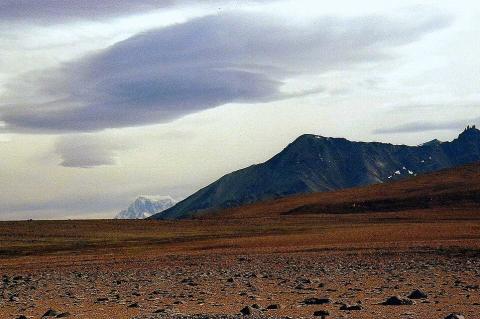
Santa Marta Páramo Ecoregion: A High-Elevation Sky Island of Biodiversity

Perched beyond the treeline in the Sierra Nevada de Santa Marta on Colombia's Caribbean coast, the Santa Marta páramo emerges as an elevated moorland ecoregion, marking the northernmost extent of páramo in South America. This distinctive "sky island" showcases nature's complexities, thriving within high altitudes.

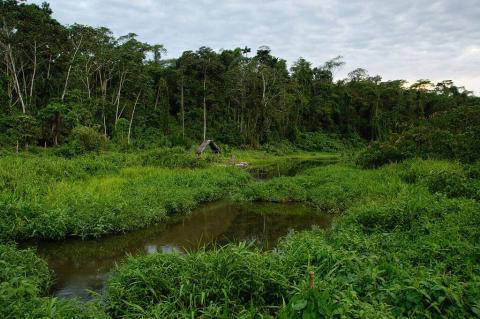
Southwest Amazon Moist Forests: A Biodiversity Haven in the Upper Amazon Basin

The Southwest Amazon moist forests represent one of the world's most biologically rich and ecologically significant regions. Encompassing vast tracts of intact tropical rainforest in the upper Amazon Basin, this ecoregion spans parts of Brazil, Peru, and Bolivia. Known for its exceptional biodiversity and relatively undisturbed landscapes, the Southwest Amazon moist forests are crucial for the conservation of numerous species and ecosystems.

The Atlantic Dry Forests of Brazil: Biodiversity and Conservation

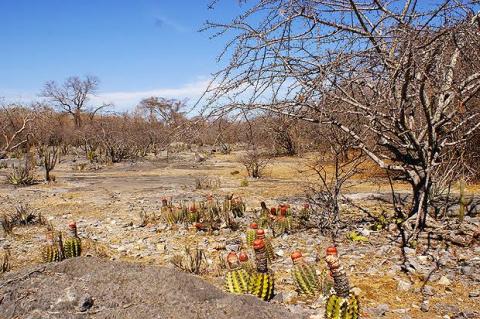
The Atlantic dry forests of Brazil are an extraordinary ecoregion characterized by their unique flora and fauna, complex climate, and significant ecological importance. Spanning the coastal regions of northeastern Brazil, these forests are a crucial component of the Atlantic Forest biome. They are renowned for their biodiversity and the critical ecological functions they perform.

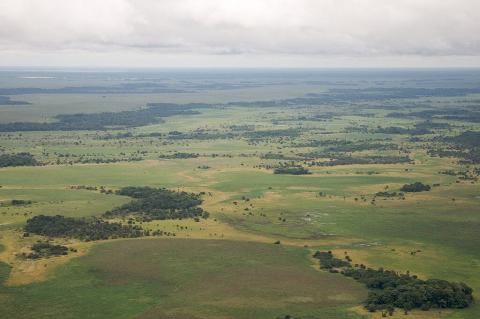
The Beni Savanna: Bolivia's Wetland Wonderland

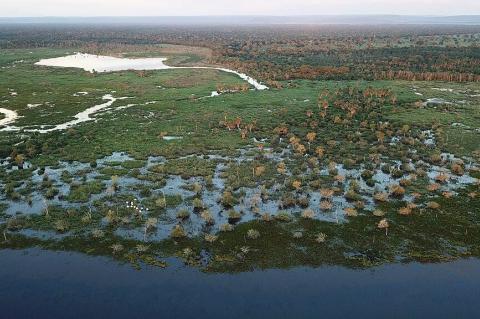
Nestled in the northern lowlands of Bolivia, the Beni Savanna ecoregion unfolds as a vast expanse of tropical savannas, meandering rivers, and a mosaic of wetlands and forest islands at the convergence of four distinct biogeographic regions. This ecological marvel, also known as the Llanos de Moxos, is the third-largest savanna complex in South America, extending its reach into neighboring Brazil and Peru.

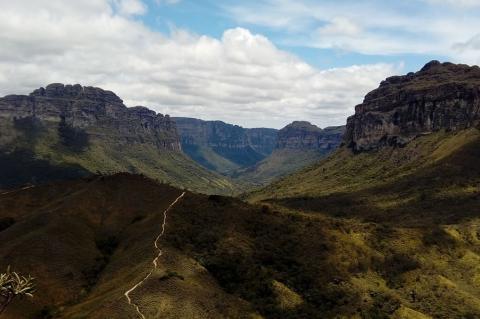
The Bolivian Montane Dry Forests: A Transitional Tapestry Along the Eastern Andean Slopes

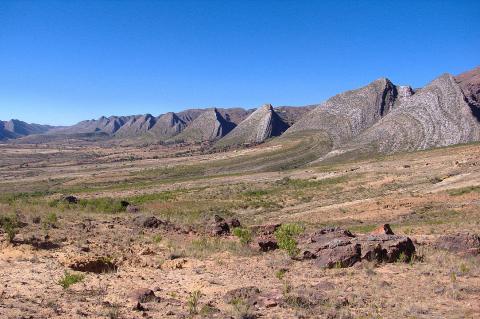
The Bolivian montane dry forests ecoregion is a narrow corridor on the eastern slopes of the Andes in Bolivia. It connects the puna grasslands of the Andean highlands to the Chaco scrublands of the lowlands. The region is known for its diverse microclimates and species assemblages that vary from one valley to the next, creating a tapestry of ecological wonders amidst the steep hillsides and cliffs of the eastern Andean cordillera.

The Bolivian Yungas: A Transitional Treasure Trove of Biodiversity

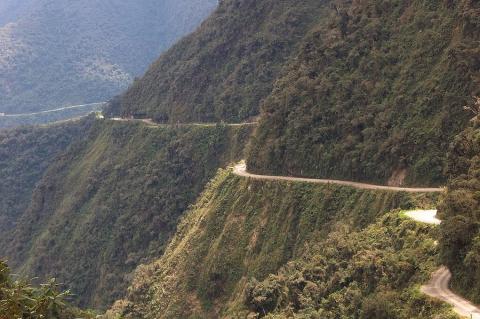
Nestled along the eastern slopes of the Andes in west-central Bolivia and extreme southeastern Peru, the Bolivian Yungas ecoregion stands as a transitional zone of unparalleled ecological significance. This tropical and subtropical moist broadleaf forest forms a bridge between the lush Southwest Amazon moist forests to the northeast and the rugged Central Andean dry puna and wet puna ecosystems to the southeast, creating a unique and diverse landscape.

The Cauca Valley Montane Forests: Colombia's Ecological Treasure

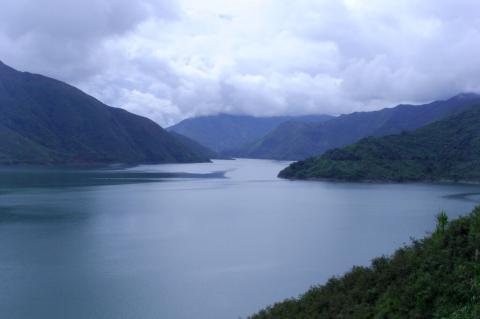
An ecological treasure trove lies in the Andes Mountains of southwestern Colombia: the Cauca Valley montane forests. This magnificent ecoregion, marked by its dramatic topography and diverse array of habitats, is a living testament to the incredible natural wealth of the Andean region. It supports a remarkable concentration of plant and animal life found nowhere else on Earth.

The Central Andean Puna: Unveiling the High-Elevation Wonders

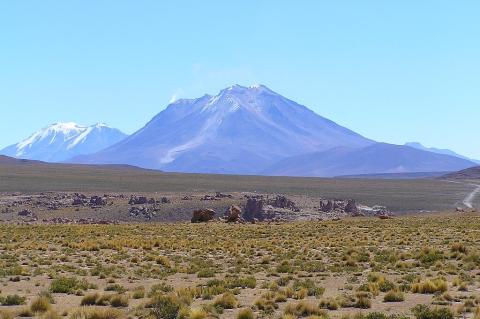
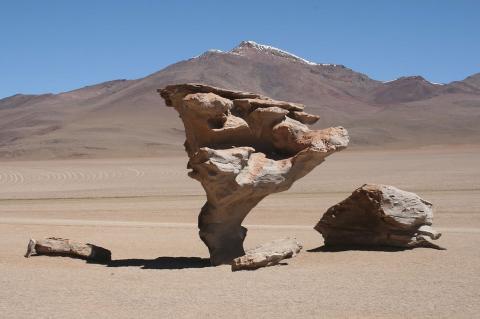
Nestled high amidst the jagged, snow-covered peaks of the Southern Andes lies the Central Andean Puna - a land of rugged resilience crafted from pristine pampas and awe-inspiring altiplano plains. This high-altitude montane grassland stretches across the southern regions of Peru, traversing the rugged Bolivian Altiplano and dipping into the northern corners of Argentina.

The Chilean Matorral: Biodiversity Jewel of the Mediterranean World

Nestled between the Andes Mountains and the Pacific Ocean, the Chilean Matorral ecoregion is one of Earth's biodiversity hotspots. This Mediterranean-climate region is a unique evolutionary laboratory where ancient lineages have thrived in isolation, creating one of the most endemic-rich ecosystems. Despite its small size, the Chilean Matorral contains extraordinary endemic flora, making it a conservation priority and Chile's agricultural heartland.

The Chiquitano Dry Forests: A Biodiverse Haven

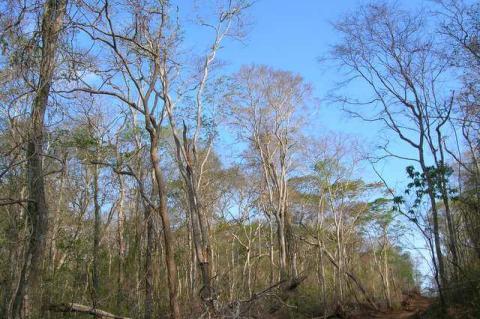
Nestled in the heart of eastern Bolivia and extending into western Brazil, the Chiquitano dry forests ecoregion is a unique and biodiverse haven characterized by its distinct vegetation and remarkable adaptation to a semi-arid climate. This ecoregion is a tapestry of dry forests, savannas, and gallery forests, providing a glimpse into nature's resilience and the intricate interplay between flora and fauna.