Latest Entries

The Arid Diagonal: South America's Great Drylands

South America's Arid Diagonal is a vast belt of arid and semi-arid ecosystems extending from coastal Peru to southeastern Argentina and northeastern Brazil. The region encompasses diverse desert systems, including the hyperarid Atacama, the ENSO-influenced Sechura, the biodiverse Monte, the wind-swept Patagonian Desert, and the high-altitude Puna. Despite extreme aridity, the diagonal harbors remarkable biodiversity with high endemism levels, particularly in transition zones, though it faces conservation challenges from overgrazing, mining, agricultural expansion, and climate change.

Argentina's High Monte: Life in the Arid Highlands

The High Monte ecoregion, extending along the eastern Andean slopes of northwestern Argentina, encompasses montane arid landscapes. Characterized by a temperate arid climate with rainfall concentrated in summer months, the region supports diverse vegetation communities dominated by xerophytic shrubs, Prosopis woodlands, and spectacular cactus assemblages. Despite harsh conditions, the High Monte harbors exceptional biodiversity. The region faces conservation challenges from overgrazing, deforestation, and climate change.

Islands in the Sky: Venezuela's Gran Sabana

La Gran Sabana is a vast plateau in southeastern Venezuela within Canaima National Park, part of the Guiana Shield. It features spectacular tepuis—isolated tabletop mountains with sheer cliffs above savannas—and hosts over 4,800 plant species, including many endemic and carnivorous plants. The Pemon people have lived here for millennia, and landmarks like Mount Roraima and Angel Falls highlight its ancient, unique landscape, facing threats from fire, mining, and climate change.

Unraveling the Secrets of Tulum: A Coastal Gem of the Maya Civilization

Nestled along Mexico's Caribbean coastline in Quintana Roo state, the ancient walled city of Tulum stands as a remarkable testament to the ingenuity and resilience of the Maya civilization. This pre-Columbian marvel, once a major port for the nearby city of Coba, has captured the imagination of visitors worldwide, offering a rare glimpse into the Maya people's strategic fortifications and architectural marvels. Originally known as Zamá, Tulum earned its current name from the Yucatec Maya word for "wall" or "fence," a fitting descriptor for one of the few fortified Maya cities.

Cave Systems of Latin America: Subterranean Wonders from Mexico to Patagonia

Beneath the jungles, deserts, and mountains of Latin America lies a hidden realm of extraordinary geological complexity and profound cultural significance. From the world's second-longest underwater cave network in Mexico's Yucatán Peninsula to the highest major caves in the world nestled in Peru's Andes, these underground passages tell stories spanning millions of years of geological transformation and thousands of years of human interaction with the earth's interior.

Bridging the Americas: The Great American Biotic Interchange

For millions of years, North and South America existed as isolated landmasses, separated by a vast oceanic expanse. Each continent evolved its own unique assemblage of species, shaped by distinct environmental pressures and evolutionary pathways. However, approximately 3 million years ago, a transformative geological event changed the course of biological history across both continents: the formation of the Central American Isthmus created a permanent land bridge, triggering one of the most spectacular mass migrations in Earth's history.

The Panama Canal: Engineering Marvel Connecting Two Oceans

The Panama Canal stands as one of the most ambitious and consequential engineering achievements of the modern era—an artificial waterway spanning the Isthmus of Panama to connect the Atlantic and Pacific Oceans. The story encompasses heroic engineering, devastating failure, the conquest of tropical disease through medical innovation, and human suffering on an almost incomprehensible scale. Its construction claimed at least 27,000 lives over more than three decades, yet its completion revolutionized global commerce.

The Isthmus of Panama: Where Continents Collide and Biodiversity Flourishes

The Isthmus of Panama, historically known as the Isthmus of Darien, stands as one of Earth's most geologically significant landforms—a narrow bridge connecting North and South America while separating the Atlantic and Pacific Oceans. This slender strip of territory represents far more than a geographic curiosity. Its formation ranks among the most consequential geological events of the past 60 million years, fundamentally reshaping global climate patterns, ocean circulation, and the distribution of life across two continents.

Chiloé Island and Archipelago: A Mystical Realm of Nature and Culture in Southern Chile

Nestled in the pristine waters of southern Chile, the Chiloé Archipelago stands as a mystical realm where nature's grandeur intertwines seamlessly with a rich tapestry of cultural enchantment. This breathtaking collection of more than forty islands, separated from the mainland by the narrow Chacao Channel to the north and the vast Sea of Chiloé to the east, beckons travelers to discover a world where ancient traditions, distinctive architecture, and culinary excellence coexist with extraordinary biodiversity.

The Chilean Coastal Range and Central Valley: Chile's Geographic Foundation

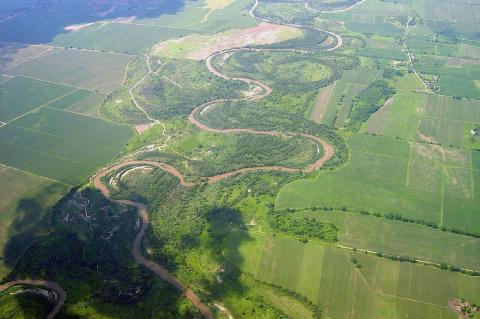
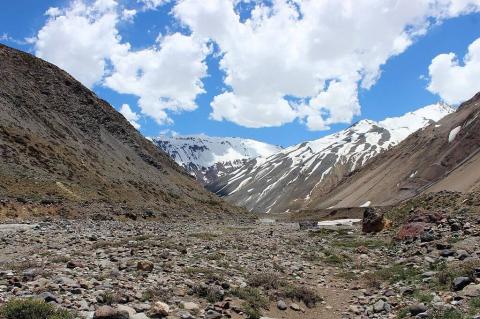
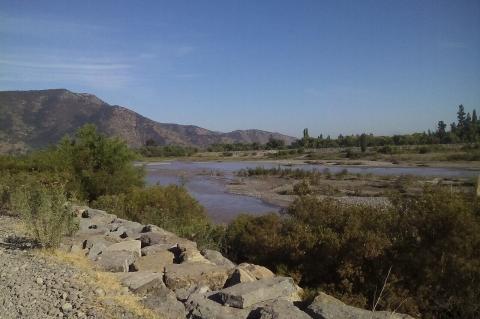
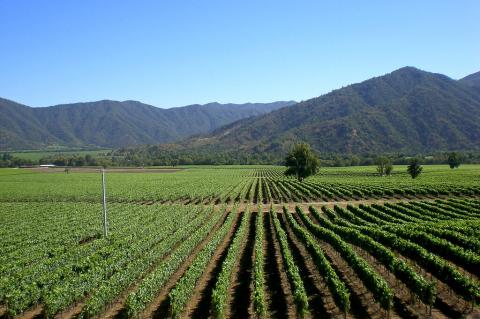
The Chilean Coastal Range and Central Valley are two distinct geographic features that run parallel along the length of Chile, shaping the country's climate, agriculture, and urban development. The Coastal Range acts as a barrier between the Pacific Ocean and the interior, while the Central Valley lies between these coastal mountains and the towering Andes, forming Chile's most fertile and populated corridor. Together, they influence where rain falls, forests grow, crops thrive, and cities develop—defining one of South America's most unique geographic regions.