
Llanganates National Park: Ecuador's Hidden Treasure
Nestled in the heart of Ecuador, Llanganates National Park is a sprawling protected area that spans the provinces of Cotopaxi, Napo, Pastaza, and Tungurahua. The expansive park is celebrated for its dramatic landscapes, rich biodiversity, and legendary tales of hidden treasures.
Llanganates National Park: Ecuador's Enigmatic Wilderness
Nestled in the heart of Ecuador, Llanganates National Park is a sprawling protected area that spans the provinces of Cotopaxi, Napo, Pastaza, and Tungurahua. The park, encompassing an impressive 219,707 hectares (542,907 acres), is celebrated for its dramatic landscapes, rich biodiversity, and legendary tales of hidden treasures. Llanganates National Park is a haven for nature enthusiasts and adventurers and a significant site for historical and cultural exploration.
Geographical and Ecological Diversity
Varied Landscapes and Climatic Extremes
Llanganates National Park is characterized by its striking topographical diversity. The park's altitudes range from 1,200 meters (3,937 feet) to 4,571 meters (14,996 feet) at Cerro Hermoso. This variation in elevation contributes to a wide range of climatic conditions, from temperate zones to cold, high-altitude environments. Annual precipitation varies significantly across the park, with some areas receiving as little as 1,000 mm (39 inches) and others experiencing up to 4,000 mm (157 inches) of rainfall. These climatic extremes have created a mosaic of habitats, each supporting unique ecosystems.
Western Zone: Andean Páramo
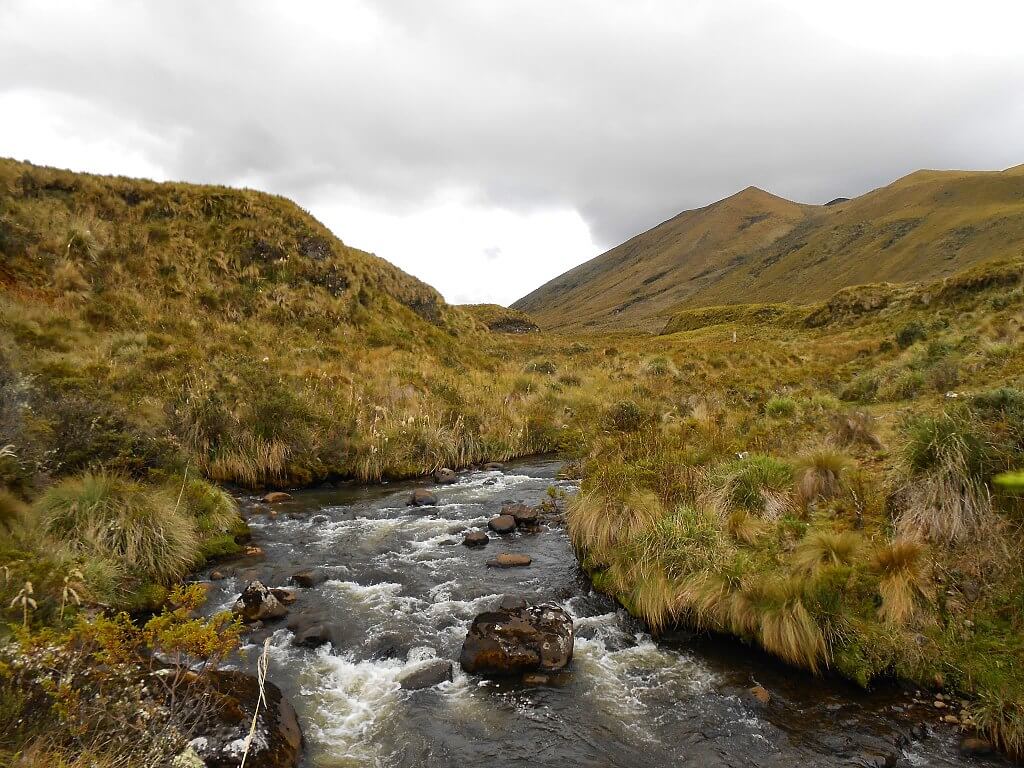
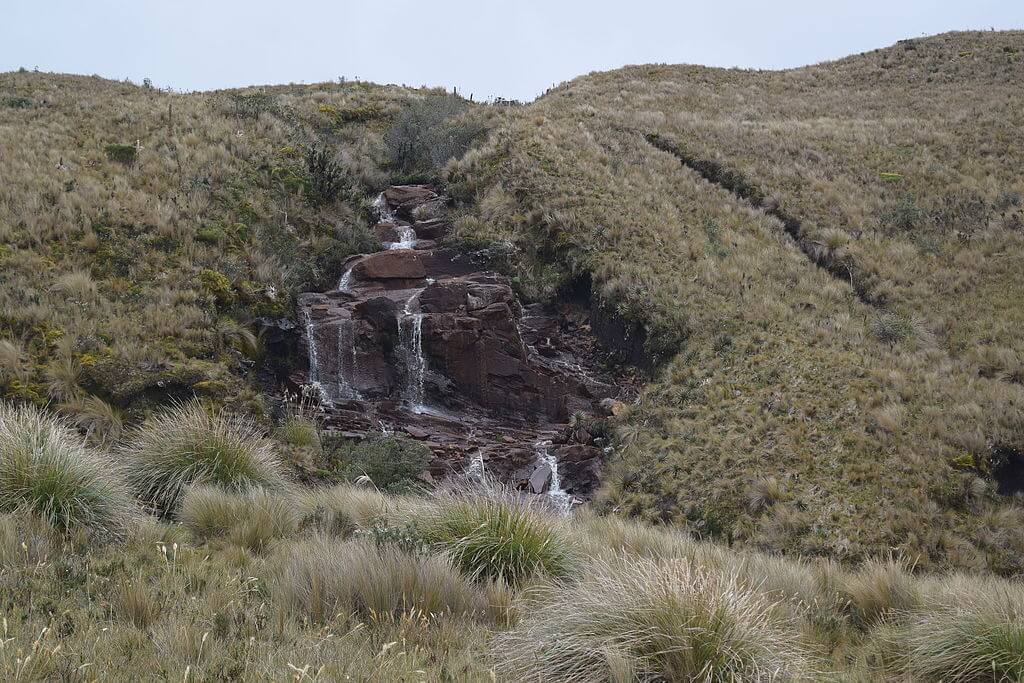
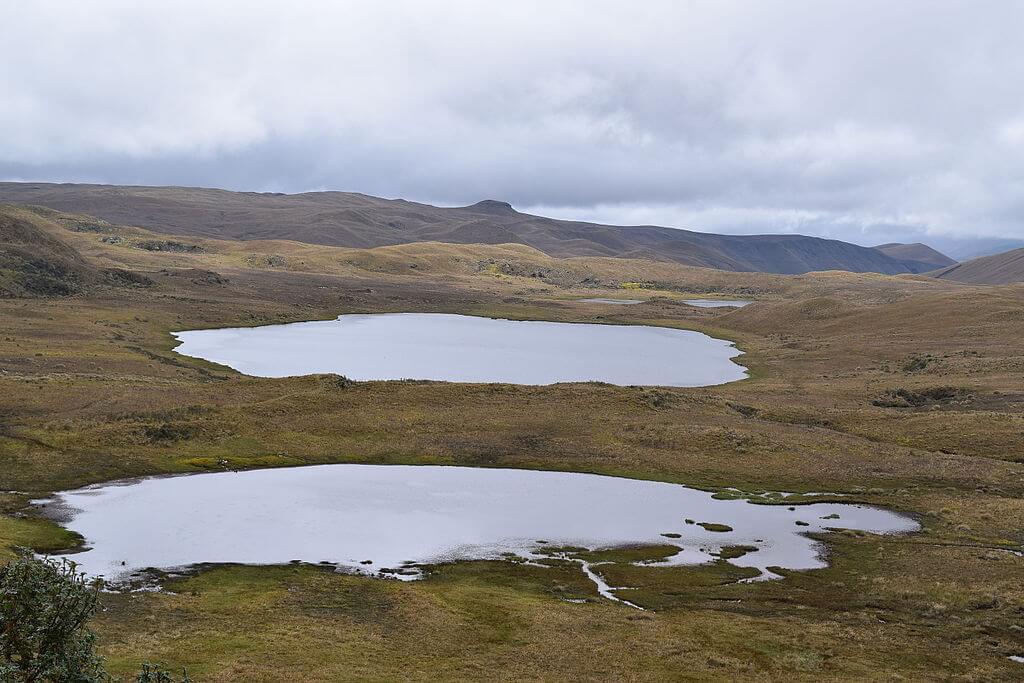
The Andean páramo, a high-altitude grassland ecosystem, dominates the western region of Llanganates National Park. This area is known for its rugged terrain, with rolling hills, jagged peaks, and expansive high valleys. The páramo is a harsh environment characterized by cold temperatures, strong winds, and frequent fog. Despite these challenging conditions, the páramo supports a variety of specialized flora and fauna. The region is home to South American camelids, such as vicuñas, llamas, and alpacas, adapted to the cold, barren landscape. The páramo is also dotted with numerous lagoons and crisscrossed by rivers and streams, including the river basins of Jatunyacu, Machay, Piautas, Verde Chico, and Yanayacu. These water bodies provide essential resources for both wildlife and human communities.
Eastern Zone: Montane Forests
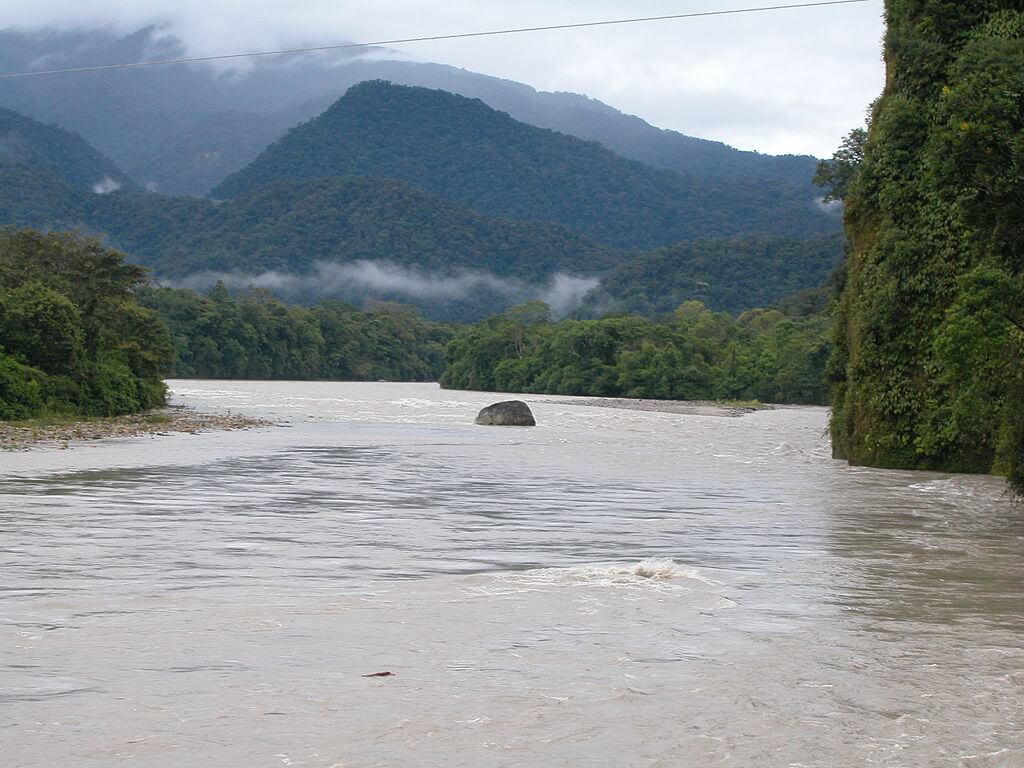
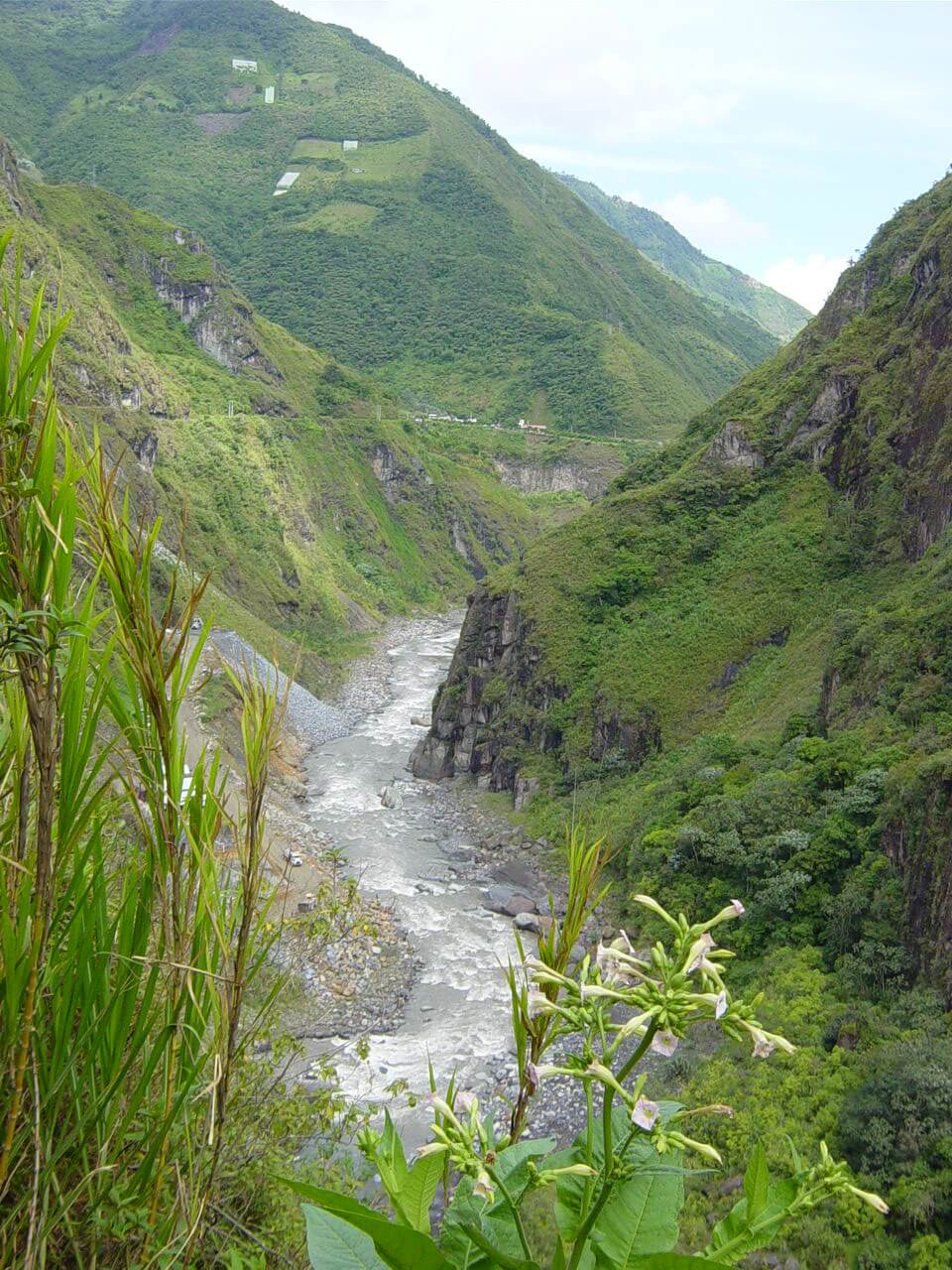
In stark contrast to the western zone, the eastern region of the park is covered in lush, humid montane forests that form part of the upper Amazon basin. This area is characterized by dense vegetation, towering trees, and a rich plant and animal life diversity. The montane forests are highly inaccessible, often traversed only by foot, and are interspersed with fast-flowing rivers descending from the Andes. This remote and untouched wilderness is a biodiversity hotspot, home to many species of plants and animals, some of which have only recently been discovered. Among the notable recent discoveries are several rare species of Andean Magnolia, which add to the park's botanical richness.
Flora and Fauna
Rich and Diverse Plant Life
Llanganates National Park boasts an extraordinary array of nearly 1,000 plant species, making it a botanical treasure trove. The park's diverse plant life includes the valeriana, sunfo, frailejone, chuquiragua, chilca, and various orchids. These plants are adapted to the park's wide ecological conditions, from the cold páramo to the humid montane forests. The rich plant life supports a complex ecosystem, providing habitat and food for a wide variety of animal species.
Unique and Endangered Wildlife
The park is a sanctuary for almost 200 bird species, 50 mammal species, and 23 species of reptiles and amphibians. Among the significant mammal species are the endangered spectacled bear, the elusive Andean tapir, white-tailed deer, mountain rabbits, and the South American camelids, including vicuñas, alpacas, and llamas. The park's avian population is equally impressive, with various birds that add to the park's vibrant ecosystem. Notable bird species include the Andean condor, the majestic harpy eagle, and numerous species of hummingbirds and tanagers.
The Legendary Treasure of the Llanganatis
A Tale of Hidden Riches
One of the most captivating aspects of Llanganates National Park is the legend of the "Treasure of the Llanganatis." According to local lore, the Inca general Rumiñahui hid a vast cache of gold, silver, platinum, and other treasures in the remote mountains to prevent them from falling into Spanish hands during the conquest. This treasure, often linked to the infamous riches of Atahualpa or El Dorado, has lured countless explorers into the park's challenging and often perilous terrain. The legend of the hidden treasure continues to captivate the imagination of adventurers and historians alike, adding a layer of mystery and allure to the park.
Archaeological and Cultural Significance
Historical Insights and Discoveries
Beyond its natural wonders, Llanganates National Park holds significant archaeological and cultural importance. The park is home to numerous archaeological sites, including remnants of ancient civilizations that once inhabited the region. These sites provide valuable insights into the history and culture of the Indigenous peoples of the Andes. The park's archaeological treasures include ancient fortresses, ceremonial sites, and other structures that offer a glimpse into the lives and traditions of the pre-Columbian societies that once thrived in this rugged landscape.
Socio-Economic Aspects
Community and Livelihoods
Llanganates National Park is a haven for wildlife and a vital resource for the local communities that live within and around its boundaries. More than 170,000 people reside in the park's vicinity, with their main economic activities centered around agriculture, livestock, and mining. The inhabitants of the park's rural towns primarily cultivate crops such as cocoa, coffee, corn, Sacha peanut, and rice. These agricultural practices are essential for their livelihoods, providing sustenance and income.
Challenges and Conservation Efforts
While the park's natural resources are crucial for local communities, they also face significant challenges. Expanding agriculture, livestock grazing, and mining activities can threaten the park's delicate ecosystems. However, conservation efforts are underway to balance the needs of the local population with preserving the park's natural heritage. Sustainable development initiatives aim to protect the park's biodiversity while promoting environmentally friendly agricultural practices and responsible resource management.
Conclusion
Llanganates National Park is a unique and awe-inspiring wilderness that offers a glimpse into Ecuador's natural and cultural heritage. Its diverse landscapes, from the high-altitude páramos to the lush montane forests, support a rich array of flora and fauna, some of which are found nowhere else on Earth. The enduring legend of the hidden treasure adds a layer of mystery and allure to this already fascinating region. As conservation efforts continue, Llanganates National Park remains a pristine sanctuary for biodiversity and a living testament to the myths and legends that enrich Ecuador's cultural landscape.