
The Paranapanema River: From Source to Confluence
The Paranapanema River is one of the most significant rivers in southeastern Brazil. Originating in the Serra do Paranapiacaba, it is a crucial water source for numerous ecosystems and vital to the region’s economy, supporting agriculture, hydropower, and local communities.

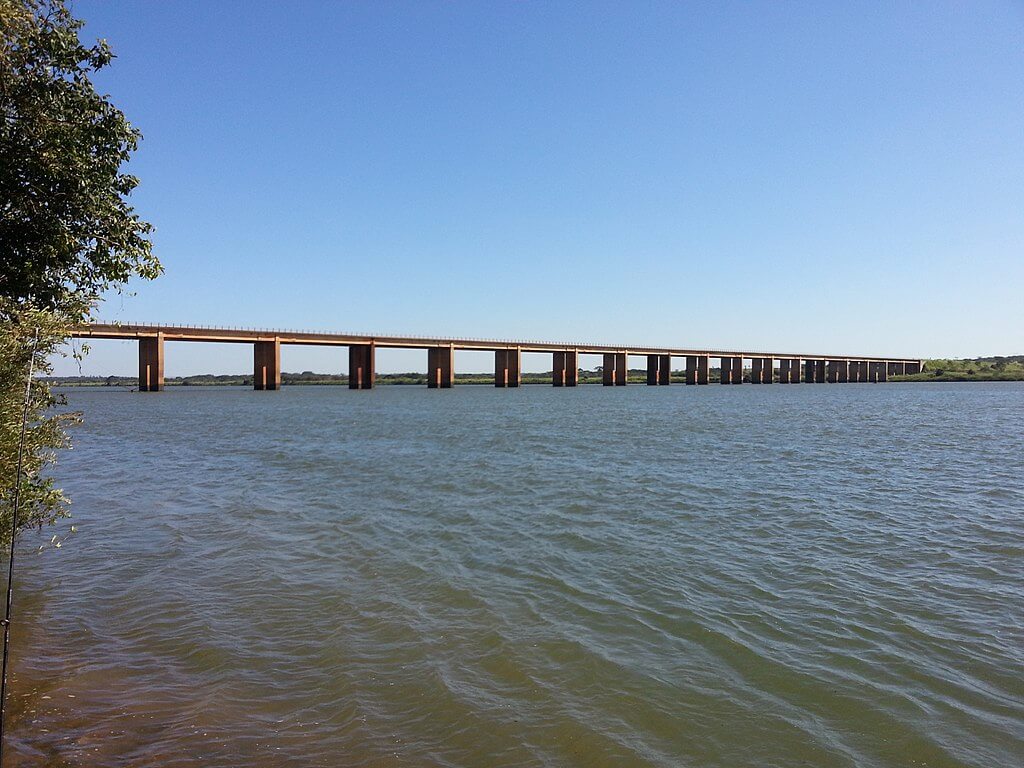
Exploring the Paranapanema River: Ecology, Economy, and Challenges
The Paranapanema River, stretching over 900 kilometers (560 miles), is one of the most significant rivers in southeastern Brazil. Originating in the Serra do Paranapiacaba and flowing westward until it meets the Paraná River, the Paranapanema River traverses a rich and varied landscape. It is a crucial water source for numerous ecosystems and a vital component of the region's economy, supporting agriculture, hydropower, and local communities. Understanding the Paranapanema River involves examining its geographical features, ecological importance, economic contributions, and challenges due to human activities and environmental changes.
Geographical Features
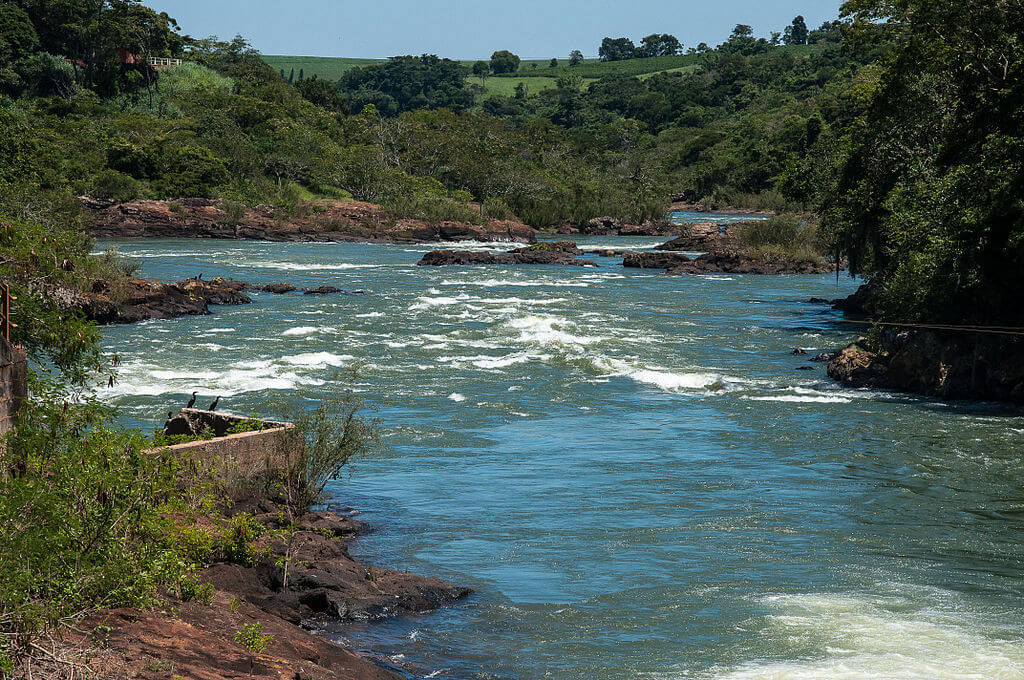
The Paranapanema River originates in the Serra do Paranapiacaba, a mountain range that forms part of the Atlantic Forest biome. From its source, the river flows westward across the states of São Paulo and Paraná, passing through diverse terrains, including highlands, valleys, and floodplains. It finally merges with the Paraná River near the town of Presidente Epitácio. Numerous tributaries, such as the Itararé, Pardo, and Tibagi rivers, feed the river, contributing to its flow and hydrological complexity. The climate in the region ranges from tropical to subtropical, with seasonal variations in rainfall affecting water levels and flow rates.
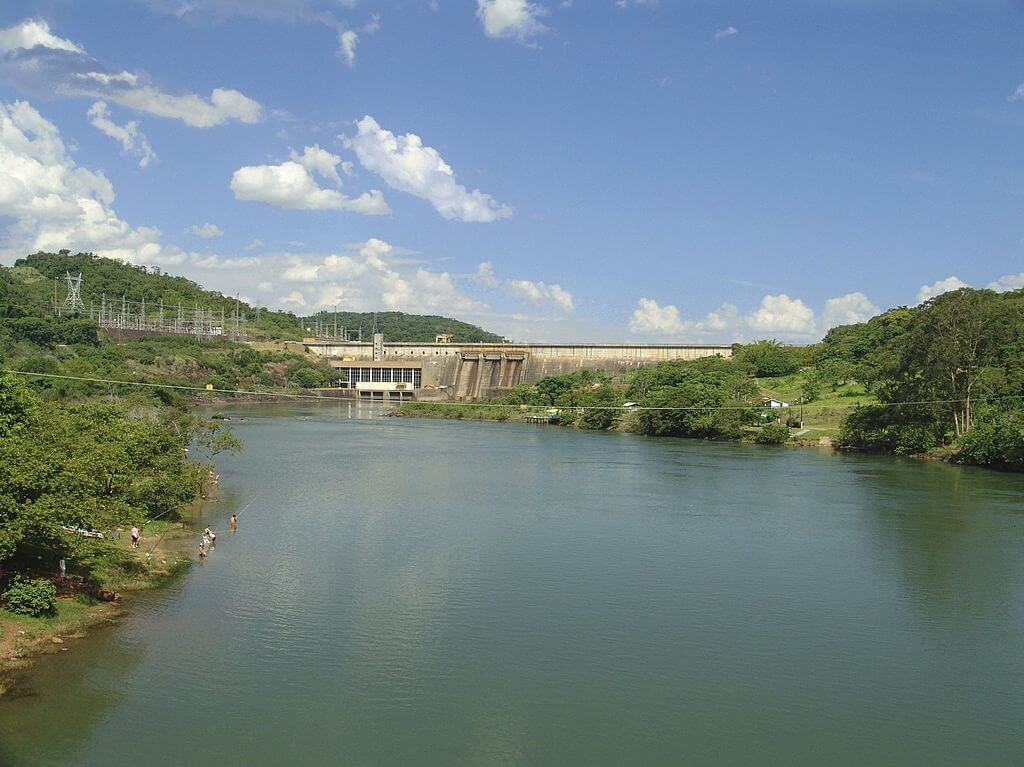
The Paranapanema River is characterized by a diverse hydrological regime, supporting various aquatic habitats. Its flow is regulated by reservoirs and dams constructed primarily for hydropower generation and irrigation. Notable dams along the river include the Jurumirim, Chavantes, and Capivara dams, which create large reservoirs integral to the region's energy and water management systems.
Ecological Importance
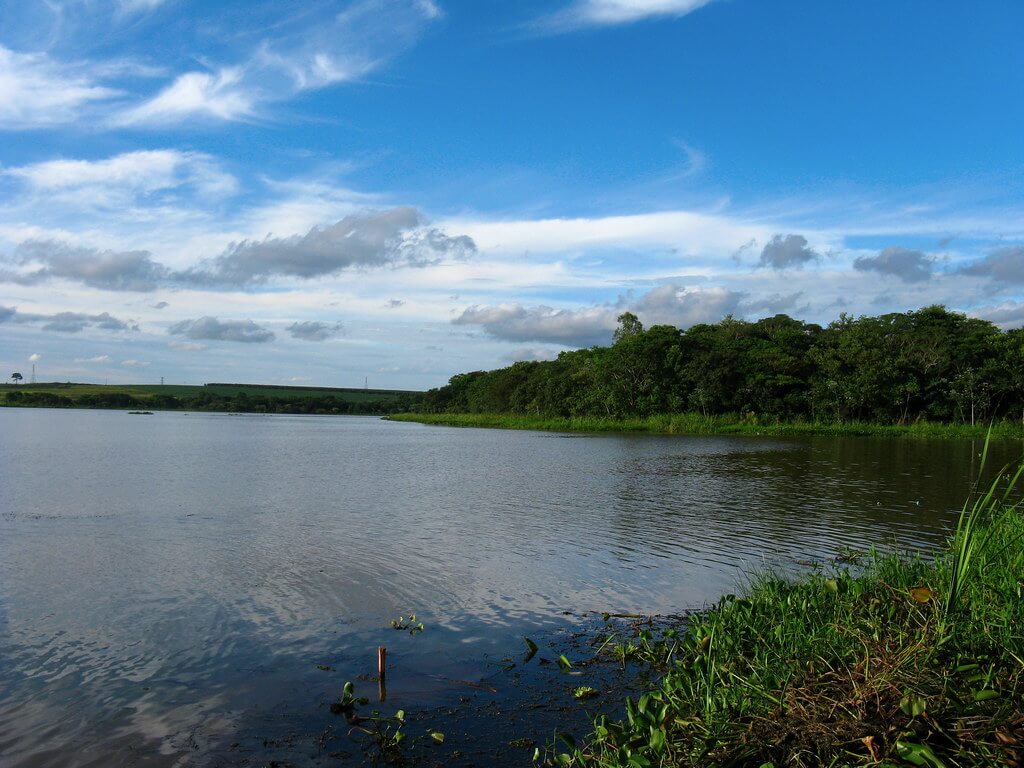
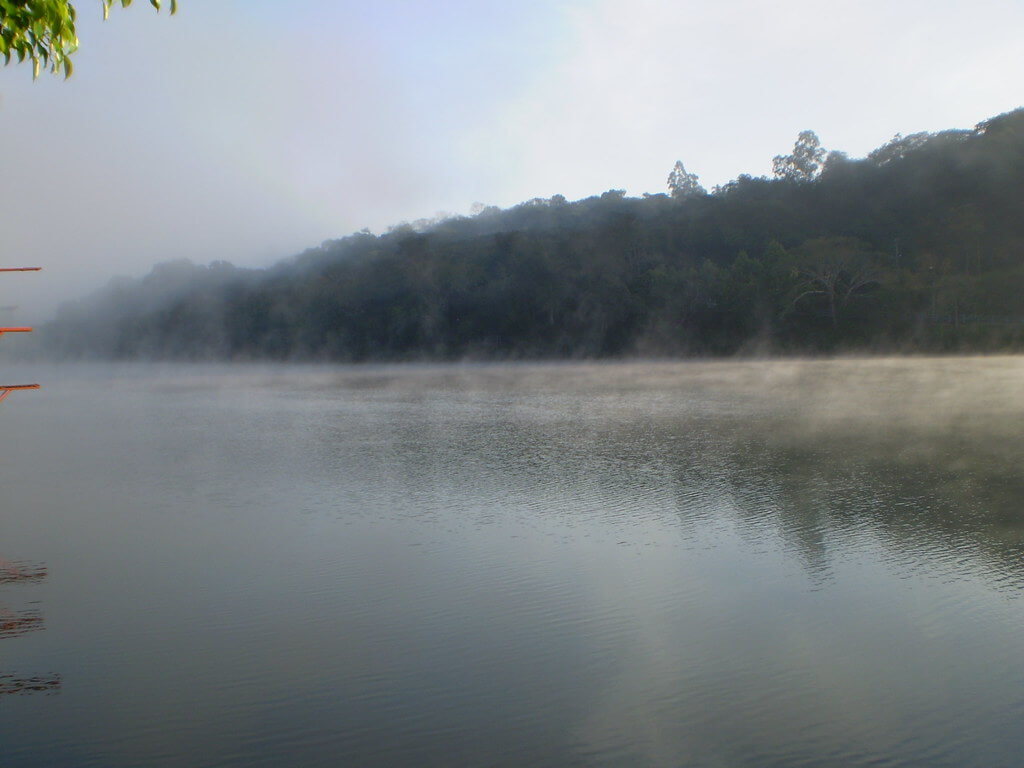
The Paranapanema River supports a rich biodiversity, providing habitats for numerous species of plants, fish, birds, and other wildlife. The riverine ecosystems are part of the more prominent Atlantic Forest and Cerrado biomes, recognized for their high endemism and ecological significance. The river is home to various fish species, including some that are endemic and economically important for local fisheries. The riparian zones along the riverbanks support diverse plant communities and serve as crucial corridors for wildlife.
In addition to its biodiversity, the Paranapanema River provides essential ecosystem services, including water supply for domestic, agricultural, and industrial uses, flood regulation, and wildlife habitat. The river also plays a role in maintaining regional climate stability and supporting soil fertility through nutrient cycling.
Economic Contributions
The fertile lands along the Paranapanema River are intensively used for agriculture, with crops such as sugarcane, coffee, and soybeans being major products. Irrigation from the river supports high agricultural productivity, contributing significantly to the local and national economy. The series of dams on the Paranapanema River are vital for hydroelectric power generation. The electricity dams produce dams, supply energy to millions of people, and support industrial activities in the region. The Capivara and Chavantes dams are among the largest hydropower plants on the river, playing a crucial role in Brazil's energy matrix.
The scenic landscapes and reservoirs along the Paranapanema River attract tourists and recreational activities such as boating, fishing, and water sports, further contributing to the local economy.
Environmental Challenges
The Paranapanema River faces significant environmental challenges due to pollution, deforestation, and climate change. Agricultural runoff, industrial effluents, and untreated sewage pose major pollution threats, impacting water quality and aquatic life. Controlling pollution through improved waste management and sustainable agricultural practices is essential.
Deforestation in the river's watershed has led to habitat loss and increased sedimentation, which affects water flow and biodiversity. Conservation initiatives to protect and restore riparian forests are critical for the river's health. Climate change poses long-term threats to the Paranapanema River, with altered rainfall patterns and increased frequency of extreme weather events potentially affecting water availability and ecosystem resilience.
Conclusion
The Paranapanema River is a vital natural resource for southeastern Brazil. It supports diverse ecosystems and contributes significantly to the region's economy through agriculture, hydropower, and tourism. However, it faces considerable environmental challenges requiring concerted conservation efforts, sustainable development, and pollution control. Protecting the Paranapanema River is crucial for maintaining its ecological integrity and ensuring its continued benefits for future generations.
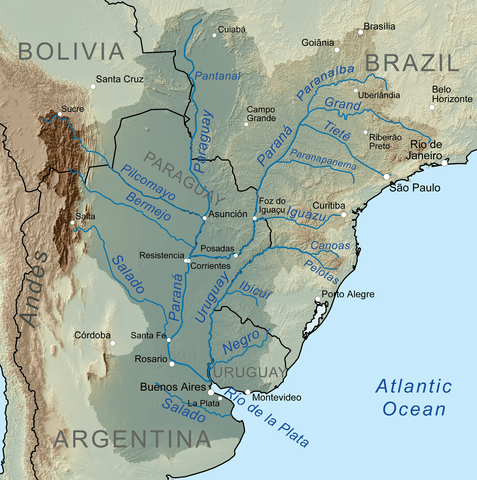
Map of the La Plata Basin, showing the Paranapanema River joining the upper Paraná River.