
Rio de Janeiro: Urban Splendor Between Mountain and Sea
Nestled along Brazil's southeastern coast, Rio de Janeiro, known as the "Cidade Maravilhosa" or Marvelous City, captivates with its stunning blend of natural wonders and vibrant urban life. It is renowned for its breathtaking landscapes, rich cultural heritage, and iconic landmarks.
Rio de Janeiro: The Marvelous City Between Mountain and Sea
Where forested granite peaks plunge dramatically into azure Atlantic waters, where urban beaches pulse with life beneath jungle-covered mountains, and where samba rhythms echo through a cityscape of stunning natural beauty, Rio de Janeiro embodies Brazil's vibrant spirit like no other place. Known worldwide as the Cidade Maravilhosa—the Marvelous City—Rio de Janeiro stands as one of the most visually spectacular urban centers on Earth. With a metropolitan population exceeding 13.5 million, Brazil's second-largest city sprawls across a landscape so extraordinarily beautiful that UNESCO designated it a World Heritage Site in 2012 under the title "Rio de Janeiro: Carioca Landscapes between the Mountain and the Sea." From the iconic Christ the Redeemer statue atop Corcovado Mountain to the sweeping beaches of Copacabana and Ipanema, from the world's largest urban rainforest in Tijuca National Park to the colonial architecture of its historic center, Rio represents a unique synthesis of nature and urbanity that continues to captivate millions of visitors annually.
Geographic Setting and Climate
Rio de Janeiro occupies a dramatic setting on Brazil's southeastern coast at latitude 22°54'S, positioned within the tropical zone yet moderated by ocean breezes and coastal location. The city proper covers approximately 1,255 square kilometers (485 square miles), while the Greater Rio metropolitan area spans 5,384 square kilometers (2,079 square miles) and encompasses 17 municipalities along the shores of Guanabara Bay and the Atlantic Ocean.
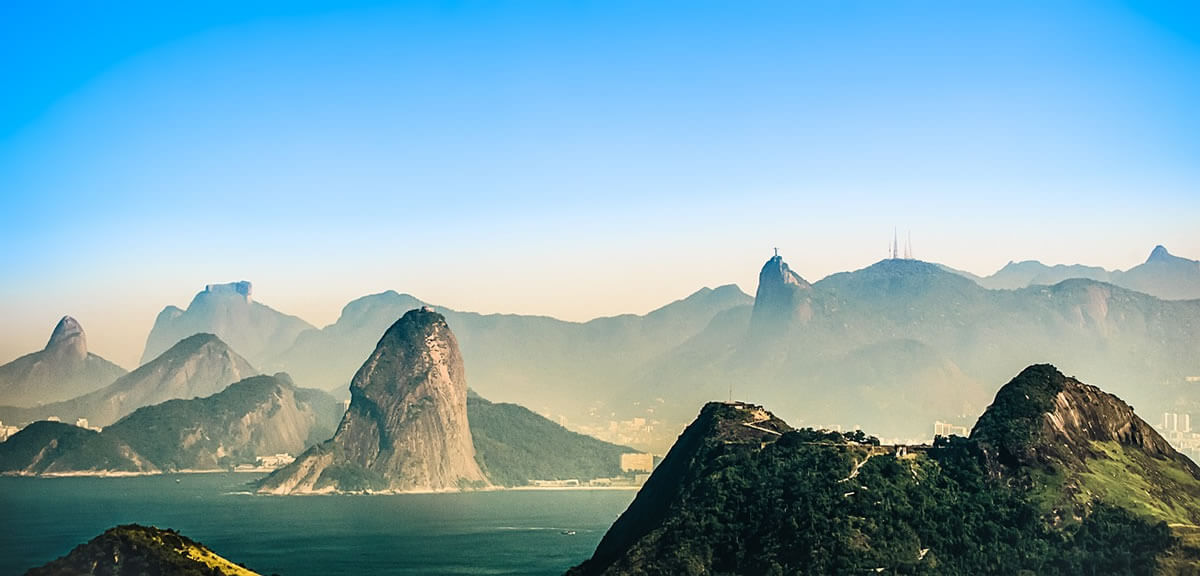
The city's defining feature is its extraordinary topography. In this landscape, the Brazilian Highlands abruptly meet the Atlantic, creating a spectacular mosaic of forested mountains, rocky peaks, white-sand beaches, and coastal lagoons. Elevations range from sea level to over 1,000 meters (3,281 feet) within the city limits, with the highest point reaching 1,021 meters (3,350 feet) at Pico da Tijuca in Tijuca National Park. This dramatic vertical relief creates the distinctive silhouette that makes Rio instantly recognizable: steep, forest-covered peaks rising directly from urban neighborhoods and beaches.
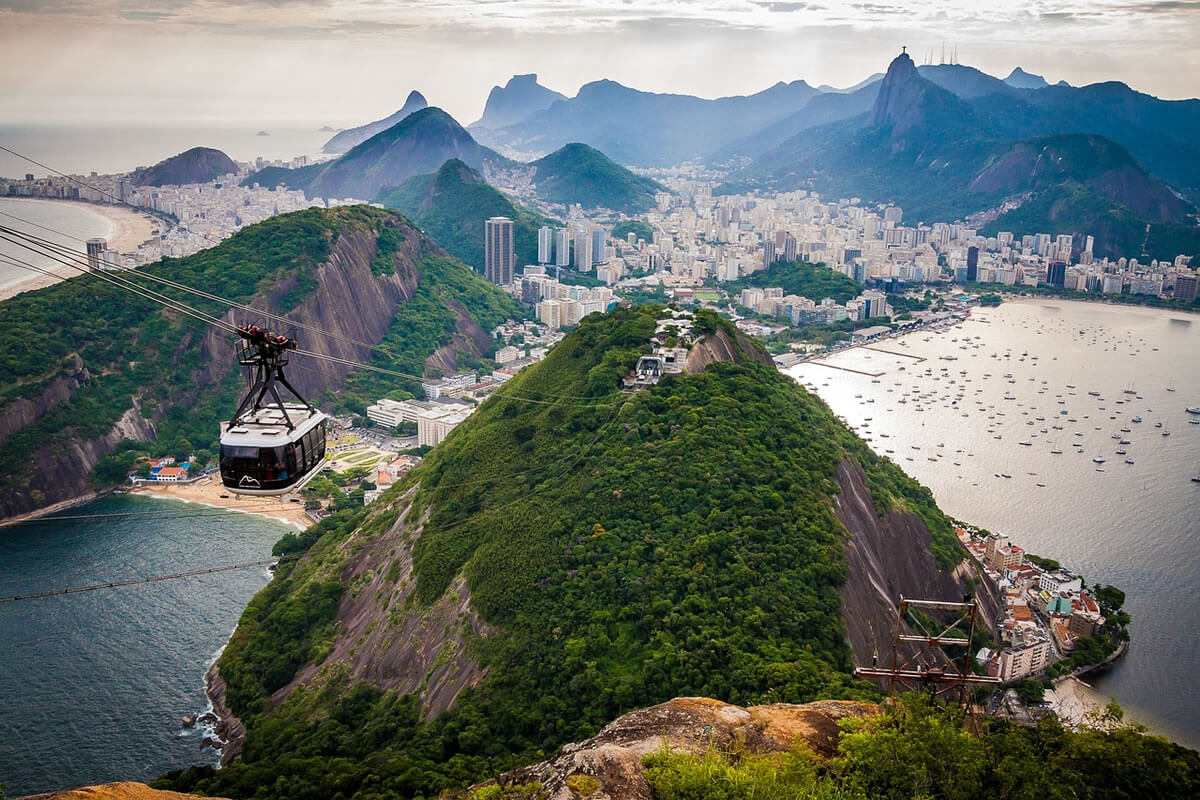
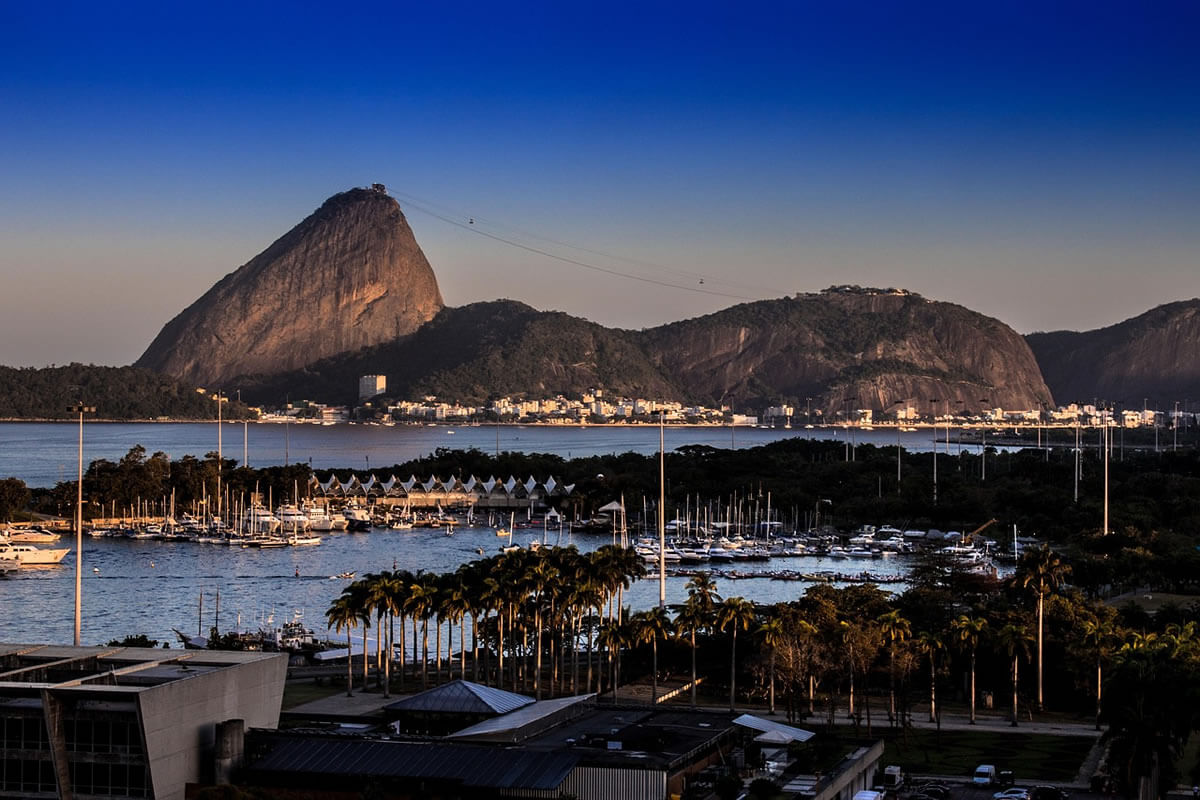
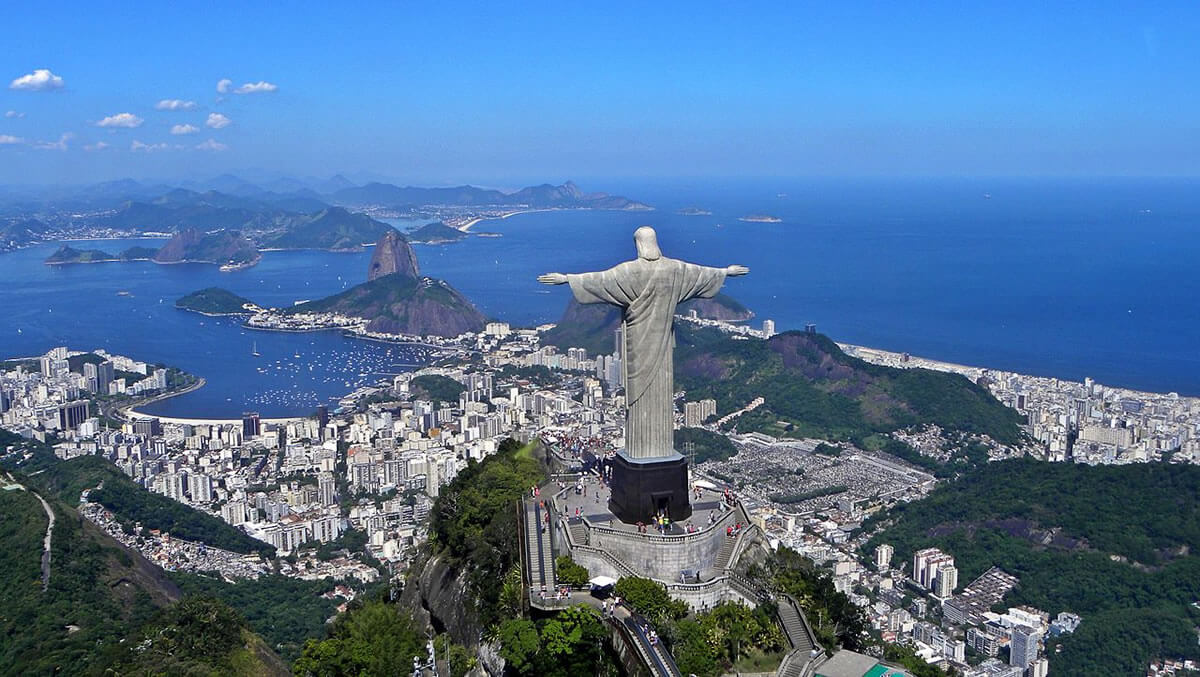
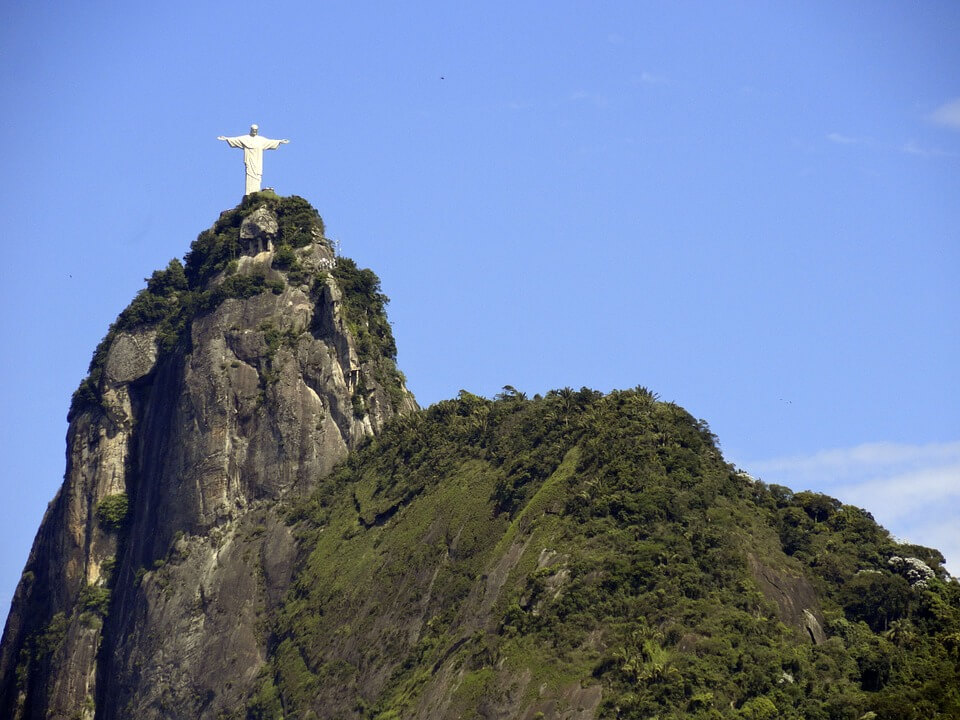
Major mountains include Corcovado at 710 meters (2,329 feet), crowned by the iconic Christ the Redeemer statue; Sugarloaf Mountain (Pão de Açúcar) at 396 meters (1,299 feet), a rounded granite monolith at the entrance to Guanabara Bay; and the Two Brothers (Dois Irmãos) peaks, standing sentinel over Ipanema and Leblon beaches. These geological formations consist primarily of Precambrian granite and gneiss—ancient crystalline rocks that have resisted erosion for millions of years, while softer surrounding materials have worn away, leaving these distinctive peaks.
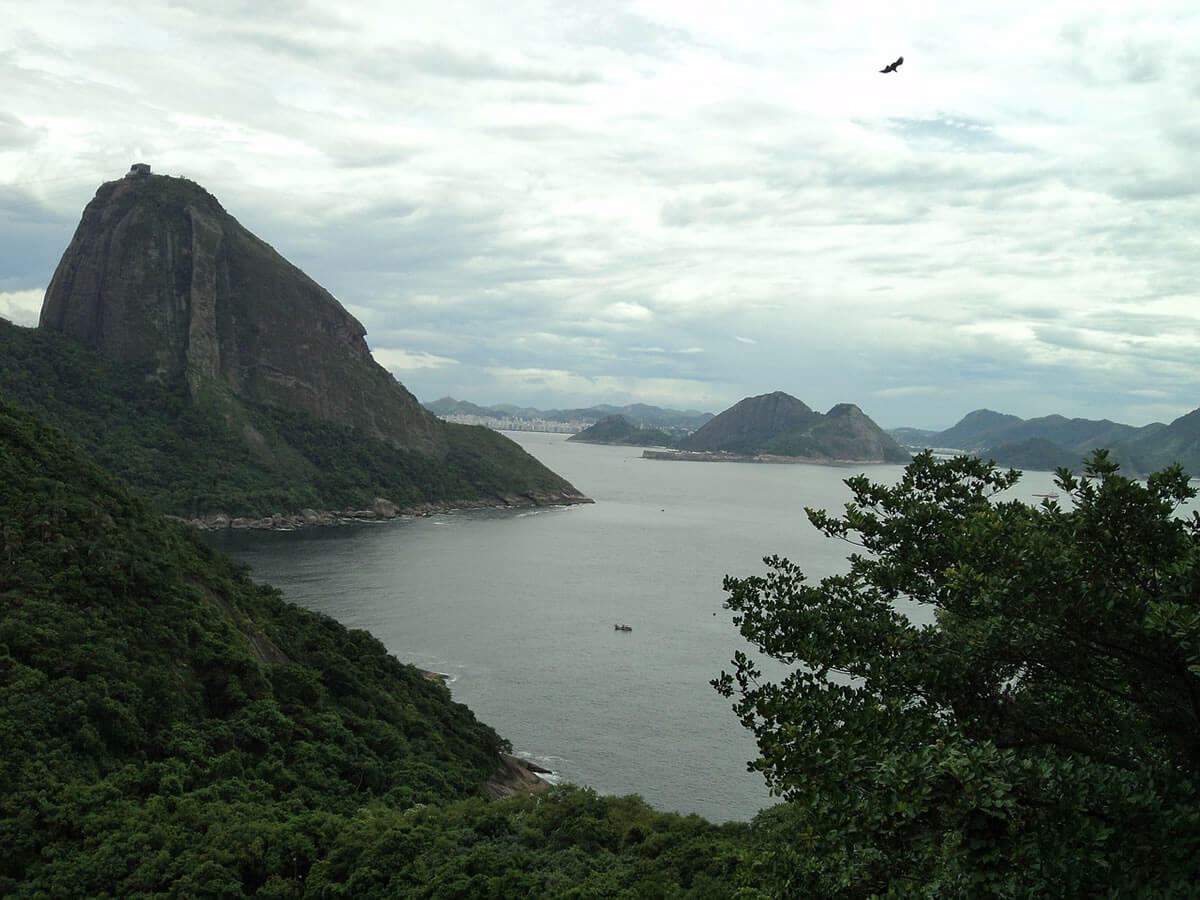
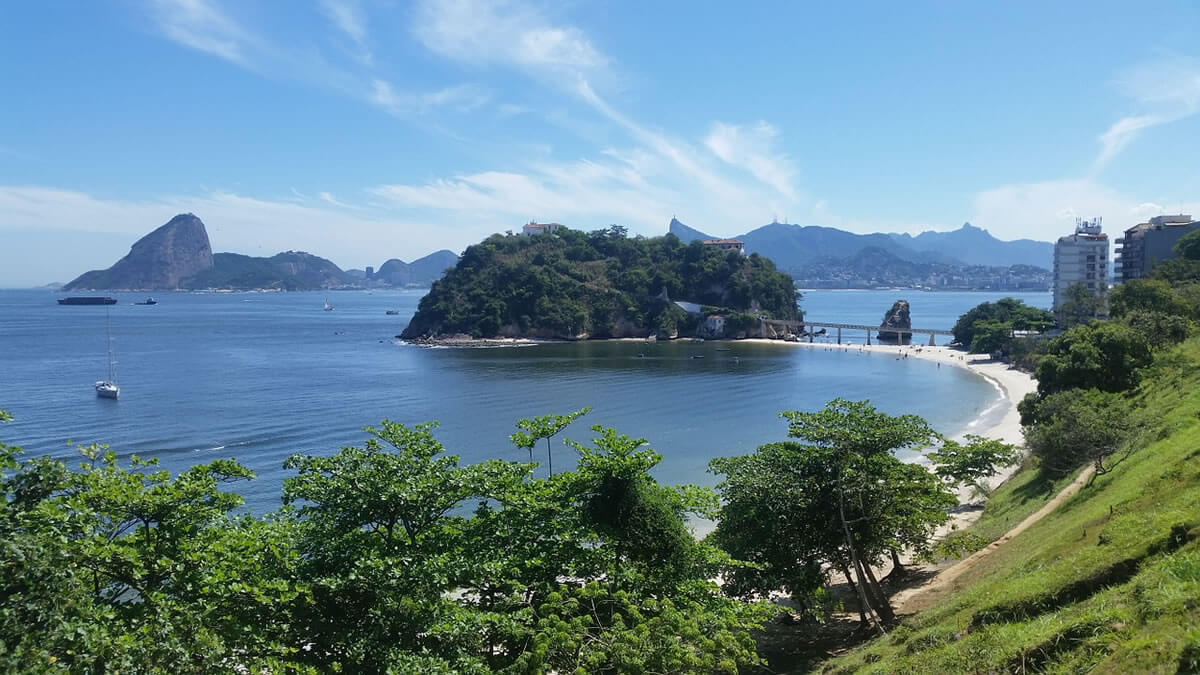
Guanabara Bay, a deep natural harbor covering approximately 412 square kilometers (159 square miles), provides protected anchorage and shaped Rio's development as a major port. The bay's narrow entrance—flanked by Sugarloaf Mountain and the Fort of São João—creates a natural fortress that early Portuguese colonizers recognized as strategically invaluable. Numerous beaches line the ocean coast, from the famous Copacabana (4.5 kilometers / 2.8 miles) and Ipanema to smaller stretches like Leblon, Barra da Tijuca, and countless others, totaling approximately 78 kilometers (48 miles) of coastline.
The climate is classified as tropical wet and dry (Aw under the Köppen system), characterized by hot, humid summers and warm, sunny winters—average annual temperature hovers around 23°C (73°F), with relatively modest seasonal variation. Summer months from December through March bring intense heat and heavy rainfall, with temperatures frequently exceeding 35-39°C (95-102°F) and humidity often reaching 70-80%. When combined with little wind, the feels-like temperature can surpass 50°C (122°F). Cooler ocean breezes moderate coastal temperatures, while inland areas and higher elevations experience different microclimates—peaks remain cooler and receive more moisture, creating conditions suitable for Atlantic Forest.
The rainy season extends from December through March, with average annual precipitation totaling approximately 1,080 millimeters (43 inches) in lower elevations, though mountains receive significantly more—some peaks exceed 1,500 millimeters (60 inches) annually. The dry season spans April through September, bringing pleasant weather that makes these months (Brazil's winter) popular for tourism. Despite occasional severe droughts, particularly the devastating 2014-2015 event, water scarcity remains less critical for Rio than for cities farther inland.
Historical Development
Indigenous Origins and Portuguese Arrival
Long before European contact, the region around present-day Rio de Janeiro was home to the Tupi people, particularly the Tamoio confederation. These Indigenous groups lived along the coast and interior, subsisting through fishing, hunting, and agriculture. When Portuguese explorer Gaspar de Lemos arrived at Guanabara Bay on January 1, 1502, his expedition mistook the bay's entrance for a river mouth, naming it "Rio de Janeiro"—River of January.
For decades, the Portuguese showed limited interest in permanent settlement, focusing instead on the more lucrative northeastern sugar regions. This neglect allowed French Huguenots to establish a colony on an island in Guanabara Bay in 1555, which they called Antarctic France. The French allied with the Tamoio and posed a significant threat to Portuguese claims under the Treaty of Tordesillas.
Colonial Foundation and Growth
In 1565, Portuguese nobleman Estácio de Sá led an expedition to expel the French and establish Portuguese control. On March 1, 1565, he officially founded the city, which was named Cidade de São Sebastião do Rio de Janeiro, honoring both Saint Sebastian (the saint's day being January 20, near the date of the bay's discovery) and Dom Sebastião, the young king of Portugal. The settlement initially occupied a strategic position at the base of Sugarloaf Mountain before relocating to higher ground on Morro do Castelo (Castle Hill) for better defense.
Through the 17th century, Rio remained a relatively modest settlement overshadowed by Salvador, the colonial capital. The economy relied on sugar plantations and the export of brazilwood. However, Rio's strategic location and excellent natural harbor gradually increased its importance, particularly as Portuguese attention shifted to the gold-rich interior of Minas Gerais.
The Golden Age
The discovery of gold in Minas Gerais in the 1690s transformed Rio de Janeiro's fortunes. The city became the primary port for exporting gold and diamonds extracted from the interior, requiring overland transport through treacherous mountain routes. Wealth flowed through Rio, financing the construction of churches, government buildings, and urban infrastructure. In 1763, recognizing Rio's economic and strategic importance, Portugal transferred the colonial capital from Salvador to Rio de Janeiro, cementing its position as Brazil's preeminent city.
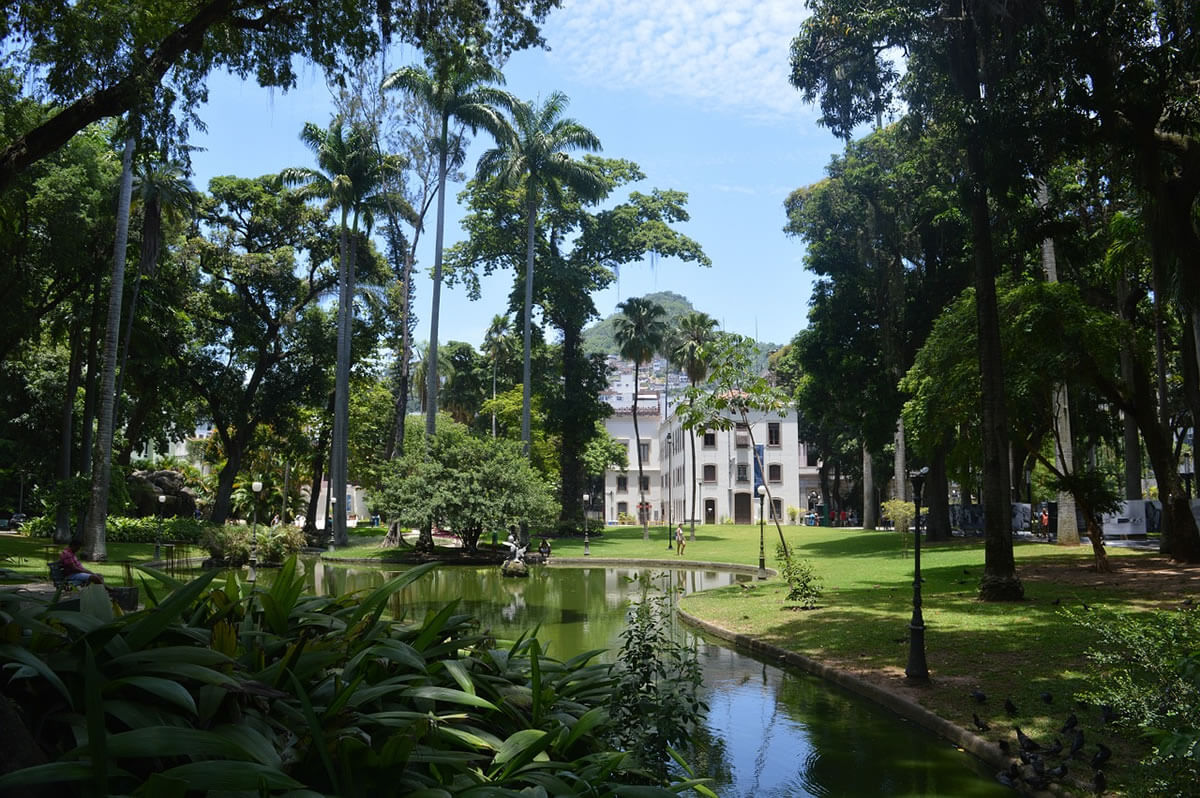
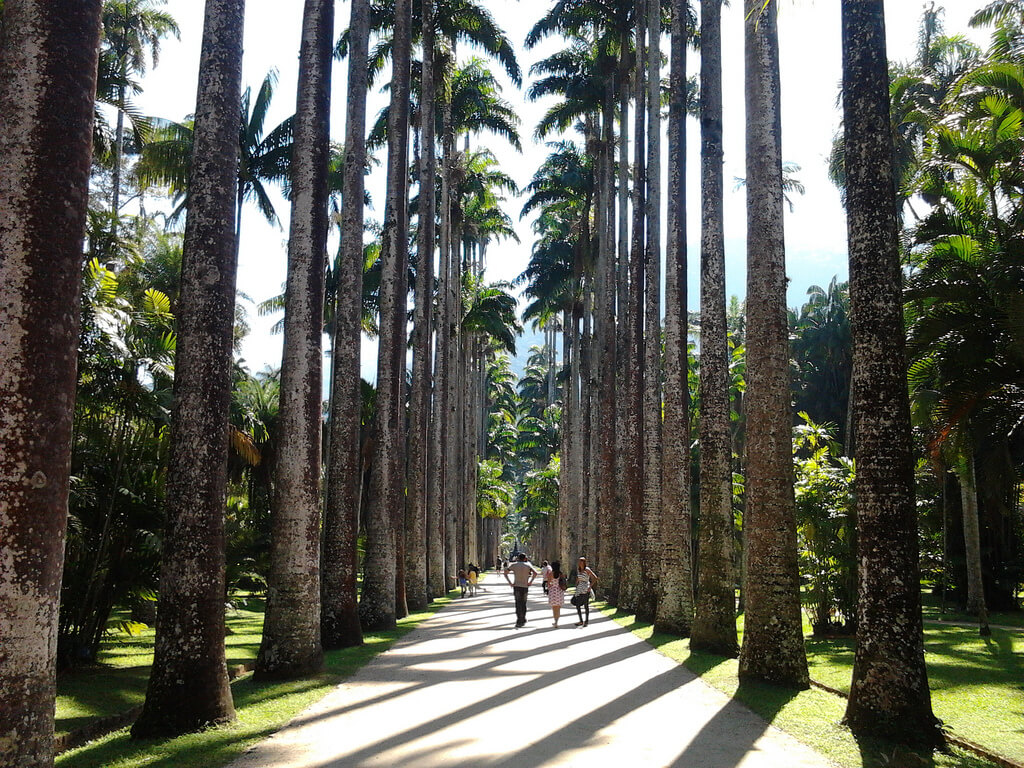
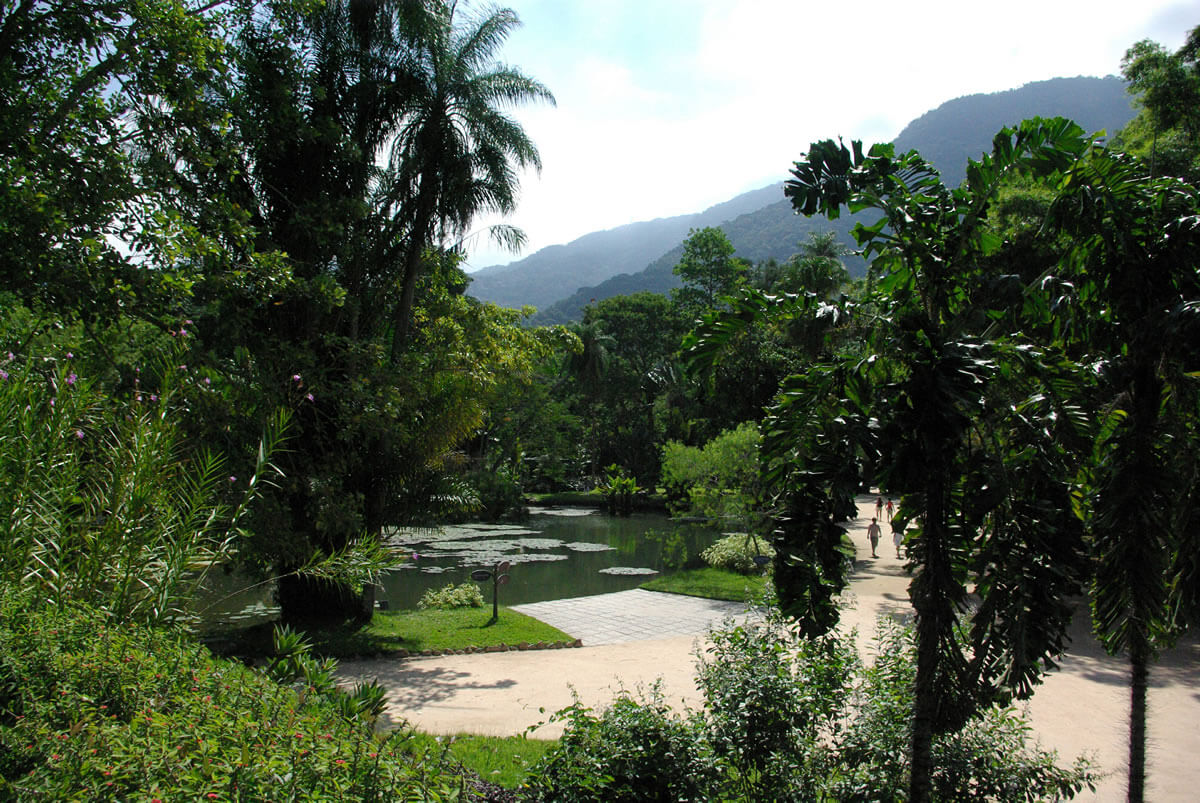
The late 18th and early 19th centuries brought dramatic changes. In 1808, fleeing Napoleon's invasion of Portugal, the Portuguese royal family relocated to Rio de Janeiro, making it the only European capital ever situated outside Europe. Prince Regent João (later King João VI) brought the royal court, nobility, and approximately 15,000 courtiers, transforming Rio into a true imperial capital. The royal presence stimulated cultural and economic development, including the founding of institutions like the Botanical Garden (1808), the National Library, and the Royal Academy of Fine Arts.
When Brazil declared independence in 1822, Rio naturally became the capital of the new Brazilian Empire under Emperor Pedro I. The city flourished through the 19th century as coffee cultivation in the Paraíba Valley created new wealth. Rio remained Brazil's capital through the republican period following 1889, consolidating its position as the nation's political, economic, and cultural heart.
Modern Transformation
In 1960, Brazil transferred the national capital to the newly constructed city of Brasília in the interior, designed to promote the development of Brazil's vast hinterlands and reduce the coastal concentration of power and population. Rio lost its status as a Federal District and became the capital of Guanabara State. In 1975, Guanabara State merged with Rio de Janeiro State, and Rio de Janeiro city became the state capital.
Despite losing its national capital status, Rio continued to thrive as a commercial, financial, and cultural center. The city hosted major international events, including the United Nations Conference on Environment and Development (Earth Summit) in 1992, the 2014 FIFA World Cup, and the 2016 Summer Olympics—the first Olympic Games in South America. These events spurred infrastructure improvements, though they also highlighted persistent social and economic challenges.
UNESCO World Heritage: Carioca Landscapes
In July 2012, UNESCO inscribed "Rio de Janeiro: Carioca Landscapes between the Mountain and the Sea" on the World Heritage List, acknowledging the exceptional integration of natural and cultural elements that define Rio's character. The designation encompasses key sites including Tijuca National Park, the Botanical Garden, Corcovado Mountain with Christ the Redeemer, the hills around Guanabara Bay including Sugarloaf Mountain, and the Copacabana and Ipanema beachfronts.
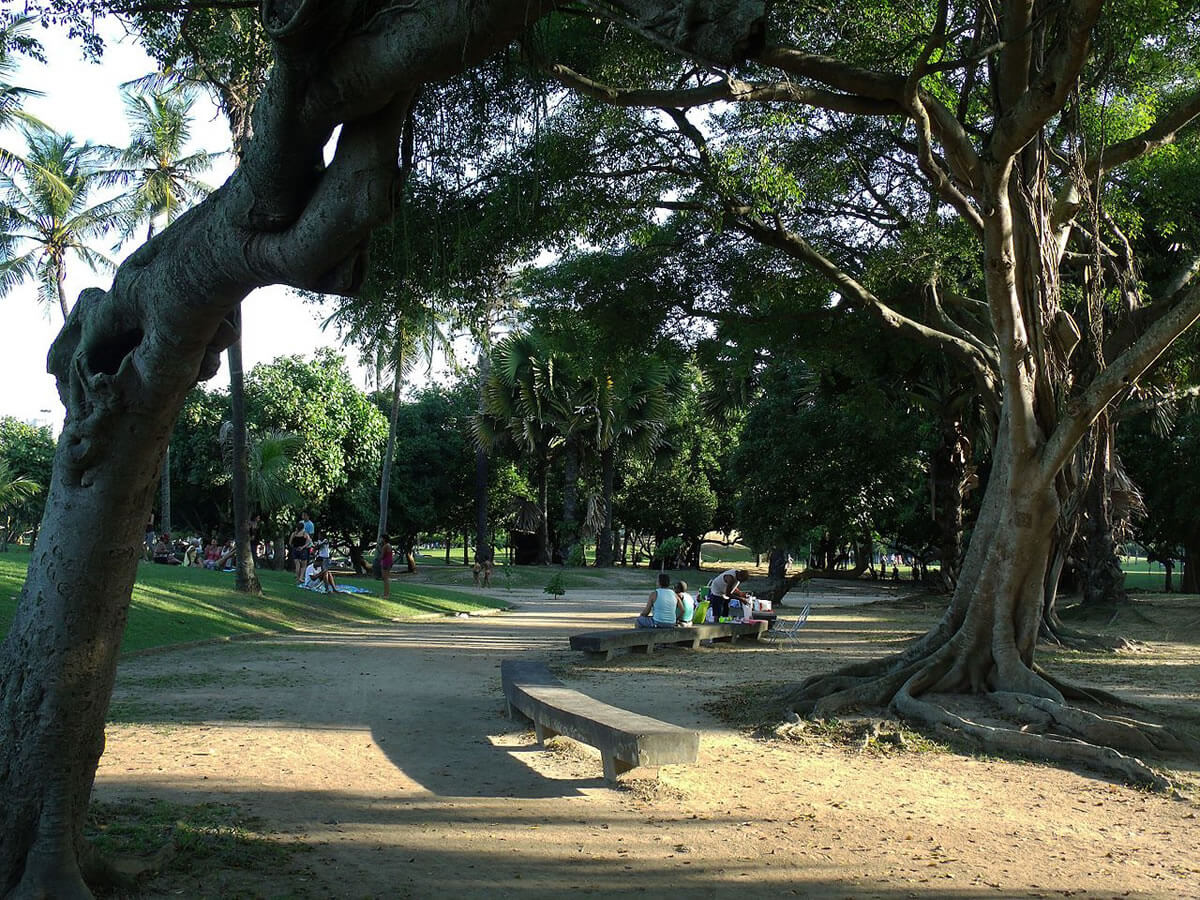
The UNESCO citation emphasizes how Rio's landscape represents "exceptional urban integration between natural and cultural elements." The designated area illustrates artistic and architectural achievements inspired by the dramatic natural setting, including the reshaping of the land and the creation of designed landscapes such as Flamengo Park. The inscription recognizes Rio as the first site where modern landscape architecture emerged as a distinct discipline through the work of Roberto Burle Marx and others who integrated tropical vegetation into urban design.
In July 2021, UNESCO added a second Rio de Janeiro site to the World Heritage List: the Sítio Roberto Burle Marx, located in western Rio approximately 60 kilometers (37 miles) from the city center. This estate served as the home, studio, and laboratory of Roberto Burle Marx (1909-1994), the pioneering landscape architect whose innovative designs transformed urban landscapes throughout Brazil and worldwide. The Sítio contains an exceptional collection of over 3,500 species of tropical and subtropical plants and represents the culmination of Burle Marx's artistic and botanical research. For more information, see our article on the Sítio Roberto Burle Marx.
The Historic Center and Colonial Architecture
Rio's historic center (Centro) preserves significant colonial and imperial architecture despite modernization. Key landmarks include the Carioca Aqueduct (Arcos da Lapa), an 18th-century stone aqueduct now carrying the iconic Santa Teresa tram; the Municipal Theatre, an opulent Belle Époque structure inspired by the Paris Opera; and the Imperial Palace, now housing cultural institutions.
Religious architecture includes numerous baroque and neoclassical churches, such as the Candelária Church and the São Bento Monastery, whose gilded interiors rank among Brazil's most impressive examples of baroque religious art. The historic center also contains the National Library, one of the world's largest libraries, and the National Museum of Fine Arts, housed in a neoclassical building completed in 1908.
Iconic Landmarks
Christ the Redeemer
The Cristo Redentor statue atop Corcovado Mountain stands as Rio's most iconic symbol and one of the New Seven Wonders of the World. Completed in 1931, the Art Deco statue stands 30 meters (98 feet) tall with a 28-meter (92-foot) arm span, is constructed from reinforced concrete, and is covered with approximately 6 million soapstone tiles. Accessible via a cog railway through Tijuca Forest, the statue's platform at 710 meters (2,329 feet) offers panoramic views encompassing Guanabara Bay, Sugarloaf Mountain, and the sprawling city below.
Sugarloaf Mountain
Pão de Açúcar rises 396 meters (1,299 feet) at the mouth of Guanabara Bay, its distinctive rounded shape created by millions of years of erosion. Two cable cars, first inaugurated in 1912, transport visitors from Praia Vermelha to Morro da Urca at 220 meters (722 feet), then to Sugarloaf's summit. The 360-degree views capture Rio's entire sweep—from the historic center and Santos Dumont Airport to Copacabana Beach and beyond.
Tijuca National Park
Covering 3,953 hectares (9,769 acres), Tijuca National Park represents the world's largest urban forest. The park protects Atlantic Forest that was replanted in the 19th century after coffee plantations had devastated the original vegetation, threatening Rio's water supply. Emperor Pedro II ordered reforestation beginning in 1861, with Major Manuel Gomes Archer overseeing the planting of approximately 100,000 trees over 13 years. Today, the regenerated forest harbors diverse wildlife, including toucans, monkeys, and numerous endemic species, while providing trails, waterfalls, and recreational opportunities.
The Beaches and Beach Culture
Rio's beaches define carioca (Rio resident) culture and lifestyle. Copacabana Beach, with its distinctive black-and-white wave-patterned promenade designed by Roberto Burle Marx, stretches 4.5 kilometers (2.8 miles) and hosts millions of beachgoers annually. The beach serves as a democratic public space where all social classes mingle, though subtle territorial divisions persist, with different groups claiming specific sections.
Ipanema Beach, made famous by the bossa nova song "The Girl from Ipanema," maintains a reputation for sophisticated beach culture and serves as a center for Rio's LGBTQ community, particularly around Farme de Amoedo Street. Other significant beaches include Leblon, adjoining Ipanema; Barra da Tijuca, a long stretch popular with surfers and backed by modern high-rise development; and smaller neighborhood beaches throughout the city.
Beach culture in Rio transcends mere recreation—it represents a fundamental aspect of carioca identity and social life, a space where body-consciousness, sports (particularly beach volleyball and football), and informal socializing converge year-round.
Cultural Vibrancy
Carnival
Rio's Carnival is the world's most famous celebration, attracting millions of participants and spectators each year. The festival, held before Lent (typically in February or early March), features elaborate parades by samba schools competing in the purpose-built Sambadrome, designed by Oscar Niemeyer. Each school presents themed parades with thousands of participants in elaborate costumes, massive floats, and choreographed dance performances. Street parties (blocos) proliferate throughout the city, maintaining Carnival's democratic, participatory character.
Music and Dance
Rio nurtured numerous Brazilian musical traditions. Samba emerged from Afro-Brazilian communities in the early 20th century and became Brazil's defining musical genre. Bossa nova developed in Rio in the late 1950s, blending samba rhythms with jazz harmonies and sophisticated lyrics. Contemporary music scenes encompass funk carioca, Brazilian hip-hop, and countless other genres. Live music venues, from intimate clubs in Lapa to massive concert halls, maintain Rio's reputation as Brazil's musical capital.
Museums and Cultural Institutions
Rio houses world-class museums, including the Museum of Tomorrow (Museu do Amanhã), an innovative science museum exploring humanity's future; the Rio Art Museum (MAR), dedicated to Brazilian art and culture; and the National Museum of Brazil, though tragically damaged by fire in 2018. The Museum of Modern Art and numerous smaller institutions celebrate Brazilian creativity across disciplines.
Contemporary Challenges and Urban Issues
Despite its extraordinary beauty, Rio faces significant social and economic challenges. Favelas—informal settlements housing approximately 20-25% of the city's population—occupy hillsides throughout the urban area. While some favelas have been upgraded with basic services and infrastructure, many residents still lack adequate water, sanitation, electricity, and public services. The socio-spatial segregation between wealthy coastal neighborhoods and poorer hillside and peripheral areas reflects Brazil's broader inequality.
Violence and crime remain serious concerns, particularly related to drug trafficking, gang activity, and occasional confrontations between criminals and police. Murder rates, while declining from peak levels, remain elevated by international standards. However, experiences vary dramatically by neighborhood, and many areas popular with tourists remain relatively safe.
Environmental challenges include water pollution in Guanabara Bay, where decades of untreated sewage and industrial waste have severely degraded water quality despite cleanup efforts. Traffic congestion, inadequate public transportation outside metro corridors, and infrastructure strain from rapid 20th-century growth create ongoing urban management challenges.
Population and Demographics
Rio de Janeiro city proper has approximately 6.7 million residents, while the Greater Rio metropolitan area has roughly 13.5 million, making it Brazil's second-largest urban area after São Paulo. Population density in the city proper averages approximately 5,377 people per square kilometer (13,930 per square mile), among the highest in Brazil.
Cariocas represent a microcosm of Brazilian diversity. Portuguese descendants constitute the largest ancestry group—Rio contains more people of Portuguese descent than Lisbon. Significant Afro-Brazilian populations reflect the millions of enslaved Africans brought to Brazil during the colonial period. Additionally, Italian, Spanish, German, Lebanese, and Japanese communities contribute to Rio's multicultural character. The city's religious landscape is predominantly Roman Catholic, though Protestant Evangelical churches have grown rapidly, and Afro-Brazilian religions, including Candomblé and Umbanda, maintain an important cultural presence.
Visiting Rio de Janeiro
Rio remains one of South America's most visited cities, attracting nearly 3 million international tourists annually. The city is served by Rio de Janeiro/Galeão International Airport (GIG), located approximately 20 kilometers (12 miles) from the city center, and Santos Dumont Airport (SDU), a domestic airport on Guanabara Bay close to downtown.
The best time to visit is during Brazil's winter (May through September) when temperatures are milder, humidity is lower, and rainfall is less frequent. However, summer months offer the most vibrant beach scenes and culminate with Carnival. Visitors should allocate at least 4-5 days to experience Rio's major attractions, though the city rewards longer stays with deeper exploration of neighborhoods, nature, and cultural offerings.
Rio's Cidade Maravilhosa moniker captures something essential about this extraordinary place—a city where nature and urbanity achieve a synthesis perhaps unmatched anywhere on Earth. Where else do cable cars ascend granite mountains rising from city centers, where else do jaguars prowl forests minutes from international airports, where else does such stunning natural beauty frame such complex urban realities? Rio de Janeiro remains marvelous not despite its contradictions but because of them, a city perpetually in dialogue with the dramatic landscape that contains it, a metropolis that dances to samba rhythms beneath the outstretched arms of Christ the Redeemer, forever positioned between mountain and sea.