Archaeological Site

Unraveling the Secrets of Tulum: A Coastal Gem of the Maya Civilization

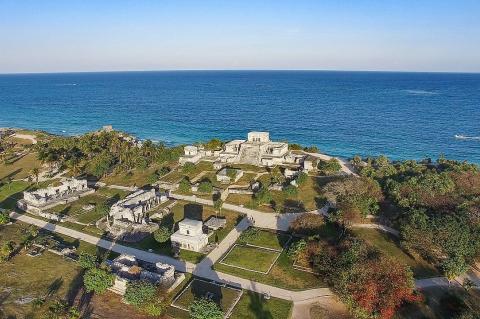
Nestled along Mexico's Caribbean coastline in Quintana Roo state, the ancient walled city of Tulum stands as a remarkable testament to the ingenuity and resilience of the Maya civilization. This pre-Columbian marvel, once a major port for the nearby city of Coba, has captured the imagination of visitors worldwide, offering a rare glimpse into the Maya people's strategic fortifications and architectural marvels. Originally known as Zamá, Tulum earned its current name from the Yucatec Maya word for "wall" or "fence," a fitting descriptor for one of the few fortified Maya cities.

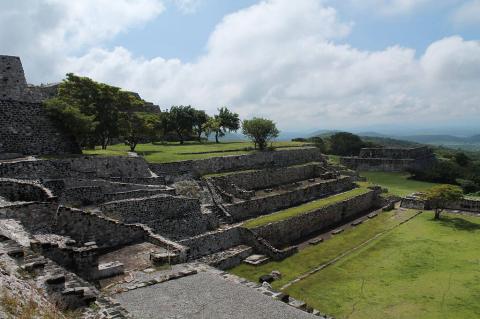
Unveiling the Mysteries of the Cultural Triangle: Guatemala's Archaeological Marvel

Deep within the lush rainforests of Guatemala's Petén Department lies an archaeological treasure trove unlike any other – the Cultural Triangle: Yaxha-Nakum-Naranjo National Park. This multidisciplinary project has brought together archaeologists, architects, conservators, restorers, biologists, and workers to unravel the secrets of one of the most densely populated regions of the Maya Classic period in Mesoamerica. This remarkable site encompasses these three gigantic Mayan cities along with 14 sub-centers.

Uxmal: The Pinnacle of Maya Architecture

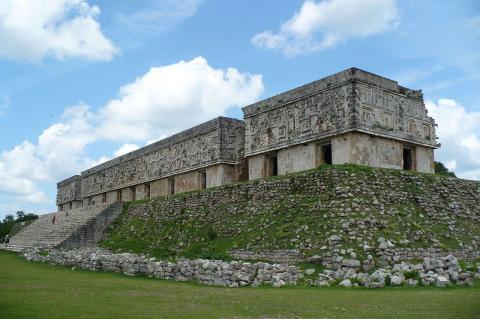
Uxmal, located in the heart of the Yucatán Peninsula, is one of the most significant archaeological sites of the ancient Maya civilization. Renowned for its distinctive architectural style, the Pre-Hispanic Town of Uxmal, a UNESCO World Heritage Site, represents the height of Maya cultural achievement during the Late Classic Period. With its intricate designs, advanced hydraulic systems, and unique astronomical orientation, Uxmal offers valuable insights into the social, political, and religious life of the Maya people.

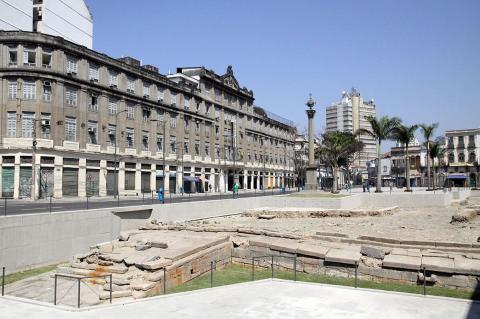
Valongo Wharf: Brazil's Gateway to a Dark Past

The Valongo Wharf Archaeological Site in Rio de Janeiro, Brazil, is a powerful reminder of one of the darkest chapters in human history: the transatlantic slave trade. Once a hub for the forced transportation of enslaved Africans to the Americas, Valongo Wharf bears witness to the suffering and exploitation endured by millions. Rediscovered during construction work, the site was designated a UNESCO World Heritage Site, recognizing its profound historical and cultural significance. The archaeological remains of the wharf serve as a place of reflection, remembrance, and education.