
The Church of Atlántida: Eladio Dieste's Brick Revolution in Uruguay
In Estación Atlántida, a semi-rural community, stands a 20th-century church by Uruguayan engineer Eladio Dieste. It uses simple bricks to create soaring walls and vaults, seeming to defy gravity. UNESCO recognizes it as an example of structural innovation and modern architecture.
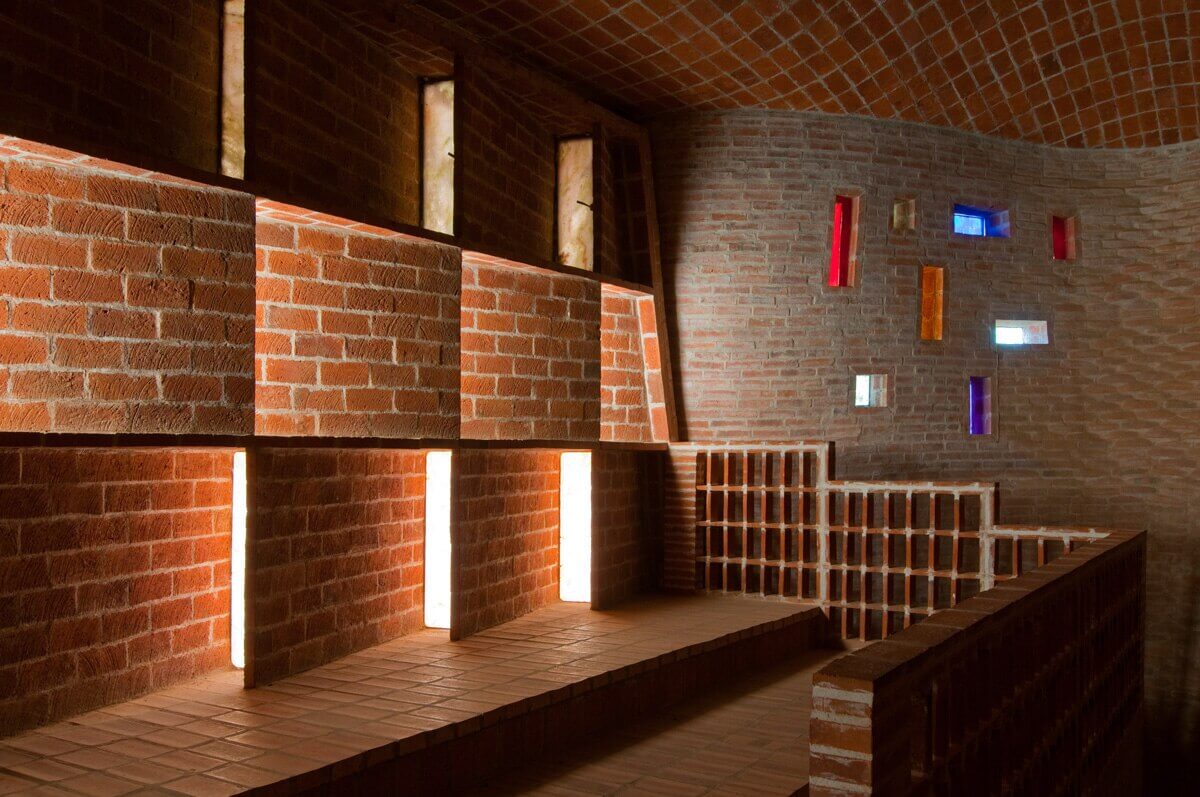
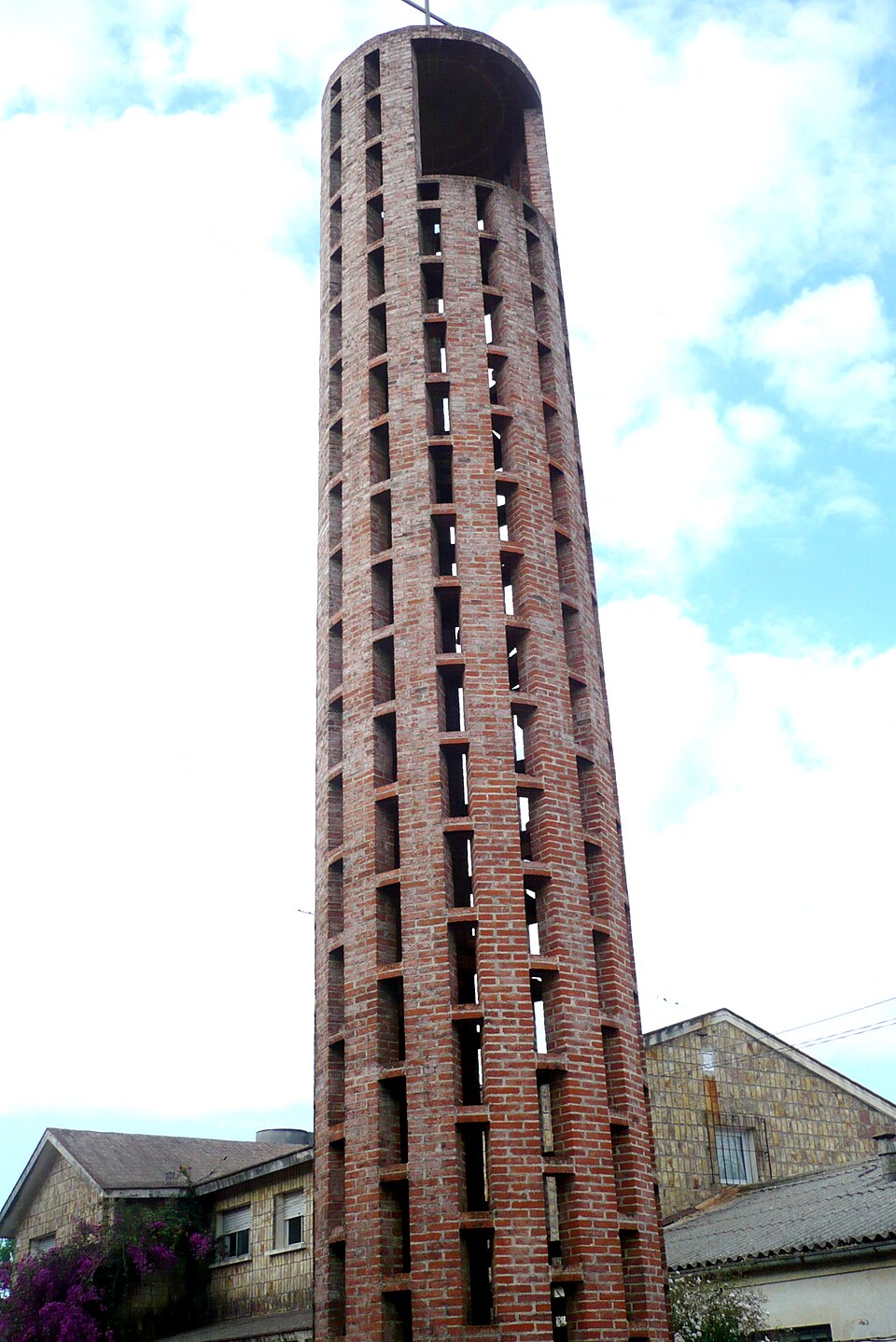
Church of Atlántida: Eladio Dieste's Masterpiece in Brick
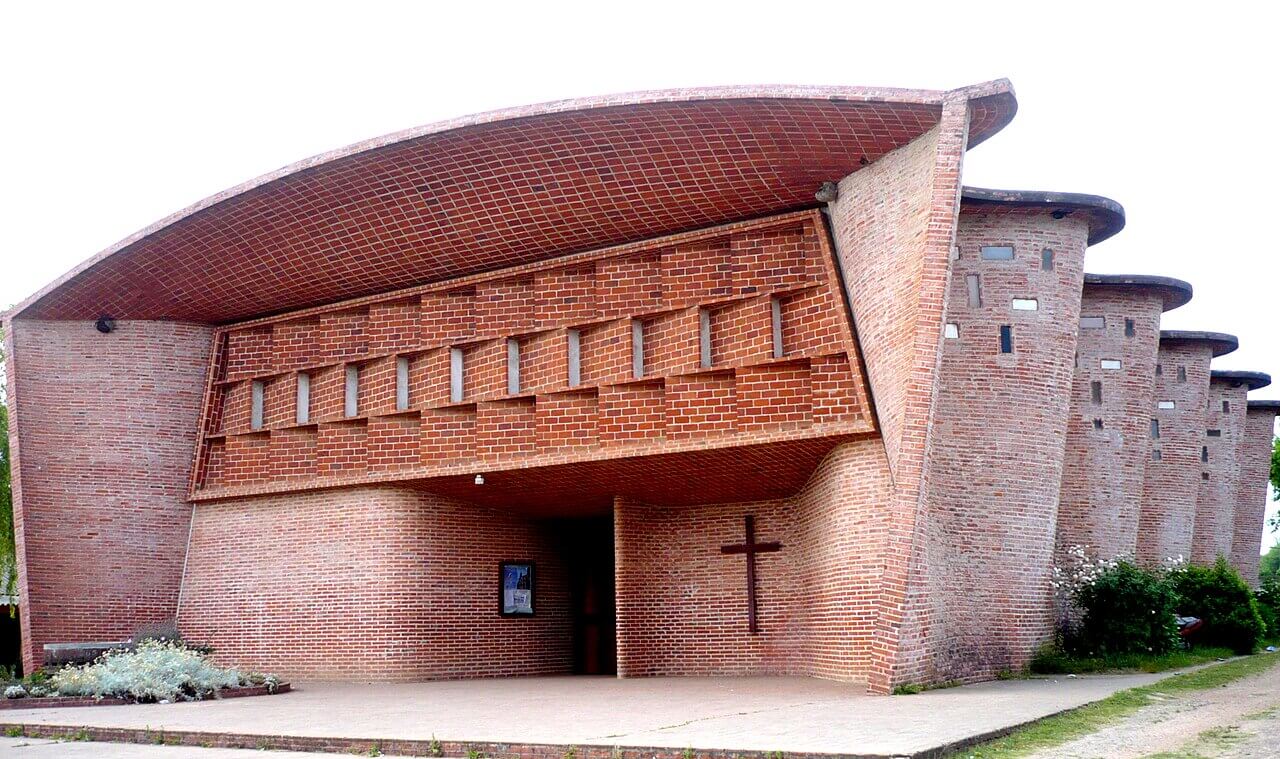
In the modest semi-rural community of Estación Atlántida, approximately 45 kilometers (28 miles) east of Montevideo, stands one of the 20th century's most remarkable architectural achievements—a church that revolutionized what could be built with the humblest of materials. The Church of Cristo Obrero y Nuestra Señora de Lourdes (Christ the Worker and Our Lady of Lourdes), designed by Uruguayan engineer Eladio Dieste and completed in 1960, transforms simple fired bricks into soaring, undulating walls and double-curved vaults that seem to defy gravity. In July 2021, UNESCO inscribed "The Work of Engineer Eladio Dieste: Church of Atlántida" on the World Heritage List, recognizing it as an outstanding example of structural innovation and modern architecture that achieved an extraordinary aesthetic effect through the spare use of resources.
Eladio Dieste: The Master of Brick
Eladio Dieste was born on December 1, 1917, in Artigas, northern Uruguay. After graduating with an engineering degree from the University of the Republic in Montevideo in 1943, he founded his own firm, Dieste & Montañez S.A., in 1955. Over five decades, the firm designed and constructed more than 150 buildings throughout Uruguay and abroad—warehouses, grain silos, markets, gymnasiums, factories, and churches—all characterized by elegant structural solutions and economic efficiency.
Dieste's approach was deeply philosophical. He believed materials should be used "with profound respect for their essence and possibilities" to achieve what he called "cosmic economy"—building in harmony with the fundamental order of the world. While many modernist architects embraced industrial materials such as reinforced concrete and steel, Dieste chose brick—an ancient, local, and affordable material rooted in Latin American building traditions.
His innovation lay in developing "reinforced ceramics"—a technique combining fired brick masonry with minimal steel reinforcement and cement mortar to create thin-shell structures of extraordinary strength. By carefully calculating loads and stresses, Dieste designed structures that resisted forces through geometry rather than mass. His most famous innovation, the Gaussian vault—named for mathematician Carl Friedrich Gauss—uses double curvature to create self-supporting roof structures from single-thickness brick.
Dieste was also a devout Christian, and his religious commissions held special meaning. He recognized in the brick's texture and color the work of humble masons, representing the faith and dignity of working people.
The Church: Design and Construction
The Church of Atlántida was Dieste's first independent architectural commission. Built between 1958 and 1960 for a lower-middle-class parish with a very modest budget, the project required maximum spatial and aesthetic impact with minimum resources.
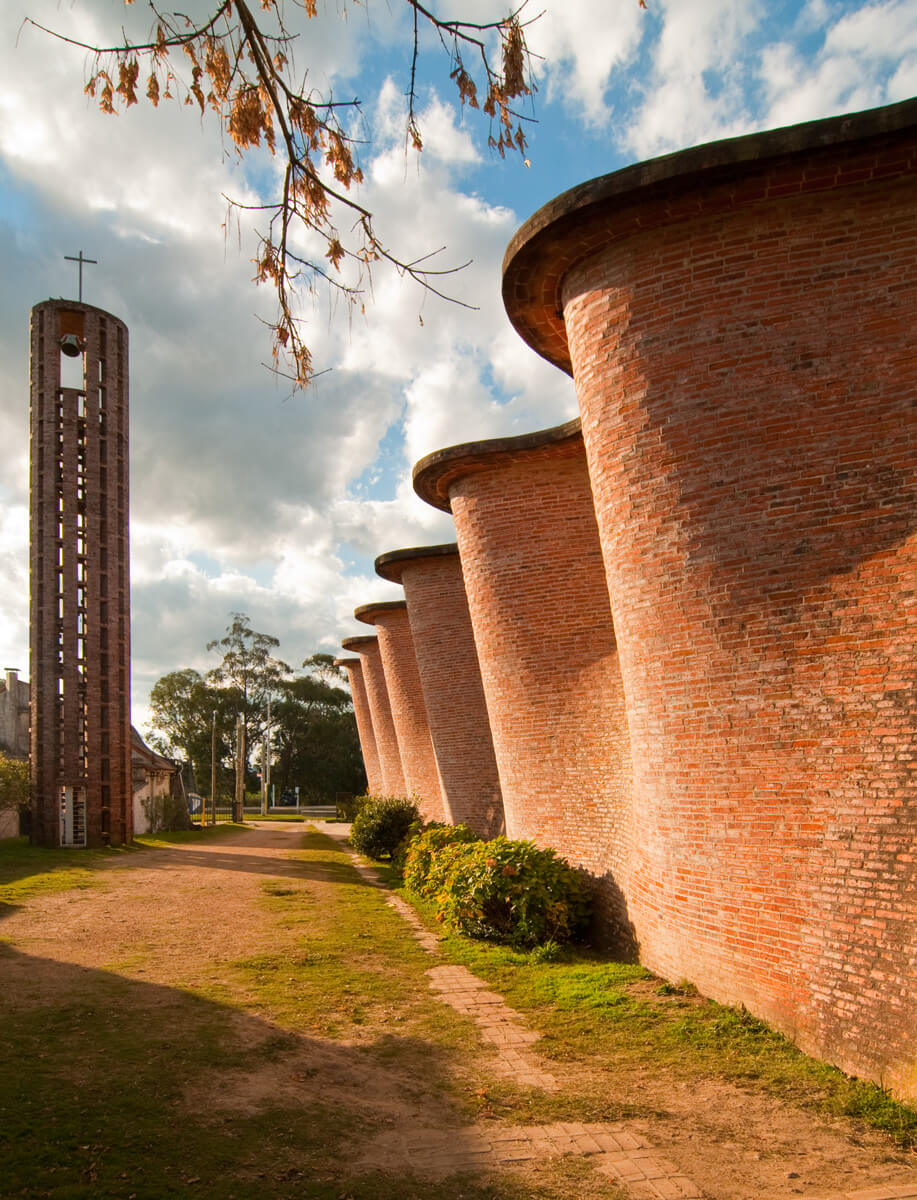
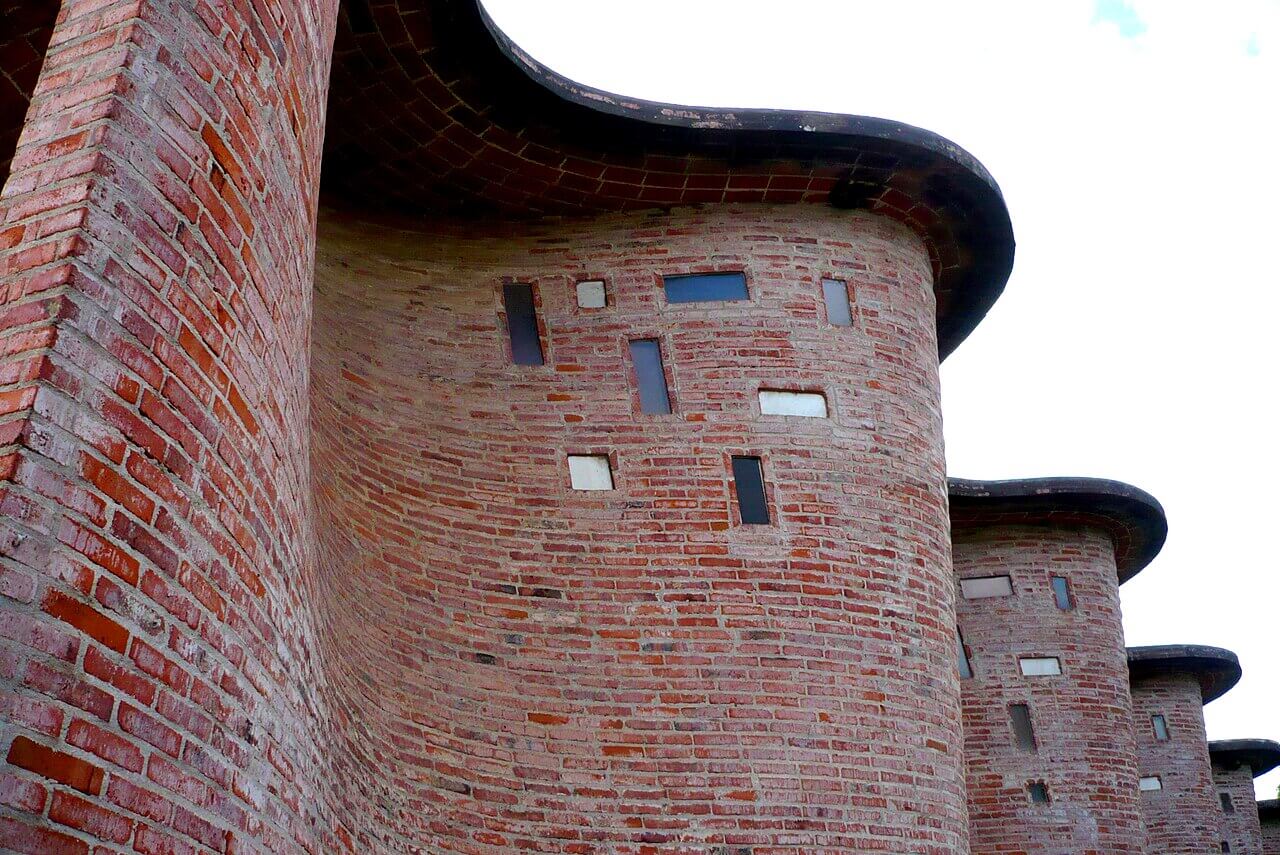
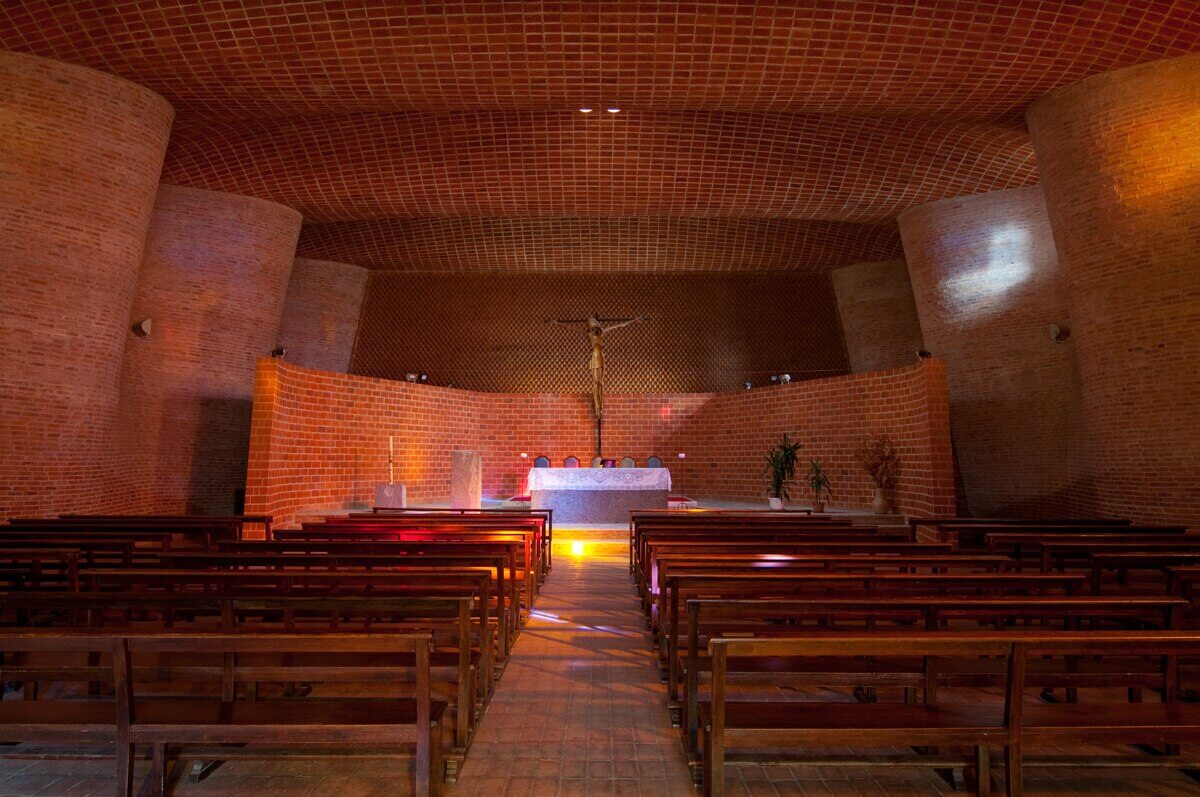
The church occupies a rectangular plan measuring approximately 30 meters by 16 meters (98 by 52 feet), creating a single nave without internal columns. The defining features are the undulating side walls—double-curved surfaces that rise 7 meters (23 feet) and undulate inward and outward. These walls are only 30 centimeters (12 inches) thick, yet they support the entire roof structure.
The roof consists of Gaussian vaults—double-curved brick shells spanning between 16 and 18.8 meters (52 to 62 feet) and only 11 centimeters (4.3 inches) thick. The vaults rise and fall in waves synchronized with the undulating walls. The entire structure uses approximately 350,000 exposed bricks, with no plaster or decoration. Narrow vertical gaps between walls allow daylight to enter, creating strips of light that enhance the sense that the walls and roof float independently.
The cylindrical bell tower stands approximately 15 meters (49 feet) tall and is built in openwork brick, creating a perforated pattern. To the left of the entrance, a triangular structure marks the entrance to the underground baptistery, illuminated by a central oculus that brings daylight into the subterranean space.
Dieste designed the church to be built entirely by local workers using local materials—crucial for both economy and community engagement. Mobile formwork allowed the thin vaults to be built progressively without permanent scaffolding.
Architectural Significance
The Church of Atlántida represents a pivotal moment in 20th-century architecture—a demonstration that modernist principles could be achieved through traditional materials rather than expensive industrial systems. Dieste designed a building of extraordinary beauty for a working-class community that could never have afforded conventional modern materials.
The structural system is inseparable from the aesthetic experience. The undulating walls and vaults create a sense of movement and organic vitality, transforming a simple rectangular hall into a space of profound spiritual impact. The exposed brick construction celebrates craftsmanship and human labor rather than hiding them behind finished surfaces.
The church also represents an early example of sustainable architecture. By utilizing local materials, minimizing resource consumption through structural efficiency, and employing local labor, Dieste created a building with low environmental impact and strong connections to place and community.
UNESCO World Heritage Inscription
On July 27, 2021, UNESCO inscribed the Church of Atlántida on the World Heritage List under criterion (iv), recognizing it as "the highest spatial and aesthetic expression of a construction and technological innovation—the reinforced brickwork coupled with the mobile formwork—that draws from tradition, whilst reinterpreting and innovating it."
The designation acknowledges several outstanding universal values: innovative structural engineering producing architecture of profound aesthetic power, modernist architecture adapted to local contexts and economic conditions, and humanistic principles prioritizing social equity over architectural fashion.
Conservation and Visiting
The church remains an active parish church, making it a living heritage site. The Instituto del Patrimonio Nacional oversees conservation efforts in coordination with the Catholic Diocese of Canelones. Recent conservation work has addressed groundwater affecting the underground baptistery, with UNESCO and the Municipality of Canelones implementing monitoring systems to ensure structural stability.
The church is open to visitors Monday through Friday from 8:00 AM to 4:00 PM, with guided tours available on Thursdays at 3:15 PM, 4:15 PM, 5:15 PM, and 6:00 PM, and Saturdays at 3:15 PM, 4:15 PM, 5:15 PM, and 6:30 PM. No admission fee is charged. Visitors are asked to respect the building's religious function during services.
Access from Montevideo is straightforward via buses heading east toward Maldonado and Punta del Este, stopping at the Atlántida crossroads on Route 11. From there, visitors walk approximately 3 kilometers (1.9 miles) north to Estación Atlántida. The journey takes approximately 45 minutes to one hour.
Legacy and Influence
Eladio Dieste died on July 29, 2000, but his influence continues to grow. His work is studied at architecture and engineering schools worldwide as an example of how structural innovation, material economy, and social responsibility can converge to produce buildings of lasting significance.
The Church of Atlántida inspired architects to reconsider the potential of masonry construction and to question assumptions about material hierarchies in modern architecture. It demonstrates that innovation doesn't necessarily require new materials or advanced technology—sometimes it requires a deeper understanding of traditional materials and a willingness to push their limits.
For Uruguay, the UNESCO designation represents international recognition of a distinctly Uruguayan contribution to world architecture. The church stands as proof that extraordinary architecture can emerge from anywhere when talent, opportunity, and commitment align in service of communities and their spiritual needs.