The Sierra Madre Oriental: The Eastern Highlands of Mexico
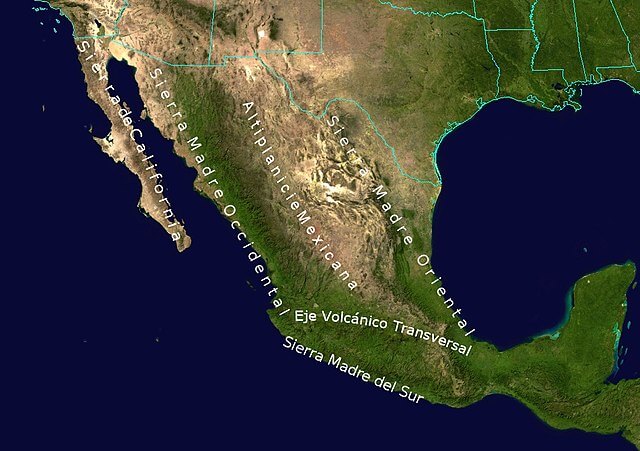
The Sierra Madre Oriental parallels Mexico's Gulf Coast, crucial for the country's geography, ecology, and culture. It stretches from Coahuila near the U.S.-Mexico border to Puebla, part of the Sierra Madre Mountain System. With steep slopes and varied ecosystems, it defines Mexico's eastern landscape.
From Peaks to Valleys: Exploring the Sierra Madre Oriental
The Sierra Madre Oriental, stretching parallel to Mexico's Gulf Coast, is vital to the country's geography, ecology, and cultural heritage. Extending approximately 1,000 kilometers (620 miles) from the northern state of Coahuila near the U.S.-Mexico border to the state of Puebla in central Mexico, this mountain range forms part of the greater Sierra Madre Mountain System, alongside the Sierra Madre Occidental and Sierra Madre del Sur. Renowned for its steep slopes, diverse ecosystems, and cultural significance, the Sierra Madre Oriental is critical in shaping Mexico's eastern landscape.
Geographical Features
A Rugged Landscape
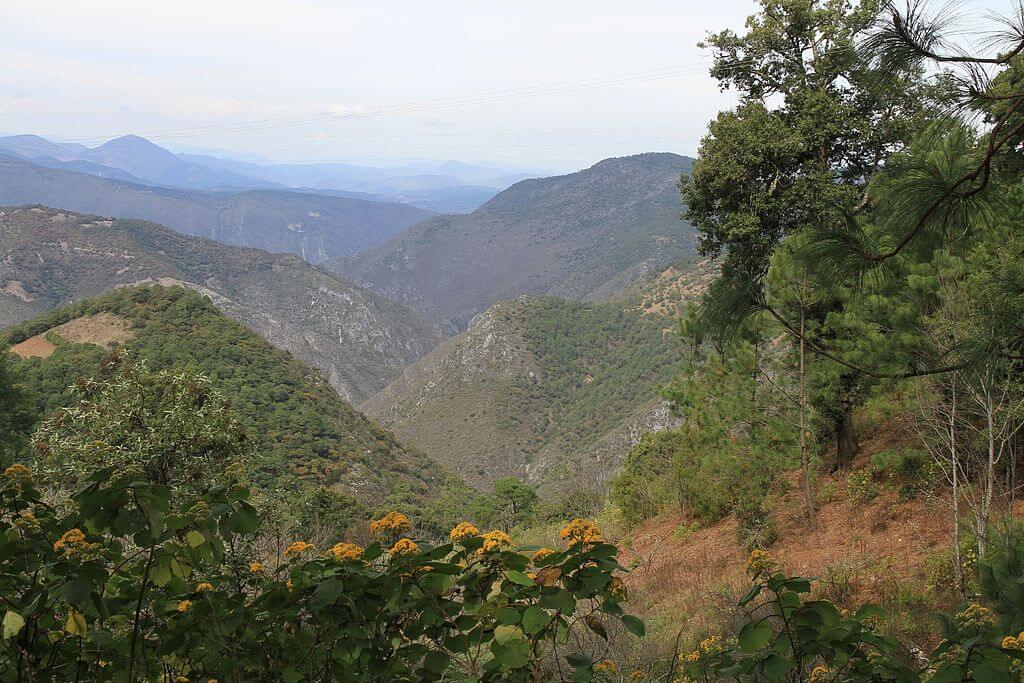
The Sierra Madre Oriental is characterized by its dramatic peaks, deep valleys, and rolling plateaus. Peaks frequently exceed 3,000 meters, with the highest being Cerro El Potosí at 3,721 meters (12,208 feet). The range forms a natural barrier between the coastal plains of the Gulf of Mexico and the Mexican Plateau, influencing climate patterns and hydrology in the region.
The terrain is intersected by rivers, including the Pánuco, Soto la Marina, and Moctezuma, which carve deep canyons and provide essential water resources for agriculture and settlements. Its southern section merges into the Trans-Mexican Volcanic Belt, creating a transitional zone of volcanic peaks and fertile valleys.
The Continental Divide
The Sierra Madre Oriental is also part of the Continental Divide of the Americas, meaning its ridges determine the direction of water flow. Rivers on its eastern slopes flow toward the Gulf of Mexico, while those on its western side contribute to the interior drainage of the Mexican Plateau. This hydrological function underscores the range's importance to Mexico's water systems and agriculture.
Ecological Significance
Biodiversity Hotspot
The Sierra Madre Oriental boasts a wide variety of climates, from temperate zones at higher altitudes to tropical and semi-arid areas at lower elevations. This diversity fosters an array of ecosystems, including pine–oak forests, cloud forests, and tropical dry forests. These habitats support numerous plant and animal species, many of which are endemic to the region.
Cloud forests, in particular, are rich in biodiversity and play a crucial role in water regulation and carbon storage. Endangered species such as jaguars, ocelots, and military macaws find refuge within these forests. The range also supports economically valuable flora like agave, which is used in the production of tequila and mezcal.
Cultural and Historical Importance
Indigenous Heritage
For thousands of years, the Sierra Madre Oriental has been home to Indigenous communities, including the Huastec and Totonac peoples. These groups developed sophisticated agricultural practices adapted to the mountainous terrain and established settlements that thrived on the range's resources.
Today, Indigenous traditions persist in the region, particularly in the states of Veracruz and Hidalgo, where ceremonies, crafts, and languages reflect a deep connection to the land. Important cultural sites, such as the archaeological ruins of El Tajín, are nestled within the foothills of the Sierra Madre Oriental.
Historical Role
During the colonial era, the Sierra Madre Oriental was a significant source of silver and other minerals, fueling the Spanish economy. Mining towns such as Real del Monte in Hidalgo became centers of economic activity and left behind a legacy of colonial architecture and cultural influences.
The rugged terrain of the Sierra Madre Oriental has also served as a natural refuge for revolutionary movements and Indigenous resistance, shaping Mexico's history.
Economic Contributions
Agriculture
The fertile valleys and plateaus of the Sierra Madre Oriental are vital for agriculture. Crops such as sugarcane, coffee, and citrus fruits thrive in the region's varied climates. The range also supports livestock grazing in its highland pastures.
Tourism and Ecotourism
Tourism is an increasingly important industry in the Sierra Madre Oriental. Attractions include the waterfalls of Huasteca Potosina, the archaeological sites of Tajín and Cantona, and the scenic mountain towns of Hidalgo. Ecotourism, in particular, draws visitors to explore the region's cloud forests, rivers, and caves, promoting conservation while benefiting local economies.
Mining
Mining remains a significant economic activity in the Sierra Madre Oriental, with deposits of silver, zinc, and other minerals being extracted. However, modern mining operations have raised concerns about environmental degradation and social impacts on local communities.
Environmental Challenges
The Sierra Madre Oriental faces several environmental threats, including deforestation, mining pollution, and climate change. Logging and agricultural expansion have led to habitat loss, endangering species that rely on the range's ecosystems. Additionally, the over-extraction of water resources poses a threat to both human populations and the environment.
Conservation efforts, such as reforestation projects and the establishment of protected areas, aim to address these challenges. However, balancing economic development with ecological preservation remains a complex issue.
Conclusion
The Sierra Madre Oriental is more than just a mountain range—it is a cornerstone of Mexico's natural, cultural, and economic heritage. Its striking landscapes, rich biodiversity, and deep historical roots make it vital to the country's identity. Preserving this range's ecological and cultural integrity of this range will be essential for ensuring its continued significance to Mexico and the world.