Colombia

The Emerald Embrace: Exploring Colombia's Pacific/Chocó Natural Region

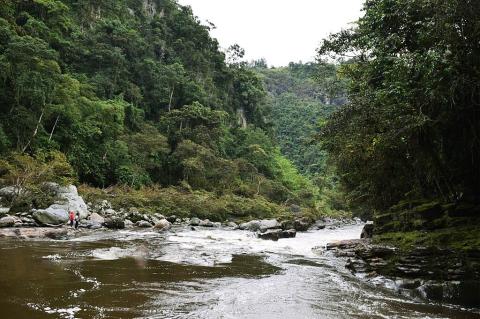
Colombia's Pacific/Chocó Natural Region is a vital biodiversity sanctuary along the western coastline. Known as the "Colombian Chocó," it features a warm, humid climate, dense rainforests, river systems, swamps, and mangroves along the Pacific Ocean. Bordered by the Cordillera Occidental to the east and stretching from the Darién Gap and Panama in the north to Ecuador in the south, the Chocó showcases remarkable ecological diversity, influenced by unique evolutionary and environmental factors.

The Endless Horizon: Exploring Colombia's Orinoco Natural Region

Colombia's Orinoco Natural Region, also known as the Orinoquía or the Eastern Plains, is a vast and sparsely populated expanse stretching east of the majestic Andes Mountains. Forming part of the immense Llanos, a tropical grassland plain shared with Venezuela, this region is defined by its flat, open savannas, integral connection to the Orinoco River watershed, and unique biodiversity adapted to the seasonal wet and dry cycles. While less densely populated than other Colombian regions, the Orinoquía holds significant ecological importance.

The Green Heart of Colombia: Exploring the Amazon Natural Region

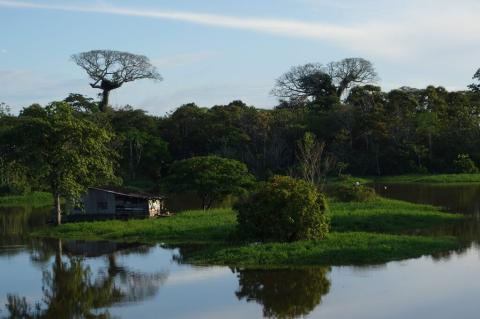
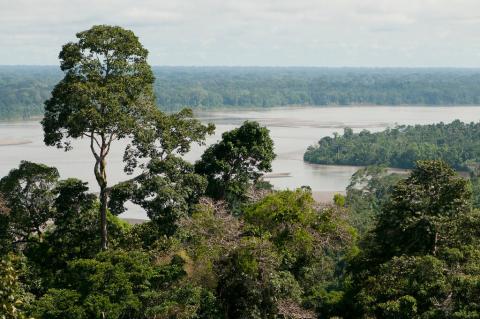
Colombia's Amazon Natural Region, a sprawling expanse in the country's southern reaches, is overwhelmingly dominated by dense, biodiverse tropical rainforest, bounded to the west by the eastern slopes of the Cordillera Oriental of the Colombian Andes and extending eastward to the borders with Venezuela and Brazil. As the most heavily forested and least populated of Colombia's natural regions, the Amazon Natural Region is a critical global lung, boasting unparalleled biodiversity and intricate ecological processes.

The Guiana Shield: A Billion-Year Legacy of Stone and Life

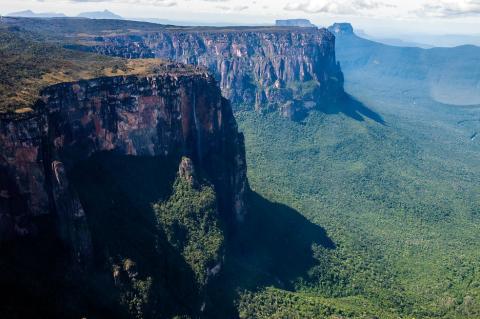
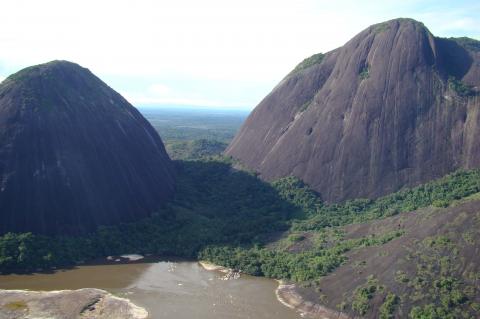
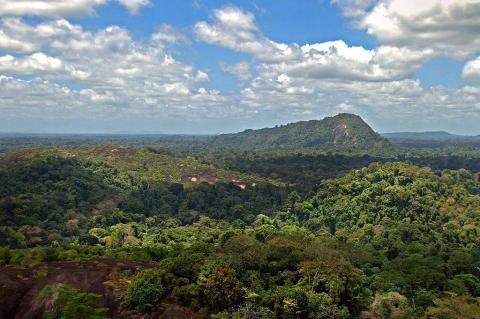
Draped across the northeastern corner of South America, the Guiana Shield stands as a profound testament to the Earth's deep history, a geological and ecological symphony played out over eons. Forged in the fiery depths of the Precambrian eon, dating back an astonishing 1.7 billion years, this ancient geological formation forms a stable craton, a foundational block of the South American Plate, shaping the very bedrock and landscapes of Guyana, Suriname, French Guiana, Venezuela, Colombia, and Brazil.

The Icy Giants of the Colombian Andes: Exploring the Sierra Nevada de Güicán, El Cocuy, and Chita

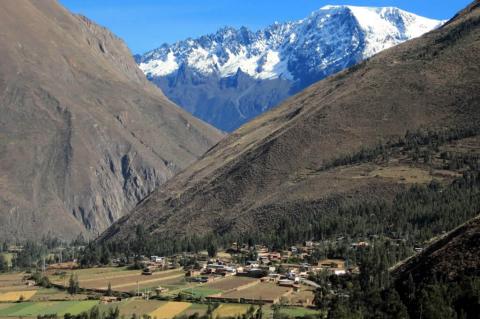
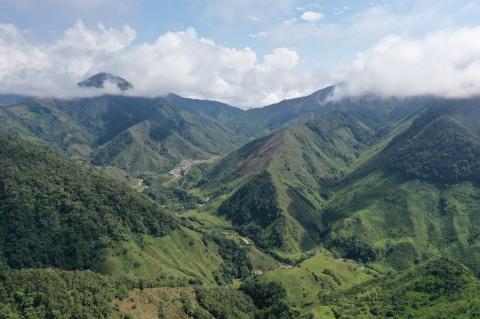
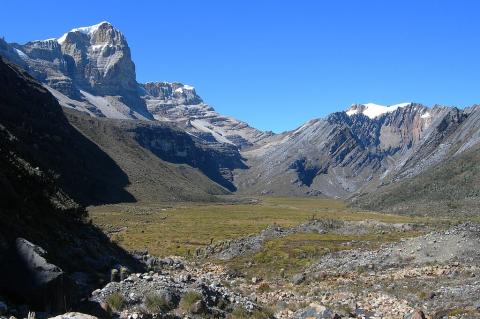
The Sierra Nevada de Güicán, El Cocuy, and Chita is a breathtaking range within the Andes Mountains of Colombia. This range, known for its stunning snow-capped peaks and glacial landscapes, is Colombia's largest glacial mass and the largest in South America north of the equator. This range holds deep cultural significance for the indigenous U'wa people and is a haven for biodiversity. Its awe-inspiring beauty and ecological and cultural importance make it one of Colombia's most treasured natural landmarks.

The Magdalena-Urabá Moist Forests: A Biodiversity Treasure of Colombia

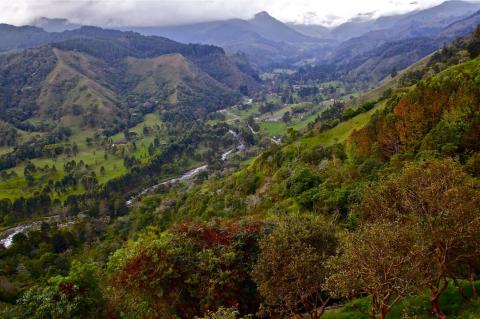
Nestled along the Caribbean coast of northern Colombia, the Magdalena-Urabá moist forests ecoregion is a remarkable and diverse ecosystem that is part of the more significant Tumbes-Chocó-Magdalena biodiversity hotspot. This lush and verdant region, stretching from the Magdalena River valley to the Gulf of Urabá, is a testament to Colombia's incredible natural wealth, offering a glimpse into the country's rich biological heritage.

The Napo Moist Forests: A Biodiversity Hotspot in the Amazon Basin

The Napo Moist Forests ecoregion, a lush and diverse expanse of tropical rainforest, is located in the western Amazon Basin, primarily within Ecuador and Peru, extending into southern Colombia. This ecoregion, known for its unparalleled biodiversity, encompasses a variety of habitats, from lowland rainforests to montane forests, supporting an incredible array of flora and fauna. The region's ecological significance and cultural heritage make research and protection vital.

The Northern Andean Páramo: A High-Altitude Sanctuary of Biodiversity

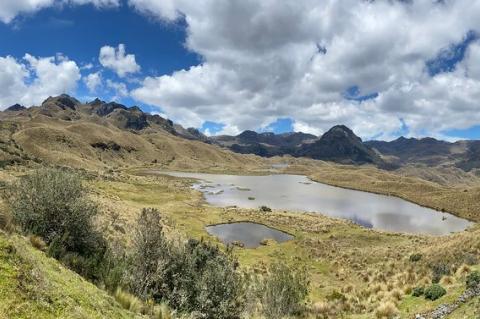
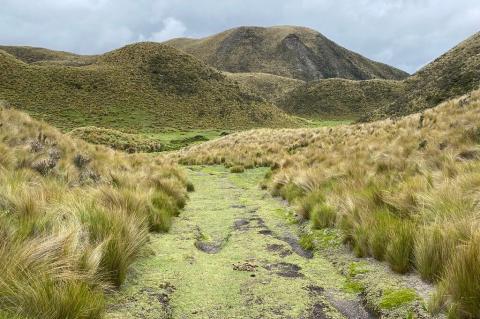
Soaring high above Colombia and Ecuador's cloud forests and montane landscapes, the Northern Andean páramo is a truly remarkable and unique ecoregion. This vast expanse of high-altitude grasslands, wetlands, and shrublands is a vital component of the Andes ecosystem and a global biodiversity hotspot teeming with an array of specialized plant and animal life found nowhere else on Earth.

The Orinoco River: South America's Arc of Life

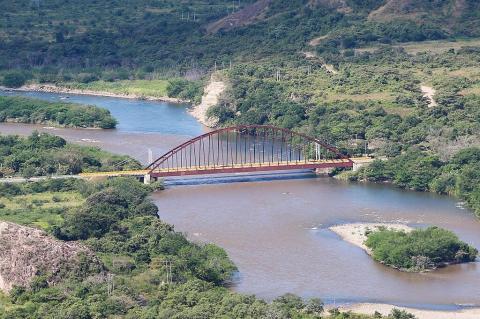
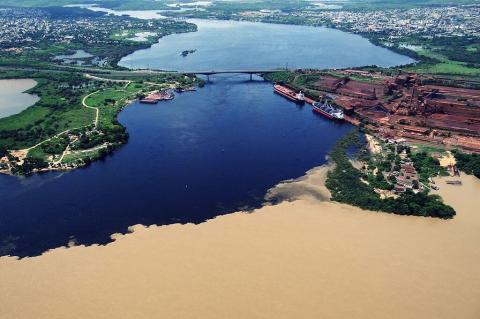
The Orinoco River, one of South America's largest and most significant rivers, winds through Venezuela and Colombia, serving as a crucial waterway for transportation and sustenance. Originating in the Sierra Parima mountains of the Guiana Highlands, the Orinoco flows through some of the most biodiverse and ecologically important regions in northern South America before reaching its vast delta and emptying into the Atlantic Ocean. The river and its basin are vital natural resources, supporting rich ecosystems, indigenous cultures, and human populations.

The Pan-American Highway: Linking North, Central, and South America

Stretching from the frozen tundras of Alaska to the windswept landscapes of Tierra del Fuego, the Pan-American Highway is a testament to human ingenuity and the indomitable spirit of connectivity. This vast network of roads is one of the most extensive and ambitious transportation systems ever conceived, serving as a vital artery for trade, tourism, and cultural exchange across the Americas. Despite the monumental achievements of the highway, a formidable obstacle remains – the Darién Gap.