Historical & Cultural Landmarks in Mexico

Puebla: The Baroque Heart of Mexico

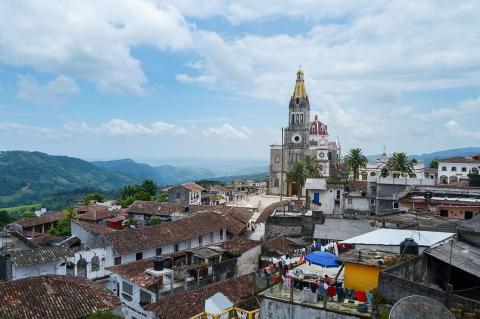
Puebla, located in central Mexico, is a vibrant blend of history, culture, and architectural splendor. Founded in 1531, Puebla has become one of Mexico's most important cities, known for its colonial-era buildings, rich cultural traditions, and significant historical events. Its location near the iconic Popocatépetl volcano provides a stunning natural backdrop and influences the region's climate and culture. The Historic Center of Puebla, designated as a UNESCO site, is renowned for its well-preserved baroque architecture, beautiful churches, and vibrant plazas.

Querétaro: A Colonial Masterpiece of Harmony and History

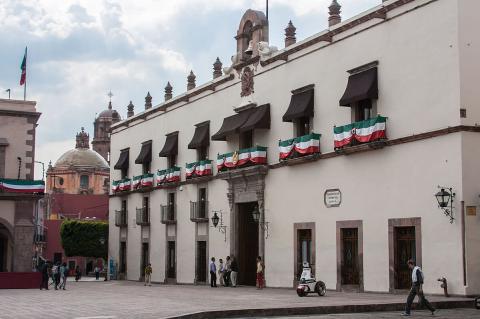
Querétaro City, located in the heart of central Mexico, is a city steeped in history and architectural splendor. Querétaro is a vibrant testament to the convergence of Spanish colonial influence and Indigenous cultural heritage. Recognized as a UNESCO World Heritage Site, the city's Historic Monuments Zone is an exceptional example of a colonial town whose unique urban layout and rich cultural tapestry continue to captivate visitors and scholars alike.

San Miguel de Allende: Weaving the Threads of Mexican History, Culture, and Architectural Splendor

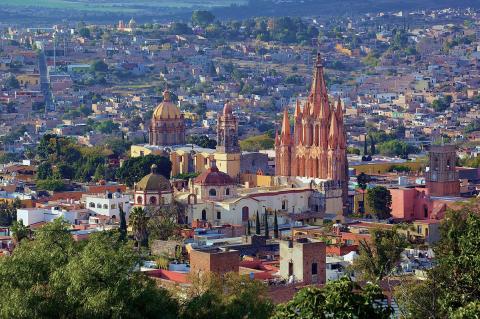
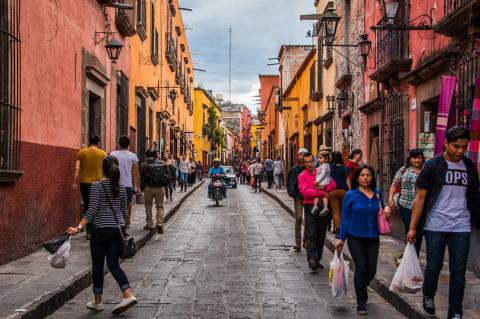
Situated in the highlands of the Bajío region, San Miguel de Allende, a city in the eastern part of Guanajuato, Mexico, offers a captivating blend of history, culture, and architectural elegance. Closely linked with the nearby Sanctuary of Jesús Nazareno de Atotonilco, the city is a testament to the vibrant legacy of Mexican Baroque art and its pivotal role in the country's historical narrative. Recognized as a UNESCO World Heritage Site, San Miguel de Allende is a living testament to the convergence of diverse cultures.

Tehuacán-Cuicatlán Valley: A Nexus of Ecology and Culture

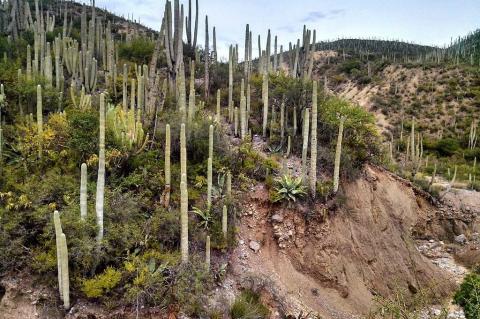
The Tehuacán-Cuicatlán Valley in southern Mexico showcases the intricate interaction between human societies and the environment. It is a UNESCO Biosphere Reserve and a World Heritage Site, known for its biodiversity, ancient agricultural practices, and enduring Indigenous traditions. Spanning the states of Puebla and Oaxaca, this valley offers a profound glimpse into the ecological and cultural wealth that has shaped the region for millennia.

Teotihuacán: The Ancient Metropolis of Mesoamerica

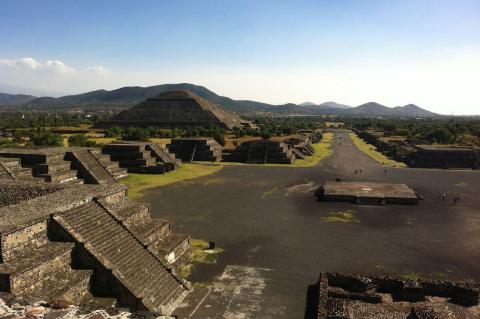
Teotihuacán, the ancient city in the Valley of Mexico, is one of the most significant and enigmatic archaeological sites in the Americas. Renowned for its immense pyramids, intricate urban planning, and profound cultural legacy, this pre-Hispanic metropolis dominated the landscape of ancient Mesoamerica. At its height, Teotihuacán was a center of trade, religion, and power and the largest city in the pre-Columbian Americas. Its influence resonated throughout the region, leaving an indelible mark on subsequent civilizations.

The Agave Region of Mexico: A Cultural and Botanical Marvel

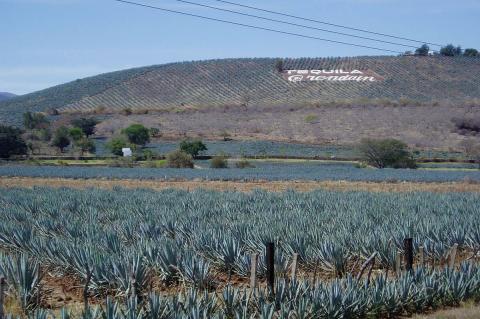
Mexico's agave region, centered on the UNESCO-listed Agave Cultural Landscape of Tequila, stands as a testament to the country's rich biodiversity and cultural heritage, offering a landscape shaped by nature and human endeavor. From its rugged terrains to the artisanal traditions deeply rooted in agave cultivation, this region represents a harmonious blend of natural beauty and human ingenuity.

The Aqueduct of Padre Tembleque: A Hydraulic Masterpiece

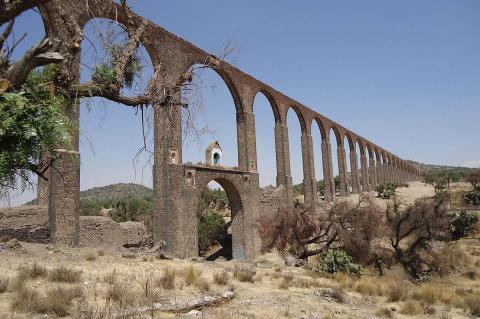
The Aqueduct of Padre Tembleque, named after the Franciscan friar Francisco de Tembleque, is a remarkable example of water conduction engineering in the Americas. Constructed between 1555 and 1572, it spans the states of Mexico and Hidalgo in the Central Mexican Plateau. Recognized as a UNESCO site, the aqueduct represents a unique blend of European and indigenous engineering traditions, showcasing an impressive combination of Roman hydraulic principles and Mesoamerican construction techniques.

The Legacy of the Camino Real de Tierra Adentro

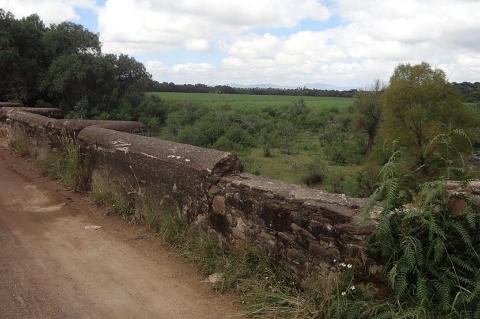
The Camino Real de Tierra Adentro, also known as the Silver Route, is a significant part of Mexico's history, reflecting its economic, cultural, and social evolution over three centuries. This royal inland road was the northernmost of four major "royal roads," linking Mexico City with key mining regions. Its primary purpose was transporting silver and mercury, but the route became a critical artery for cultural and social exchanges between Spanish settlers and indigenous communities.

The Pan-American Highway: Linking North, Central, and South America

Stretching from the frozen tundras of Alaska to the windswept landscapes of Tierra del Fuego, the Pan-American Highway is a testament to human ingenuity and the indomitable spirit of connectivity. This vast network of roads is one of the most extensive and ambitious transportation systems ever conceived, serving as a vital artery for trade, tourism, and cultural exchange across the Americas. Despite the monumental achievements of the highway, a formidable obstacle remains – the Darién Gap.

The Valley of Mexico: Where Ancient Civilizations Thrived

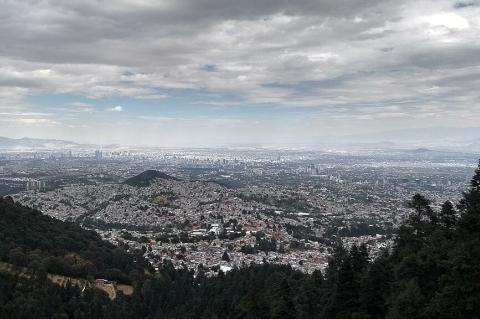
The Valley of Mexico, located within the Trans-Mexican Volcanic Belt, is a closed basin that has been a focal point of human settlement and cultural development for thousands of years. Its fertile volcanic soils have attracted and sustained complex societies, leaving an indelible mark on the history and heritage of Mesoamerica. From the ancient city of Teotihuacán to the majestic capital of the Aztec Empire, the Valley of Mexico has been the cradle of civilization and a cultural epicenter. It continues to thrive as the vibrant heart of Mexico.