Landforms of Argentina

The Paraguay River: Lifeline of South America

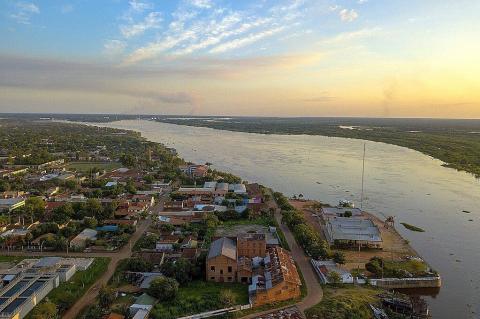
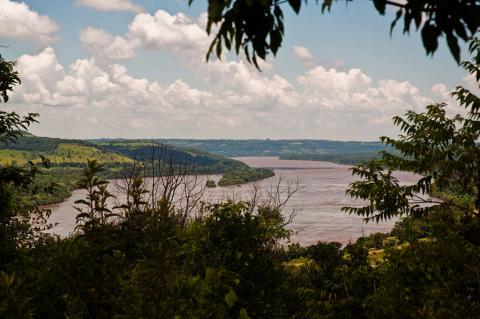
The Paraguay River, South America's fifth-largest river, is vital for the continent's southern regions. From its source in Brazil to its confluence with the Paraná River in Argentina, the river flows through Brazil, Paraguay, and Argentina. The river not only serves as a critical geographical feature but also demarcates national borders and influences the livelihoods of millions, making it one of the most significant waterways on the continent. It is crucial in maintaining biodiversity, especially in the Pantanal, one of the world's most ecologically diverse wetlands.

The Paraná River: Lifeblood of South America

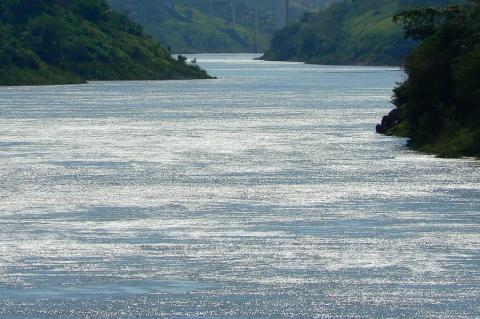
The Paraná River is an extraordinary natural feature, the second-longest river in South America after the Amazon. It traverses Brazil, Paraguay, and Argentina. Originating in southern Brazil, the Paraná River flows generally southward until it merges with the Uruguay River to form the Río de la Plata at the border of Argentina and Uruguay. This extensive river system and its encompassing basin play crucial roles in the region's environmental, economic, and cultural landscapes.

The Patagonian and Fuegian Andes: Spine of the World's End

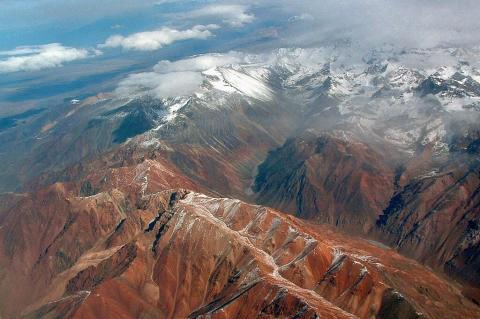
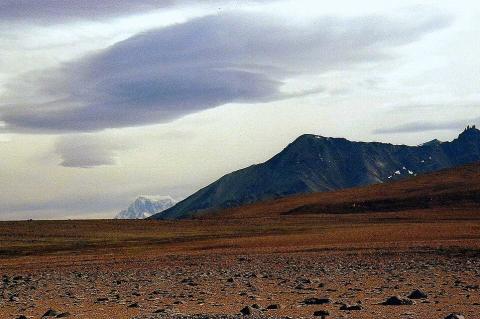
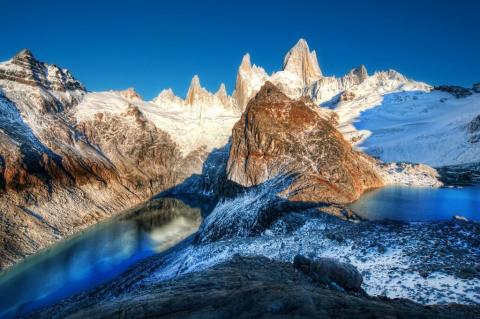
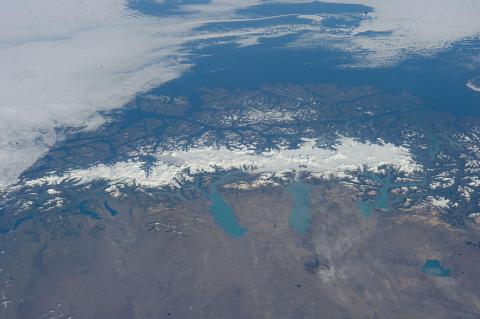
Rising from the steppes of southern Argentina and Chile like a serrated blade cleaving sky from earth, the Patagonian and Fuegian Andes form a spectacular and complex mountain system. This southern extension of the Andean chain features dramatic landscapes, towering granite spires, ancient ice fields, and active volcanic peaks that reshape the continent. These mountains serve as a living laboratory of planetary processes, a refuge for unique ecosystems, and a testament to the powerful natural forces that have shaped our world.

The Pilcomayo River: A Lifeline Traversing South America

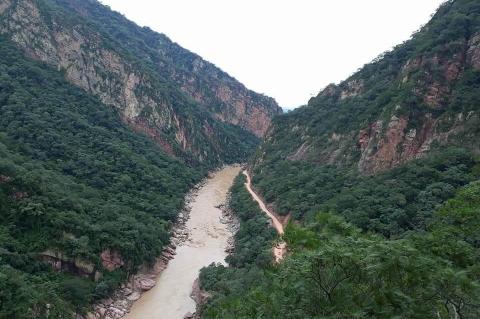
Winding its way through the heart of South America, the Pilcomayo River stands as a vital watercourse that interweaves the landscapes and ecosystems of Argentina, Bolivia, and Paraguay. Originating from the Andes, this remarkable river embarks on a journey that not only shapes the physical terrain but also sustains a rich tapestry of biodiversity, leaving an indelible mark on the diverse regions it traverses.

The Río de la Plata: A Confluence of Majesty

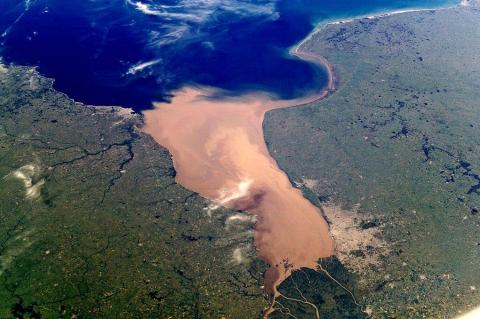
Carving a vast and imposing presence along the southeastern coastline of South America, the Río de la Plata stands as a monumental estuary and drainage basin, a tapering intrusion of the Atlantic Ocean stretching its embrace between Uruguay and Argentina. This immense waterway, often regarded as a gulf, a marginal sea, or even the widest river in the world, is a testament to the continent's awe-inspiring natural grandeur.

The Sierras Pampeanas: Unveiling Argentina's Diverse Landscape and Heritage

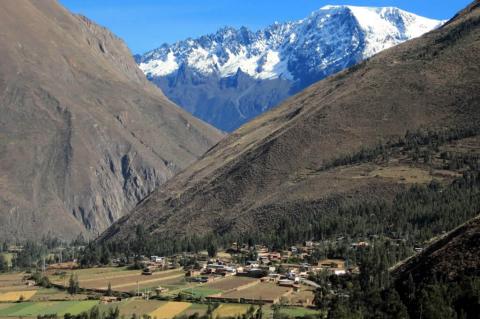
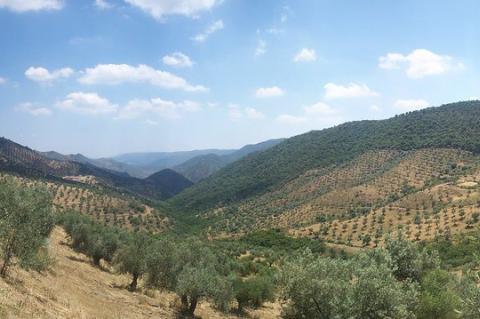
Stretching across northwestern Argentina, the Sierras Pampeanas, also known as the Central Sierras, present a mesmerizing tapestry of geographical features, flora, and fauna. This expansive mountain range rises abruptly from the surrounding Pampas region, extending parallel to the towering Andes Mountains. Encompassing seven Argentine provinces, the Sierras Pampeanas region is characterized by its rugged terrain, diverse ecosystems, and rich biodiversity.

The Southern Patagonian Ice Field: A Colossal Glacier of the Andes

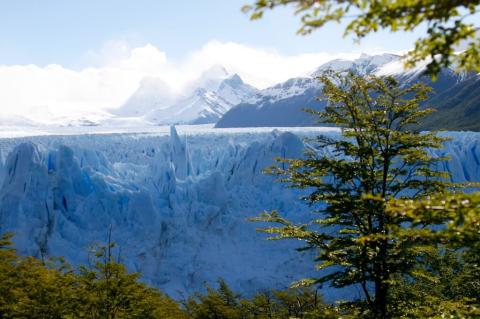
The Southern Patagonian Ice Field is a breathtaking and monumental testament to the power of glacial forces, stretching along the southern Andes Mountains between Chile and Argentina. As the world's third-largest expanse of continental ice, after the Antarctic and Greenland ice sheets, it represents the grander of the two surviving remnants of the vast Patagonian Ice Sheet. Its immense scale, dramatic outlet glaciers, and profound ecological significance make it a jewel of the Patagonian wilderness.

The Uruguay River: A Vital Waterway of South America

The Uruguay River is a significant fluvial system in South America. It stretches from its headwaters in Brazil's coastal range to its confluence with the Río de la Plata. As a natural boundary between Brazil, Uruguay, and Argentina, the river plays a crucial role in the region's geography, economy, and ecology. An exploration of the Uruguay River reveals its origins, course through diverse landscapes, ecological significance, and role in regional development.

Tierra del Fuego: The Last Frontier at the End of the World

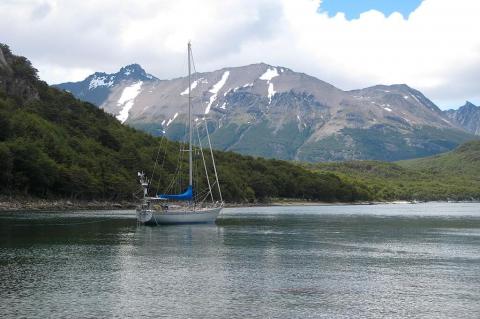
At the southernmost tip of South America, where the continent fragments into islands across turbulent seas, lies one of Earth's most enigmatic regions. Tierra del Fuego—the "Land of Fire"—testifies to the planet's savage beauty and complexity. This archipelago, shaped by geological forces and millennia of ice and wind, embodies humanity's fascination with the edges of the known world, where civilization yields to wilderness and the elements conspire against habitation.