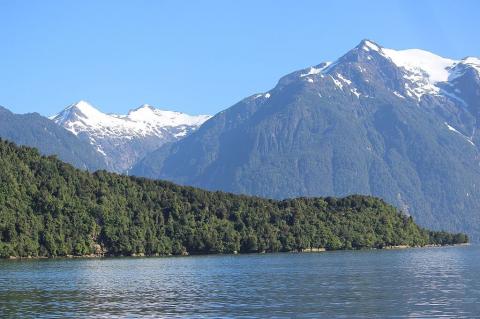
Landforms of Chile

The Chilean and Argentine Andes: A Towering Realm of Extremes and Natural Wonders

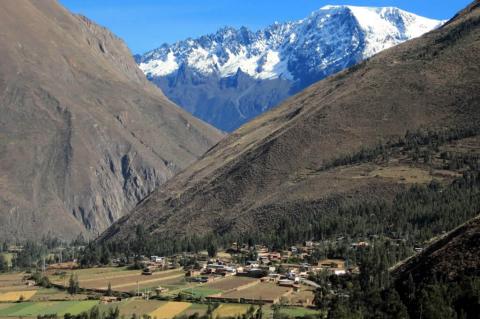
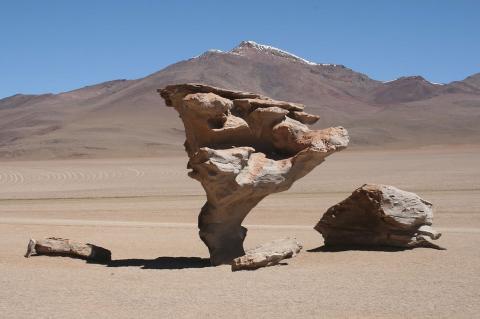
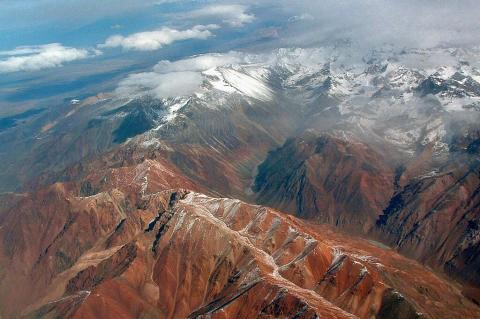
Stretching like a mighty spine along the western edge of South America, the Andes Mountain Range stands as a towering testament to nature's grandeur and complexity. This colossal cordillera, spanning seven countries, encompasses some of the planet's most extreme and diverse landscapes. At the heart of this vast mountain system lies the Chilean and Argentine Andes, where the borders between these two nations are defined by soaring peaks, glacial valleys, and landscapes that oscillate between the arid desolation of the Dry Andes and lush, verdant splendor of the Wet Andes.

The Chilean Coastal Range and Central Valley: Chile's Geographic Foundation

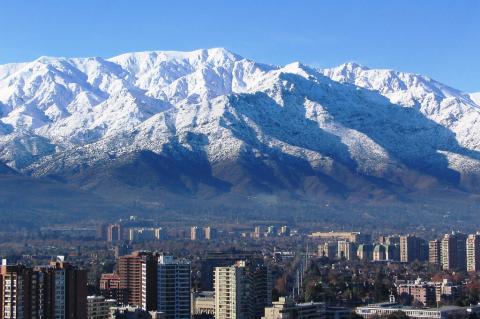
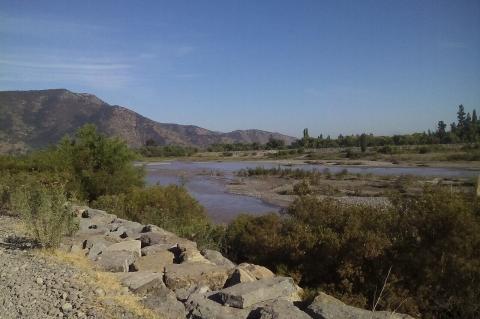
The Chilean Coastal Range and Central Valley are two distinct geographic features that run parallel along the length of Chile, shaping the country's climate, agriculture, and urban development. The Coastal Range acts as a barrier between the Pacific Ocean and the interior, while the Central Valley lies between these coastal mountains and the towering Andes, forming Chile's most fertile and populated corridor. Together, they influence where rain falls, forests grow, crops thrive, and cities develop—defining one of South America's most unique geographic regions.

The Enchanting Elqui Valley and Historic Pisco Elqui

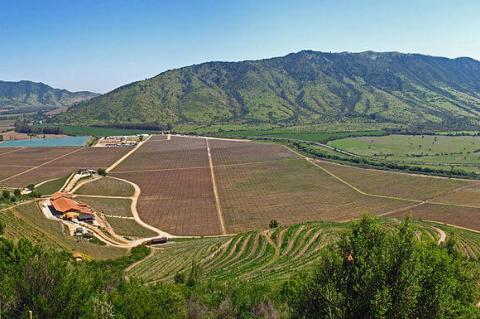
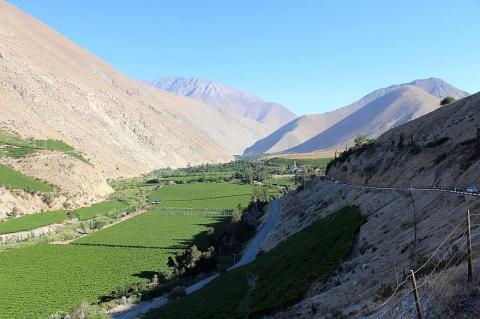
The Elqui Valley, nestled in northern Chile, is a picturesque region that captures the essence of natural beauty and agricultural richness. Spanning the basin of the Elqui River, which originates in the western Andes Mountains and flows into the Pacific Ocean near La Serena, this valley is renowned for its stunning landscapes, bright sunshine, pure air, and clear skies. The Elqui Valley is recognized as northern Chile's most commercially viable wine-producing region.

The Enigmatic Waters of Lake O'Higgins: A Natural Wonder of Patagonia

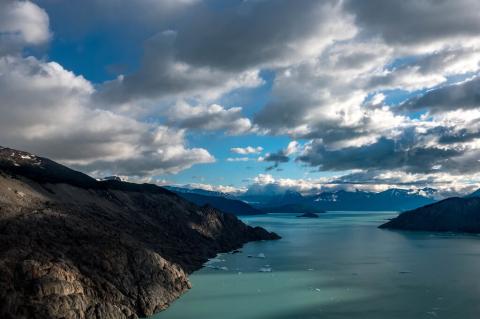
Nestled deep within the rugged wilderness of Patagonia, Lake O'Higgins is one of the most breathtaking and remote bodies of water in South America. Straddling the border between Chile and Argentina, it is known as Lake San Martín in Argentina, reflecting the intertwined histories of both nations. Renowned for its striking turquoise waters, immense depth, and dramatic fjords, it is a natural masterpiece shaped by glacial activity and the relentless forces of the Patagonian climate.

The Natural Splendor of Cerro Castillo National Park

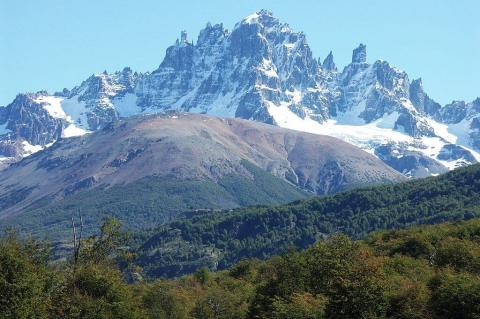
Cerro Castillo National Park, located in the Aysén Region of southern Chile, is a stunning example of Patagonia's natural beauty and biodiversity. Named after the majestic Cerro Castillo peak, the park is a haven for those seeking to experience southern Chile's raw, unspoiled wilderness. With its dramatic landscapes, diverse ecosystems, and rich wildlife, Cerro Castillo National Park provides a unique and captivating glimpse into the heart of the Patagonian Andes.

The Northern Patagonian Ice Field: A Living Testament to Chile's Glacial Past

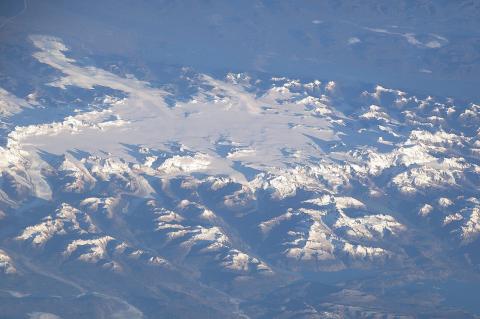
Nestled within the breathtaking and rugged landscapes of southern Chile, the Northern Patagonian Ice Field stands as a profound testament to the enduring power and legacy of the Andes Mountains. This immense ice mass, smaller than its southern counterpart but no less magnificent, represents one of the last major remnants of the once-vast Patagonian Ice Sheet. Its entirety lies protected within the boundaries of the Laguna San Rafael National Park, a designated UNESCO Biosphere Reserve, underscoring its immense ecological and scientific value.

The Patagonian and Fuegian Andes: Spine of the World's End

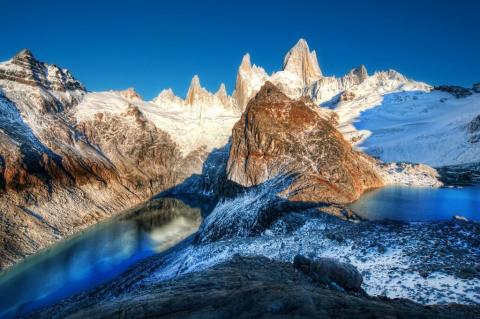
Rising from the steppes of southern Argentina and Chile like a serrated blade cleaving sky from earth, the Patagonian and Fuegian Andes form a spectacular and complex mountain system. This southern extension of the Andean chain features dramatic landscapes, towering granite spires, ancient ice fields, and active volcanic peaks that reshape the continent. These mountains serve as a living laboratory of planetary processes, a refuge for unique ecosystems, and a testament to the powerful natural forces that have shaped our world.

The Peru-Chile Trench: South America's Deepest Frontier and the Bolivian Orocline

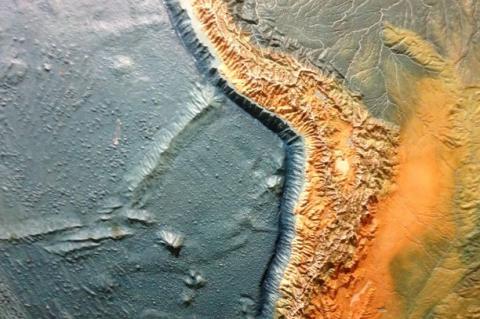
Along South America's western coast lies one of Earth's most spectacular geological features. The Peru-Chile Trench represents the deepest oceanic depression in the South Pacific and serves as the active collision zone where the Nazca Plate slides beneath the South American continent. This submarine canyon, intertwined with the dramatic coastal bend known as the Bolivian Orocline, tells a story of planetary-scale forces that have sculpted the Andes Mountains and continue to shape one of the world's most geologically active regions.

The Southern Patagonian Ice Field: A Colossal Glacier of the Andes

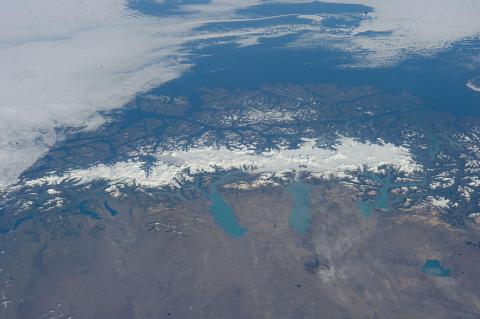
The Southern Patagonian Ice Field is a breathtaking and monumental testament to the power of glacial forces, stretching along the southern Andes Mountains between Chile and Argentina. As the world's third-largest expanse of continental ice, after the Antarctic and Greenland ice sheets, it represents the grander of the two surviving remnants of the vast Patagonian Ice Sheet. Its immense scale, dramatic outlet glaciers, and profound ecological significance make it a jewel of the Patagonian wilderness.

Tierra del Fuego: The Last Frontier at the End of the World

At the southernmost tip of South America, where the continent fragments into islands across turbulent seas, lies one of Earth's most enigmatic regions. Tierra del Fuego—the "Land of Fire"—testifies to the planet's savage beauty and complexity. This archipelago, shaped by geological forces and millennia of ice and wind, embodies humanity's fascination with the edges of the known world, where civilization yields to wilderness and the elements conspire against habitation.