Landforms of Mexico

Tehuacán-Cuicatlán Valley: A Nexus of Ecology and Culture

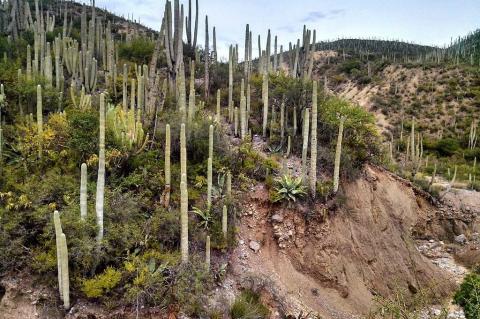
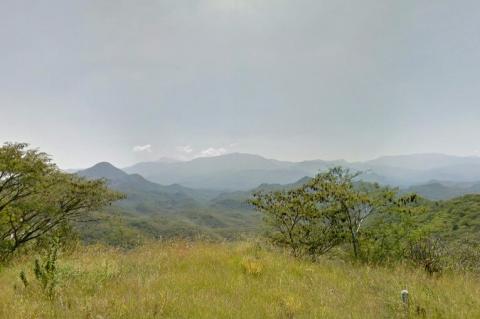
The Tehuacán-Cuicatlán Valley in southern Mexico showcases the intricate interaction between human societies and the environment. It is a UNESCO Biosphere Reserve and a World Heritage Site, known for its biodiversity, ancient agricultural practices, and enduring Indigenous traditions. Spanning the states of Puebla and Oaxaca, this valley offers a profound glimpse into the ecological and cultural wealth that has shaped the region for millennia.

The Gulf of Mexico: Mexico's Marine Frontier and the Western Atlantic's Hidden Sea

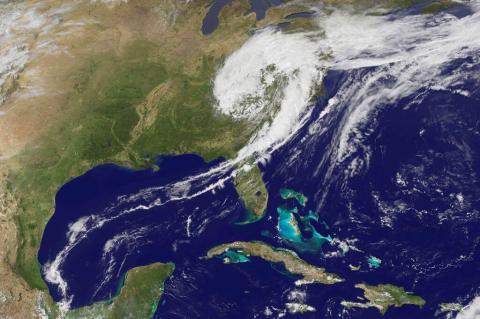
In the warm waters between the Yucatán Peninsula and the Florida Keys lies one of the world's most economically and ecologically significant ocean basins. The Gulf of Mexico encompasses 1.6 million square kilometers of ocean that has shaped the destiny of nations, supported extraordinary biodiversity, and fueled the energy needs of North America for over a century. For Mexico, it symbolizes sovereignty, economic prosperity, and environmental challenges that define the country's relationship with marine resources.

The Heart of Southern Mexico: The Sierra Madre de Oaxaca

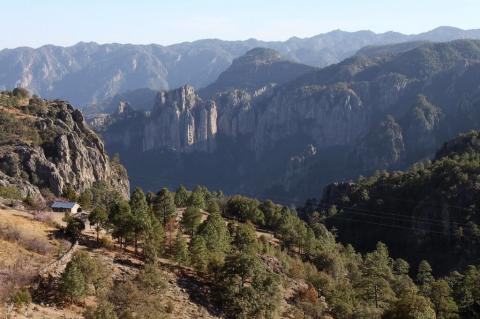
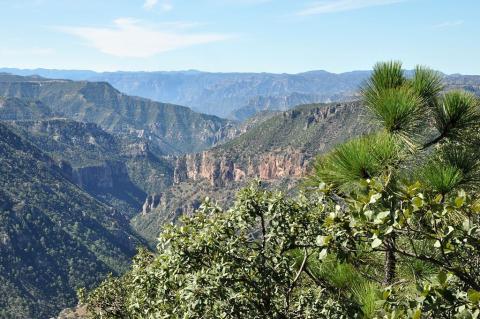
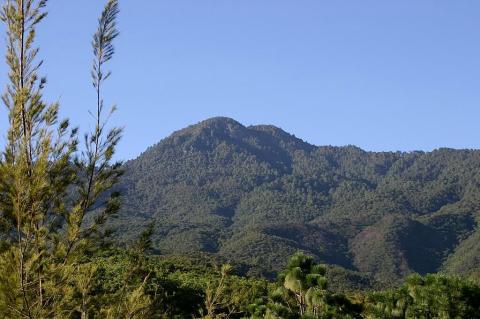
The Sierra Madre de Oaxaca is one of Mexico's most biologically and culturally rich mountain ranges, spanning parts of Oaxaca, Puebla, and Veracruz. This range forms a crucial component of the Sierra Madre mountain system, linking the Sierra Madre Oriental to the east and the Sierra Madre del Sur to the south. Known for its rugged terrain and diverse ecosystems, the Sierra Madre de Oaxaca has played a pivotal role in shaping the environment, history, and cultures of southern Mexico.

The Isthmus and Gulf of Tehuantepec: Mexico's Vital Corridor

The Isthmus of Tehuantepec is a vital geographical feature in southern Mexico. It forms a natural bridge between the Gulf of Mexico and the Pacific Ocean, a prominent inlet of the Pacific Ocean that has profoundly impacted the region's history, culture, and climate. The Gulf of Tehuantepec shapes the southern boundary of the Isthmus, influencing maritime activities and local weather patterns.

The Lerma River: Mexico's Lifeline and Environmental Challenge

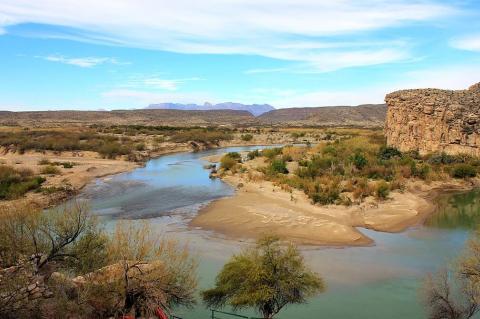
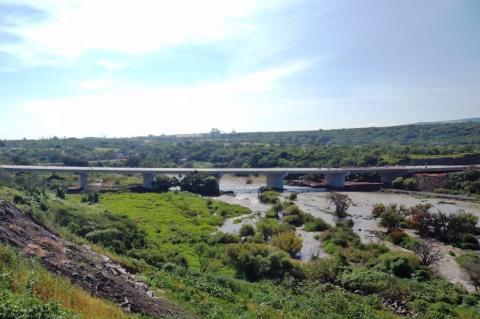
The Lerma River is a significant watercourse within the intricate network of Mexico's waterways, known for its length and crucial role in the Lerma-Chapala basin. Originating near Toluca, this river meanders through diverse landscapes, traversing the states of Mexico, Queretaro, Michoacán, and Guanajuato before emptying into Lake Chapala. The river ranks as the country's second-longest, shaping the ecosystems and livelihoods of millions of people along its course.

The Mexican Plateau: A Diverse Landscape and Cultural Heartland

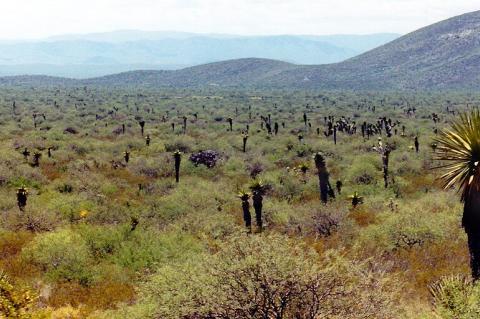
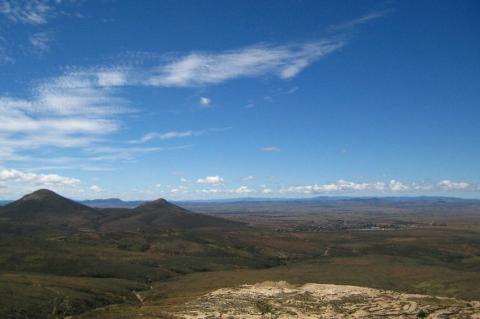
The Mexican Plateau, also known as the Altiplano, is a vast highland region in northern and central Mexico. It defines much of the nation's geography and cultural heartland. This expanse, characterized by diverse climates and ecosystems ranging from arid northern areas to temperate central regions, is divided into the Mesa del Norte and the Mesa Central. Its varied terrain has profoundly influenced settlement, agriculture, and regional cultures throughout Mexican history, making it both geographically and culturally essential to the nation.

The Middle America Trench: Where Ocean Floors Collide and Continents Rise

The Middle America Trench represents one of Earth's most dynamic subduction zones, where massive tectonic plates converge in a process that has shaped the region's landscape for millions of years. This extensive underwater canyon naturally divides into two distinct segments: the northern Acapulco Trench following Mexico's curved coastline, and the southern Guatemala Trench extending in a more linear fashion toward Costa Rica.

The Midriff Islands and San Lorenzo Marine Park: A Gulf of California Sanctuary

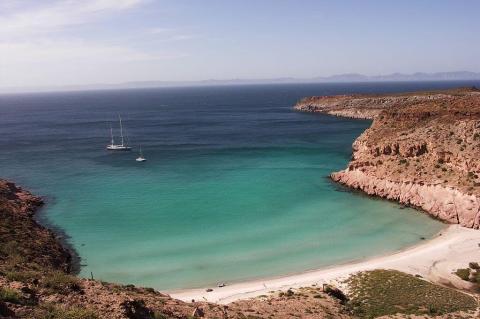
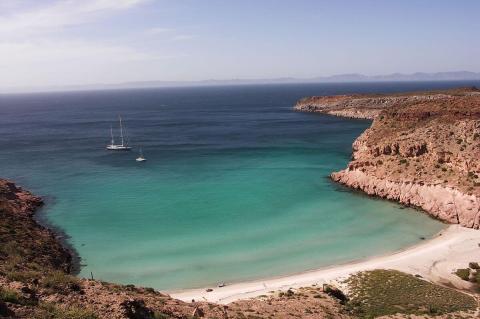
In the northern Gulf of California, where the desert meets the sea, lies one of Mexico's most ecologically significant marine reserves: San Lorenzo Marine Archipelago National Park. This protected region is part of the renowned Midriff Islands, encompassing islands and maritime borders. It plays a vital role in preserving the marine biodiversity of the Gulf. Nestled between Baja California's eastern coast and the deep waters of the Sea of Cortez, the park is a sanctuary for endangered species and an essential component of the Gulf's fragile marine ecosystem.

The Peninsular Ranges System: A Geological and Ecological Marvel of Northwestern Mexico

Running parallel to the Pacific Ocean, the Peninsular Ranges System is a remarkable series of coastal mountain ranges that form the backbone of the Baja California Peninsula in northwestern Mexico. This rugged geological feature spans from the international border with Southern California to the peninsula's southern tip, showcasing diverse ecosystems, geological formations, and endemic species.

The Petén Basin and Maya Forest: Where Ancient Civilizations Meet Living Wilderness

In the verdant heart of Central America, where the borders of Guatemala, Mexico, and Belize converge in a tapestry of emerald green, lies one of the world's most extraordinary convergences of natural wonder and human achievement. Here, beneath canopies that have witnessed the rise and fall of empires, the Petén Basin and its encompassing Maya Forest represent far more than geographical features—they embody a living testament to the intricate dance between civilization and wilderness that has unfolded across millennia.