Historical & Cultural Landmarks in South America

Quito's Historic Center: A Cultural Crossroads in the Andes

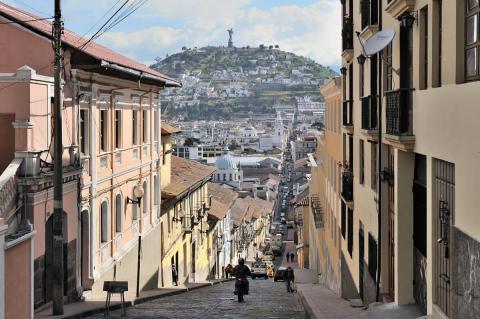
The Historic Center of Quito, Ecuador, represents a profound blend of history, culture, and architectural marvels. Designated as a UNESCO World Heritage Site, this remarkable area showcases the convergence of indigenous traditions, Spanish colonial influence, and modern developments. It remains a vibrant testimony to centuries of cultural and historical evolution, offering visitors a glimpse into Quito's rich and dynamic past.
Recoleta, Buenos Aires: A Historic and Cultural Jewel

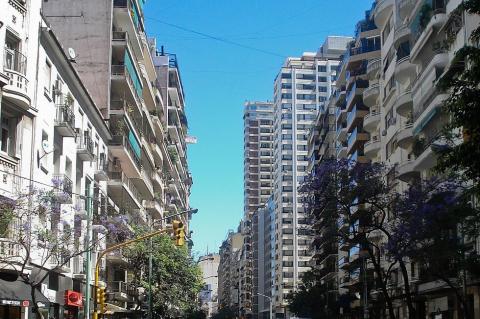
Recoleta is one of Buenos Aires' most distinguished neighborhoods, renowned for its blend of history, architecture, and culture. This downtown residential area is defined by its stunning Beaux-Arts architecture, elegant mansions, and the world-famous La Recoleta Cemetery. Originally named after a Franciscan monastery, the neighborhood has evolved into one of the city's most stylish and sought-after districts, attracting tourists, wealthy residents, and cultural enthusiasts alike.

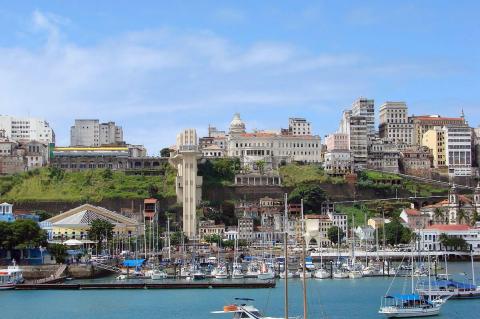
Salvador de Bahia: From Colonial Capital to Cultural Beacon

Salvador de Bahia, officially known as São Salvador da Bahia de Todos os Santos, is the capital of the Brazilian state of Bahia. Renowned for its rich cultural heritage, vibrant music, dance, and distinctive cuisine, Salvador is a testament to Brazil's dynamic history. Founded in 1549 as the first capital of Brazil, the city's significance is beautifully encapsulated in its Historic Center, known as Pelourinho, a UNESCO World Heritage site.

Santa Cruz de Mompox: Colombia's Colonial Jewel

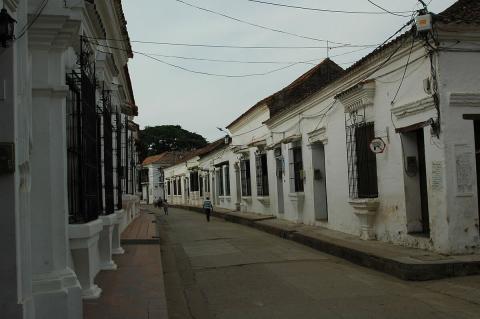
Nestled along the banks of the Magdalena River in northern Colombia, the Historic Center of Santa Cruz de Mompox emerges as a cultural gem, frozen in time and exuding the charm of colonial heritage. This UNESCO site is a testament to Mompox's historical significance, architectural brilliance, and role in shaping Colombia's cultural landscape. The town's rich history, picturesque streets, and vibrant traditions offer a unique glimpse into the past, preserving the essence of colonial Colombia.

São Cristóvão: A Colonial Masterpiece in Brazil's Northeast

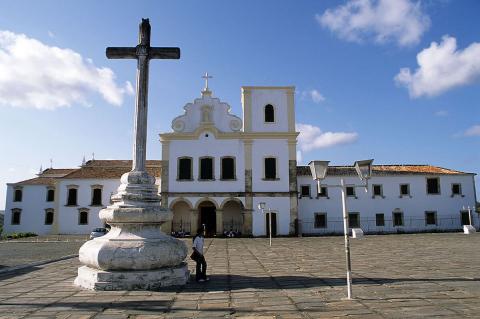
São Cristóvão, located in the northeastern state of Sergipe, Brazil, is one of the oldest colonial settlements in the country and holds a special place in Brazil's colonial history. The town is best known for São Francisco Square, which reflects a unique blend of Spanish and Portuguese colonial city planning and architecture. São Cristóvão's historical significance is further enriched by its collection of early colonial buildings, including churches, convents, and civil structures, which demonstrate the cultural and architectural evolution of the region.

São Luís: An Enchanting Portal to Brazil's Colonial Grandeur

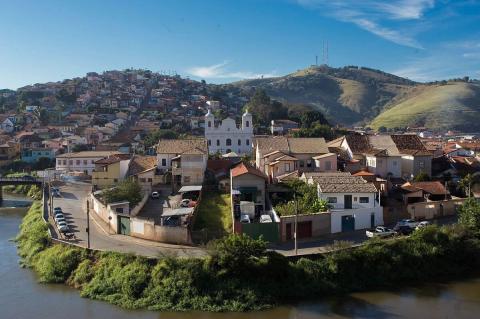
Nestled along the captivating Atlantic coast of northeastern Brazil, the city of São Luís stands as an enchanting portal that transports visitors back in time, unveiling the nation's rich colonial heritage and cultural tapestry. Its historic center boasts a remarkable blend of architectural treasures, vibrant traditions, and a storied past, offering an unparalleled glimpse into the very essence of Brazil's historical grandeur.

Sewell: The City of Stairs - A Legacy Carved into the Andes

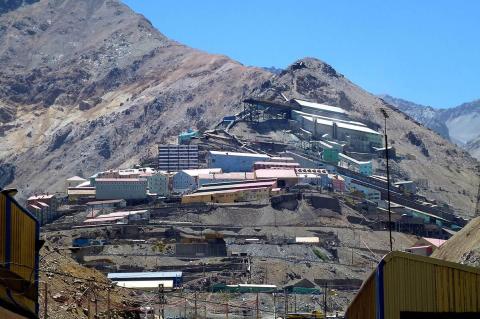
Perched high in the Chilean Andes, Sewell is a testament to human ingenuity and the pioneering spirit of the early 20th century. This abandoned mining town, clinging precariously to steep mountain slopes, tells a compelling story of industrial ambition, community life, and architectural innovation. Known as "The City of Stairs," Sewell's unique vertical layout and rich history have earned it recognition as a UNESCO World Heritage Site, preserving its legacy for future generations.

Sítio Roberto Burle Marx: Tropical Modernism in Rio de Janeiro

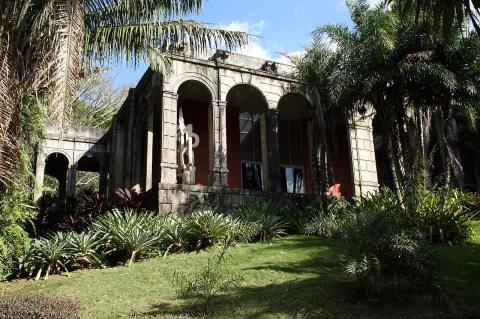
In the Barra de Guaratiba neighborhood of western Rio de Janeiro, an extraordinary cultural landscape unfolds where art, botany, and landscape architecture converge. The Sítio Roberto Burle Marx—an estate nestled between mangrove swamps and Atlantic Forest—represents the culmination of one man's revolutionary vision to transform landscape design through tropical modernism. Home, studio, and laboratory of Roberto Burle Marx, arranged in gardens that embody the principles that made Burle Marx one of the 20th century's most influential landscape architects.

Sucre: Bolivia's Jewel of Colonial Grandeur and Architectural Fusion

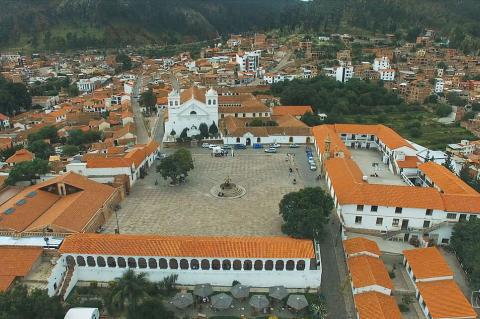
Nestled in the heart of Bolivia's south-central region, Sucre stands as a living testament to the country's rich colonial heritage and the harmonious fusion of indigenous and European architectural styles. Founded in 1538 by Spanish settlers, this historic city has undergone a remarkable transformation from its humble beginnings on the lands of the Yampara indigenous culture to its current status as Bolivia's constitutional capital and a UNESCO World Heritage Site.

The Church of Atlántida: Eladio Dieste's Brick Revolution in Uruguay

In the modest semi-rural community of Estación Atlántida, east of Montevideo, stands one of the 20th century's most remarkable architectural achievements—a church that revolutionized what could be built with the humblest of materials. The Church of Cristo Obrero y Nuestra Señora de Lourdes, designed by engineer Eladio Dieste, transforms simple fired bricks into soaring, undulating walls and double-curved vaults that seem to defy gravity. UNESCO recognizes it as an outstanding example of structural innovation and modern architecture.