Landforms of Brazil

Juruá River: A Meandering Giant of the Amazon

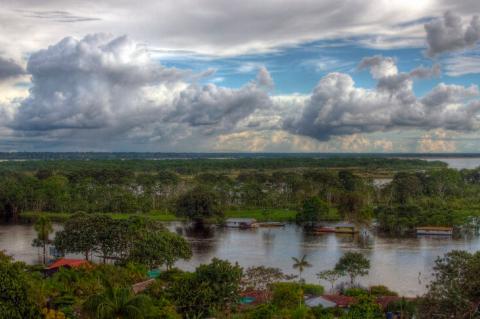
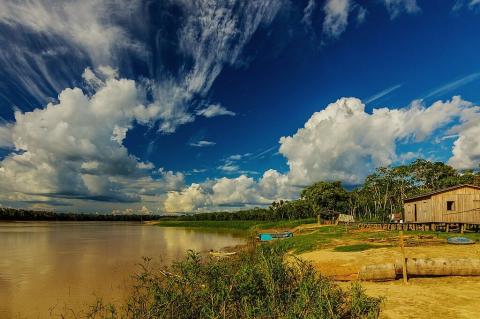
The Juruá River, one of the longest and most winding tributaries of the Amazon River, is a crucial component of the Amazon Basin's intricate hydrological network. Originating in the highlands of Peru and snaking its way through the lowlands of Brazil, the Juruá River plays a vital role in shaping the region's ecology, supporting diverse ecosystems, and influencing the lives of those who inhabit its banks.

Madeira River: A Lifeline of the Amazon Basin

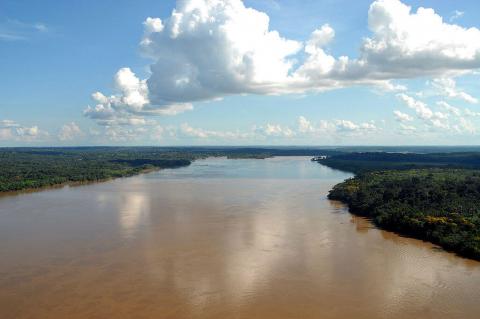
The Madeira River is one of South America's most significant waterways, playing a crucial role in the hydrology of the Amazon Basin. It is the largest and most important tributary of the Amazon River, making it a vital component of the region's ecosystem. Spanning Bolivia and Brazil, this mighty river traverses diverse landscapes and supports an array of flora and fauna, underscoring its importance as both a natural resource and a habitat.

Marajó Archipelago: Brazil's Ecological and Cultural Treasure

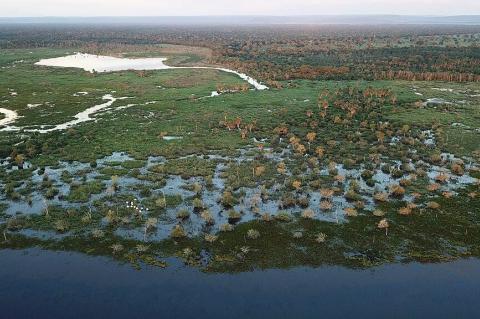
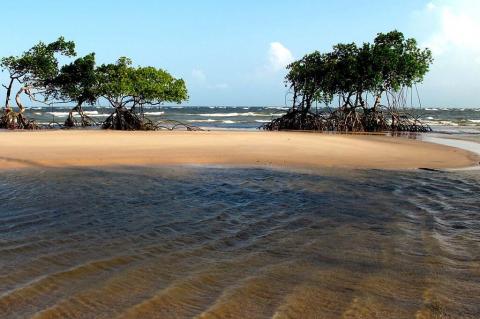
The Marajó Archipelago, the largest fluvial-maritime archipelago on Earth, is a breathtaking expanse in Amapá and Pará in Brazil. This unique and ecologically diverse region stretches from the mouth of the Amazon River to the Atlantic Ocean, encapsulating a myriad of natural wonders and rich cultural history. Renowned for its ecological significance and archaeological treasures, the Marajó Archipelago offers a fascinating glimpse into the intricate interplay between nature and human civilization.

Moconá Falls: A Natural Wonder Along the Uruguay River

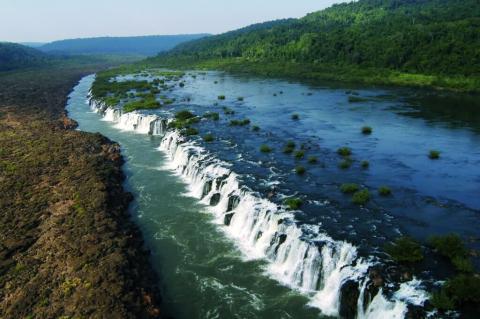
Moconá Falls, located along the Uruguay River on the border between Argentina and Brazil, offers a truly unique and captivating spectacle in the world of waterfalls. Known as Yucumã Falls on the Brazilian side, this natural marvel presents a striking departure from traditional waterfall formations, as its waters run parallel to the river's flow rather than plunging vertically. Nestled within the lush rainforests of Argentina's Misiones Province and Brazil's Rio Grande do Sul, Moconá Falls are part of two adjoining protected areas.

Pico da Neblina: Brazil's Pinnacle of Wilderness and Cultural Heritage

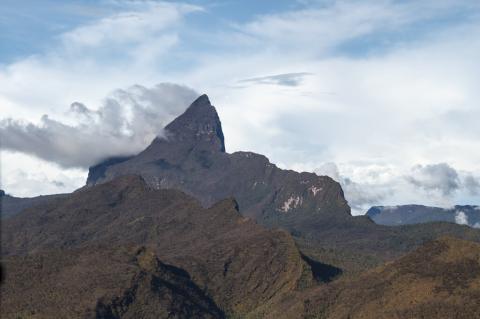
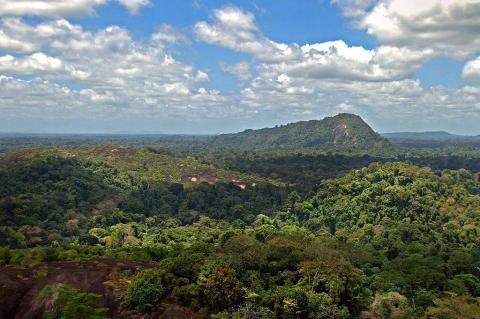
Pico da Neblina National Park, located in the far north of Brazil, is a remote and ecologically significant area encompassing Brazil's highest peak, Pico da Neblina. This vast park, bordering Venezuela, is part of the larger Amazon Rainforest biome and remains one of Brazil's most pristine and biodiverse regions. With limited human access and deep cultural ties to Indigenous peoples, the park represents an important symbol of conservation, environmental diversity, and natural beauty.

Purus River: Lifeblood of the Southwestern Amazon

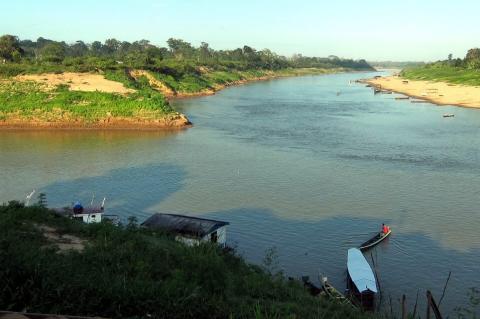
The Purus River is one of the Amazon Basin's significant tributaries, winding its way through the heart of the Amazon Rainforest. Originating in the Ucayali Basin in Peru, the river traverses a vast expanse of wilderness before merging with the Amazon River in Brazil. The Purus River's extensive basin is a vital hydrological and ecological feature of the Amazon, supporting diverse flora, fauna, and human communities.

Serra da Bocaina: Guardian of the Atlantic Forest

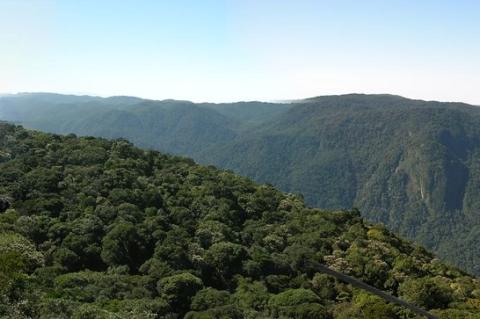
Where the rugged mountains of São Paulo meet the modern world, the Serra da Bocaina emerges—a breathtaking tribute to Brazil's commitment to preserving its most precious natural treasures. This mountain sanctuary, a crucial refuge for endangered species like jaguars and woolly spider monkeys, is safeguarded as Serra da Bocaina National Park. The park protects some of the world's most pristine Atlantic Forest ecosystems and serves as a vital connection between Brazil's coastal and inland ecosystems.

Serra da Canastra: A Rich Blend of Natural Splendor and Biodiversity

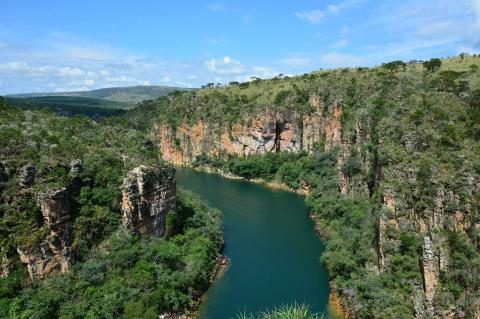
The Serra da Canastra is a significant mountain range in the western part of Minas Gerais state in southeastern Brazil. Nestled within the Brazilian Highlands, it is noted for its striking landscapes, rich biodiversity, and economic resources. The range's unique geological features and ecosystems make it an area of natural beauty and scientific interest. The range is also the birthplace of the São Francisco River, one of Brazil's most essential watercourses.

Serra da Mantiqueira: Brazil's Mountain of Tears and Biodiversity Haven

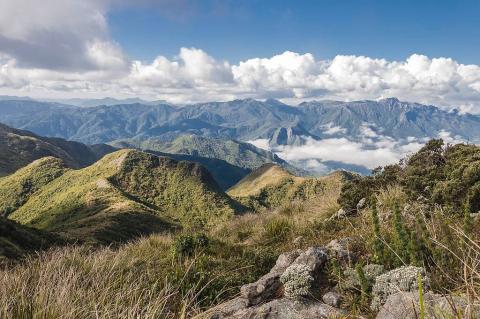
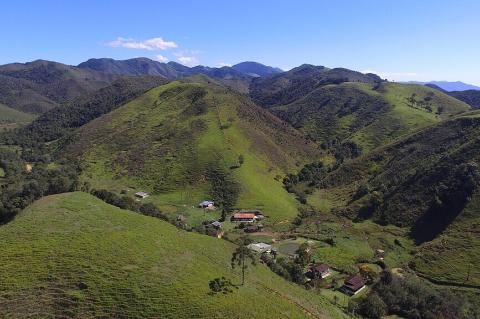
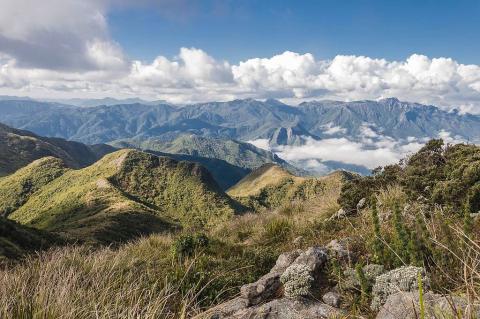
Nestled in the southeastern heartland of Brazil, the magnificent Serra da Mantiqueira rises from the valleys like an ancient fortress of stone and forest. This breathtaking mountain range spans across the borders of three Brazilian states—São Paulo, Rio de Janeiro, and Minas Gerais. From its dramatic emergence along the banks of the Paraíba do Sul River, the Serra da Mantiqueira stretches northeastward in a magnificent arc of granite escarpments and verdant highlands that serve as both geographic barrier and biological corridor.

Serra de Paranapiacaba: Where Engineering Meets Wilderness

Rising from the Atlantic coastal plains like a great green fortress, the Serra de Paranapiacaba represents one of the most dramatic and historically significant sections of Brazil's Serra do Mar mountain system. This magnificent escarpment has served as both an imposing natural barrier and a gateway to Brazil's interior, forever linking human ambition with the raw power of nature itself. The range showcases how human innovation and natural preservation can coexist in one of Brazil's most historically and ecologically significant landscapes.