Landforms of Brazil

The Paranapanema River: From Source to Confluence

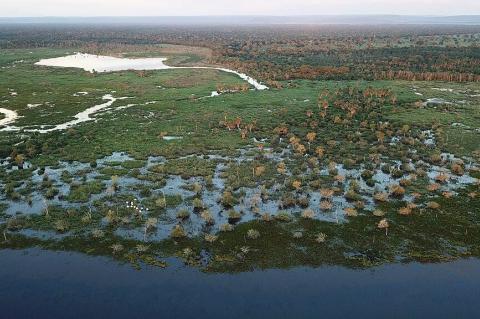
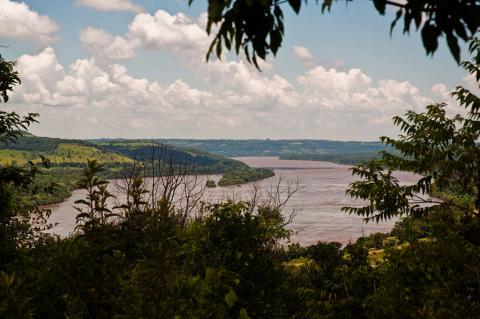
The Paranapanema River is one of the most significant rivers in southeastern Brazil. Originating in the Serra do Paranapiacaba and flowing westward until it meets the Paraná River, it traverses a rich and varied landscape. It is a crucial water source for numerous ecosystems and a vital component of the region’s economy, supporting agriculture, hydropower, and local communities.

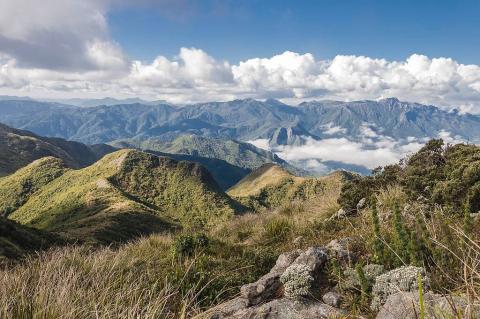
The Parima Mountains: A Natural and Cultural Frontier in South America

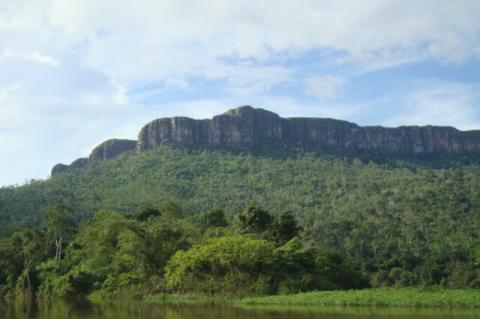
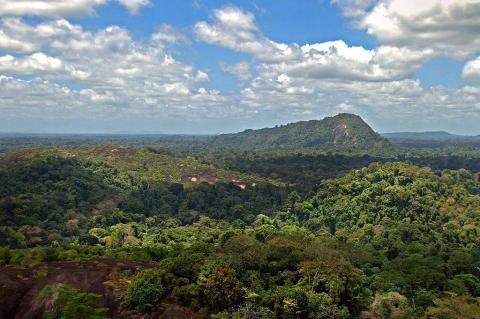
The Parima Mountains, located on the border of Venezuela and Brazil, are a remote and ecologically rich region. They are part of the Guiana Shield and are significant due to their untouched beauty, biological diversity, and role as the source of the Orinoco River. The mountains hold deep cultural significance as the homeland of Indigenous peoples, particularly the Yanomami, yet they remain largely hidden from the world's view.

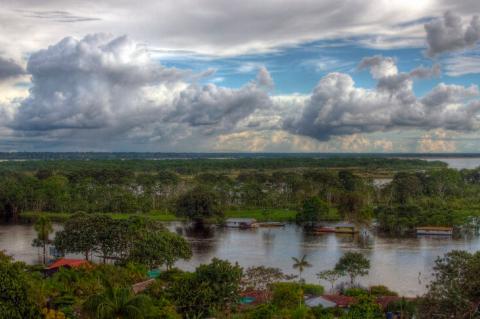
The Río Negro: Majestic Heart of the Amazon

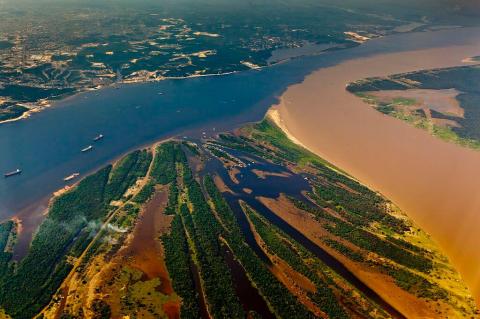
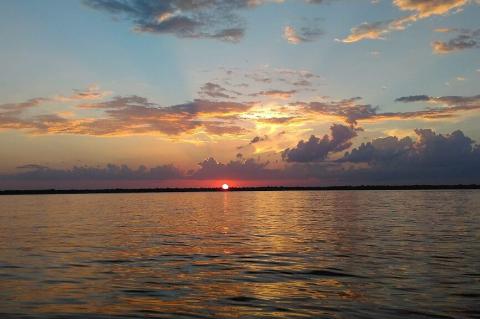
Flowing majestically through the heart of the Amazon rainforest, the iconic Río Negro stands as one of the most significant tributaries of the mighty Amazon River. Renowned for its distinctive blackwater and immense size, the Río Negro is not only a vital component of the Amazon basin but also a captivating natural wonder that draws explorers and adventurers from around the globe.

The São Francisco River: Lifeline of Northeastern Brazil

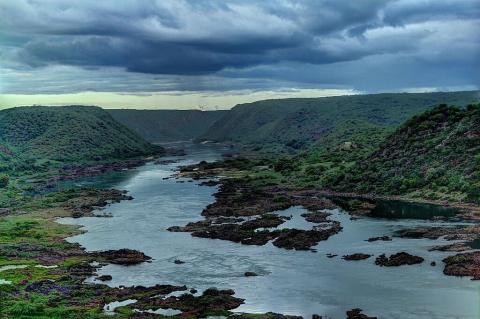
The São Francisco River, one of Brazil's most important waterways, is a crucial artery for the country's northeastern and southeastern regions. South America's fourth-largest river system is known for its pivotal role in agriculture, hydroelectric power, and transportation. The São Francisco River also holds deep cultural significance, often called "Velho Chico" or "River of National Unity." This vast river runs entirely within Brazil, fostering connections between regions and providing critical water resources for the semiarid Northeast.

The Tapajós River: A Lifeline in the Heart of the Amazon

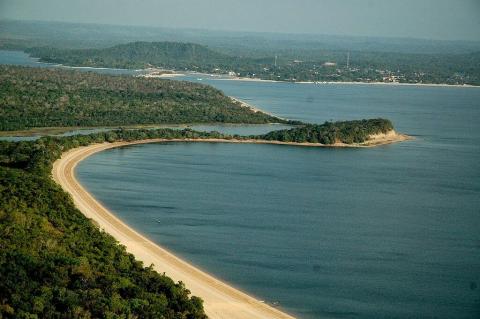
The Tapajós River, one of the major tributaries of the Amazon River, is a vital watercourse in Brazil, flowing predominantly north/northeast through the Amazon Rainforest. It is formed by the union of the Juruena and Teles Pires rivers, both of which originate in the Mato Grosso region. Known as one of the largest clearwater rivers in the world, the Tapajós plays a crucial role in the hydrology, ecology, and economy of the Amazon Basin.

The Uruguay River: A Vital Waterway of South America

The Uruguay River is a significant fluvial system in South America. It stretches from its headwaters in Brazil's coastal range to its confluence with the Río de la Plata. As a natural boundary between Brazil, Uruguay, and Argentina, the river plays a crucial role in the region's geography, economy, and ecology. An exploration of the Uruguay River reveals its origins, course through diverse landscapes, ecological significance, and role in regional development.

Tocantins-Araguaia River System: A Comprehensive Overview of Brazil's Central Fluvial Network

The Tocantins-Araguaia River system in central Brazil is one of the country's most vital and extensive fluvial networks. Though commonly mistaken as a tributary of the Amazon River, this system is distinct and unique, with its complex hydrological dynamics and significant ecological importance. The river flows northward from the Brazilian Highlands, eventually emptying into the Atlantic Ocean through the Pará River, a distributary channel of the Amazon River delta.

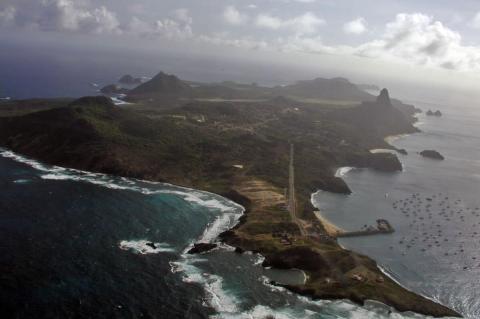
Trindade and Martim Vaz: A Remote Sanctuary in the Atlantic

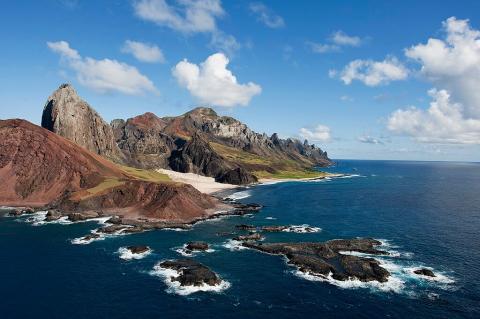
Located in the heart of the Atlantic Ocean, the Trindade and Martim Vaz archipelago is Brazil's easternmost point, off the coast of the Brazilian state of Espírito Santo. Comprising two main islands, Trindade and Martim Vaz, along with numerous smaller islets and rocks formed from volcanic activity, the archipelago is a stark, isolated outpost that remains largely untouched by human hands. Despite its isolation, Trindade and Martim Vaz hold significant ecological, historical, and strategic importance, offering unique opportunities for scientific exploration and wildlife conservation.

Unveiling the Serra Geral: A Natural Wonder of Southern Brazil

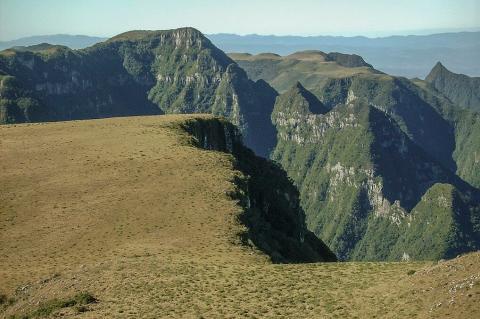
The Serra Geral, an imposing escarpment nestled within the interior of southern Brazil, is a testament to the region's geological complexity and ecological richness. From its eastern reaches in Rio Grande do Sul to its northern extent in São Paulo, this mountain range is a pivotal component of the Serra do Mar system. Within this landscape lies the Serra Geral National Park, established to preserve the region's natural heritage and encompass iconic landmarks such as the Malacara, Churriado, and Fortaleza canyons.

Where Mountains Meet the Sea: The Cultural and Natural Tapestry of Paraty and Ilha Grande

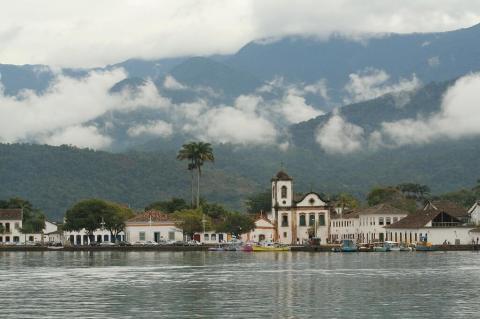
Nestled between the Serra da Bocaina mountain range and the Atlantic Ocean, the World Heritage Site of Paraty and Ilha Grande, located in the states of Rio de Janeiro and São Paulo, is a unique blend of rich cultural history and stunning biodiversity. It includes the historic center of Paraty, the island of Ilha Grande, and four protected natural areas of the Brazilian Atlantic Forest, one of the world's critical biodiversity hotspots. This remarkable site offers a window into Brazil's colonial past, showcasing its commitment to preserving its natural treasures.