Protected Areas in South America

Tayrona National Natural Park: A Symphony of Nature and History

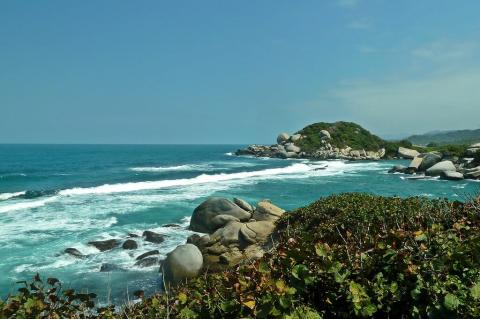
Situated along the captivating northern coast of Colombia, Tayrona National Natural Park emerges as a harmonious blend of pristine landscapes, rich biodiversity, and echoes from ancient civilizations. Drawing its name from the ancient Tairona people, this coastal sanctuary is cradled by the Sierra Nevada de Santa Marta and embraced by the Caribbean Sea.

Tepuis and Traditions: Exploring the Alto Orinoco-Casiquiare Biosphere

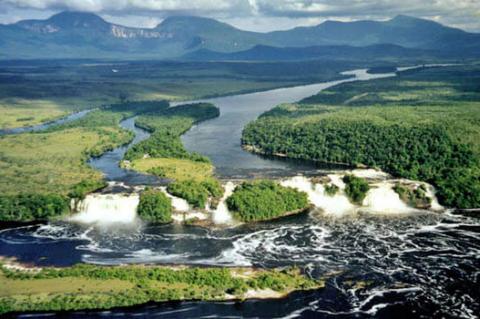
The Alto Orinoco-Casiquiare Biosphere Reserve is an expansive protected area located in the Venezuelan Amazon, encompassing three national parks—Duida-Marahuaca National Park, Serranía de la Neblina National Park, and Parima Tapirapecó National Park—each contributing to the ecological and cultural importance of the region. The reserve is characterized by its rich biodiversity, dramatic landscapes, and the presence of Indigenous communities, particularly the Yanomami and Ye'kwana peoples.

The Alto Mayo Protection Forest: A Verdant Realm Safeguarding Peru's Biodiversity

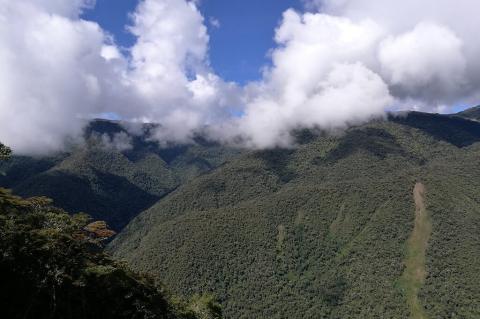
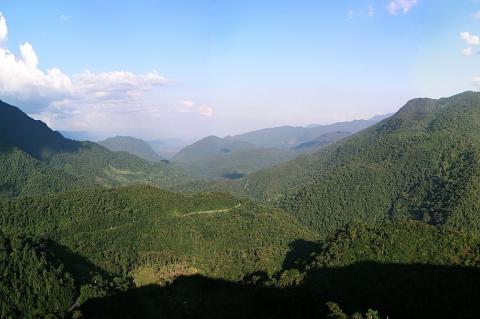
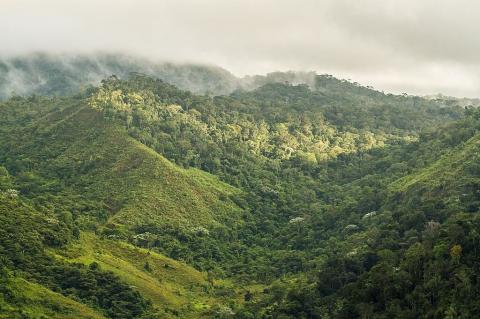
Nestled in the northern reaches of Peru, the Alto Mayo Protection Forest stands as a verdant sanctuary, spanning an impressive expanse within the San Martín region. This protected forestland serves as a vital bulwark, safeguarding a portion of the Peruvian Yungas ecoregion and the upper Mayo River basin, shielding soil and water from the erosive impact of deforestation.

The Amapá Biodiversity Corridor: Safeguarding the Amazon's Ecological Treasures

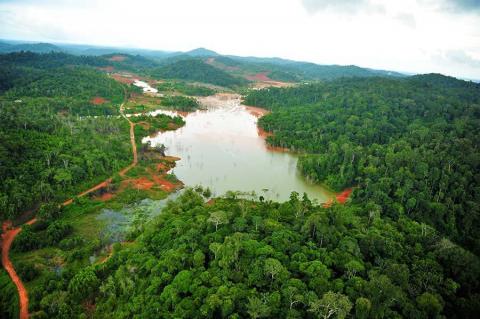
Nestled in northern Brazil, the Amapá Biodiversity Corridor is a testament to the country's commitment to protecting its invaluable natural heritage. This expansive ecological corridor, spanning over 10 million hectares and encompassing 72% of the state of Amapá, is a true conservation success story. It integrates a network of protected areas and indigenous lands to safeguard the region's exceptional biodiversity.

The Bioma Pampa-Quebradas del Norte Biosphere Reserve: A Sanctuary of Biodiversity and Cultural Heritage

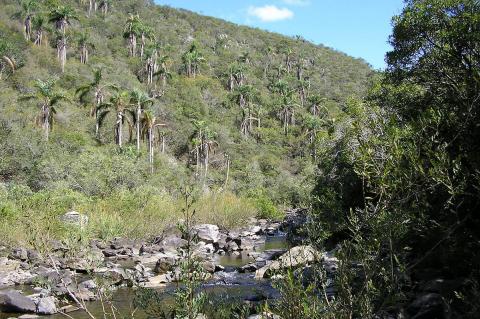
Nestled in the northern region of Uruguay, the Bioma Pampa-Quebradas del Norte Biosphere Reserve is a unique sanctuary characterized by its rolling topography and subtropical grasslands. It serves as a vital refuge for an array of flora and fauna while preserving the cultural heritage of its inhabitants. The reserve's significance is amplified by its role in sustaining one of the planet's largest freshwater reserves, the Guaraní Aquifer.

The Bosques de Paz: A Transboundary Oasis of Biodiversity

The Bosques de Paz Transboundary Biosphere Reserve straddles the border of Ecuador and Peru. It is a natural treasure and showcases the collaborative efforts of these two nations to protect a globally significant ecosystem. The reserve spans four regions in the two countries. It was designated a UNESCO Biosphere Reserve in 2018, following the countries' commitment to strengthening their ties and cooperation after a long-standing border dispute that ended in 1998.

The Central Amazon Ecological Corridor: Safeguarding the Heart of the Rainforest

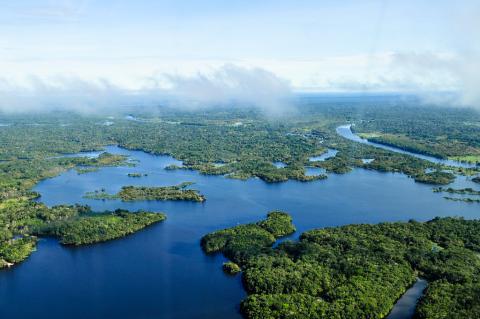
The Central Amazon Ecological Corridor (CAEC) represents one of the world's most ambitious conservation initiatives—a vast network of protected areas safeguarding the heart of the Amazon Rainforest. Spanning Brazil's Amazonas and Pará states, this interconnected system of parks and reserves protects extraordinary biodiversity while supporting Indigenous communities and sustainable development. The CAEC links diverse conservation units into a functioning ecological network.

The Cerrado Biosphere Reserve: A Jewel of Brazilian Biodiversity

The Cerrado Biosphere Reserve, spanning across the Brazilian states of Goiás, Tocantins, Maranhão, Piauí, Bahia, Minas Gerais, São Paulo, Mato Grosso, Mato Grosso do Sul, and the Federal District, encompasses the vast and diverse Cerrado biome, what scientists consider the world's most biodiverse savanna and one of Earth's oldest tropical ecosystems. This UNESCO-designated reserve covers nearly a quarter of Brazil's land area—making it one of the world's largest biosphere reserves and highlighting the country's extraordinary natural heritage and ecological significance.

The Cerrado Protected Areas: Preserving the Biodiversity Jewel of Brazil

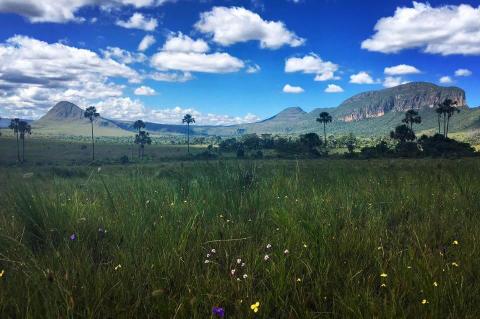
Nestled within Brazil's Central-West region lies an ecological treasure of global significance: the Cerrado Protected Areas, a UNESCO Site encompassing Chapada dos Veadeiros and Emas National Parks. These complementary protected areas safeguard the world's oldest and most biodiverse tropical savanna, representing humanity's most important stronghold for preserving the remarkable evolutionary heritage of the Cerrado biome. Located on Brazil's ancient central plateau, these parks preserve contrasting landscapes that together showcase the full spectrum of Cerrado biodiversity.

The Chicamocha Canyon and National Park: Colombia's Natural Wonder

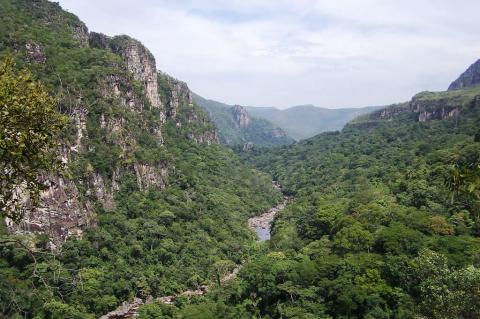
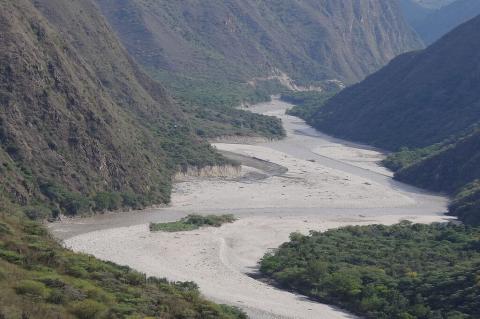
Nestled within the rugged Andes Mountains of northern Colombia, the Chicamocha Canyon is a testament to nature's awe-inspiring power and beauty. This colossal geological wonder, carved over eons by the relentless forces of the Chicamocha River, is among the largest canyons in the world. Encompassing a vast area, the canyon's immense depths reveal a breathtaking landscape of towering cliffs, winding rivers, and diverse ecosystems. Chicamocha National Park lies within the canyon.