Bodies of Water

The Amazon River System: Nature's Mightiest Waterway

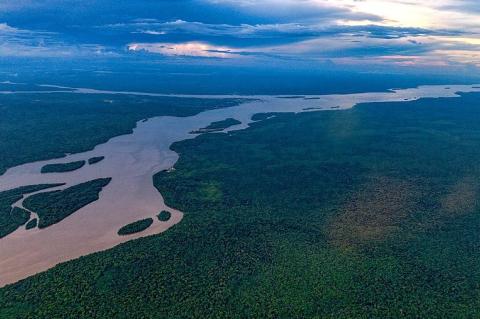
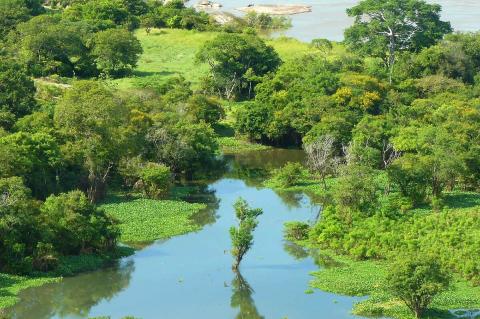
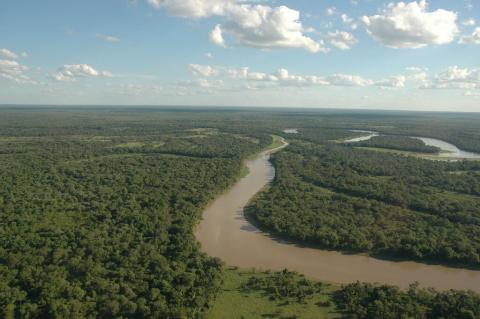
The Amazon River stands as Earth's most powerful single waterway, channeling the flow of over 1,100 tributaries across 6.3 million sq km into a current that delivers 209,000 cubic meters of water per second to the Atlantic Ocean. This colossal flow represents 15-20% of all freshwater entering the world's oceans, making the Amazon not just South America's arterial system but a critical component of global ocean circulation and climate regulation.

The Argentine Sea: A Biodiverse and Economic Powerhouse

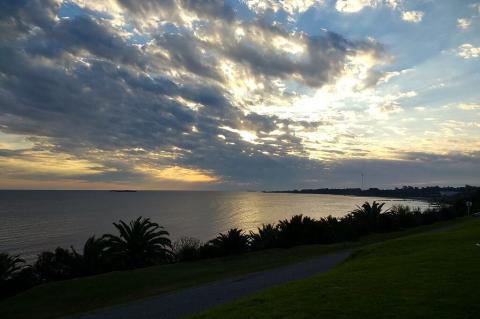
The Argentine Sea, located in the southwestern Atlantic Ocean along Argentina's eastern coast, is one of the most ecologically diverse and economically significant marine regions in the Southern Hemisphere. It is a vital hub for marine biodiversity, fisheries, and energy resources. Bordered by the Argentine continental shelf, this sea is a lifeline for the country, blending natural wealth with cultural and economic importance.

The Atrato River: Colombia's Lifeline Through the Chocó

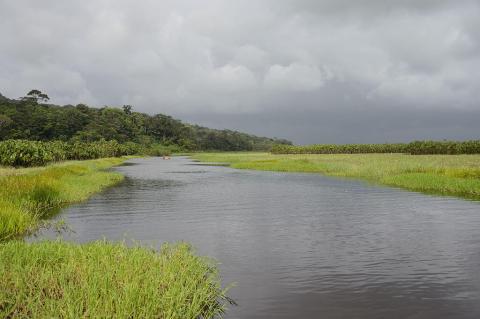
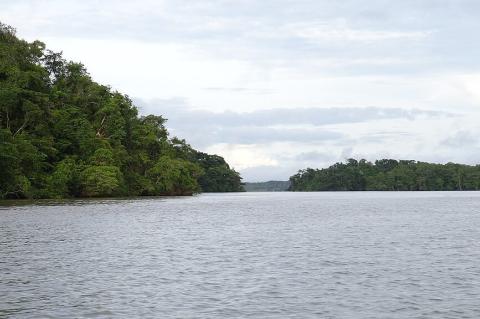
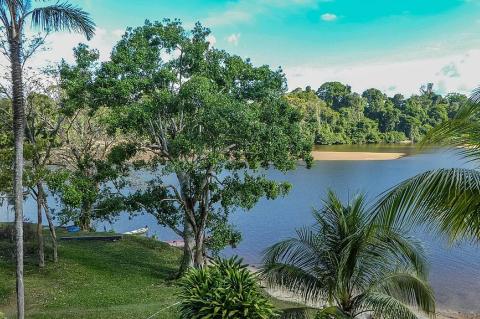
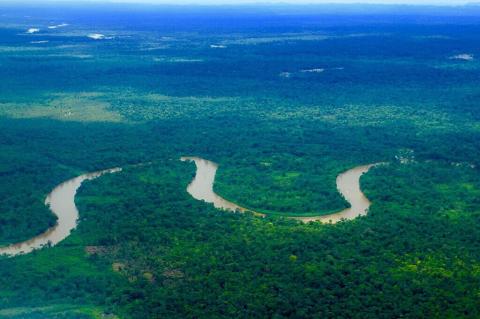
Winding through the dense rainforests of Colombia's Chocó Department, the Atrato River is a vital artery of life, culture, and biodiversity. It is renowned for its ecological significance and historical and cultural importance to the Afro-Colombian and Indigenous communities living along its banks. The river's influence extends beyond its immediate surroundings, making it an essential feature of Colombia's natural and cultural heritage.

The Balsas River: Lifeline of Central Mexico

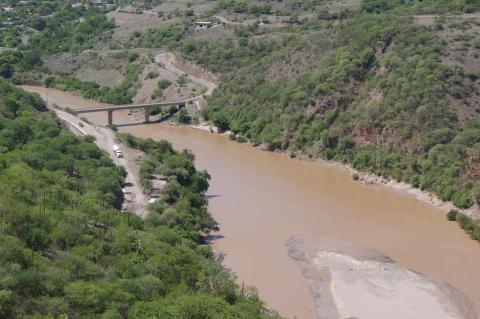
Spanning one of Mexico's most diverse and dynamic regions, the Balsas River flows through the heart of the country, nurturing ecosystems, supporting livelihoods, and influencing cultural identities. As one of the longest rivers in Mexico, the Balsas plays a critical role in connecting the landscapes of Central and Southern Mexico. Its ecological richness, historical significance, and contributions to agriculture and hydropower make it a vital resource for the nation.

The Bay of Campeche: Mexico's Maritime Crossroads of Nature and History

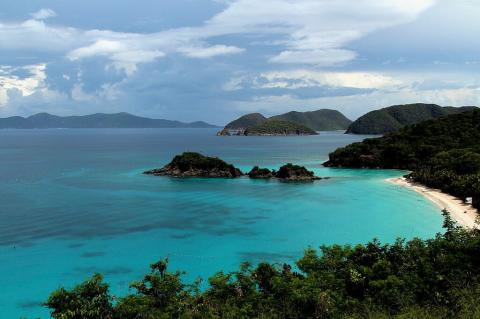
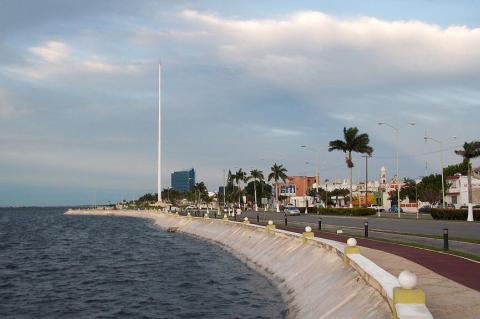
Located in the southwestern Gulf of Mexico, the Bay of Campeche is a vital maritime region with ecological, historical, and economic importance. It has served as a crossroads for nature, commerce, and human settlement, from ancient trade networks to today's global energy markets. The bay's diverse ecosystems and rich history contribute to its significance in Mexico's identity and environmental landscape.

The Beni and Mamoré Rivers: Bolivia's Lifelines

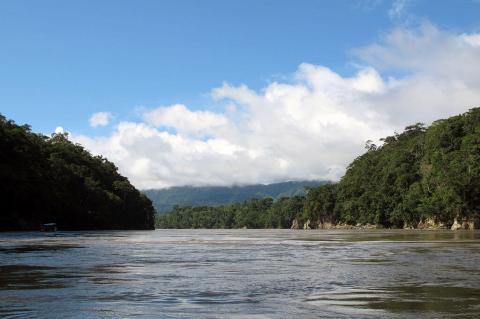
The Beni and Mamoré Rivers, coursing through the heart of Bolivia, are lifelines for both nature and civilization. They shape the landscape and provide sustenance to countless communities along their banks. From their origins in the rugged Andean slopes to their convergence into the mighty Madeira River at Bolivia's northeastern border, these rivers tell a story of resilience, biodiversity, and cultural richness.

The Bermejo River: South America's Diverse Lifeline

The Bermejo River, a crucial waterway in South America, traverses diverse landscapes across Bolivia and Argentina. In its upper course, the river is known as the Bermejo, but in its lower reaches, it transitions into the Desaguadero and later the Salado. Flowing from the Andes Mountains to its confluence with the Paraguay River, the Bermejo sustains ecosystems, supports human settlements, and plays an essential role in regional economies.

The Casiquiare River: A Unique Natural Waterway Connecting Two Great Basins

The Casiquiare River, also known as the Casiquiare Canal, is an extraordinary natural waterway in southern Venezuela. As the only major river on Earth connecting two vast and distinct drainage basins, the Casiquiare is a rare and vital geographical feature. It links the upper Orinoco River, which drains into the Atlantic Ocean, with the Rio Negro, a key tributary of the Amazon River. This unusual bifurcation is a product of natural hydrological and geological processes, creating a unique passage between South America's two largest river systems.

The Chubut River: Lifeline of Argentine Patagonia

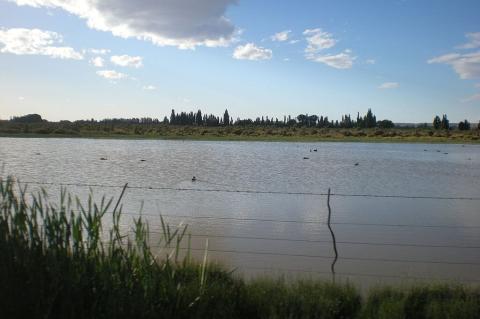
The Chubut River is a defining geographical and ecological feature of Argentine Patagonia, flowing through the heart of Chubut Province. As one of the most important rivers in the region, it plays a crucial role in supporting biodiversity, agriculture, and human settlements in an otherwise arid landscape. Originating in the Andes and traveling eastward to the Atlantic Ocean, the Chubut River provides essential water resources for both natural ecosystems and human activities.

The Colorado River of Argentina: A Vital Lifeline of the Pampas and Patagonia

The Colorado River of Argentina is a crucial waterway that traverses the vast landscapes of central and southern Argentina. It plays an essential role in shaping the region's geography, ecology, and human activity. Originating in the Andes Mountains, the river flows across arid and semi-arid landscapes before emptying into the Atlantic Ocean. Its waters sustain agriculture, support diverse ecosystems, and serve as a natural boundary between provinces.