Bodies of Water

Lake Titicaca: Ancient Waters of the Andes

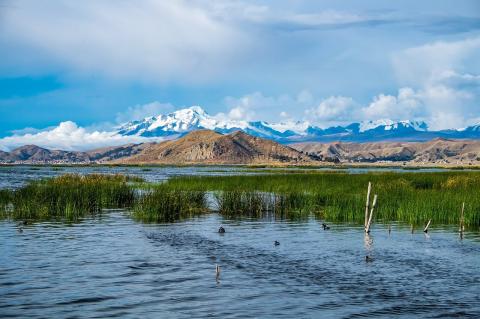
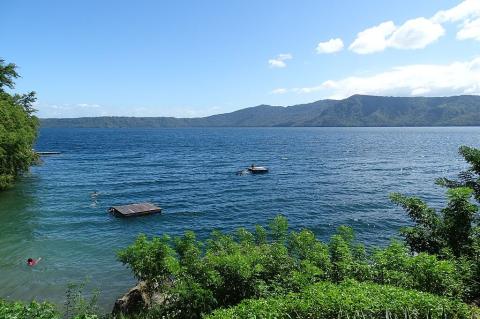
Lake Titicaca is one of the highest navigable lakes in the world. It is situated at the northern end of the Altiplano basin, on the border of Peru and Bolivia in the Andes Mountains. With a history dating back millions of years, Lake Titicaca is the largest lake in South America by volume and holds great cultural and ecological significance. The lake has always been an integral part of indigenous cultures and provides a habitat for a wide range of biodiversity, including over 530 aquatic species.

Madeira River: A Lifeline of the Amazon Basin

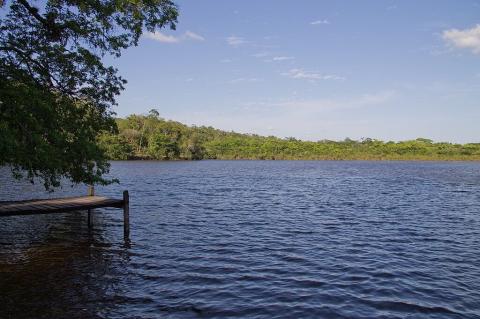
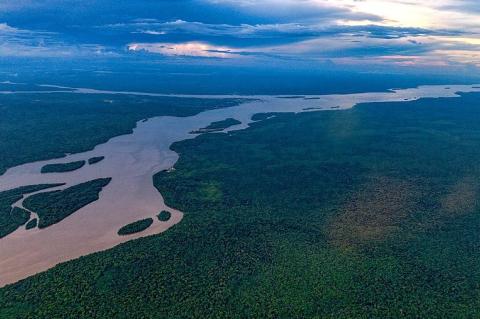
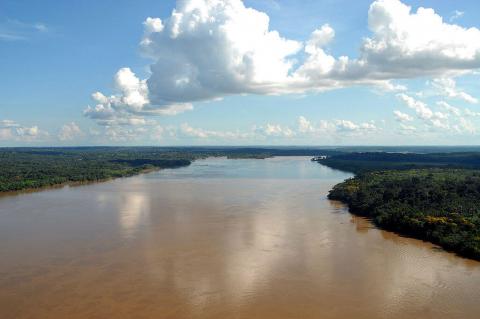
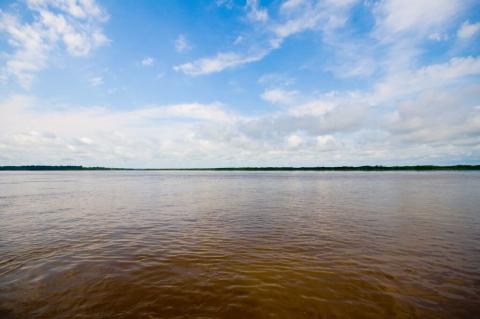
The Madeira River is one of South America's most significant waterways, playing a crucial role in the hydrology of the Amazon Basin. It is the largest and most important tributary of the Amazon River, making it a vital component of the region's ecosystem. Spanning Bolivia and Brazil, this mighty river traverses diverse landscapes and supports an array of flora and fauna, underscoring its importance as both a natural resource and a habitat.

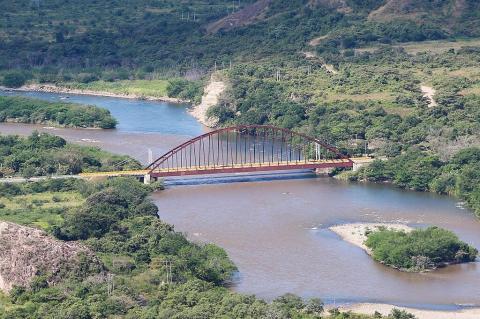
Magdalena River and Basin: Colombia's Lifeline

Flowing gracefully through the heart of Colombia, the Magdalena River stands as the country's principal waterway, weaving its way from the towering peaks of the Andes to the sun-kissed shores of the Caribbean Sea. Carving a path through diverse landscapes and ecosystems, this mighty river and its expansive basin serve as the lifeblood of Colombia, nurturing vibrant communities, sustaining vital ecosystems, and shaping the nation's cultural and economic landscape.

Maracaibo Lake and Basin: The Geologic and Economic Heart of Venezuela

Lake Maracaibo, situated in the Maracaibo Basin of northwestern Venezuela, is a large brackish tidal estuary and an inlet of the Caribbean Sea. Numerous rivers feed the lake, the largest of which is the Catatumbo. With their rich petroleum reserves, dynamic weather phenomena, and significant economic contributions, Lake Maracaibo and the Maracaibo Basin are central to Venezuela's geography and economy.

Paranaíba River: Lifeblood of Brazil's Cerrado

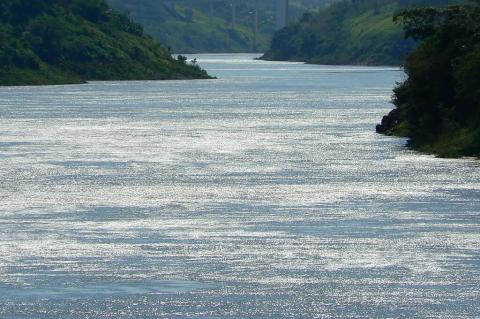
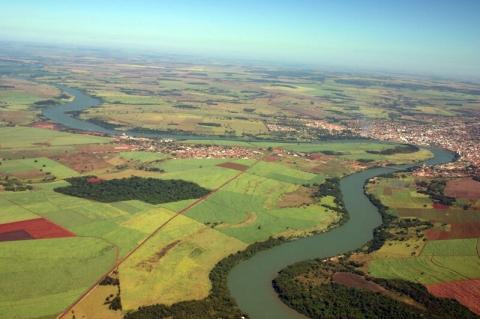
The Paranaíba River is a vital waterway in Brazil, coursing through the expansive Cerrado biome and forming the upper reach of the Paraná River Basin. Known for its ecological diversity, economic importance, and role in shaping regional culture, the Paranaíba River symbolizes Brazil's dynamic interplay between nature and development. From its headwaters in Minas Gerais to its confluence with the Grande River, the Paranaíba is vital to Brazil's environment and economy.

Patagonia's Crown Jewel: Lake Buenos Aires

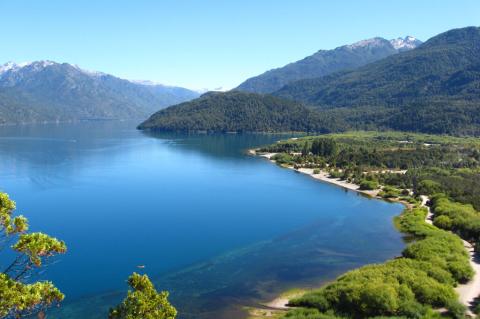
Located in Patagonia, Lake Buenos Aires, known as Lago General Carrera in Chile, is one of South America's largest lakes. It boasts breathtaking scenery and vibrant ecosystems. Formed by glacial activity, the lake is surrounded by towering mountains and lush forests, showcasing unmatched beauty. Its waters vary from turquoise to deep blue, mirroring the pristine Patagonian environment. The lake fosters cooperation and cultural exchange between Argentina and Chile while providing livelihoods for local communities.

Purus River: Lifeblood of the Southwestern Amazon

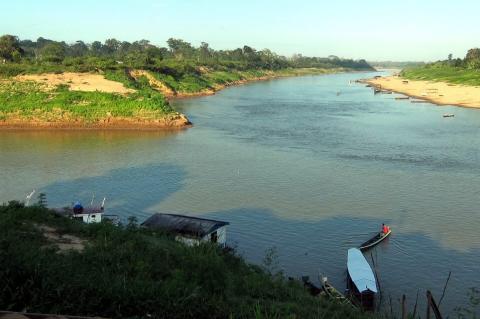
The Purus River is one of the Amazon Basin's significant tributaries, winding its way through the heart of the Amazon Rainforest. Originating in the Ucayali Basin in Peru, the river traverses a vast expanse of wilderness before merging with the Amazon River in Brazil. The Purus River's extensive basin is a vital hydrological and ecological feature of the Amazon, supporting diverse flora, fauna, and human communities.

Río Bravo del Norte: The Great River That Unites and Divides Two Nations

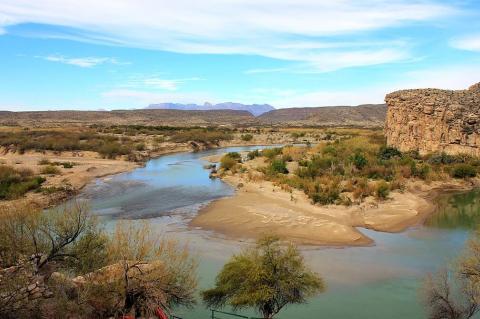
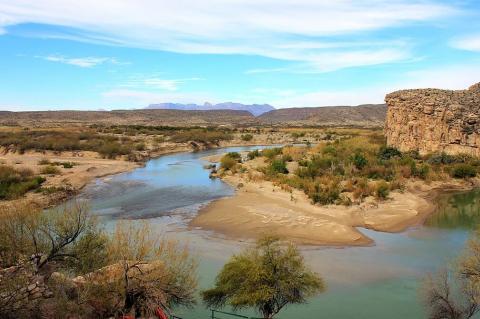
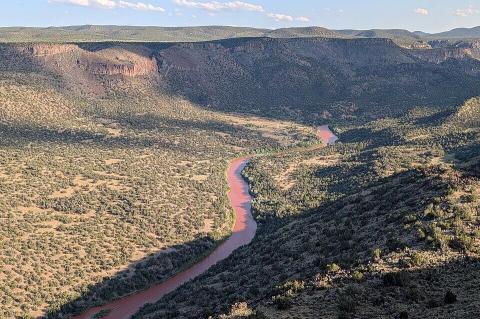
In the high peaks of Colorado's San Juan Mountains, where crystalline streams gather force from melting snowfields, one of North America's most culturally and politically significant waterways begins. Known as the Rio Grande in the United States and Río Bravo del Norte in Mexico, this continental river spans 3,051 km (1,896 mi) as it carves its path from alpine tundra to tropical delta, ultimately serving as the international boundary between the two nations.

Río Dulce: Guatemala's Gateway to the Caribbean

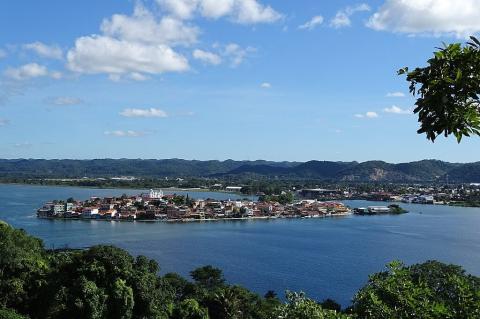
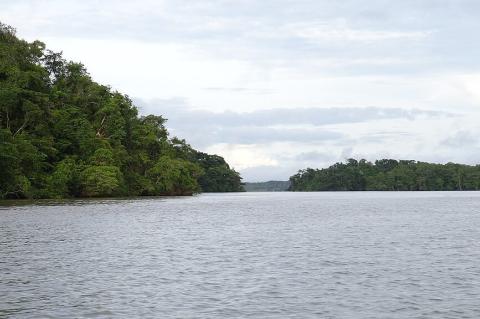
Flowing through the lush landscapes of eastern Guatemala, Río Dulce is one of the country's most breathtaking and ecologically significant waterways. Stretching from Lake Izabal to the Caribbean Sea, it has long served as a vital trade route, a sanctuary for diverse wildlife, and a refuge for Indigenous and Garífuna communities. The river is protected within Río Dulce National Park, a region known for its tropical rainforests, dramatic limestone cliffs, and rich biodiversity.

Rio Grande / Río Bravo del Norte: A River, Two Names, One Shared Story

Known as the Rio Grande in the United States and the Río Bravo del Norte in Mexico, this 3,051-km (1,896-mi) river runs from Colorado's San Juan Mountains to the Gulf of Mexico, forming roughly 2,000 km (1,240 mi) of international border along the way. This overview treats the whole river and both nations' relationships to it on equal terms and serves as the primary reference for the river's US course, alongside a dedicated article covering its course through Mexico in greater depth.