Bodies of Water

The Enigmatic Waters of Lake O'Higgins: A Natural Wonder of Patagonia

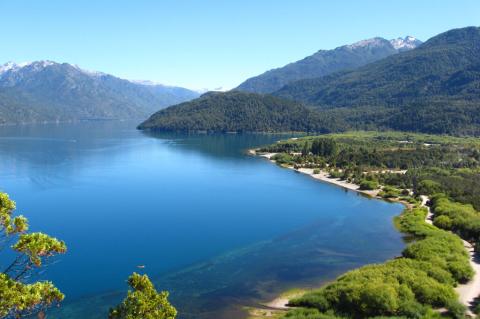
Nestled deep within the rugged wilderness of Patagonia, Lake O'Higgins is one of the most breathtaking and remote bodies of water in South America. Straddling the border between Chile and Argentina, it is known as Lake San Martín in Argentina, reflecting the intertwined histories of both nations. Renowned for its striking turquoise waters, immense depth, and dramatic fjords, it is a natural masterpiece shaped by glacial activity and the relentless forces of the Patagonian climate.

The Gulf of California: Mexico's Sea of Marine Wonders

Known by many names—the Gulf of California, the Sea of Cortez, or the Vermilion Sea—this remarkable body of water represents one of Earth's most biologically diverse and geologically active marine environments. Nestled between the Baja California Peninsula and mainland Mexico, this marginal sea of the Pacific Ocean is a critical component of Mexico's marine heritage. With its crystal-clear waters, abundant marine life, and complex geological history, the Gulf of California stands as both a scientific treasure and an economic lifeline for the communities that depend on its resources.

The Gulf of Mexico: A Sea Shared by Latin America

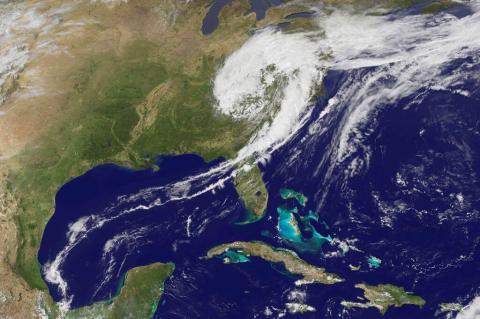
In the warm waters between the Yucatán Peninsula and the Florida Keys lies one of the world's most economically and ecologically significant ocean basins. The Gulf of Mexico encompasses 1.6 million sq km (615,000 sq mi) of ocean bordered by three nations—Mexico, Cuba, and the United States—and has shaped the destiny of all three for centuries, supporting extraordinary biodiversity while fueling energy industries, fisheries, and coastal economies throughout the region.

The Iguazú River: A Natural Wonder of South America

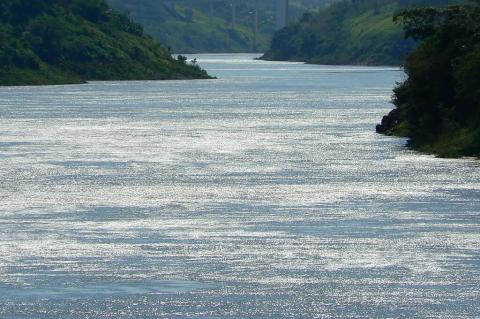
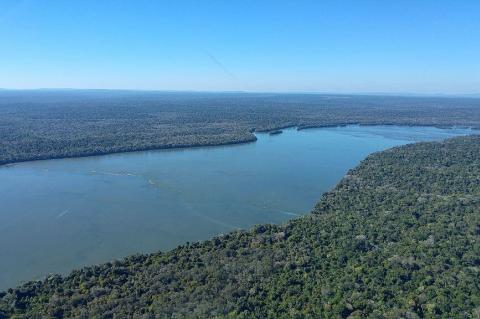
The Iguazú River, one of South America's most remarkable waterways, is a vital natural feature that traverses the landscapes of Brazil and Argentina. Renowned for its breathtaking Iguazú Falls, the river is a critical component of the region's hydrological system, supporting diverse ecosystems and serving as an essential resource for local communities. Originating in the Serra do Mar coastal range, the river winds through lush forests and rugged terrain before culminating in a dramatic series of cascades.

The Lempa River: Central America's Lifeline of Nature and Culture

Flowing through the heart of Central America, the Lempa River is a vital artery that sustains the landscapes, economies, and communities of three nations: Guatemala, Honduras, and El Salvador. As the longest river in El Salvador, it holds immense significance in the region, shaping its environment, history, and cultural identity. The river's diverse ecosystems, historical importance, and economic contributions make it a subject of considerable interest and a focal point for conservation efforts.

The Lerma River: Mexico's Lifeline and Environmental Challenge

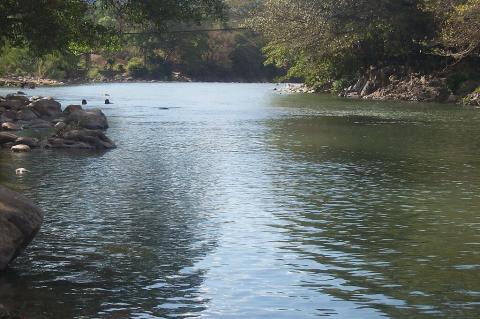
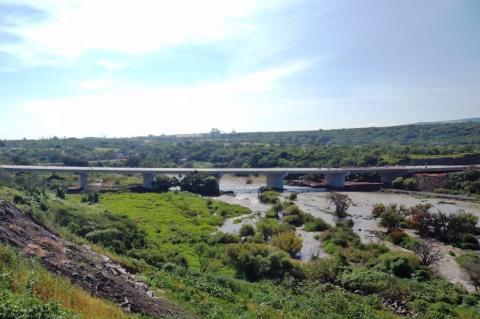
The Lerma River is a significant watercourse within the intricate network of Mexico's waterways, known for its length and crucial role in the Lerma-Chapala basin. Originating near Toluca, this river meanders through diverse landscapes, traversing the states of Mexico, Queretaro, Michoacán, and Guanajuato before emptying into Lake Chapala. The river ranks as the country's second-longest, shaping the ecosystems and livelihoods of millions of people along its course.

The Lifeblood of Eastern Cuba: The Cauto River

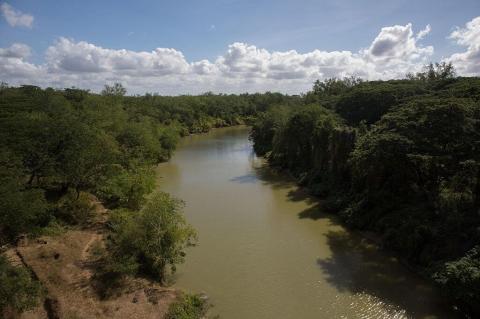
The Cauto River, Cuba's longest and most significant river, winds through the island's eastern region, sustaining ecosystems, agriculture, and communities. As a vital freshwater source, the river plays an essential role in shaping the landscapes and livelihoods of the provinces it traverses. With its diverse ecosystems, economic importance, and cultural significance, the Cauto River is a natural treasure that embodies the interplay between nature and human activity in Cuba.

The Madre de Dios River: Gateway to the Amazon Basin

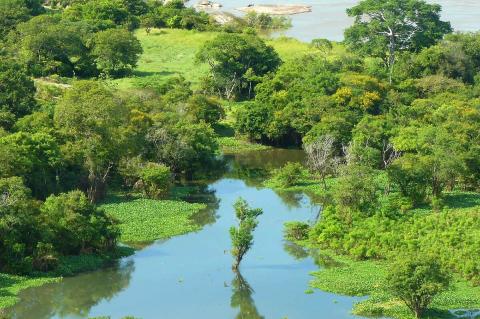
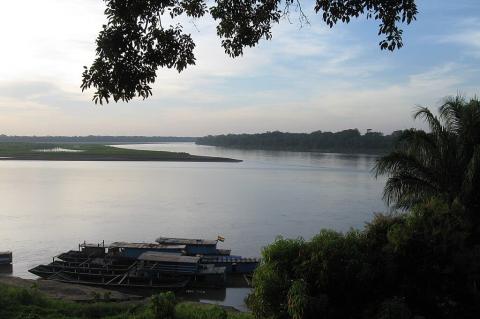
The Madre de Dios River, a vital headwater tributary of the Amazon River, forms an essential part of the Amazon River drainage basin and plays a crucial role in the geography and ecology of Peru and Bolivia. The river, originating in the Andes, flows through vast stretches of tropical rainforest, providing transportation, sustenance, and a lifeline for the sparse populations living along its banks. The river's basin is home to significant biodiversity and supports a variety of ecosystems while also serving as an essential route for the region's Indigenous peoples.

The Maipo River: Lifeline of Central Chile

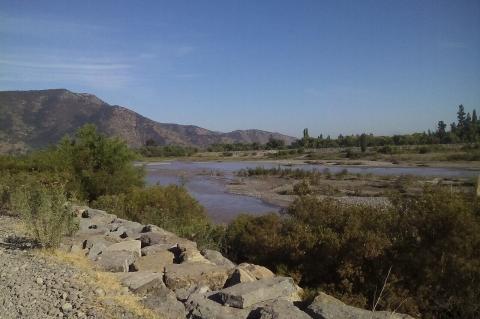
The Maipo River flows from the western slopes of the Andes to the Pacific Ocean, providing approximately 80% of Santiago's freshwater supply for seven million people. The river's basin contains more than 800 glaciers that store critical water during dry summer months. However, climate change has driven dramatic glacier retreat. This vital river system faces mounting pressures from prolonged drought, urban expansion, and agricultural demands, threatening water security for millions while supporting agriculture and industry.

The Marañón River: The Lifeblood of the Amazon's Upper Basin

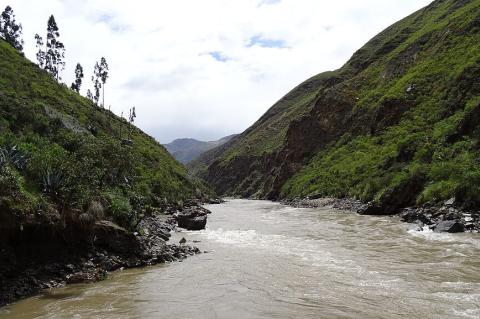
Known as the "Grand Canyon of the Amazon," the Marañón River in Peru is one of South America's most significant waterways. As a principal tributary of the Amazon River, the Marañón shapes the region's geography and serves as a cradle of biodiversity and cultural heritage. It traverses diverse landscapes, from Andean highlands to tropical rainforests, playing a vital role in the ecological and economic life of the region.