South America

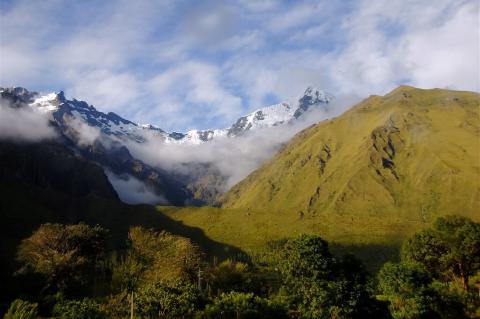
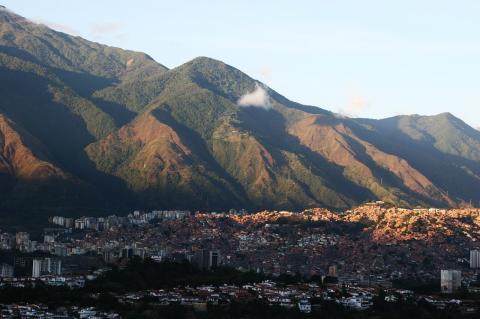
Exploring Cuenca: Ecuador's Cultural Gem in the Andean Highlands

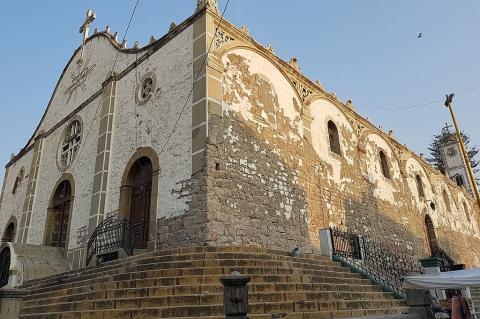
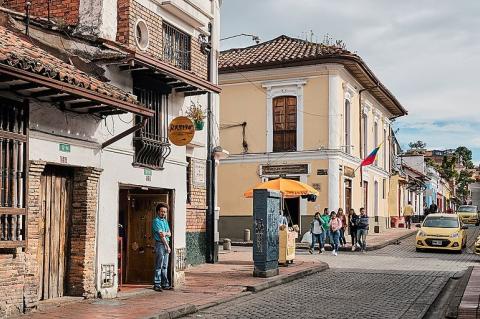
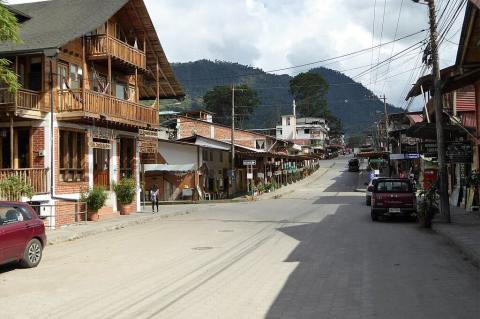
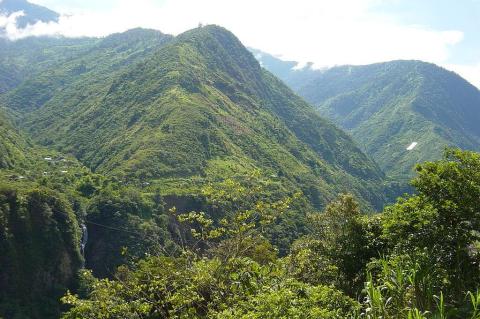
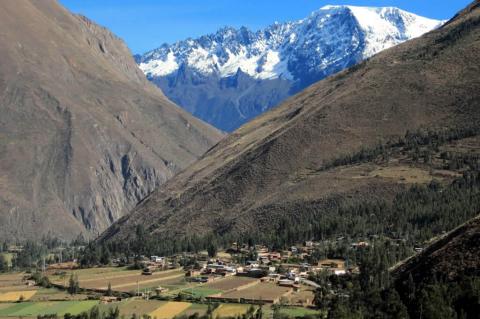
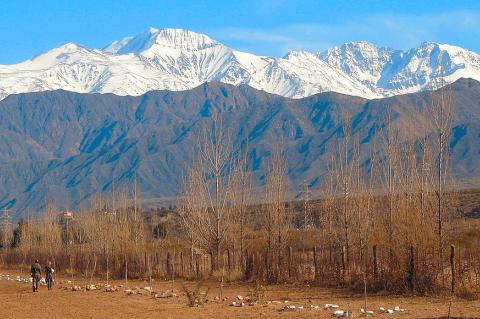
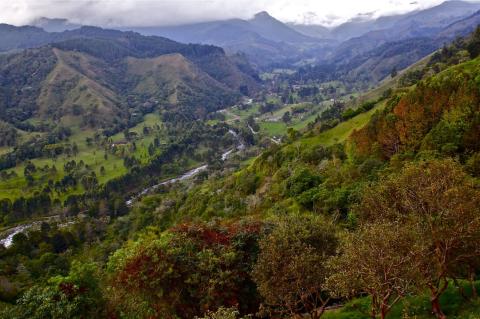
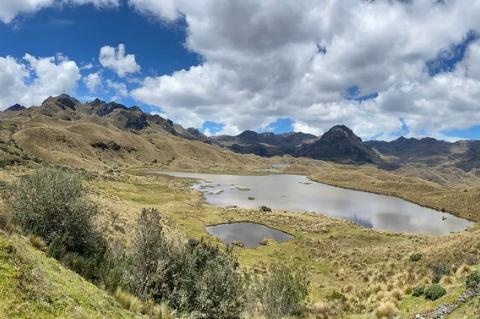
Cuenca is a city in Ecuador's southern highlands known for its cultural richness and historical significance. It is the capital and largest city of the Azuay Province, located at an elevation of approximately 2,560 meters. The town is surrounded by the Andes Mountains and irrigated by four rivers: Tomebamba, Yanuncay, Tarqui, and Machangara. Over centuries, Cuenca's identity has been shaped by its profound connection with the natural environment.
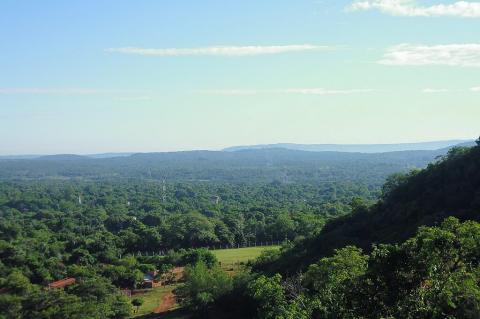
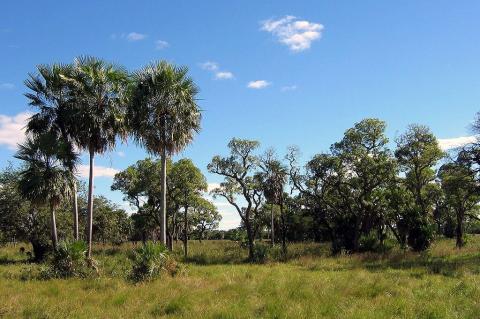
Exploring El Tuparro: Colombia's Savanna Sanctuary

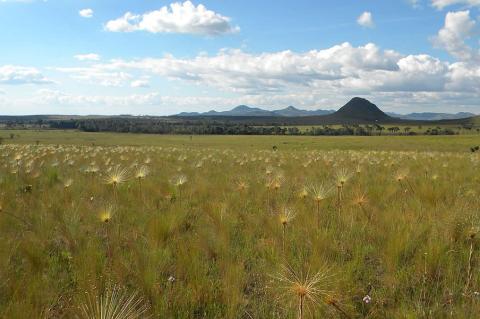
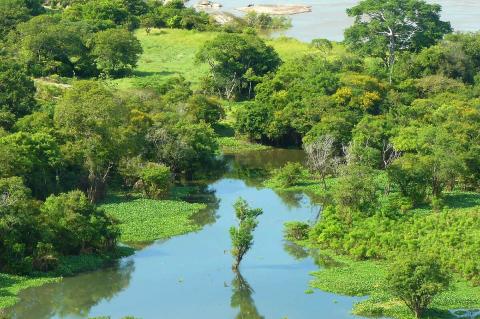
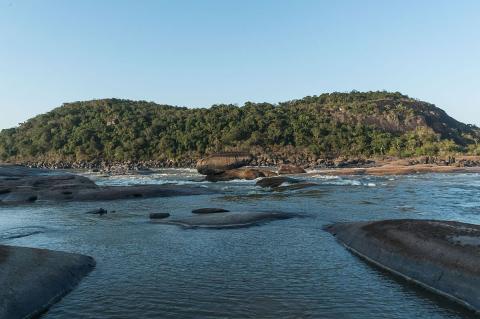
Nestled in the heart of Colombia's Orinoquía Region, the El Tuparro National Natural Park and Biosphere Reserve are a testament to the country's rich natural heritage and cultural diversity. This vast protected area, located in the Eastern Plains (Llanos Orientales), with its undulating landscape, diverse ecosystems, and vibrant indigenous communities, offers a unique opportunity to explore the wonders of the Orinoco Basin and immerse oneself in the region's captivating biodiversity.

Exploring Los Alerces: Argentina's Pristine Wilderness

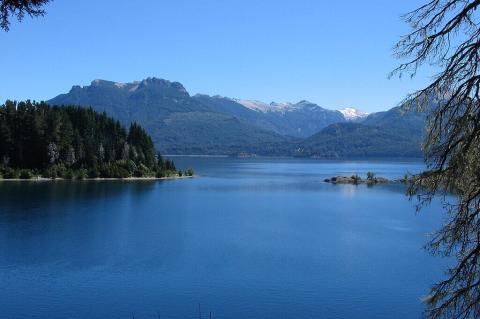
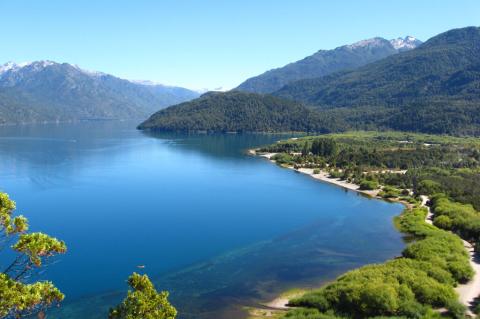
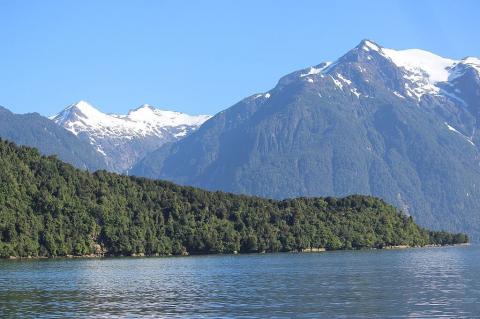
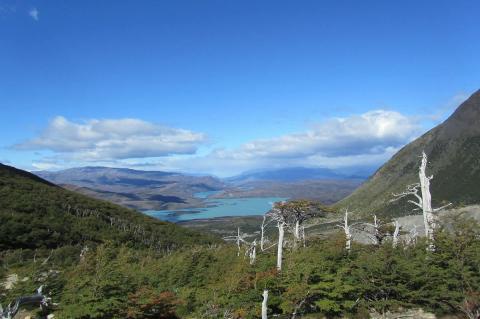
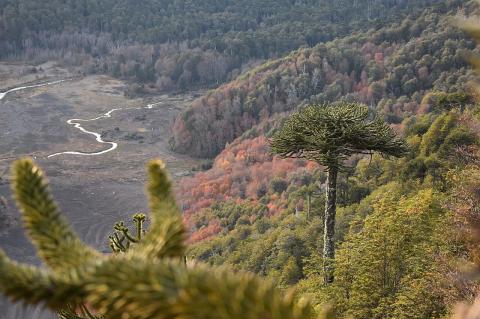
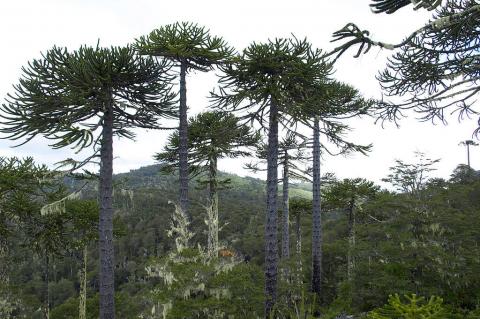
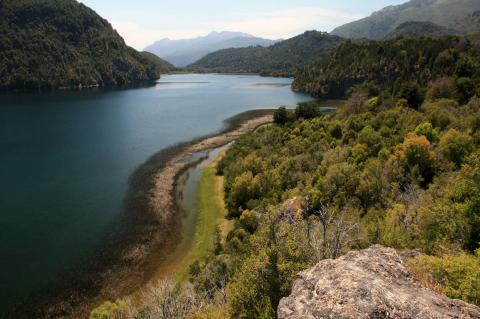
Nestled in the Andes Mountains of northern Patagonia, Argentina, Los Alerces National Park is a pristine natural sanctuary, a haven for diverse ecosystems, ancient forests, and a rich array of flora and fauna. The park's western boundary coincides with the Chilean border, adding to its geographical and ecological significance. Recognized as a UNESCO World Heritage Site, Los Alerces is a critical area for conservation and a testament to the natural beauty and biodiversity of the Patagonian region.

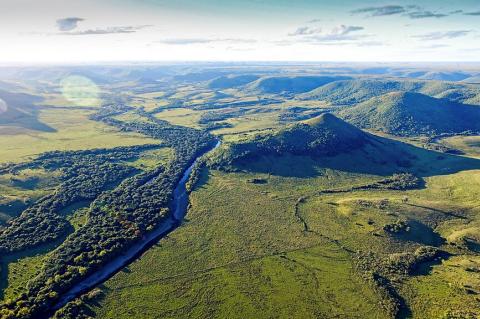
Exploring the Ecological Tapestry of the Bañados del Este Biosphere Reserve

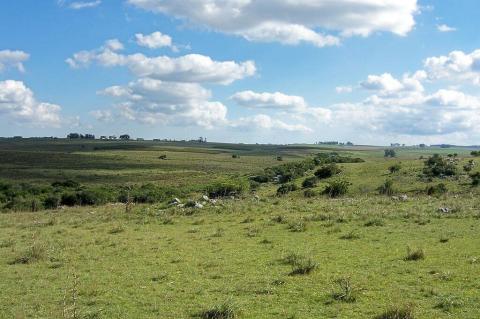
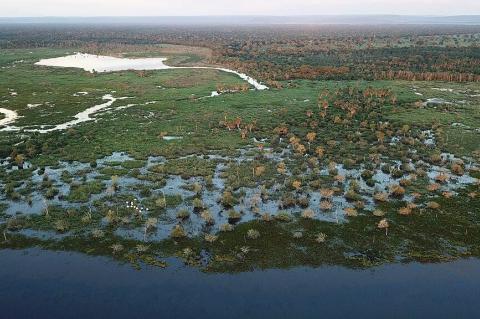
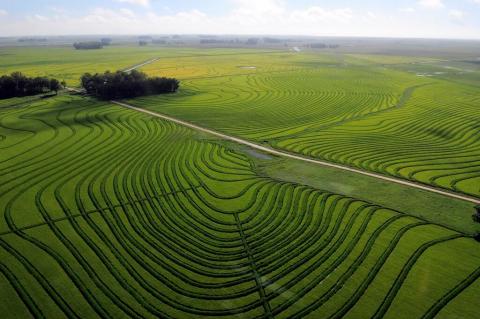
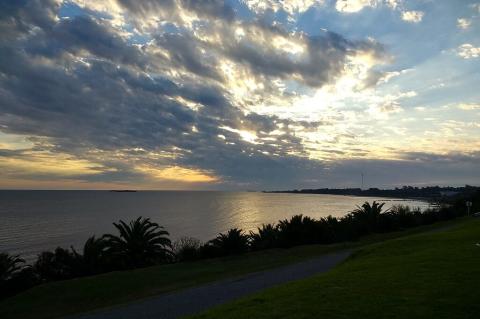
Nestled within the Eastern Wetlands region of Uruguay, the Bañados del Este Biosphere Reserve stands as a testament to the country's commitment to preserving its natural heritage. This UNESCO-recognized reserve is a true ecological marvel, a mosaic of diverse ecosystems that support a remarkable array of plant and animal life. Bañados del Este is a living laboratory for sustainable development, conservation, and the harmonious coexistence of humans and nature.

Exploring the Ecological Treasures of Chile's Desventuradas Islands

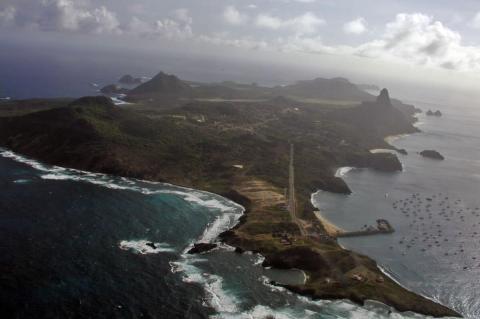
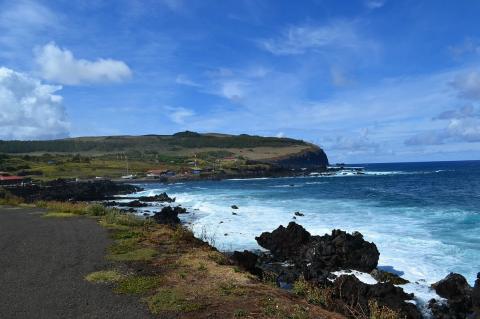
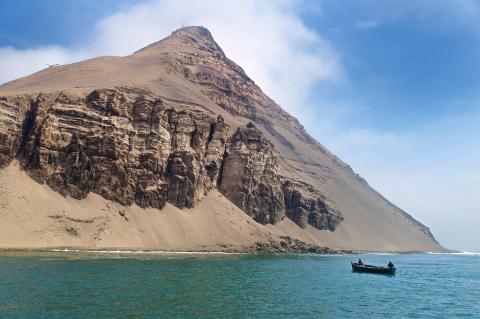
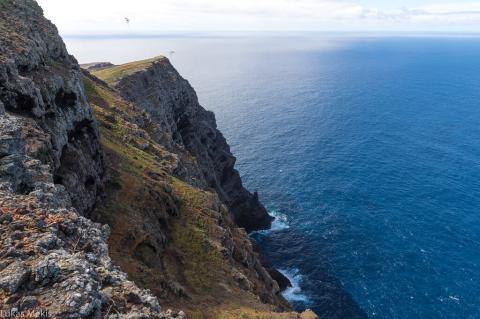
The Desventuradas Islands, comprising San Félix, San Ambrosio, González, and Roca Catedral, are part of Chile’s remote Pacific territories and represent a critical component of the San Félix-San Ambrosio Islands temperate forests ecoregion. These islands, located in the Pacific Ocean off the Chilean mainland, are ecological treasures defined by their remarkable biodiversity, geographic isolation, and ecological significance.

Exploring the Enchanting Catatumbo Moist Forests: A Treasure of Colombia and Venezuela

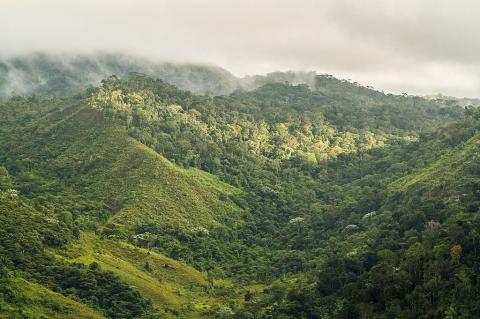
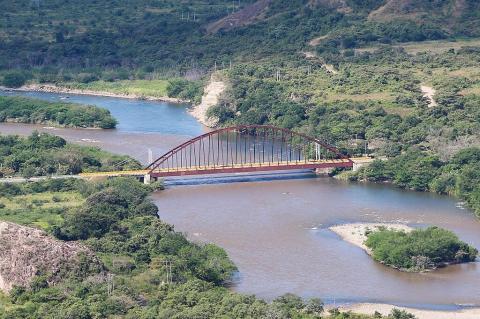
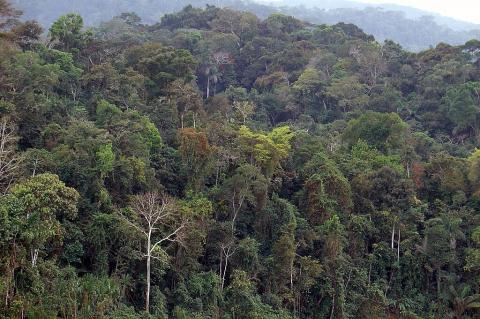
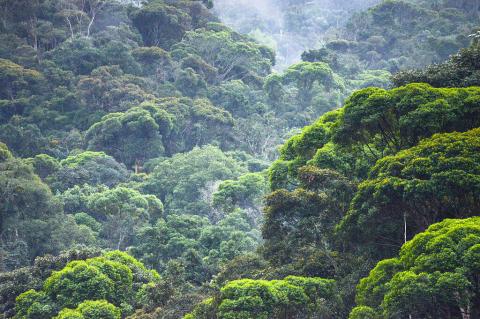
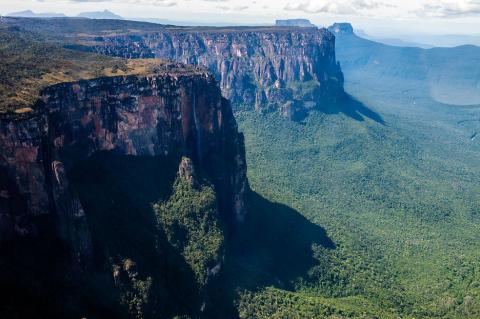
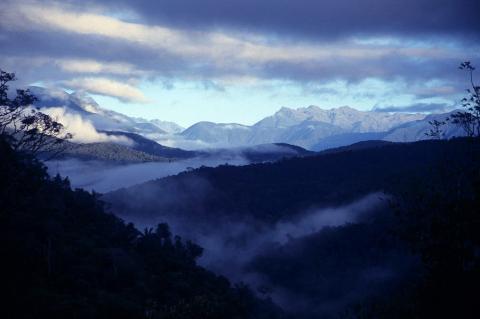
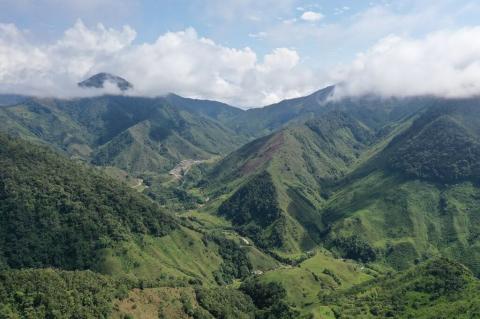
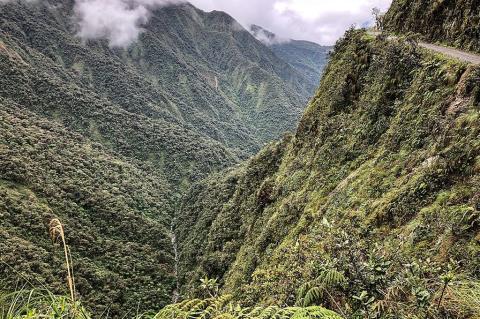
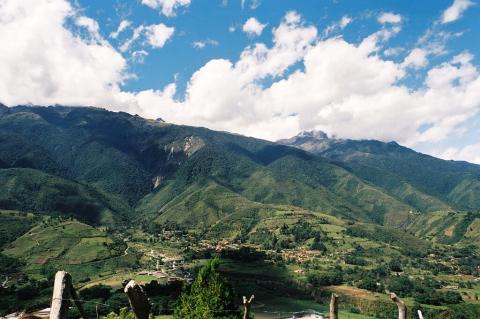
A natural wonder of unparalleled beauty and ecological significance lies along the border between Colombia and Venezuela—the Catatumbo moist forests ecoregion. This enchanting landscape, spanning lush valleys, towering mountains, and winding rivers, captivates the imagination with its rich biodiversity and breathtaking vistas. From its dense rainforests to its mist-shrouded cloud forests, this diverse ecoregion offers a glimpse into a world teeming with life and wonder.
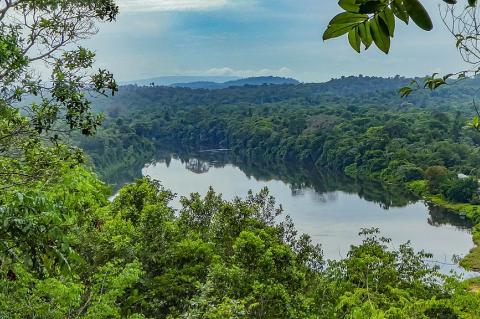
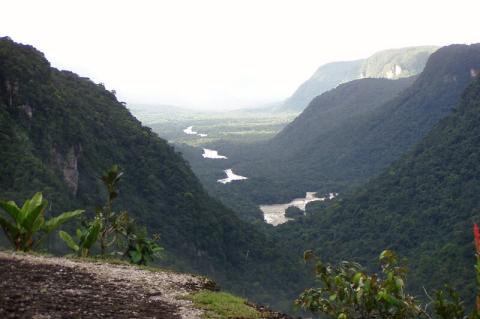
Exploring the Essequibo: Guyana's Mighty Watercourse

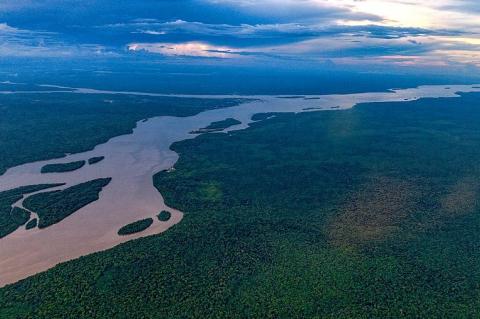
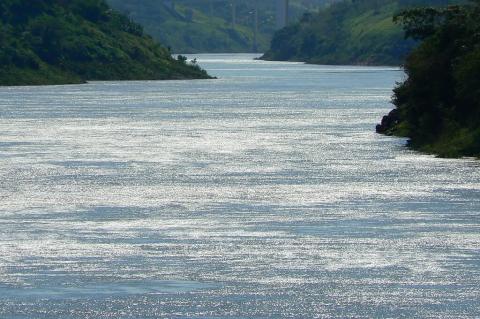
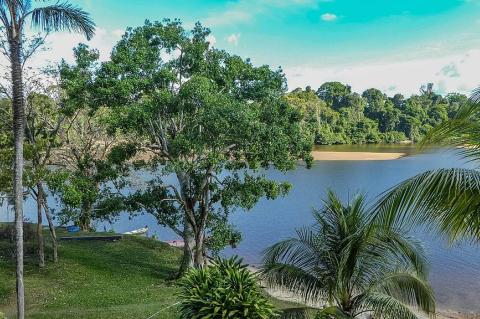
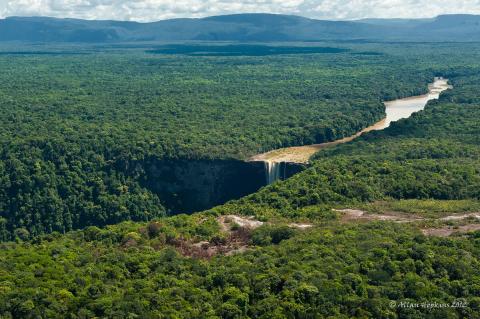
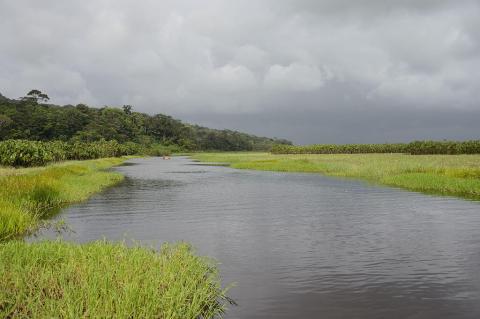
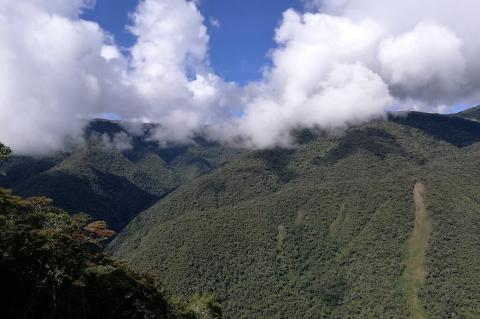
The Essequibo River, a titan among South American rivers, gracefully meanders through the heart of Guyana, leaving an indelible mark on the nation's landscapes, biodiversity, and history. This majestic watercourse, the longest and most comprehensive in Guyana, is a testament to the country's natural splendor and cultural significance, and in recent years has become known internationally as the namesake of a territorial dispute over roughly two-thirds of Guyana's national territory.

Exploring the Guianas: Unveiling Caribbean South America

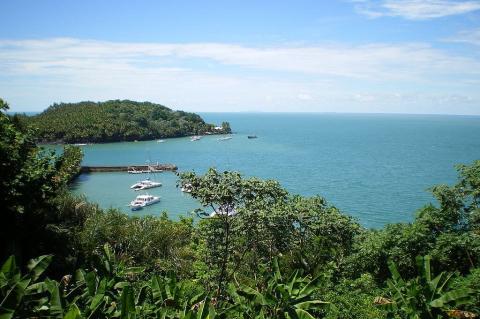
Located on the Caribbean coast of South America, the Guianas consist of French Guiana, Guyana, and Suriname, and boast a diverse blend of cultures built atop one of the oldest and most stable landmasses on Earth. Despite their small size and modest populations, these three territories have in recent years become disproportionately significant on the world stage even as their rainforests remain among the least disturbed on the continent.

Exploring the Gulf of Venezuela and the Guajira Peninsula

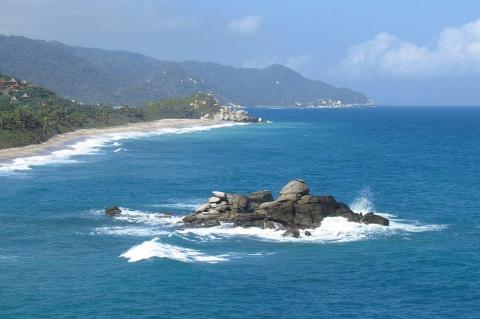
The Gulf of Venezuela and the Guajira Peninsula, located at the meeting point of the Caribbean Sea and South America, are of strategic importance due to their ecological diversity and role in regional trade and natural resource extraction. The Gulf serves as a vital shipping route for petroleum, while the Guajira Peninsula is home to the Indigenous Wayuu people and diverse ecosystems. However, territorial disputes between Colombia and Venezuela add geopolitical complexity to the region.
Exploring the Kanuku Mountains: A Biodiversity Hotspot in Guyana

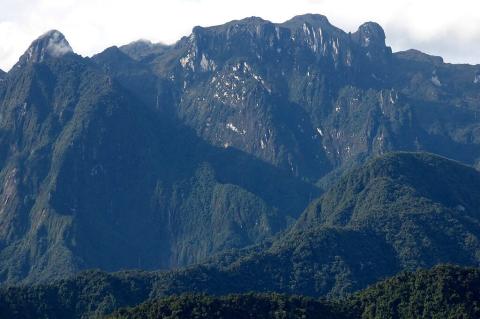
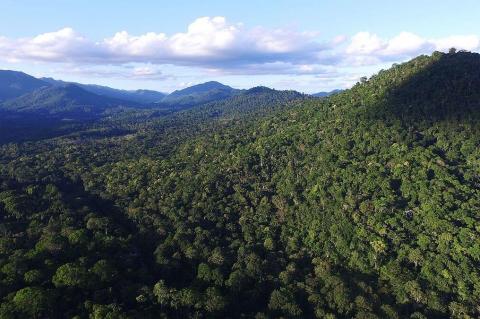
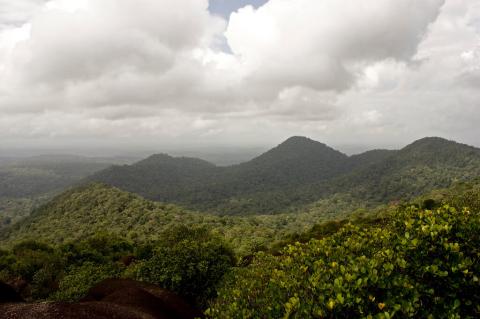
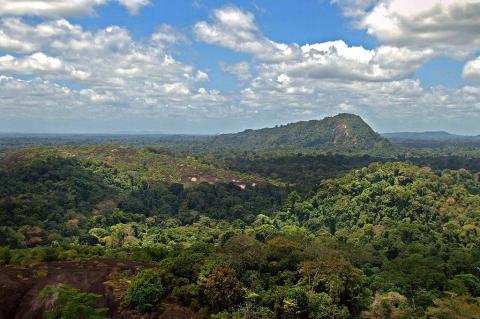
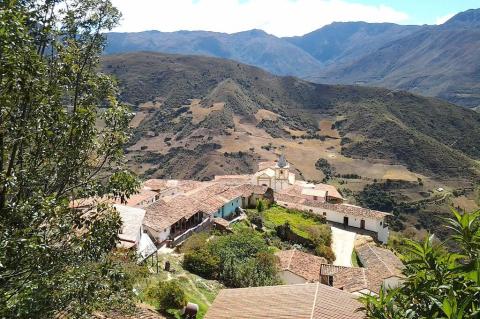
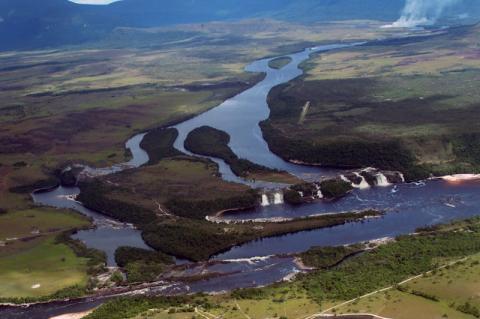
Nestled in the heart of Guyana's Rupununi region, the Kanuku Mountains are a breathtaking natural wonder, boasting an unparalleled diversity of flora and fauna. This east-west mountain range, which divides the Rupununi from the north's wetlands and the south's savannas, is a true gem in the country's ecological tapestry. The Kanuku Mountains Protected Area is a sanctuary for countless rare and endangered species.