South America

Ica and Huacachina: Oases of Culture and Nature in Peru's Desert South

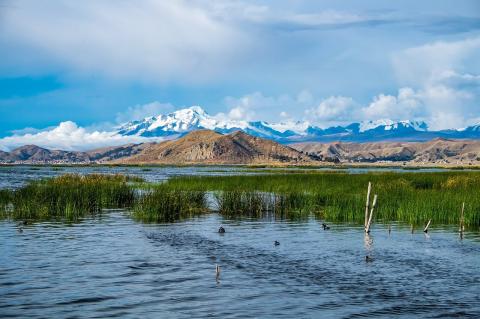
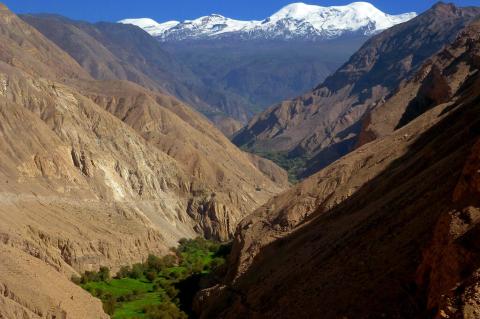
Nestled between the barren expanses of the Ica Desert and the vibrant culture of southern Peru lies the city of Ica, a place rich in history, natural wonders, and iconic traditions. Known for its ties to the ancient Inca civilizations and the Spanish colonial period and as the home of Peru's national drink, Pisco, Ica has much to offer. Just beyond the city's boundaries lies one of Peru's most stunning natural features: the Huacachina Oasis, a shimmering jewel in the desert landscape that attracts travelers from across the globe.

Iguaçu Falls: Brazil’s Thunderous Natural Wonder

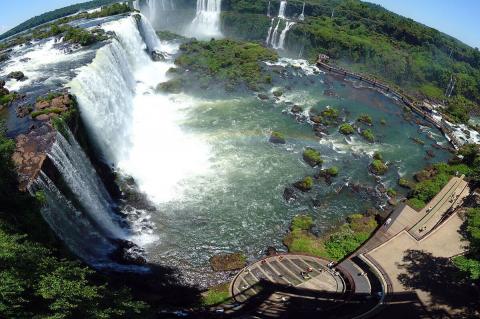
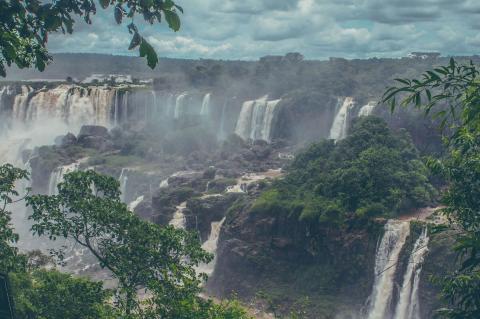
Iguaçu Falls, known as Cataratas do Iguaçu in Brazil and Cataratas del Iguazú in Argentina, is one of the world's most magnificent natural spectacles. The Brazilian side offers a view found nowhere else: a single, sweeping panorama of nearly the entire waterfall system at once, rather than the closer, cascade-by-cascade perspective the Argentine park offers. Spanning 2.7 km and featuring around 275 individual waterfalls, Iguaçu is nearly three times as wide as North America's Niagara Falls and considerably broader than Africa's Victoria Falls.
Iguazú Falls, Argentina: A Natural Wonder on the Border

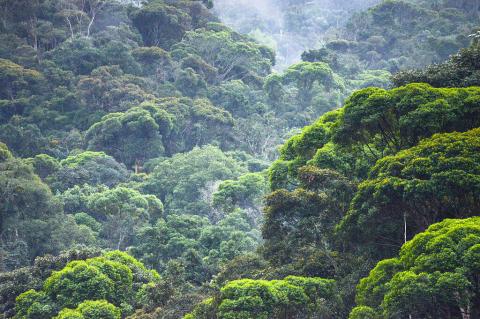
Iguazú Falls, straddling the Argentina-Brazil border, is one of the world's most spectacular natural wonders. This waterfall system is divided into 150 to 300 individual falls, depending on the river's flow, including the iconic Devil's Throat, and draws millions of visitors annually. The falls are surrounded by lush subtropical rainforest protected on both sides of the border, known in Brazil as Iguaçu National Park and in Argentina as Iguazú National Park, together forming a UNESCO World Heritage Site renowned for its biodiversity and conservation significance.
Iquique: The Shimmering Jewel of Northern Chile

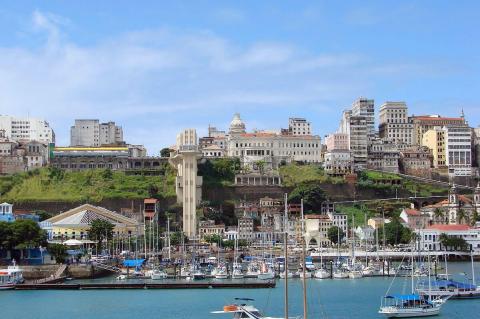
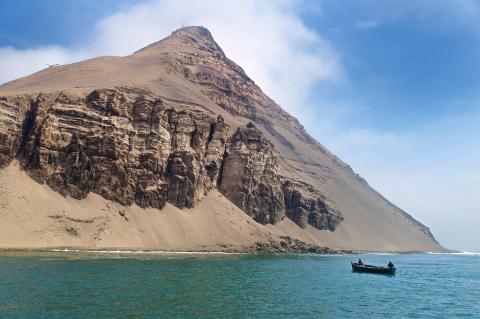
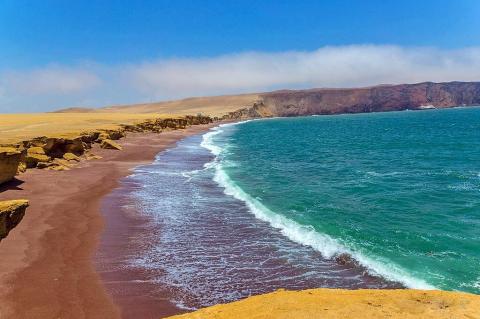
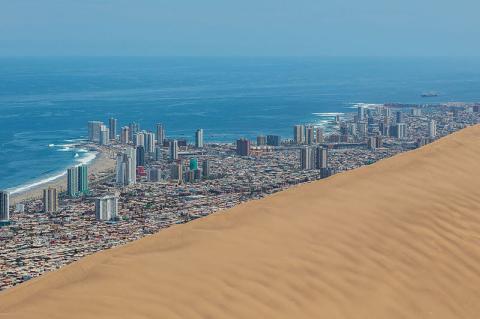
Perched between the Pacific Ocean and the Atacama Desert, Iquique is a city of breathtaking contrasts. This northern Chilean city, renowned for its dramatic landscapes, rich cultural heritage, and dynamic economy, has evolved from a historic nitrate boomtown into a modern hub of trade, tourism, and adventure. With its blend of pristine beaches, architectural marvels, and access to some of the most stunning desert scenery in the world, Iquique offers an unparalleled window into Chile's vibrant past and promising future.
Iquitos Várzea: A Flooded Wonderland

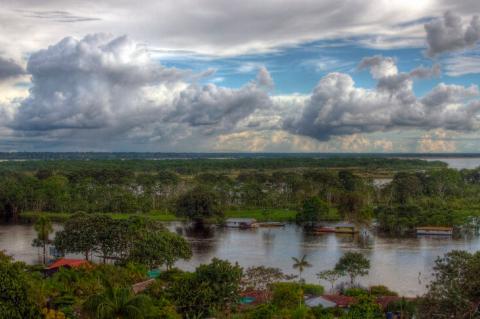
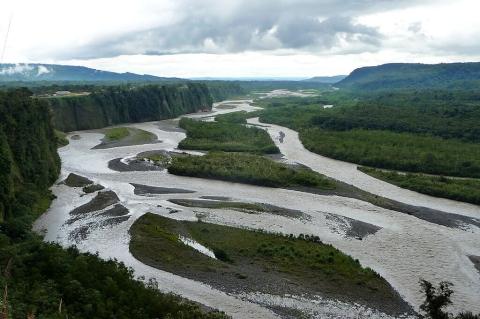
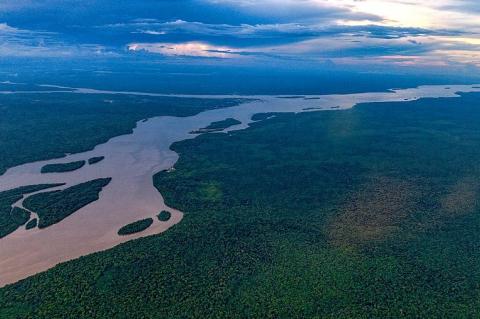
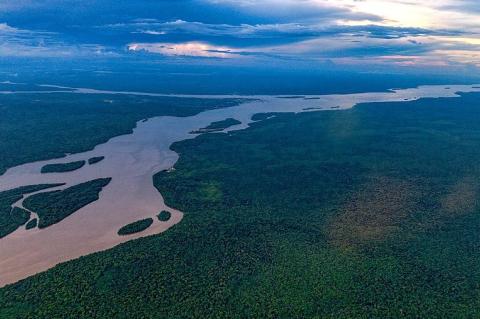
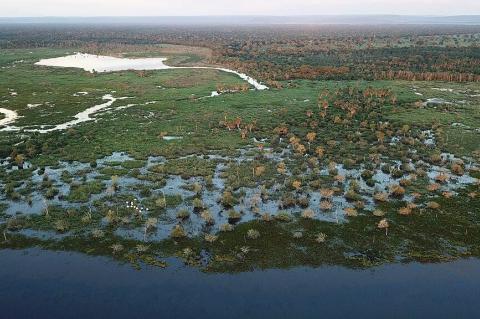
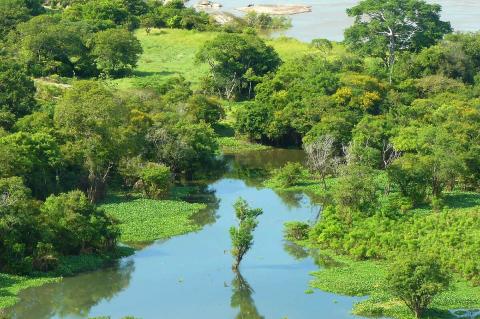
The Iquitos várzea is a remarkable floodplain ecosystem in the upper Amazon Basin. It extends across the Amazon, Ucayali, Marañon, and Madre de Dios rivers in northeastern Peru and into northern Bolivia and northwestern Brazil. This vast region is an iconic example of the várzea ecosystem, where seasonal flooding is crucial in shaping the landscape and sustaining its diverse plant and animal life.

Iquitos: Gateway to the Amazon's Heart

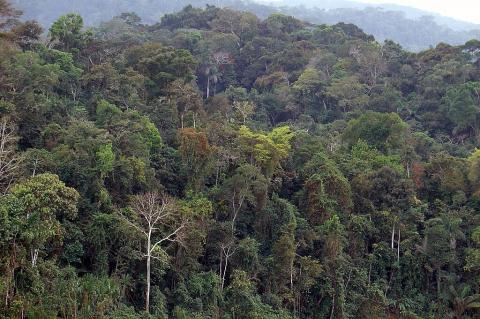
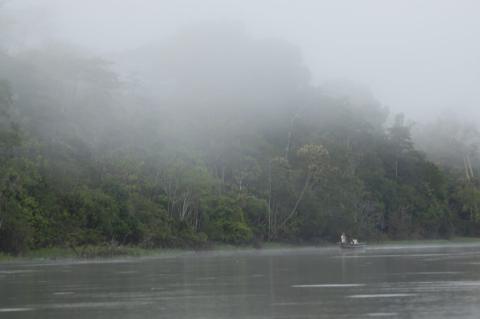
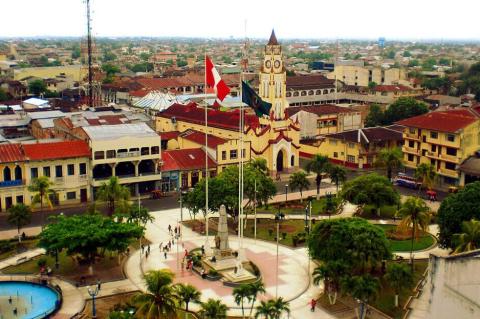
Deep within the emerald embrace of the Peruvian Amazon, where the muddy waters of the Amazon River carve their ancient path toward the Atlantic Ocean, sits one of South America's most remarkable cities. Iquitos, the capital of Peru's Loreto region, stands as a testament to human adaptability and the enduring allure of the world's greatest rainforest. This bustling metropolis holds the distinction of being the largest city in the world that cannot be reached by road, accessible only by air or by navigating the labyrinthine waterways that have served as highways for centuries.

Iruya: Journey to Argentina’s Hidden Highland Town

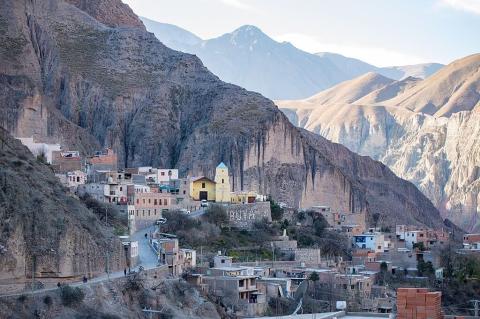
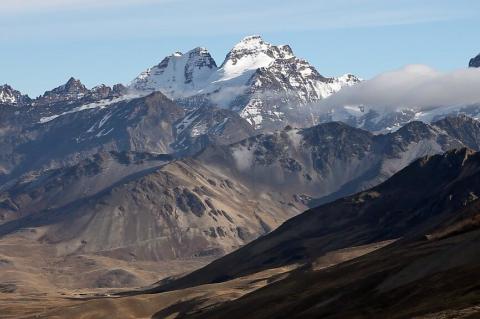
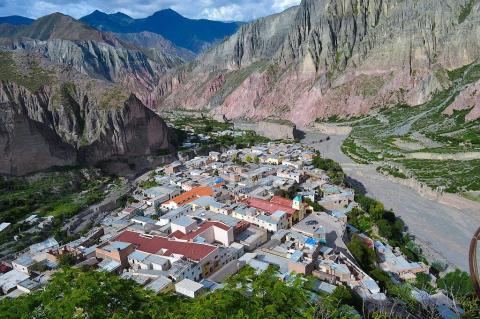
Located within the dramatic mountainous landscape of the Altiplano in northwestern Argentina, Iruya is known for its stunning geographical beauty and rich cultural heritage. Situated along the Iruya River, this picturesque town is part of the Salta province, near the border with Bolivia. Known for its blend of aboriginal and Hispanic cultures, Iruya offers a unique glimpse into the region's history and traditions.

Ischigualasto and Talampaya Natural Parks: Geological Treasures of Argentina

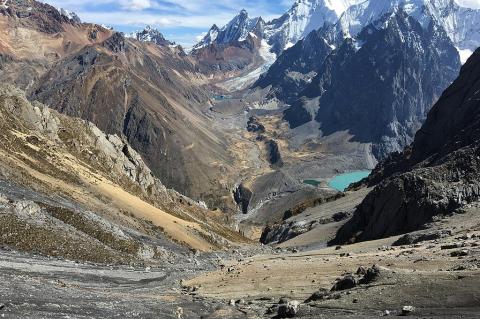
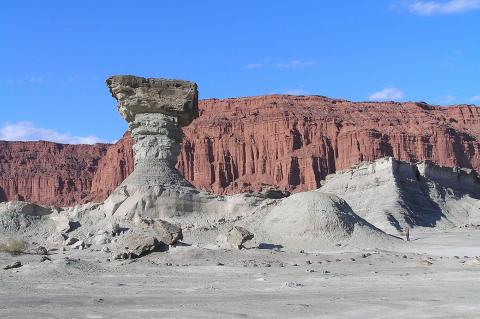
Nestled amidst the rugged and arid landscapes of the Cuyo region in central Argentina, the Ischigualasto and Talampaya Natural Parks emerge as awe-inspiring monuments to the Earth's ancient past, offering a glimpse into the distant worlds of the Triassic Period. These two adjoining protected areas, spanning an expansive pristine wilderness, form a UNESCO World Heritage Site recognized and celebrated for their profound geological and paleontological significance.

Isla Magdalena National Park: A Patagonian Treasure

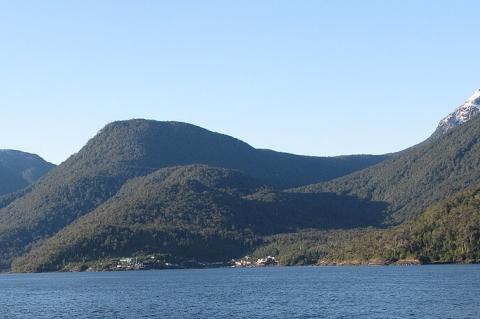
Isla Magdalena National Park, located in Chile's Aysén Region, is a pristine wilderness showcasing southern Patagonia's rugged beauty and biodiversity. The park encompasses approximately 80% of Magdalena Island, one of the largest islands south of Chiloé, making it a significant protected area within the region. Dominated by the extinct Montalat volcano, the island's varied landscapes, rich ecosystems, and cultural history make it an essential destination for nature enthusiasts and conservationists.

Islands in the Sky: Venezuela's Gran Sabana

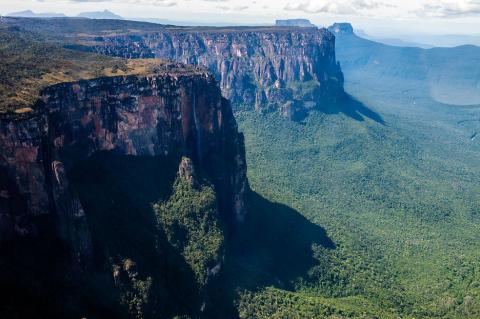
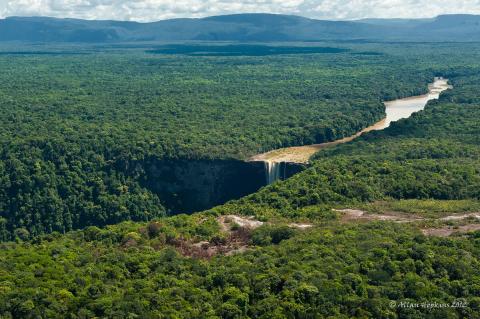
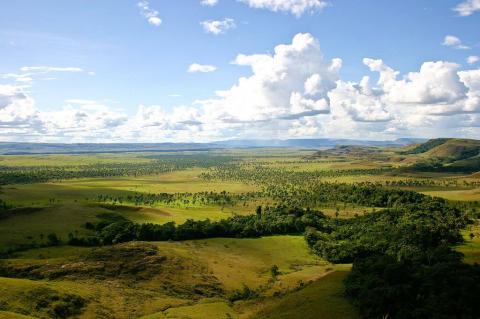
La Gran Sabana is a vast plateau in southeastern Venezuela within Canaima National Park, part of the Guiana Shield. It features spectacular tepuis—isolated tabletop mountains with sheer cliffs above savannas—and hosts over 4,800 plant species, including many endemic and carnivorous plants. The Pemon people have lived here for millennia, and landmarks like Mount Roraima and Angel Falls highlight its ancient, unique landscape, facing threats from fire, mining, and climate change.