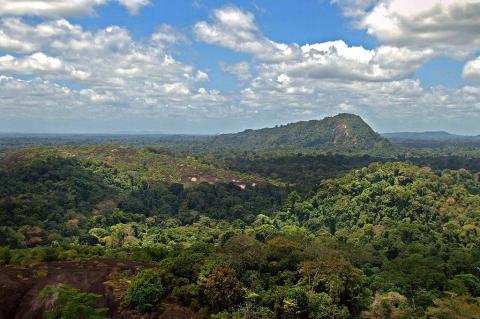
South America

Bosque de Fray Jorge National Park: Oasis of Biodiversity and Natural Beauty

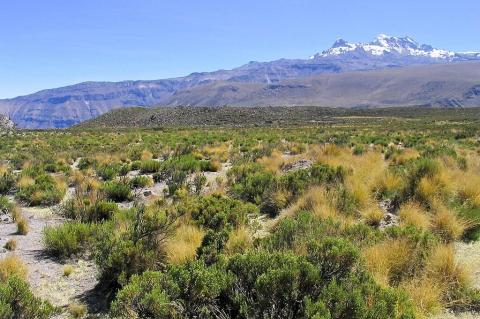
Nestled amidst the arid landscapes of the Atacama Desert, Bosque de Fray Jorge National Park emerges as a verdant oasis of biodiversity and natural beauty within the Cordillera de Talinay, part of the Chilean Coastal Range. Situated approximately 100 kilometers south of La Serena on the Pacific Ocean, this national park is a testament to the resilience of life in the face of challenging environmental conditions.

Bosque Seco Biosphere Reserve: Natural Splendor Meets Cultural Heritage

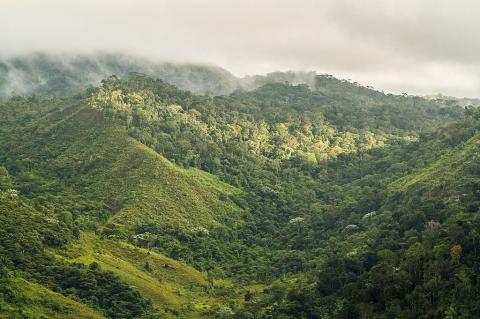
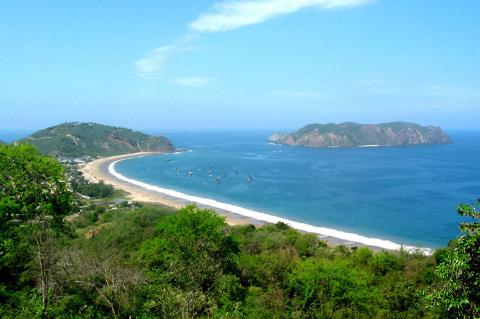
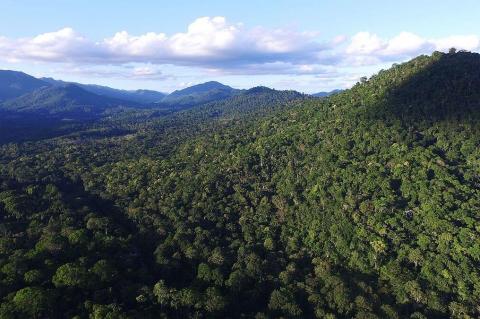
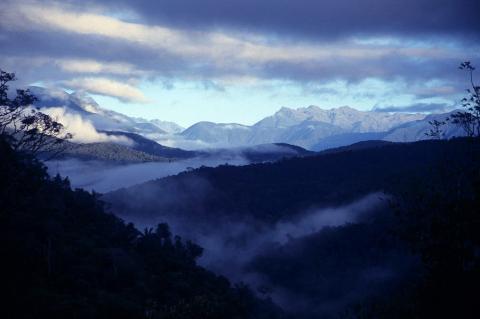
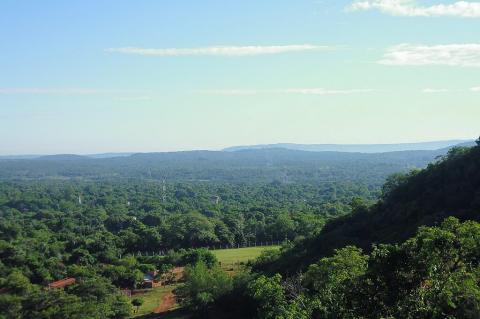
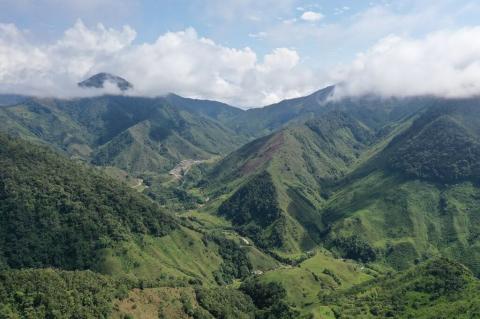
The Bosque Seco Biosphere Reserve is a biodiverse haven with diverse landscapes, from mountains to plains, providing vital climate regulation and water services. Home to Ecuador's best-preserved dry forests, the reserve boasts rich flora and fauna. Collaborating with Peru, it became part of the Bosques de Paz Transboundary Biosphere Reserve, showcasing the nexus of nature and culture.

Brasília: A Modernist Utopia in the Heart of Brazil

Brasília is Brazil's federal capital and the seat of its government. Founded in 1960 on a high plateau in the Brazilian Highlands, it was built from scratch in just 41 months to move the country's center of power inland from the coast. Designed by Lúcio Costa and Oscar Niemeyer, it is one of the most ambitious planned cities of the twentieth century and has been a UNESCO World Heritage Site since 1987. The capital is the center of the Federal District, home to about 2.8 million people, and is the third-largest city in Brazil.

Brazil's Eastern Frontier: Exploring the Atlantic Coastal Lowlands

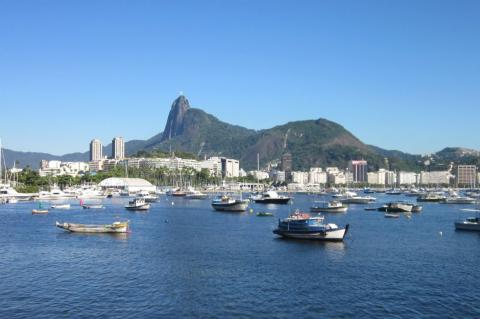
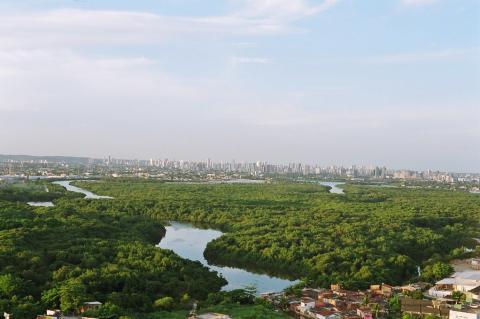
The Atlantic Coastal Lowlands extend along Brazil's eastern coastline, from Amapá to Rio Grande do Sul, bordering the Atlantic Ocean. This region is characterized by sandy beaches, lagoons, and mangrove swamps, with flat plains that gradually rise inland toward the Brazilian Highlands. It holds historical and economic significance, containing some of Brazil's largest cities and essential ecosystems supporting biodiversity.

Brazil's Emerald Necklace: A Journey into the Serra do Mar Coastal Forests

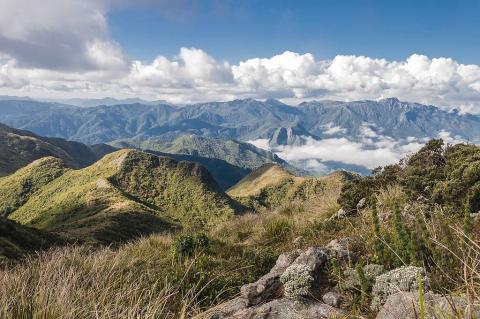
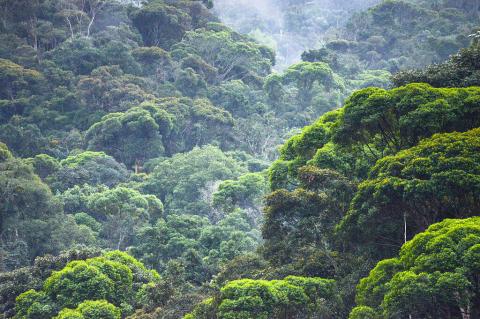
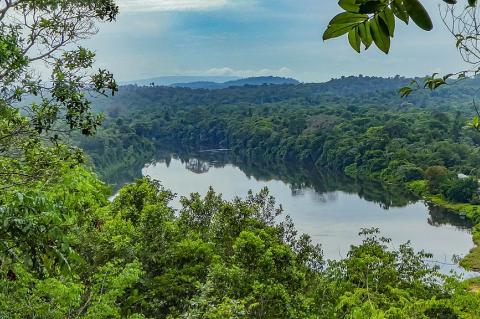
The Serra do Mar Coastal Forests, an ecoregion nestled along Brazil's southeastern and southern coast, is a bastion of biodiversity and ecological richness within the Atlantic Forest biome. Covering approximately 104,800 sq km and extending some 1,000 km along the coast, this ecoregion encompasses a mosaic of montane forests, high summits, and lush valleys, creating a haven for many plant and animal species.

Brazilian Atlantic Islands: A UNESCO World Heritage Site

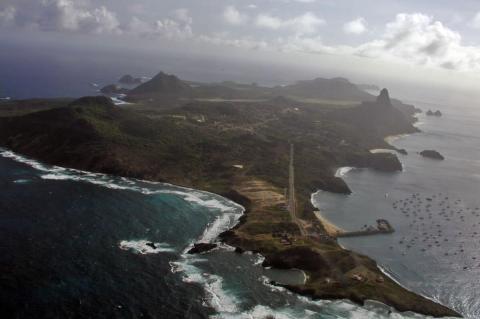
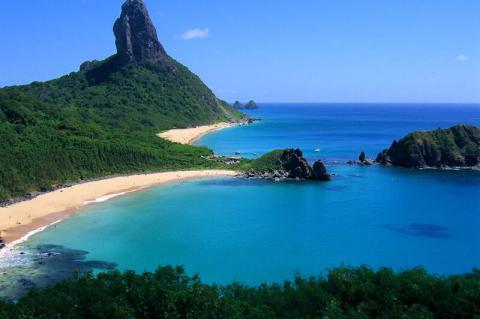
The Brazilian Atlantic Islands, comprising the Fernando de Noronha Marine National Park and the Atol das Rocas Biological Reserve, form an exceptional UNESCO World Heritage Site recognized for their unique biodiversity, stunning landscapes, and significant ecological roles in the South Atlantic. The archipelago of Fernando de Noronha, located off the northeastern coast of Brazil, plays a critical role in maintaining the ecological balance of the South Atlantic.

Bridging Civilizations: The Enduring Legacy of Argentina's Quebrada de Humahuaca

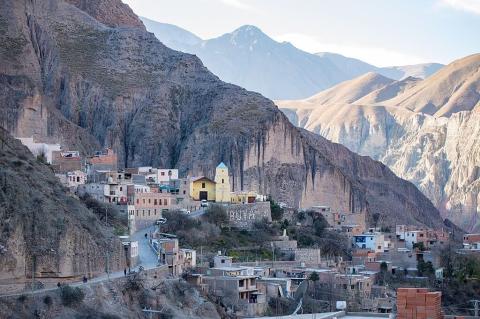
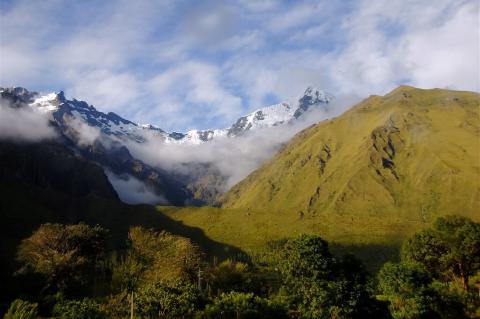
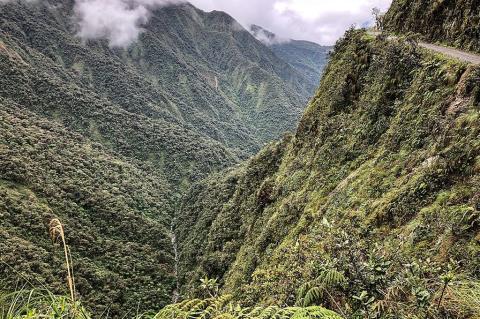
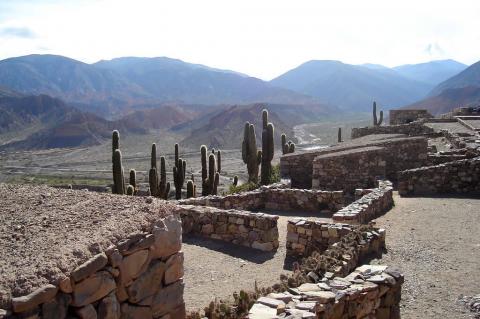
Nestled in the heart of Argentina's Jujuy Province, the Quebrada de Humahuaca stands as a testament to the enduring relationship between human civilization and the natural world. This narrow, arid valley, stretching along the Río Grande, has been a crucial passageway for people, goods, and ideas for over 10,000 years. Recognized as a UNESCO Site, the Quebrada de Humahuaca offers visitors a unique blend of stunning landscapes, rich cultural heritage, and a living history that continues to shape the region today.
Buenos Aires: The Paris of South America

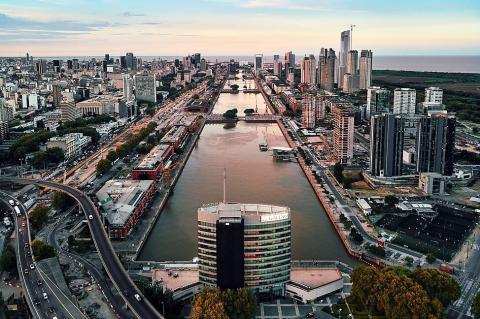
Buenos Aires, on the Río de la Plata's western shore, is one of South America's most lively and architecturally impressive cities. With about 15 million residents in the metro area, it ranks among the top 20 urban centers globally. Known as the "Paris of South America" for its European-style boulevards, Belle Époque architecture, and vibrant culture, it defies simple labels. From La Boca's colorful conventillos to Recoleta's aristocratic cemetery, Palermo's galleries, and Casa Rosada, the city showcases Argentina's cultural richness and uniqueness— a European city transformed into its own unique place.
Caatinga Biosphere Reserve: Embracing the White Forest

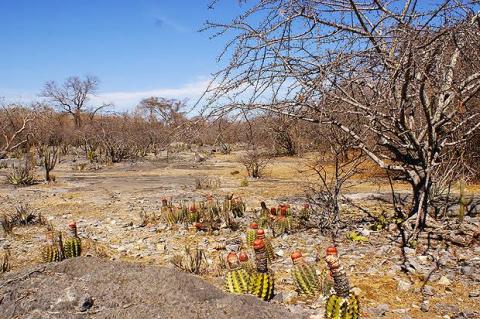
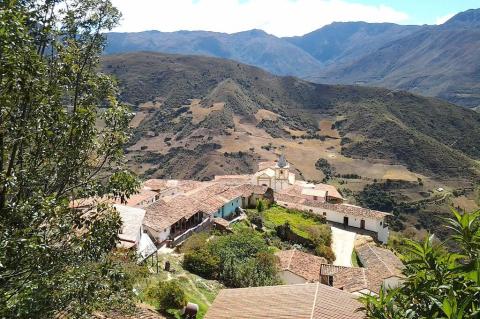
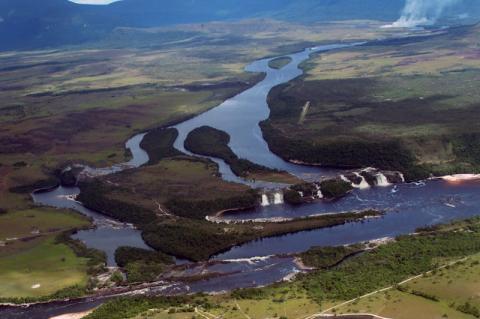
The Caatinga Biosphere Reserve in Northeast Brazil is a vast semiarid region known for its distinctive Caatinga vegetation. Spanning six units, the reserve hosts diverse ecosystems, from high forests to gallery forests. With a strategic focus on research, environmental education, and sustainable development, the Caatinga Biosphere Reserve is a resilient model in arid ecological conditions.

Cabo de Hornos National Park: The Southernmost Wilderness of Chile

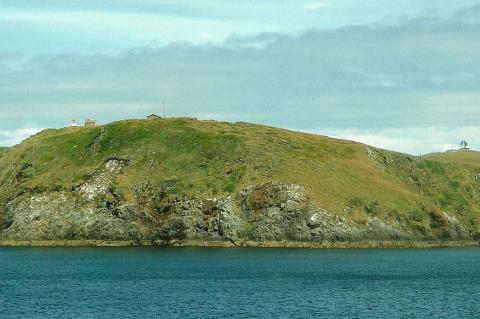
Cabo de Hornos National Park stands as the southernmost national park in the world, except for the disputed Chilean Antarctic Territory. Nestled in the remote Wollaston Archipelago within the Hermite Islands complex, this park forms part of the core area of the Cabo de Hornos Biosphere Reserve. A testament to the pristine and rugged beauty of southern Chile's wilderness, it is characterized by its unique geographical features, extreme weather conditions, diverse flora and fauna, and its significant role in global conservation efforts.