National Landmark

Pampulha Modern Ensemble: Masterpiece of Brazilian Modernism

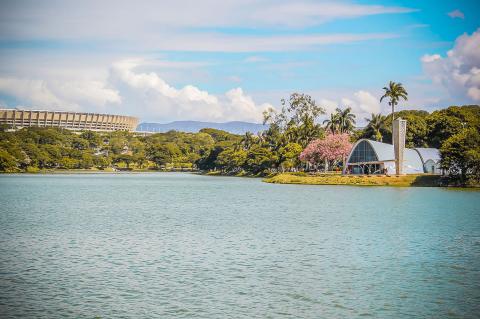
Encircling an artificial lake in Belo Horizonte, the Pampulha Modern Ensemble stands as one of the 20th century's most influential architectural achievements. Created in 1940, this cultural and leisure complex represents a pivotal moment when modernist architecture broke free from rigid European orthodoxy to embrace the curves, colors, and climate of Brazil. Through the work of architect Oscar Niemeyer, landscape designer Roberto Burle Marx, and a collaborative team of innovative artists, Pampulha pioneered an organic modernism that would echo throughout Latin America and beyond.
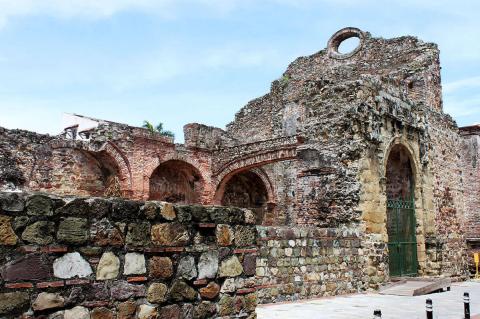
Panamá Viejo and Casco Antiguo: The Colonial Foundations of Modern Panama

Panamá Viejo, founded in 1519, is a testament to Panama's rich colonial history. It is the oldest continuously occupied European settlement on the Pacific coast of the Americas. Panamá Viejo retains its historical significance as the foundation of modern Panama City despite enduring natural disasters, pirate attacks, and relocation. It forms a UNESCO World Heritage Site with the Historic District of Panama, Casco Antiguo.

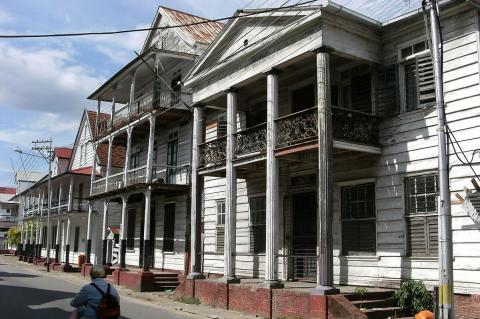
Paramaribo's Historic Inner City: A UNESCO World Heritage Jewel

Nestled along the Suriname River in northeastern South America, Paramaribo, Suriname’s capital and largest city, is celebrated for its rich historical legacy and diverse cultural fabric. Paramaribo is a testament to Suriname’s colonial history and vibrant multicultural society. Designated as a UNESCO World Heritage Site under the title “Historic Inner City of Paramaribo,” the city is known for its distinctive blend of Dutch colonial architecture, tropical setting, and cultural fusion.

Plaza de Armas: The Historic Heart of Santiago

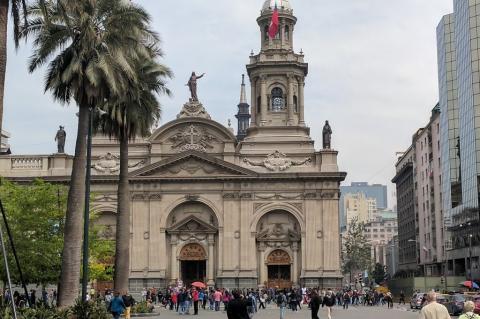
Since Spanish conquistador Pedro de Valdivia laid out the city grid, Plaza de Armas has served as the symbolic and geographical heart of Santiago—the point from which all distances in Chile are measured, the gathering place where generations of Chileans have celebrated, protested, and witnessed their nation's tumultuous history unfold. This large central square, shaded by Chilean palm trees and anchored by a fountain celebrating South American liberator Simón Bolívar, represents the enduring legacy of Spanish colonial urban planning.

Preserving Haiti's Rich Heritage: The National History Park - Citadel, Sans-Souci, Ramiers

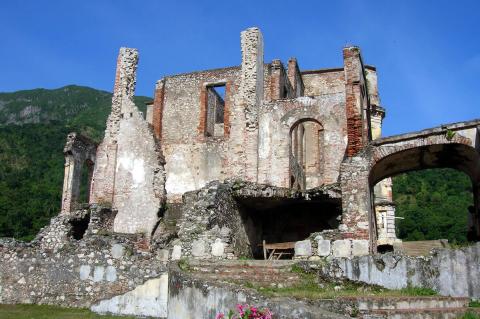
Nestled amidst the rugged peaks of the Massif du Nord in Haiti lies a testament to the island's tumultuous past and enduring spirit: the National History Park - Citadel, Sans-Souci, Ramiers. This UNESCO World Heritage Site is a poignant reminder of Haiti's rich cultural heritage and storied journey to independence. Set against the backdrop of lush tropical forests and majestic mountains, the park is a living testament to the resilience and determination of the Haitian people, who have overcome centuries of colonial oppression and adversity.

Preserving the Past: The Historic Legacy of Trinidad and the Valle de los Ingenios

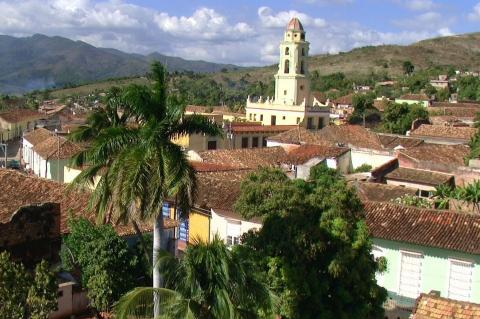
Trinidad, a city steeped in history and charm, is located in the province of Sancti Spíritus in central Cuba. Trinidad flourished during the late 18th and 19th centuries as a hub of the sugar industry. The nearby Valle de los Ingenios played a crucial role in this prosperity, with its numerous sugar mills driving the region's economic growth. Today, Trinidad and the Valle de los Ingenios form a UNESCO site, preserving the architectural splendor and industrial heritage of a bygone era.

Quito's Historic Center: A Cultural Crossroads in the Andes

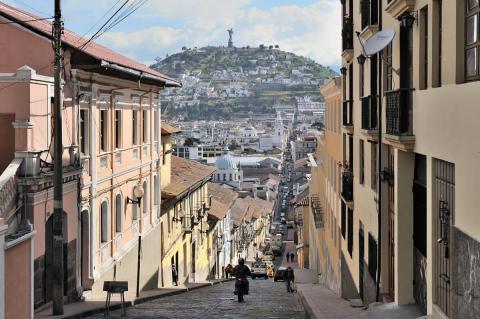
The Historic Center of Quito, Ecuador, represents a profound blend of history, culture, and architectural marvels. Designated as a UNESCO World Heritage Site, this remarkable area showcases the convergence of indigenous traditions, Spanish colonial influence, and modern developments. It remains a vibrant testimony to centuries of cultural and historical evolution, offering visitors a glimpse into Quito's rich and dynamic past.

Recoleta, Buenos Aires: A Historic and Cultural Jewel

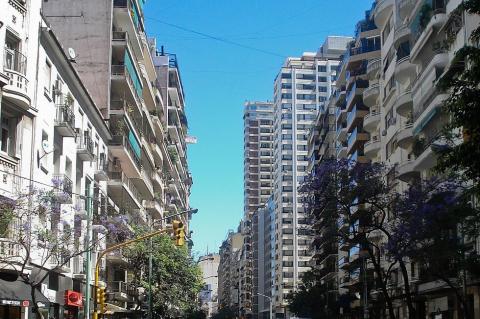
Recoleta is one of Buenos Aires' most distinguished neighborhoods, renowned for its blend of history, architecture, and culture. This downtown residential area is defined by its stunning Beaux-Arts architecture, elegant mansions, and the world-famous La Recoleta Cemetery. Originally named after a Franciscan monastery, the neighborhood has evolved into one of the city's most stylish and sought-after districts, attracting tourists, wealthy residents, and cultural enthusiasts alike.

Salar de Uyuni: A Mesmerizing Salt Expanse in the Heart of Bolivia

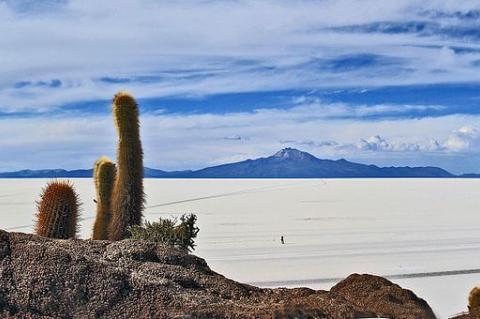
Located in the southwestern corner of Bolivia, the Salar de Uyuni is one of the most remarkable and captivating natural wonders on Earth. This salt flat is the largest in the world and is a testament to the incredible geological and climatic forces that have shaped the Andean region over millennia. The vast expanse of the Salar de Uyuni is home to Isla Incahuasi. This hilly and rocky outcrop was once a fully submerged island during the area's prehistoric lake period.

São Cristóvão: A Colonial Masterpiece in Brazil's Northeast

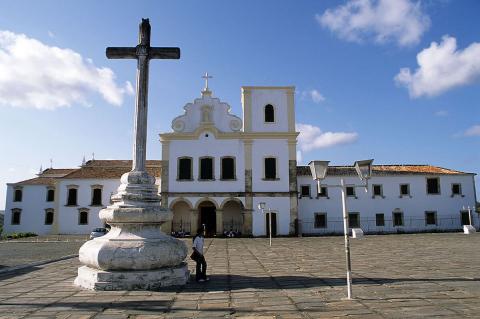
São Cristóvão, located in the northeastern state of Sergipe, Brazil, is one of the oldest colonial settlements in the country and holds a special place in Brazil's colonial history. The town is best known for São Francisco Square, which reflects a unique blend of Spanish and Portuguese colonial city planning and architecture. São Cristóvão's historical significance is further enriched by its collection of early colonial buildings, including churches, convents, and civil structures, which demonstrate the cultural and architectural evolution of the region.