National Landmark

The Historic San Pedro de la Roca Castle: Guardian of Santiago de Cuba

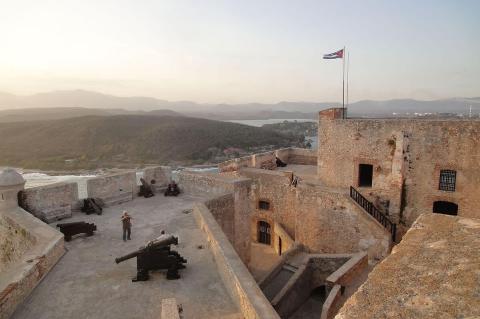
San Pedro de la Roca Castle, also known as Castillo del Morro, is a monumental stone fortress on a rocky promontory overlooking the entrance to Santiago de Cuba Bay on the southernmost coast of Cuba. This fortress, constructed over six decades beginning in 1638, is a remarkable example of Spanish-American military architecture. It embodies the principles of Renaissance military engineering adapted to the Caribbean's unique geographical and strategic demands.
The Jesuit Block and Estancias of Córdoba: A Testament to Cultural Exchange

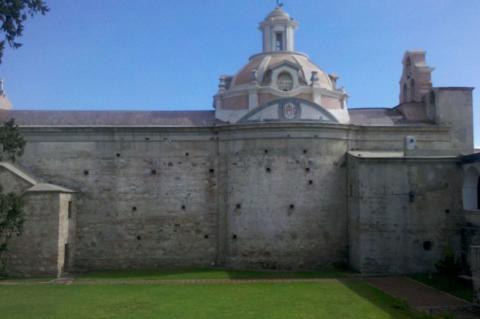
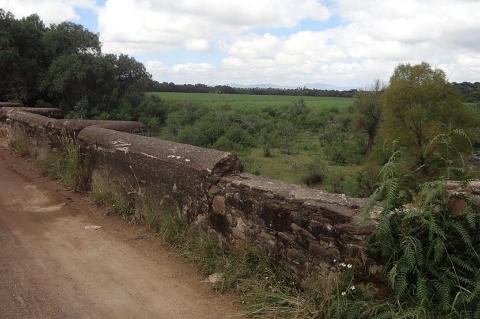
The Jesuit Block and Estancias of Córdoba stand as a powerful testament to the enduring influence of Jesuit missionaries in shaping South America's cultural, religious, and economic landscape. A UNESCO World Heritage Site, this remarkable ensemble transcends its architectural and historical significance. It embodies a vast religious, political, economic, legal, and cultural system, leaving an indelible mark on the region's development.

The Legacy of the Camino Real de Tierra Adentro

The Camino Real de Tierra Adentro, also known as the Silver Route, is a significant part of Mexico's history, reflecting its economic, cultural, and social evolution over three centuries. This royal inland road was the northernmost of four major "royal roads," linking Mexico City with key mining regions. Its primary purpose was transporting silver and mercury, but the route became a critical artery for cultural and social exchanges between Spanish settlers and indigenous communities.

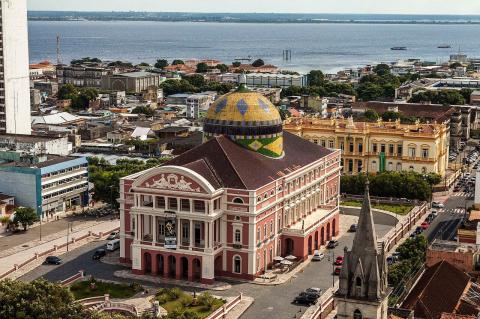
The Magnificent Teatro Amazonas: A Jewel in the Heart of the Amazon

Deep within the lush embrace of the Amazon Rainforest stands the remarkable Teatro Amazonas, a testament to human ingenuity and artistic expression. It took over 15 years to construct the theater, with artists, designers, and materials imported from Europe, to create a one-of-a-kind cultural institution. This iconic opera house, situated in the bustling city of Manaus, Brazil, is a true architectural masterpiece. Its grand neo-classical façade and exquisite interiors captivate all who enter its doors.

The Modernist Legacy of the University City of Caracas

The University City of Caracas is the main campus of the Central University of Venezuela, located in the heart of Caracas, the nation's capital. Designed by the renowned Venezuelan architect Carlos Raúl Villanueva, the campus is celebrated as one of Latin America's most outstanding examples of modernist architecture and urban planning. Recognized as a UNESCO site, it is considered Villanueva's crowning achievement, fusing architecture, art, and landscape into a coherent urban masterpiece.

The Pan-American Highway: Linking North, Central, and South America

Stretching from the frozen tundras of Alaska to the windswept landscapes of Tierra del Fuego, the Pan-American Highway is a testament to human ingenuity and the indomitable spirit of connectivity. This vast network of roads is one of the most extensive and ambitious transportation systems ever conceived, serving as a vital artery for trade, tourism, and cultural exchange across the Americas. Despite the monumental achievements of the highway, a formidable obstacle remains – the Darién Gap.

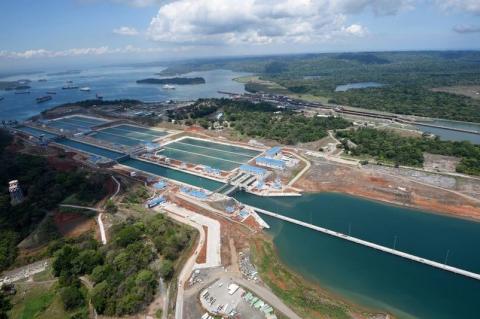
The Panama Canal: Engineering Marvel Connecting Two Oceans

The Panama Canal stands as one of the most ambitious and consequential engineering achievements of the modern era—an artificial waterway spanning the Isthmus of Panama to connect the Atlantic and Pacific Oceans. The story encompasses heroic engineering, devastating failure, the conquest of tropical disease through medical innovation, and human suffering on an almost incomprehensible scale. Its construction claimed at least 27,000 lives over more than three decades, yet its completion revolutionized global commerce.

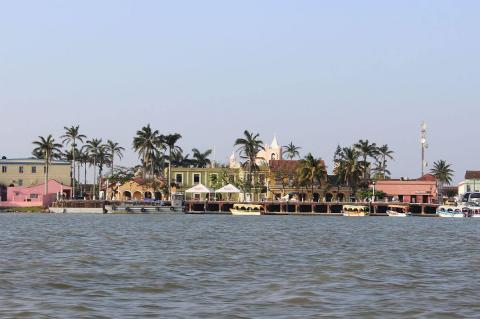
Tlacotalpan: A Spanish Colonial River Port on the Papaloapan

Tlacotalpan, a historic Spanish colonial river port on Mexico's Gulf Coast, is a remarkable example of 16th-century urban planning and architecture. Designated as a UNESCO World Heritage Site, the town is notable for its unique river port setting, colorful colonnaded houses, wide streets, and lush public spaces. Tlacotalpan's preservation offers a glimpse into the historical townscape of Mexico's colonial past, showcasing a blend of Caribbean and Spanish architectural traditions.

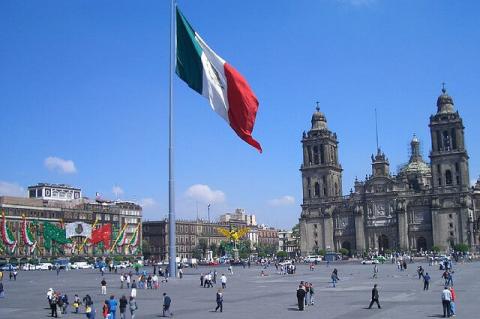
Unraveling the Layers of History: The Centro Histórico of Mexico City

Centro Histórico, the historic center of Mexico City, emerges as the pulsating heart of the Mexican capital, where the rich combination of history, culture, and architecture unfolds in a captivating panorama. Stretching outward from the iconic Zócalo, this historic district encapsulates landmarks like the National Palace, Metropolitan Cathedral, Palace of Fine Arts, Old Portal de Mercaderes, and the verdant expanse of Alameda Central Park.

Viñales Valley: A Mosaic of Nature and Tradition in Cuba

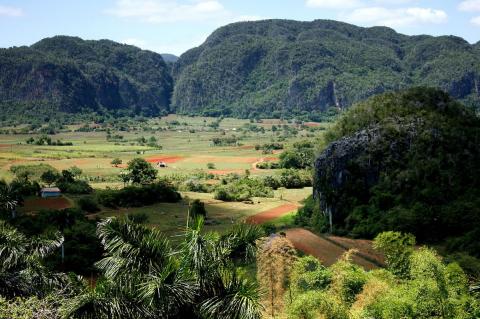
Viñales Valley, nestled in the Sierra de los Organos mountains near the western end of Cuba, offers a breathtaking panorama of karst topography with striking limestone outcrops called mogotes. This picturesque valley is a testament to natural beauty and cultural heritage, earning its designation as a UNESCO World Heritage Site. The harmonious blend of nature and tradition makes Viñales Valley a must-see destination for travelers and a beloved symbol for Cubans.