National Landmark

Sewell: The City of Stairs - A Legacy Carved into the Andes

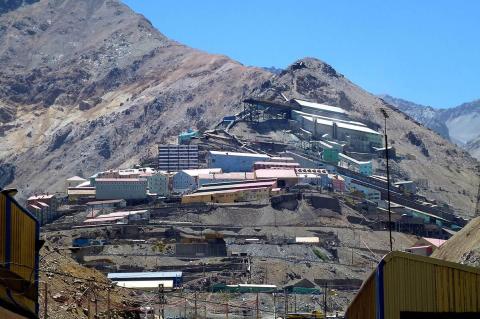
Perched high in the Chilean Andes, Sewell is a testament to human ingenuity and the pioneering spirit of the early 20th century. This abandoned mining town, clinging precariously to steep mountain slopes, tells a compelling story of industrial ambition, community life, and architectural innovation. Known as "The City of Stairs," Sewell's unique vertical layout and rich history have earned it recognition as a UNESCO World Heritage Site, preserving its legacy for future generations.
Sítio Roberto Burle Marx: Tropical Modernism in Rio de Janeiro

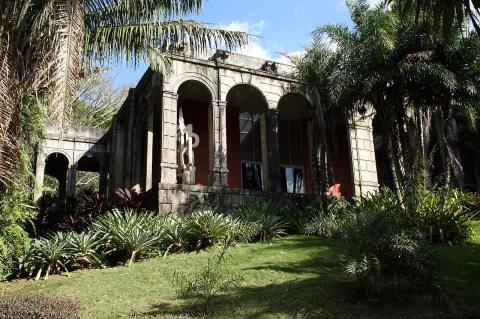
In the Barra de Guaratiba neighborhood of western Rio de Janeiro, an extraordinary cultural landscape unfolds where art, botany, and landscape architecture converge. The Sítio Roberto Burle Marx—an estate nestled between mangrove swamps and Atlantic Forest—represents the culmination of one man's revolutionary vision to transform landscape design through tropical modernism. Home, studio, and laboratory of Roberto Burle Marx, arranged in gardens that embody the principles that made Burle Marx one of the 20th century's most influential landscape architects.

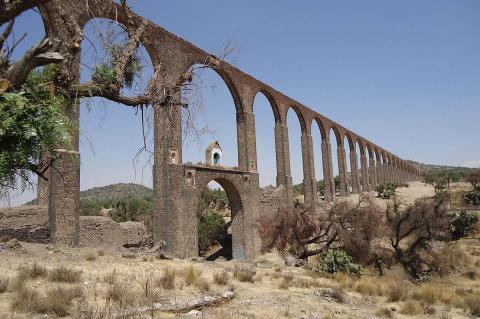
The Aqueduct of Padre Tembleque: A Hydraulic Masterpiece

The Aqueduct of Padre Tembleque, named after the Franciscan friar Francisco de Tembleque, is a remarkable example of water conduction engineering in the Americas. Constructed between 1555 and 1572, it spans the states of Mexico and Hidalgo in the Central Mexican Plateau. Recognized as a UNESCO site, the aqueduct represents a unique blend of European and indigenous engineering traditions, showcasing an impressive combination of Roman hydraulic principles and Mesoamerican construction techniques.

The Chicamocha Canyon and National Park: Colombia's Natural Wonder

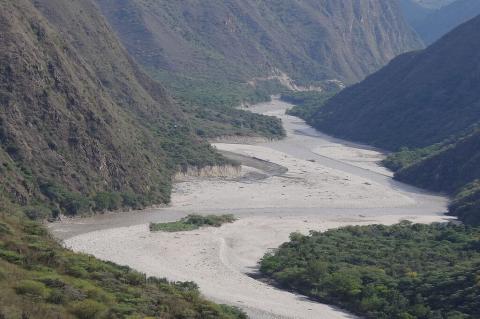
Nestled within the rugged Andes Mountains of northern Colombia, the Chicamocha Canyon is a testament to nature's awe-inspiring power and beauty. This colossal geological wonder, carved over eons by the relentless forces of the Chicamocha River, is among the largest canyons in the world. Encompassing a vast area, the canyon's immense depths reveal a breathtaking landscape of towering cliffs, winding rivers, and diverse ecosystems. Chicamocha National Park lies within the canyon.

The Church of Atlántida: Eladio Dieste's Brick Revolution in Uruguay

In the modest semi-rural community of Estación Atlántida, east of Montevideo, stands one of the 20th century's most remarkable architectural achievements—a church that revolutionized what could be built with the humblest of materials. The Church of Cristo Obrero y Nuestra Señora de Lourdes, designed by engineer Eladio Dieste, transforms simple fired bricks into soaring, undulating walls and double-curved vaults that seem to defy gravity. UNESCO recognizes it as an outstanding example of structural innovation and modern architecture.

The Churches of Chiloé: Enduring Sanctuaries of Faith, Culture, and Architectural Ingenuity

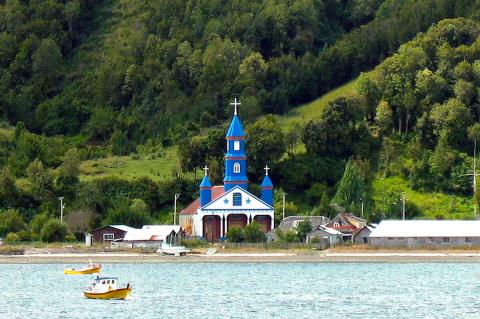
Amidst the breathtaking natural splendor of the Chiloé Archipelago, a remarkable ensemble of churches stands as a testament to the harmonious fusion of Indigenous traditions and Spanish colonial influences. The Churches of Chiloé, numbering around 70 structures scattered across the islands, are more than mere religious edifices; they are living embodiments of the region's rich cultural heritage, architectural ingenuity, and unwavering faith – a fusion of spirituality and artistic expression that has endured for centuries.

The Coffee Cultural Landscape of Colombia: A Living Heritage

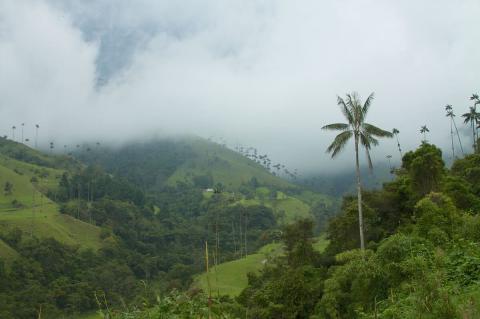
The Coffee Cultural Landscape of Colombia is an exceptional and dynamic region that epitomizes the blend of natural beauty, economic vitality, and cultural richness. Recognized as a World Heritage property, this landscape comprises six farming landscapes that integrate eighteen urban settlements, showcasing the intricate relationship between humans and their environment in the cultivation of coffee.

The Colonial Transisthmian Route of Panamá

For nearly three centuries, a network of trails, cities, and fortresses transformed the Isthmus of Panama into a key colonial trade route. Connecting the Caribbean to the Pacific at the narrowest point of the Americas, the Colonial Transisthmian Route transported about 60% of South America's silver to Spain and brought European goods to the New World. UNESCO recognizes it as a prime example of how geography, strategy, and trade shaped global history during the Age of Exploration.

The Fortress of the Immaculate Conception: Nicaragua's Sentinel on the San Juan River

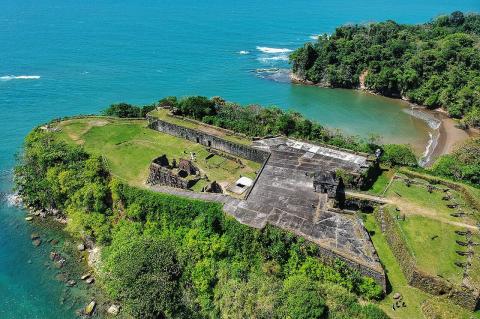
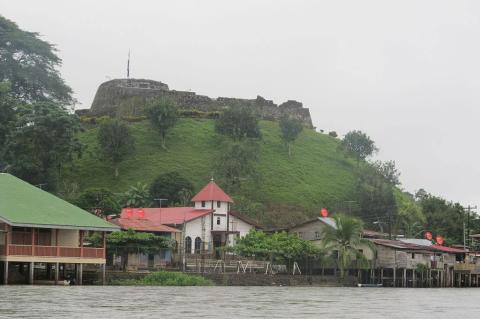
The Fortress of the Immaculate Conception, built by the Spanish between 1673 and 1675 in El Castillo village on a bend of the San Juan River, is one of Nicaragua's most important colonial landmarks. It gained fame through Rafaela Herrera's heroic 1762 defense against a British attack and witnessed Horatio Nelson's 1780 campaign. Now a museum within the Indio-Maíz Biosphere Reserve, it mixes military history, colonial architecture, and rainforest, accessible by boat along the historic river route used by pirates, colonists, and British navies.

The Heart of Buenos Aires: Exploring Plaza de Mayo

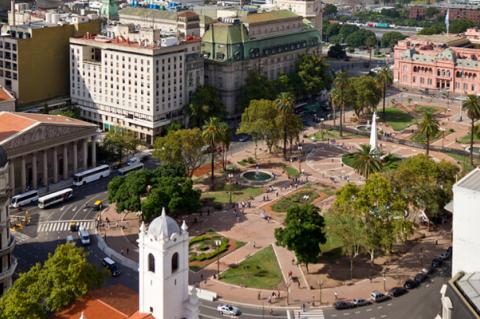
Plaza de Mayo is not merely a public square but the symbolic heart of Buenos Aires and the epicenter of Argentina's political and cultural history. For over two centuries, the plaza has served as a stage for some of the country's most significant events, from the struggle for independence to modern-day protests and celebrations. Its surrounding landmarks, historical significance, and cultural impact make it one of Argentina's most iconic and enduring spaces.