Central America

The Panama Canal: Engineering Marvel Connecting Two Oceans

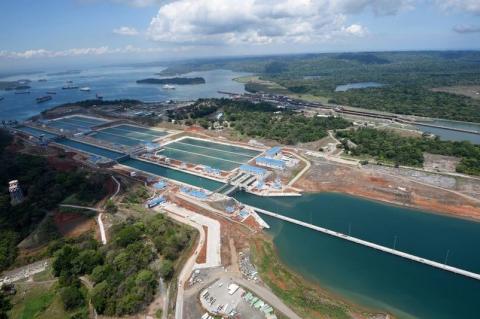
The Panama Canal stands as one of the most ambitious and consequential engineering achievements of the modern era—an artificial waterway spanning the Isthmus of Panama to connect the Atlantic and Pacific Oceans. The story encompasses heroic engineering, devastating failure, the conquest of tropical disease through medical innovation, and human suffering on an almost incomprehensible scale. Its construction claimed at least 27,000 lives over more than three decades, yet its completion revolutionized global commerce.

The Pearl Islands: A Glimpse into Panama’s Pristine Archipelago

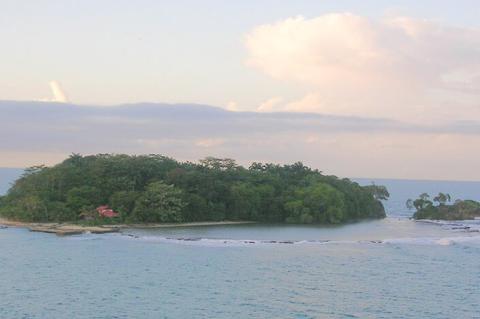
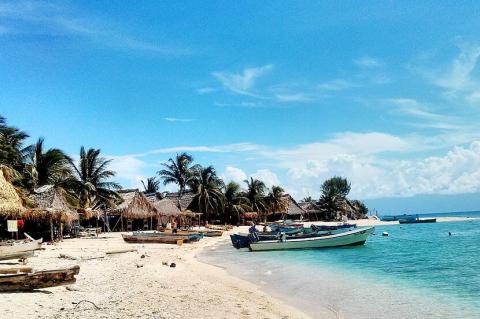
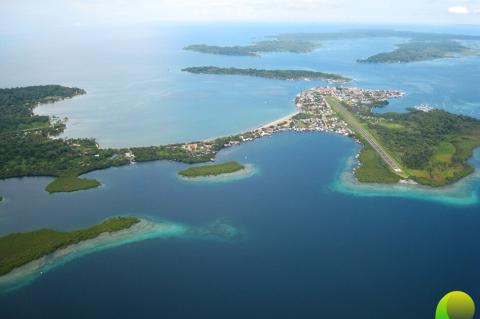
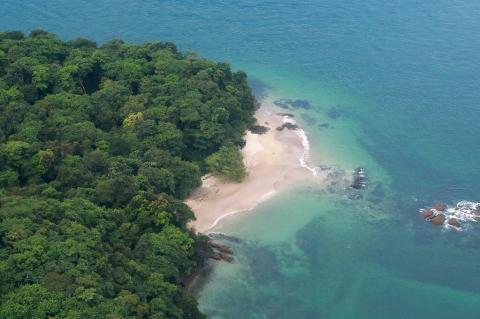
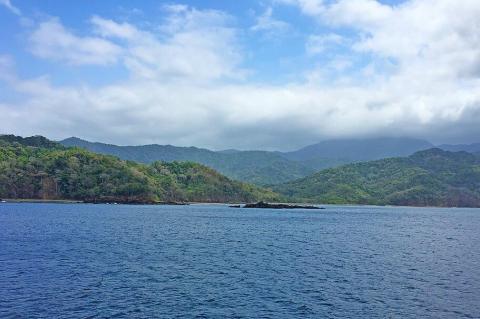
Nestled in the serene waters of the Gulf of Panama, the Pearl Islands (Archipiélago de las Perlas) stand as a picturesque archipelago rich in history and natural beauty. Located southeast of Panama City, these islands, known locally as Islas de las Perlas, comprise a stunning collection of 183 islands and islets, with 39 considered sizable. Renowned for its lush landscapes, pristine beaches, and vibrant marine life, the Pearl Islands are a popular destination for tourists and fishermen alike.

The Petén Basin and Maya Forest: Where Ancient Civilizations Meet Living Wilderness

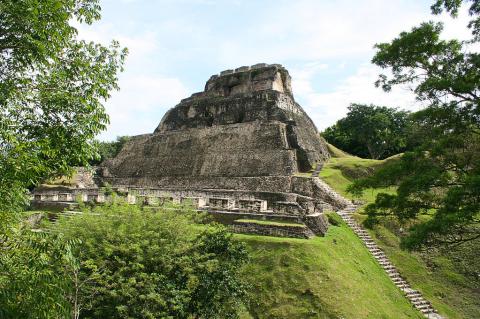
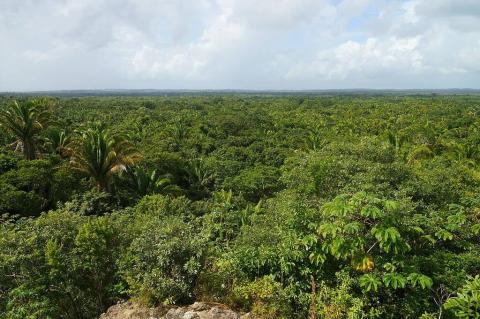
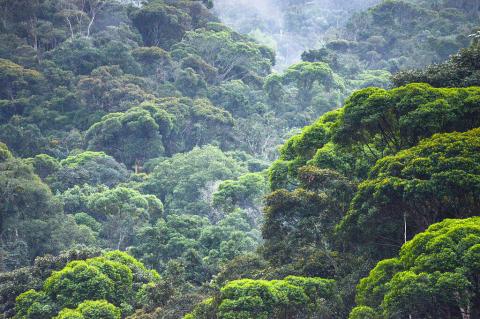
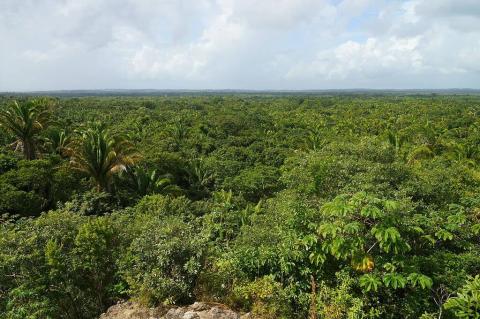
In the verdant heart of Central America, where the borders of Guatemala, Mexico, and Belize converge in a tapestry of emerald green, lies one of the world's most extraordinary convergences of natural wonder and human achievement. Here, beneath canopies that have witnessed the rise and fall of empires, the Petén Basin and its encompassing Maya Forest represent far more than geographical features—they embody a living testament to the intricate dance between civilization and wilderness that has unfolded across millennia.
The Solentiname Islands: Nicaragua’s Volcanic Archipelago of Art and Nature

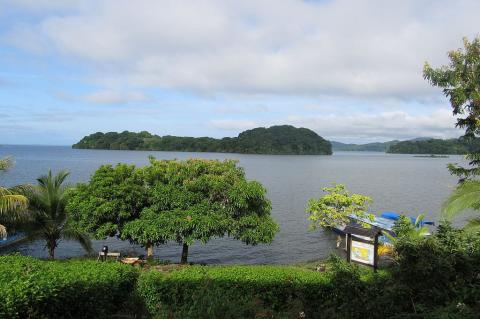
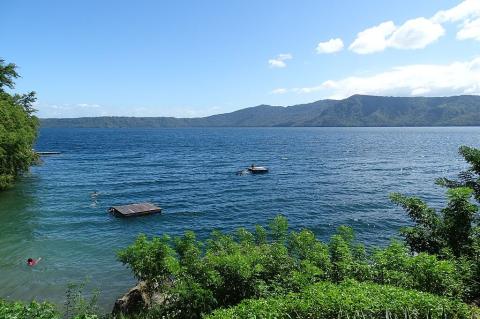
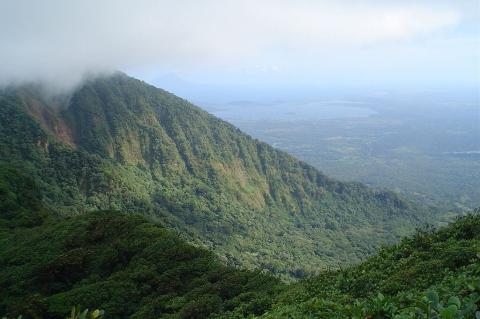
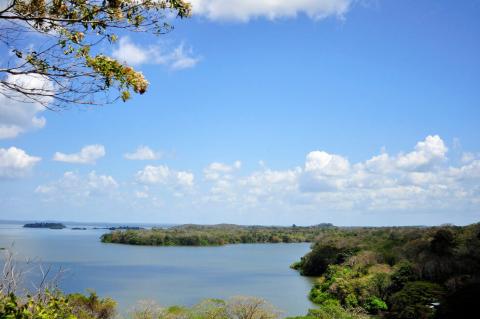
The Solentiname Islands are a serene and picturesque archipelago situated in the southeastern corner of Lake Nicaragua. These islands are renowned for their natural beauty, rich biodiversity, and cultural heritage. They are a haven for wildlife enthusiasts, artists, and those seeking a tranquil escape into nature. The archipelago comprises four main islands and numerous smaller islets, creating a unique environment that blends lush vegetation, volcanic landscapes, and vibrant artistic communities.

The Twin Jewels of the Caribbean: Exploring the Gulfs of Darién and Urabá

Nestled between the Caribbean Sea and the dense tropical rainforests of Central and South America lie two lesser-known yet profoundly significant bodies of water: the Gulf of Darién and the Gulf of Urabá. These gulfs, often overshadowed by their more famous regional counterparts, are geographical and ecological treasures. Within their boundaries, they hold a rich tapestry of history, vibrant ecosystems, and socio-economic dynamics that have shaped the lives of the communities around them for centuries.

The Usumacinta River: The Lifeblood of Mesoamerica

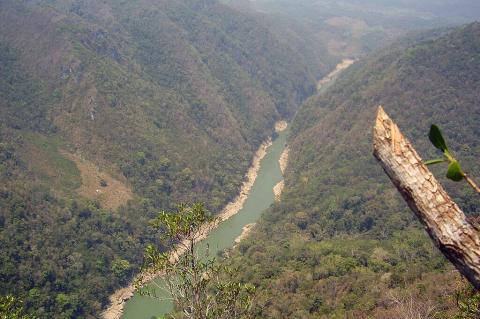
The Usumacinta River, one of the most significant waterways in Central America, meanders through the lush landscapes of Guatemala and Mexico. As the largest river in Mesoamerica, it has long been a vital artery for ecosystems, cultures, and economies. Rich in history, biodiversity, and natural beauty, the Usumacinta River is both a lifeline for the region and a source of growing concern as environmental pressures mount.
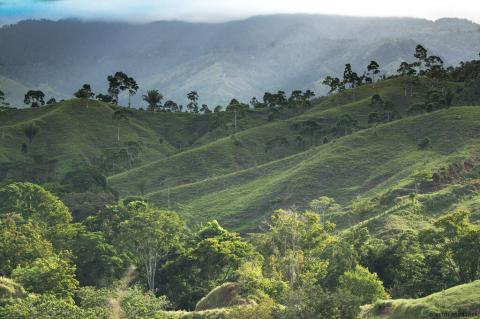
The Yucatán Peninsula: A Living Testament to Time

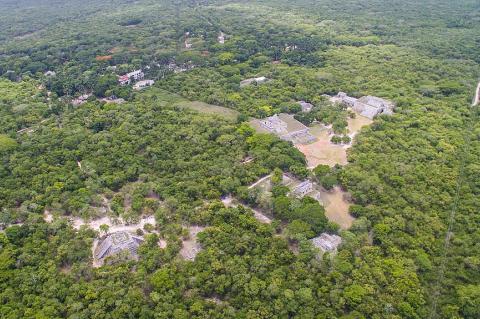
Suspended between the azure waters of the Gulf of Mexico and the Caribbean Sea, the Yucatán Peninsula emerges as one of Earth's most extraordinary geological and cultural theaters. This vast limestone platform extends its ancient arms across three Mexican states—Campeche, Quintana Roo, and Yucatán—while reaching southward into the heart of Belize and Guatemala. Here, in this remarkable convergence of land and sea, the very foundations of the Earth tell stories that span from cosmic catastrophe to human civilization, from primordial forests to sacred cenotes.
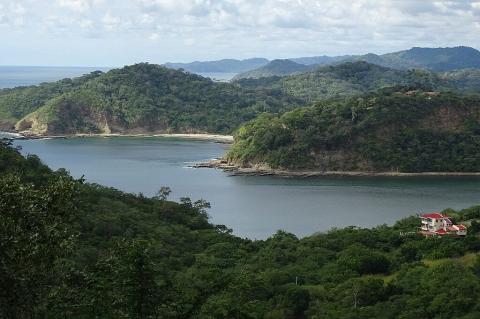
Tikal: Where Ancient Civilization Meets Natural Splendor

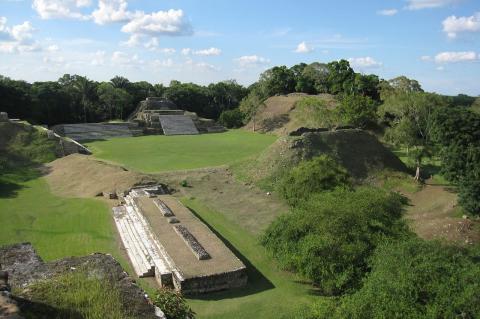
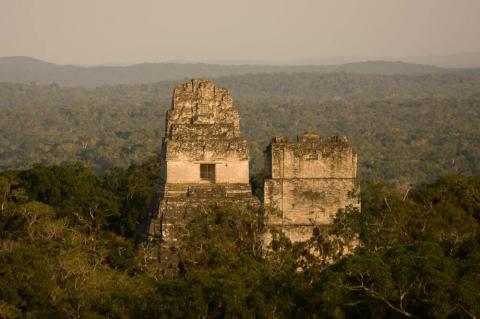
Tikal, one of the largest and most significant archaeological sites of the ancient Maya civilization, stands as a remarkable testament to the ingenuity and sophistication of a society that once flourished in the dense jungles of northern Guatemala. Today, Tikal is an iconic symbol of Maya architectural and cultural achievements and a crucial part of the vast Tikal National Park, a UNESCO site that preserves both the rich history and the extraordinary biodiversity of the region.

Tortuguero National Park: A Coastal Haven in Costa Rica's Wilderness

Tortuguero National Park is a masterpiece of nature in the northern reaches of Costa Rica's Limón Province. This vital Ramsar site coastal gem embraces an intricate assortment of eleven distinct habitats, including rainforests, mangrove forests, swamps, beaches, and lagoons. It weaves seamlessly into Nicaragua's Indio Maíz Biological Reserve, forming a vital corridor for the region's rich biodiversity.

Trifinio Fraternidad Biosphere Reserve: A Tri-National Sanctuary

The Trifinio Fraternidad Biosphere Reserve is a remarkable transboundary conservation area that spans the borders of Honduras, El Salvador, and Guatemala. This biosphere reserve represents a significant collaborative effort to preserve the unique biodiversity and cultural heritage of the Central American region where these countries converge. The reserve, encompassing a diverse range of ecosystems, is crucial for biodiversity conservation, sustainable development, and fostering regional cooperation.