Central America

The Maya Biosphere Reserve: Guatemala's Crown Jewel in the Mesoamerican Biological Corridor

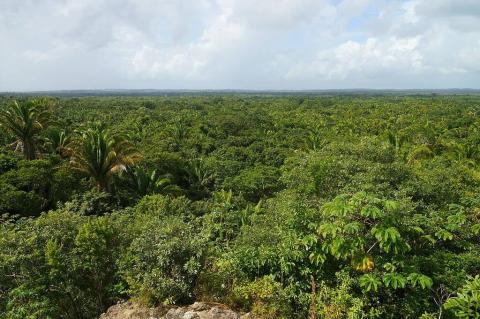
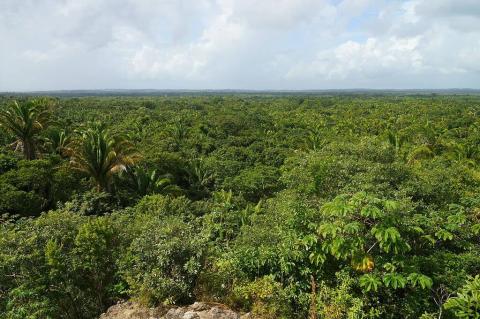
In the expansive northern Guatemala region of Petén, lies one of the Western Hemisphere's most remarkable conservation successes. The Maya Biosphere Reserve is not only Guatemala's largest protected area but also acts as the foundation of the Mesoamerican Biological Corridor. This ambitious cross-border project connects protected areas from Mexico to Panama. The reserve is a vital part of a trinational conservation network, forming the largest continuous protected forest in Mesoamerica.
The Maya Civilization: Architects of an Enduring Legacy

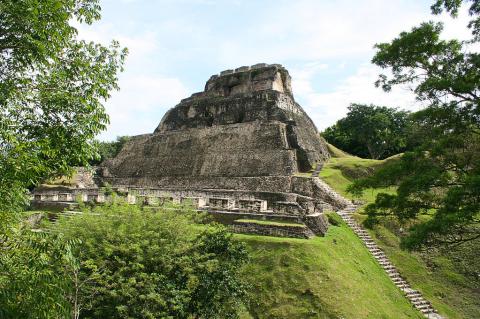
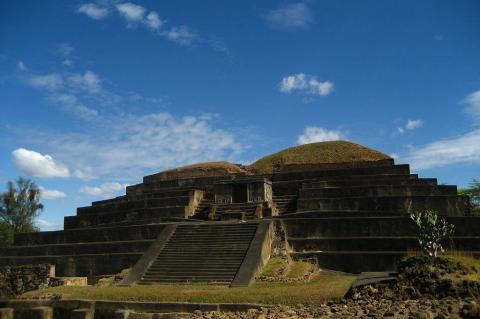
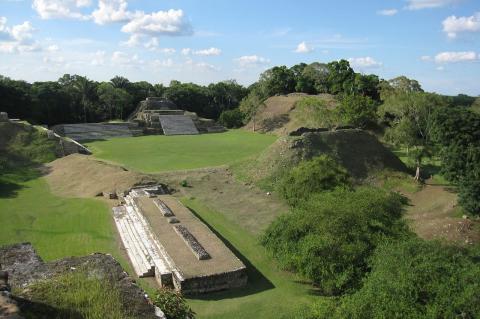
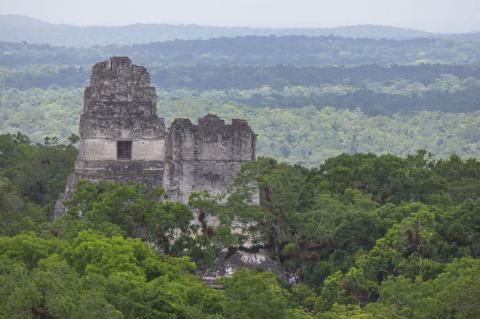
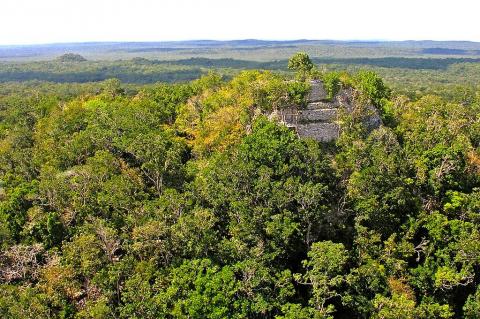
The Maya civilization, one of the most advanced and influential cultures of the ancient Americas, flourished in Mesoamerica for more than 2,000 years. Emerging around 2000 BCE and reaching its height between 250 and 900 CE, the Maya built vast city-states, developed one of the most sophisticated writing systems of the pre-Columbian world, and made remarkable advancements in mathematics, astronomy, and architecture.

The Maya Forest and Marine Corridors: Connecting Mountains to Sea in Belize

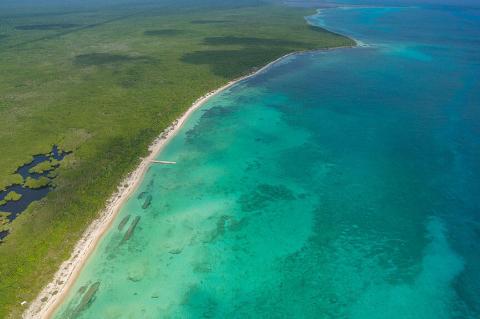
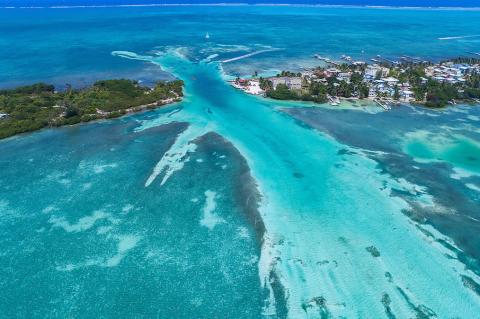
Extending from southwestern Belize's Maya Mountains eastward to the Caribbean Sea, the Maya Mountain Marine Corridor represents one of the world's most innovative conservation approaches—integrating terrestrial and marine ecosystem management to create a continuous protected landscape from mountain peaks to coral reefs. This visionary corridor bridges the gap between highland forests and coastal waters, where species rely on both terrestrial and marine habitats during their life cycles.

The Maya Mountains: Ancient Peaks at the Heart of Belize's Wilderness

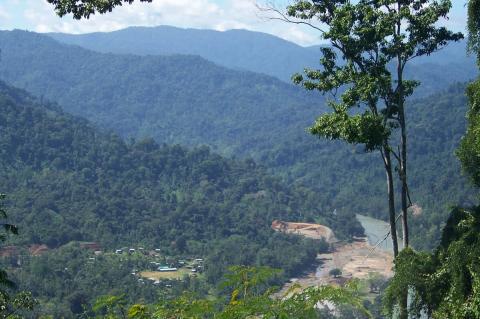
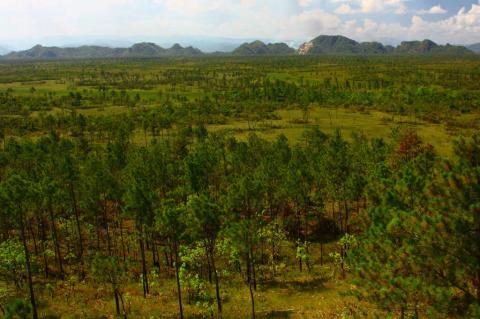
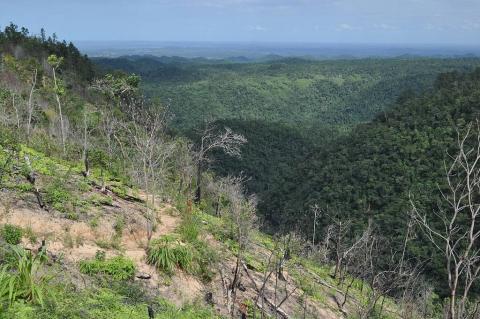
Rising dramatically from the coastal plains and limestone lowlands of west-central Belize and extending into eastern Guatemala, the Maya Mountains stand as both the geological backbone and ecological heart of the nation. This ancient mountain range represents one of Central America's oldest geological features and plays a pivotal role in shaping the region's landscape, biodiversity, and cultural heritage. The Maya Mountains form the centerpiece of Belize's conservation efforts, including the critical Maya Mountain Marine Corridor that connects these highlands to Caribbean coastal waters.

The Maya Region: A Journey through Peaks, Lowlands, and Plateaus

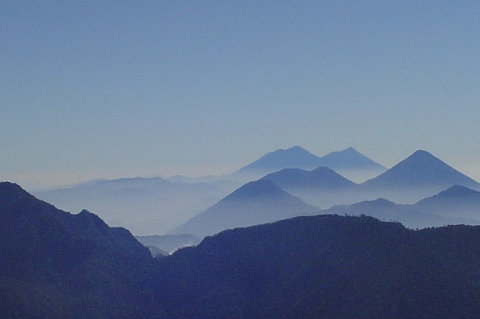
The Maya Region, the expansive heart of Mesoamerica, unfolds as a landscape of unparalleled diversity, spanning present-day Guatemala, Belize, and Mexico. Stretching from the mountainous peaks of the Sierra Madre to the semi-arid plains of northern Yucatán, this vast expanse encapsulates the historical and cultural landscape of the Mayan civilization in the pre-Columbian era.

The Middle America Trench: Where Ocean Floors Collide and Continents Rise

The Middle America Trench represents one of Earth's most dynamic subduction zones, where massive tectonic plates converge in a process that has shaped the region's landscape for millions of years. This extensive underwater canyon naturally divides into two distinct segments: the northern Acapulco Trench following Mexico's curved coastline, and the southern Guatemala Trench extending in a more linear fashion toward Costa Rica.

The Monteverde Cloud Forest Reserve: A Tropical Wonderland

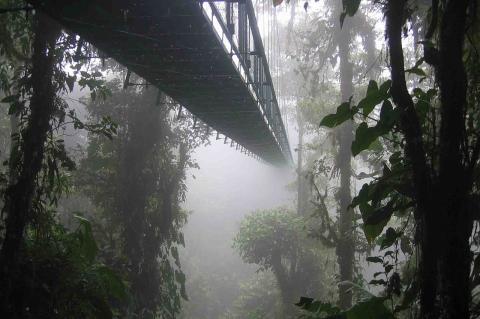
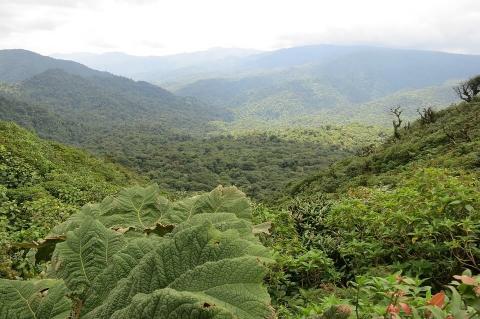
Nestled within the majestic Cordillera de Tilarán mountain range, the Monteverde Cloud Forest Reserve is a true jewel of Costa Rica's natural heritage. This enchanting reserve, named after the nearby town of Monteverde, has captivated visitors worldwide with its incredible biodiversity and breathtaking landscapes. Its protective reach encompasses six distinct ecological zones, 90% of which are pristine virgin forests.

The North American Plate: Continental Giant of the Northern Americas

The North American Plate, Earth's second-largest tectonic plate covering approximately 76 million square kilometers (29.3 million square miles), underlies most of North America, Greenland, the western Atlantic Ocean, and portions of the Caribbean Sea. This massive continental plate illustrates the intricate interactions between continental and oceanic lithosphere, driving a range of diverse geological processes from the Arctic Ocean to Central America.

The Pacific Plate: The Giant of Global Tectonics

The Pacific Plate, Earth's largest tectonic plate, covers approximately 103.3 million square kilometers (39.9 million square miles) and dominates nearly one-third of the planet's surface beneath the Pacific Ocean. This massive oceanic plate drives many of the world's most spectacular geological phenomena, from the Ring of Fire's volcanic chains to Hawaii's hotspot islands, demonstrating the profound influence of plate tectonics on global geology.

The Pan-American Highway: Linking North, Central, and South America

Stretching from the frozen tundras of Alaska to the windswept landscapes of Tierra del Fuego, the Pan-American Highway is a testament to human ingenuity and the indomitable spirit of connectivity. This vast network of roads is one of the most extensive and ambitious transportation systems ever conceived, serving as a vital artery for trade, tourism, and cultural exchange across the Americas. Despite the monumental achievements of the highway, a formidable obstacle remains – the Darién Gap.