Landforms of Central America

Irazú Volcano: Costa Rica's Colossal Guardian

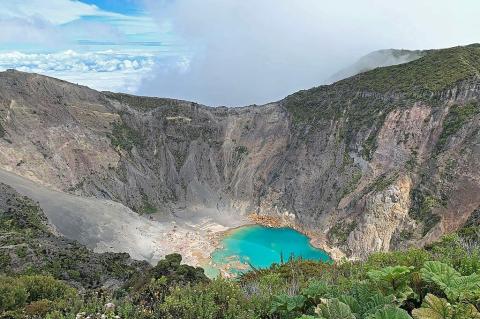
Irazú Volcano, an awe-inspiring active stratovolcano, is a prominent feature in Costa Rica's Cordillera Central. Close to the city of Cartago, this natural wonder is the highest active volcano in the country. Its rich history, significant eruptions, and diverse ecosystems are preserved within the boundaries of the Irazú Volcano National Park, a haven for nature enthusiasts and researchers alike.

Izalco and Santa Ana: Guardians of El Salvador's Volcanic Landscape

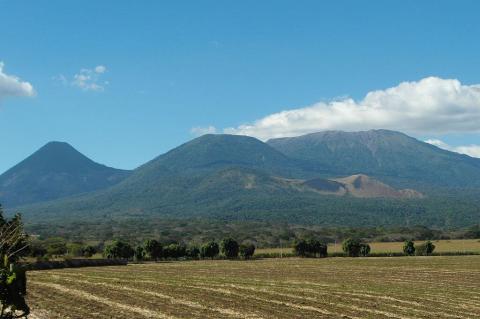
Towering above the western highlands of El Salvador, the Izalco and Santa Ana (Ilamatepec) volcanoes stand as powerful testaments to the country's dynamic geological history. These stratovolcanoes shape the surrounding landscape and play a crucial role in El Salvador's culture, history, and ecology. While Izalco's fiery eruptions once earned it the nickname "Lighthouse of the Pacific," Santa Ana's vast crater and complex terrain showcase the forces of nature that continue to sculpt the region.

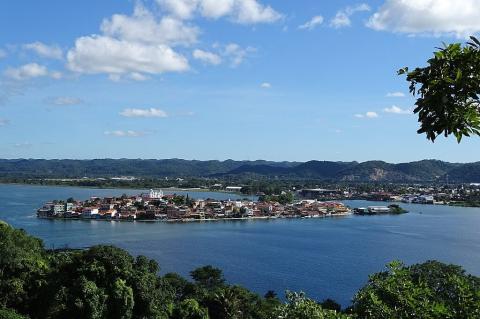
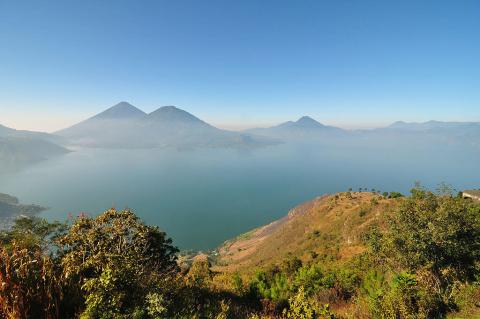
Lake Atitlán and Volcán Atitlán: Guatemala's Volcanic Treasures

Nestled in the Guatemalan Highlands, Lake Atitlán and the towering Volcán Atitlán represent two of Guatemala's most iconic natural landmarks. Lake Atitlán is renowned for its stunning beauty, dramatic volcanic backdrop, and deep cultural heritage, while Volcán Atitlán stands as one of the region's most prominent and active stratovolcanoes. Together, they form a unique landscape that draws tourists and researchers alike, offering a glimpse into Guatemala's rich biodiversity and the enduring legacy of Maya culture.

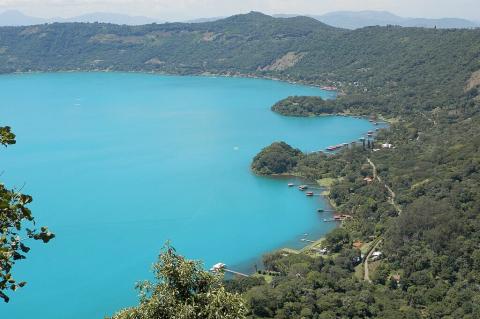
Lake Coatepeque: The Jewel of El Salvador's Volcanic Landscapes

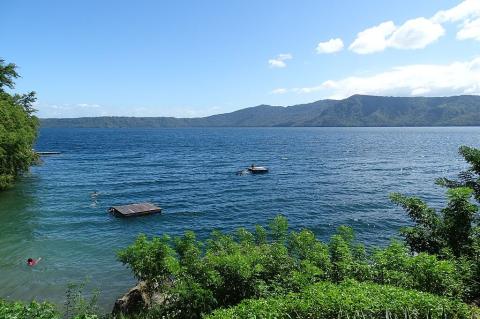
Nestled within the volcanic highlands of western El Salvador, Lake Coatepeque captivates visitors with its breathtaking beauty and tranquil waters. This crater lake, formed over thousands of years by volcanic activity, offers a serene retreat surrounded by verdant slopes and rich biodiversity. Its vibrant cultural history, ecological importance, and recreational opportunities make it one of the most iconic destinations in the region.

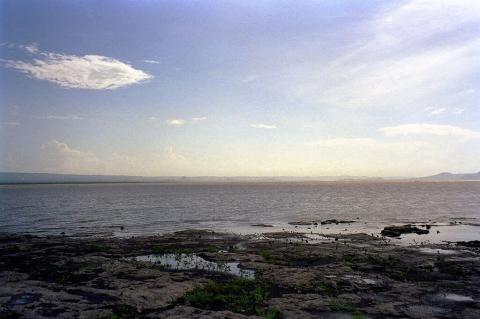
Lake Managua: Nicaragua's Ecological Treasure

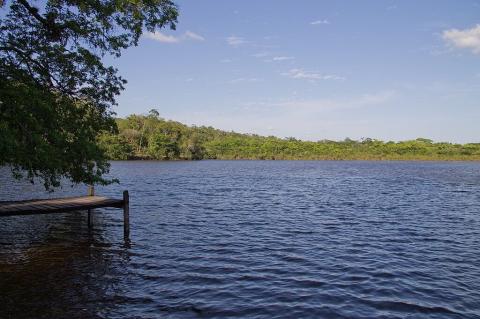
Nestled in the heart of Nicaragua lies Lake Managua, also known as Lago Xolotlán. It is a vital body of water for the region and a source of livelihood for local communities. The vibrant capital city of Managua graces its southwestern shore, making it an essential economic lifeline. The lake's abundant aquatic resources play a crucial role in sustaining the livelihoods of the people in the region.

Lake Nicaragua: The Sweet Sea of Central America

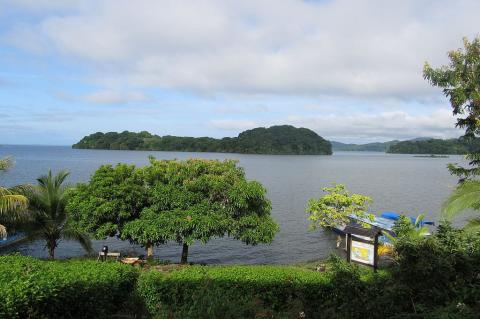
Lake Nicaragua, or Lago de Nicaragua, is the largest freshwater lake in Nicaragua and Central America. Known to the indigenous people as Cocibolca and referred to by the Spanish as Mar Dulce, both names translate to "sweet sea." This expansive lake is a dominant physical feature of Nicaragua, influencing the country's geography, ecology, and culture. With its vast size, diverse wildlife, and historical significance, the lake is a natural treasure and a vital resource for people around its shores.

Masaya Volcano: Nicaragua's Fiery Natural Wonder

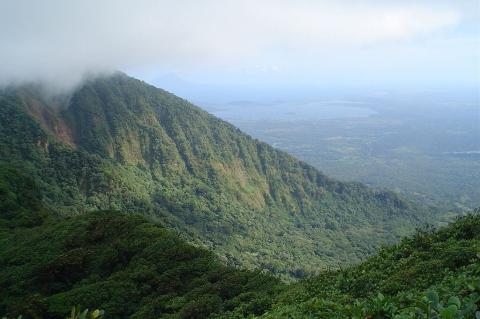
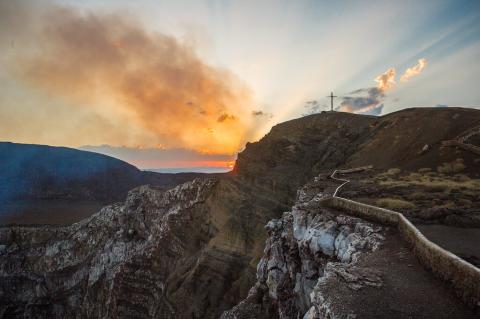
Nestled in the heart of Nicaragua, the Masaya Volcano is a testament to nature's raw power and majesty. This awe-inspiring volcanic complex, one of the 18 distinct centers that comprise the Nicaraguan portion of the Central America Volcanic Arc, offers visitors an up-close encounter with the earth's fiery depths. The Masaya Volcano National Park preserves this geological marvel and provides a sanctuary for the region's diverse flora and fauna.

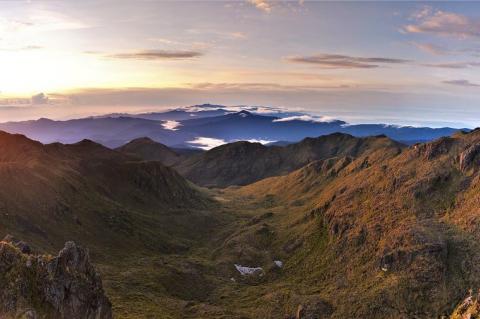
Mount Chirripó and Chirripó National Park: Costa Rica's Crowning Glories

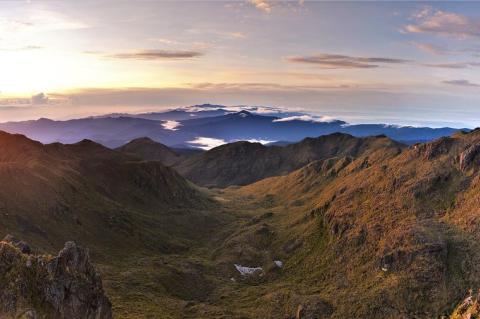
Mount Chirripó (Cerro Chirripó) stands tall as the highest mountain in Costa Rica. This majestic peak is located within the boundaries of the renowned Chirripó National Park, a true gem of ecological wealth and biodiversity. The mountain's name, "Chirripo," meaning "land of eternal waters," was bestowed by Native Americans, aptly reflecting the abundance of lakes and streams that grace its surroundings.

Nicoya: A Blend of Biodiversity and Heritage in Costa Rica

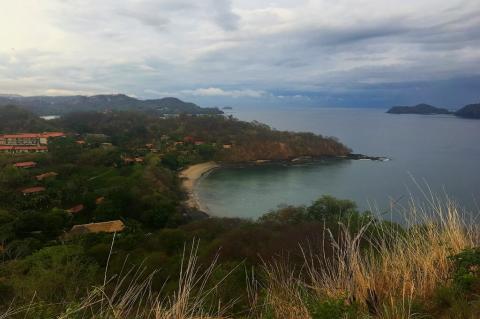
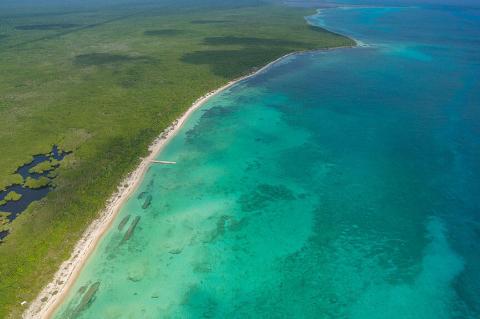
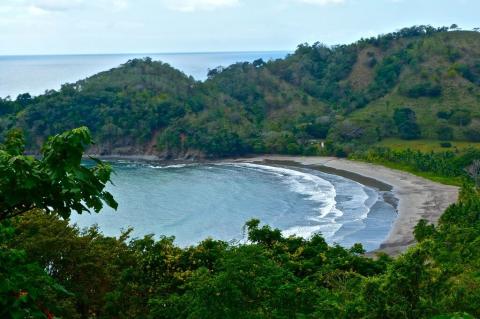
The Nicoya Peninsula and the Gulf of Nicoya are two of Costa Rica's most captivating regions, known for their stunning landscapes, rich biodiversity, and vibrant cultural heritage. Situated along the northern section of the Pacific coast, the Nicoya Peninsula stretches across two provinces, while the Gulf of Nicoya indents the west-central part of the coastline. These areas offer a unique blend of natural beauty and historical significance.

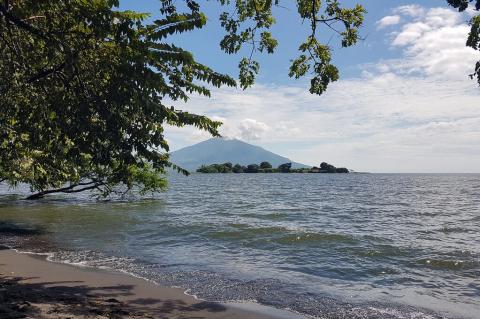
Ometepe: A Volcanic Gem in Lake Nicaragua

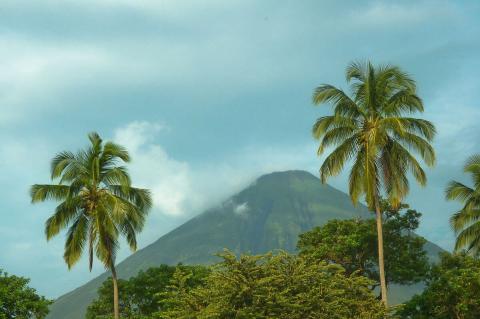
Rising dramatically from the vast expanse of Lake Nicaragua, Ometepe Island is a unique and captivating natural wonder. This island, shaped by two volcanoes, Maderas and Concepción, is a vibrant mosaic of lush forests, diverse wildlife, and rich cultural history. As the largest island in Lake Nicaragua and a UNESCO-designated biosphere reserve, Ometepe is a geological marvel and a vital ecological and cultural treasure. The island’s economy is rooted in agriculture, livestock, and tourism, which thrives amid its stunning landscapes.