Landforms of Central America

The Cocos Plate: Central America's Subduction Driver

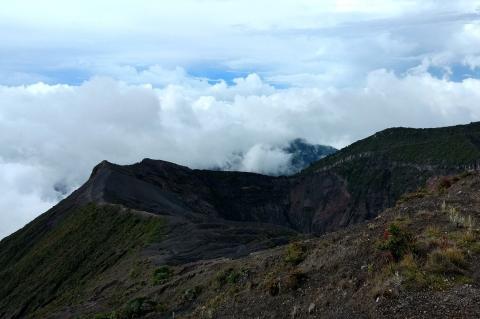
The Cocos Plate, covering approximately 2.86 million square kilometers (1.10 million square miles) of the eastern Pacific Ocean, drives one of Earth's most active volcanic systems through rapid subduction beneath Central America. This small oceanic plate, named after Costa Rica's Cocos Island, illustrates how relatively minor tectonic elements can have a profound influence on regional geology, creating spectacular volcanic landscapes and significant seismic hazards.

The Guatemalan Highlands: A Geological and Cultural Crossroads

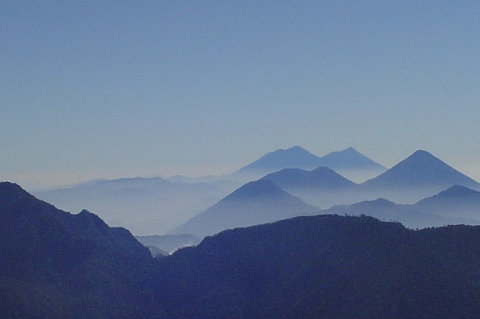
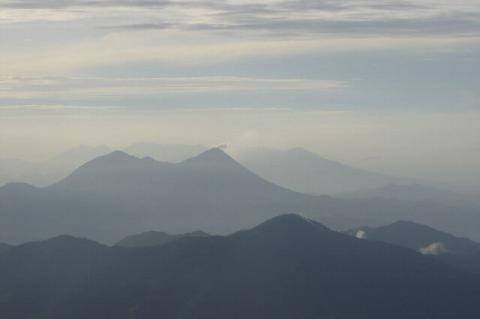
Stretching between the Pacific coastal plains and Guatemala's northern Petén lowlands, the Guatemalan Highlands represent one of Central America's most geologically complex and culturally significant regions. Known locally as "Tierras Altas," this mountainous terrain encompasses towering volcanic peaks, deep valleys, highland lakes, and Indigenous communities. The region's dramatic landscapes are the result of millions of years of tectonic activity, creating a natural laboratory where geological forces have shaped both the environment and civilization.

The Isthmus of Panama: Where Continents Collide and Biodiversity Flourishes

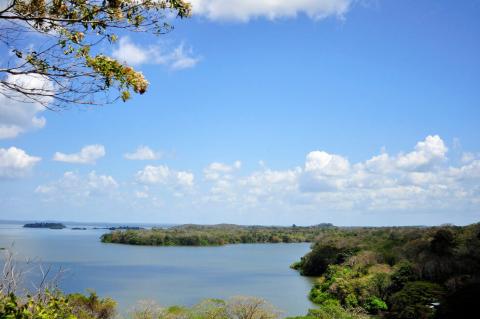
The Isthmus of Panama, historically known as the Isthmus of Darien, stands as one of Earth's most geologically significant landforms—a narrow bridge connecting North and South America while separating the Atlantic and Pacific Oceans. This slender strip of territory represents far more than a geographic curiosity. Its formation ranks among the most consequential geological events of the past 60 million years, fundamentally reshaping global climate patterns, ocean circulation, and the distribution of life across two continents.

The Middle America Trench: Where Ocean Floors Collide and Continents Rise

The Middle America Trench represents one of Earth's most dynamic subduction zones, where massive tectonic plates converge in a process that has shaped the region's landscape for millions of years. This extensive underwater canyon naturally divides into two distinct segments: the northern Acapulco Trench following Mexico's curved coastline, and the southern Guatemala Trench extending in a more linear fashion toward Costa Rica.

The North American Plate: Continental Giant of the Northern Americas

The North American Plate, Earth's second-largest tectonic plate covering approximately 76 million square kilometers (29.3 million square miles), underlies most of North America, Greenland, the western Atlantic Ocean, and portions of the Caribbean Sea. This massive continental plate illustrates the intricate interactions between continental and oceanic lithosphere, driving a range of diverse geological processes from the Arctic Ocean to Central America.

The Pacific Plate: The Giant of Global Tectonics

The Pacific Plate, Earth's largest tectonic plate, covers approximately 103.3 million square kilometers (39.9 million square miles) and dominates nearly one-third of the planet's surface beneath the Pacific Ocean. This massive oceanic plate drives many of the world's most spectacular geological phenomena, from the Ring of Fire's volcanic chains to Hawaii's hotspot islands, demonstrating the profound influence of plate tectonics on global geology.

The Pearl Islands: A Glimpse into Panama’s Pristine Archipelago

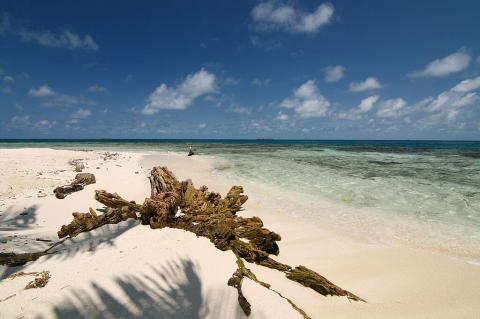
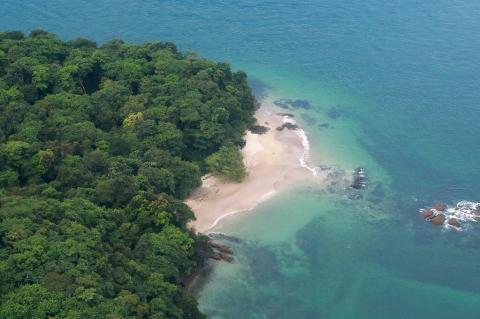
Nestled in the serene waters of the Gulf of Panama, the Pearl Islands (Archipiélago de las Perlas) stand as a picturesque archipelago rich in history and natural beauty. Located southeast of Panama City, these islands, known locally as Islas de las Perlas, comprise a stunning collection of 183 islands and islets, with 39 considered sizable. Renowned for its lush landscapes, pristine beaches, and vibrant marine life, the Pearl Islands are a popular destination for tourists and fishermen alike.

The Petén Basin and Maya Forest: Where Ancient Civilizations Meet Living Wilderness

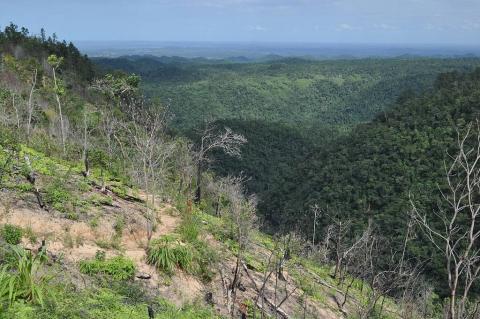
In the verdant heart of Central America, where the borders of Guatemala, Mexico, and Belize converge in a tapestry of emerald green, lies one of the world's most extraordinary convergences of natural wonder and human achievement. Here, beneath canopies that have witnessed the rise and fall of empires, the Petén Basin and its encompassing Maya Forest represent far more than geographical features—they embody a living testament to the intricate dance between civilization and wilderness that has unfolded across millennia.

The Sierra Madre de Chiapas: A Vital Natural Divide

The Sierra Madre de Chiapas is an impressive mountain range that extends parallel to the Pacific coast in southern Mexico and northern Central America. As the southernmost extension of the Sierra Madre Mountain System, this range is a significant geographical and ecological landmark. Spanning multiple countries, the Sierra Madre de Chiapas is known for its diverse ecosystems, volcanic activity, and role in the region's hydrology.

The Solentiname Islands: Nicaragua’s Volcanic Archipelago of Art and Nature

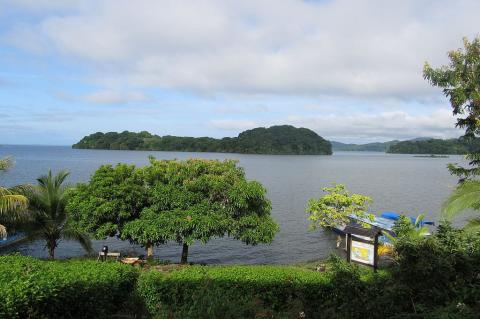
The Solentiname Islands are a serene and picturesque archipelago situated in the southeastern corner of Lake Nicaragua. These islands are renowned for their natural beauty, rich biodiversity, and cultural heritage. They are a haven for wildlife enthusiasts, artists, and those seeking a tranquil escape into nature. The archipelago comprises four main islands and numerous smaller islets, creating a unique environment that blends lush vegetation, volcanic landscapes, and vibrant artistic communities.