South America

The Living Heritage of Cusco: A Journey Through Time in Peru's Sacred Valley

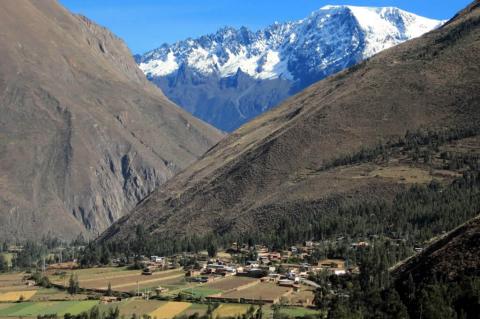
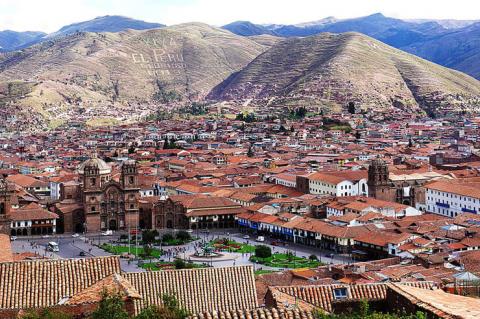
Perched high in the Andes within Peru's Sacred Valley, Cusco exemplifies a living cultural heritage where ancient Inca stonework seamlessly integrates with Spanish colonial architecture. Once the heart of Tawantinsuyu, this UNESCO World Heritage city serves as a gateway to Machu Picchu for millions of annual visitors while maintaining vibrant indigenous traditions. From the legendary Qoricancha temple to bustling markets where Quechua-speaking vendors sell traditional textiles, Cusco reveals a place where the boundaries between past and present dissolve into extraordinary harmony.

The Living Landscape of Oxapampa-Ashaninka-Yanesha

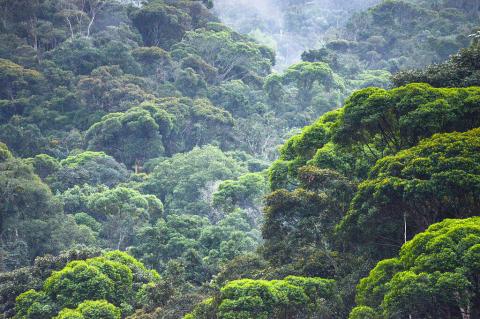
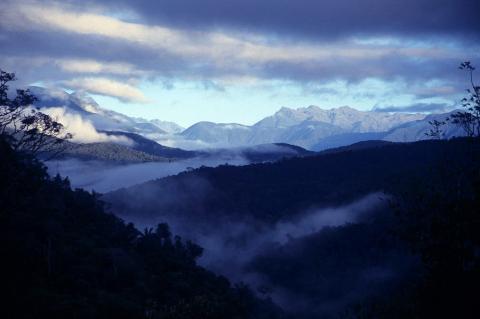
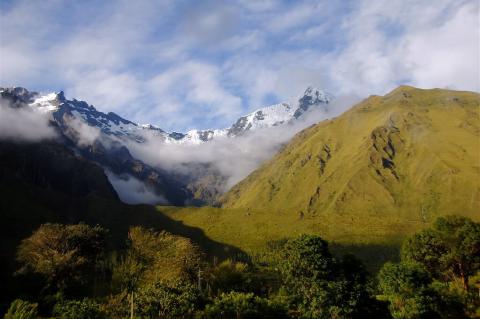
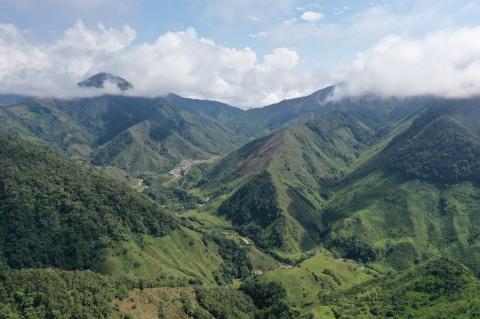
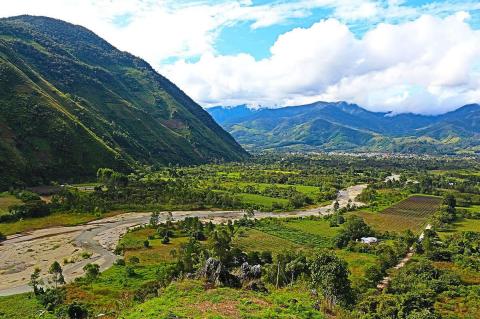
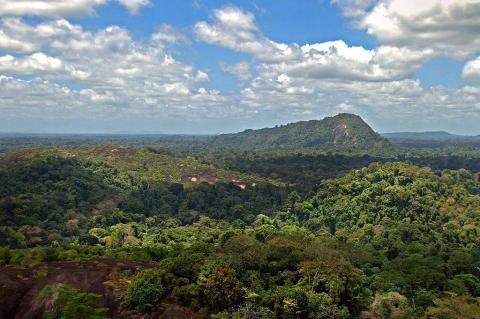
The Oxapampa-Ashaninka-Yanesha Biosphere Reserve, located in central Peru, encompasses one of the most pristine ecosystems on the eastern slopes of the Peruvian Andes, extending into the Amazon Basin. Recognized for its unique biodiversity and cultural heritage, the reserve was designated a Biosphere Reserve in 2010. This region, characterized by its high altitudinal range and diverse habitats, is crucial for conservation and sustainable development efforts.

The Lush and Biodiverse Western Ecuador Moist Forests

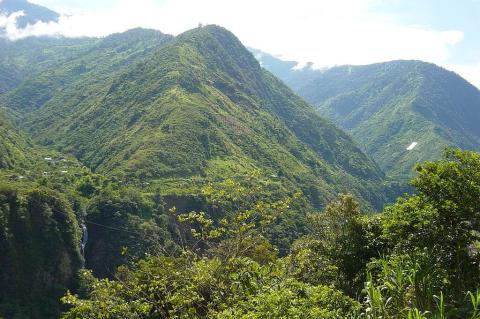
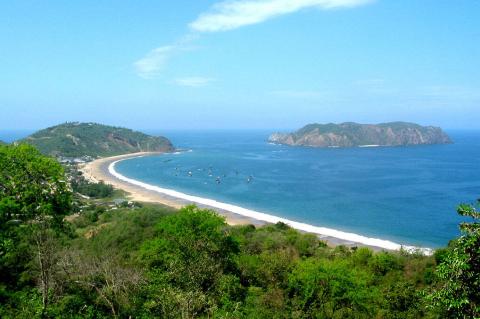
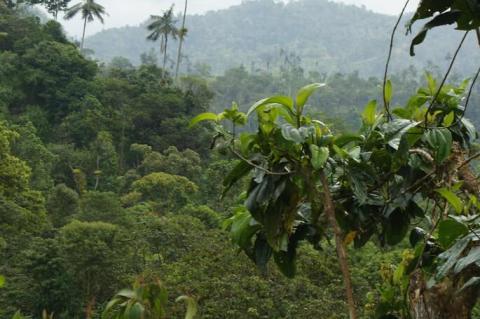
Nestled along the western slopes of the Andes Mountains in Ecuador lies a captivating ecoregion known as the Western Ecuador Moist Forests. This expansive, verdant landscape stretches from the Colombian border in the north to the Guayas River basin in the south. The ecoregion is part of the Tumbes-Chocó-Magdalena biodiversity hotspot, one of Earth's most species-rich yet threatened regions.

The Madre de Dios River: Gateway to the Amazon Basin

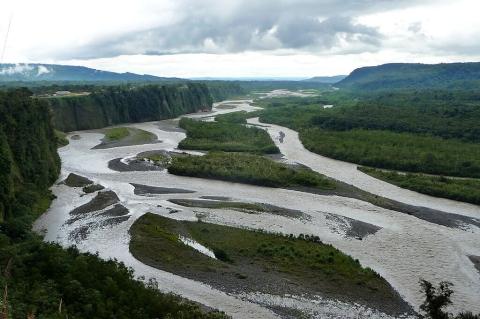
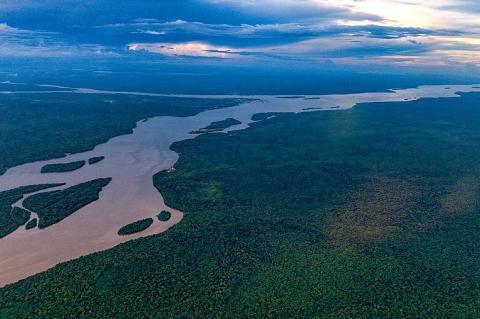
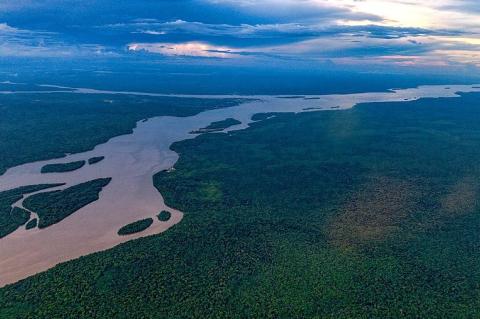
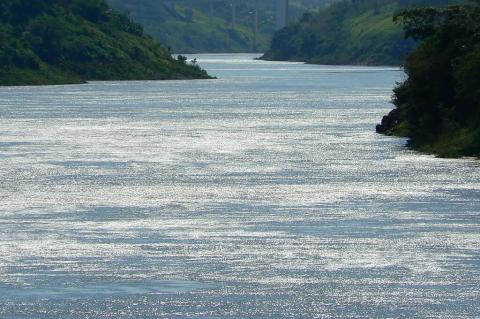
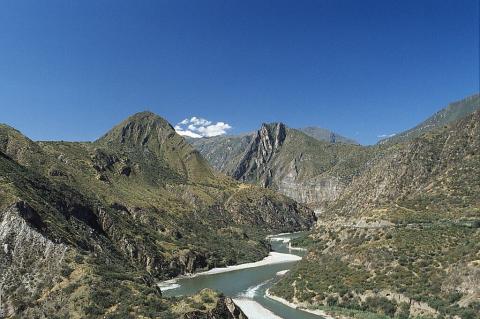
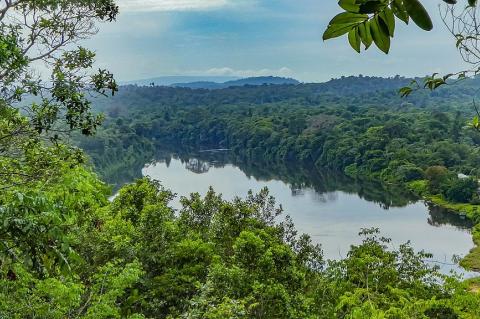
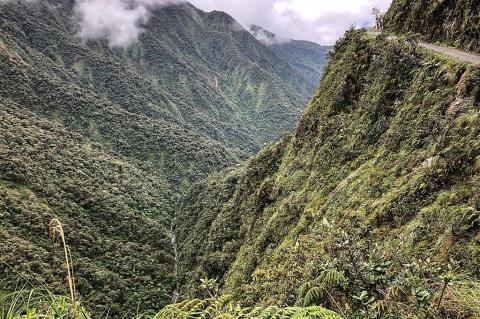
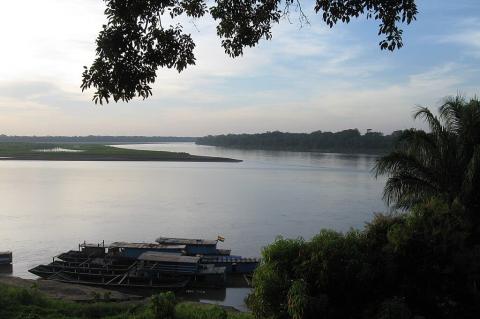
The Madre de Dios River, a vital headwater tributary of the Amazon River, forms an essential part of the Amazon River drainage basin and plays a crucial role in the geography and ecology of Peru and Bolivia. The river, originating in the Andes, flows through vast stretches of tropical rainforest, providing transportation, sustenance, and a lifeline for the sparse populations living along its banks. The river's basin is home to significant biodiversity and supports a variety of ecosystems while also serving as an essential route for the region's Indigenous peoples.

The Magdalena-Urabá Moist Forests: A Biodiversity Treasure of Colombia

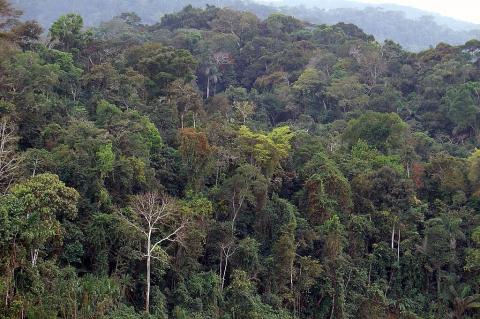
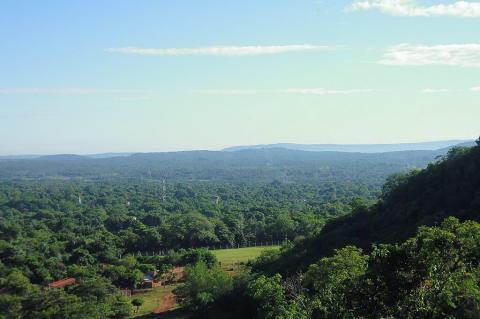
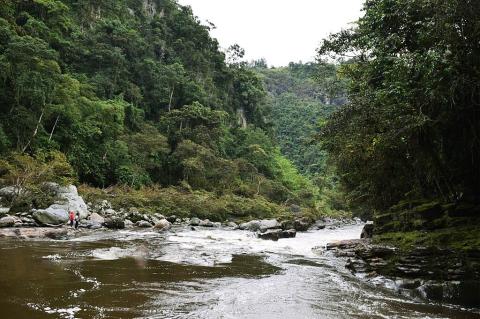
Nestled along the Caribbean coast of northern Colombia, the Magdalena-Urabá moist forests ecoregion is a remarkable and diverse ecosystem that is part of the more significant Tumbes-Chocó-Magdalena biodiversity hotspot. This lush and verdant region, stretching from the Magdalena River valley to the Gulf of Urabá, is a testament to Colombia's incredible natural wealth, offering a glimpse into the country's rich biological heritage.

The Magnificent Teatro Amazonas: A Jewel in the Heart of the Amazon

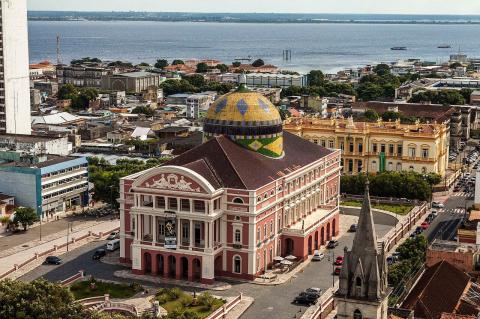
Deep within the lush embrace of the Amazon Rainforest stands the remarkable Teatro Amazonas, a testament to human ingenuity and artistic expression. It took over 15 years to construct the theater, with artists, designers, and materials imported from Europe, to create a one-of-a-kind cultural institution. This iconic opera house, situated in the bustling city of Manaus, Brazil, is a true architectural masterpiece. Its grand neo-classical façade and exquisite interiors captivate all who enter its doors.
The Maipo River: Lifeline of Central Chile

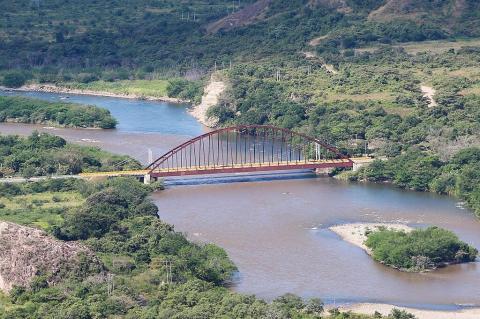
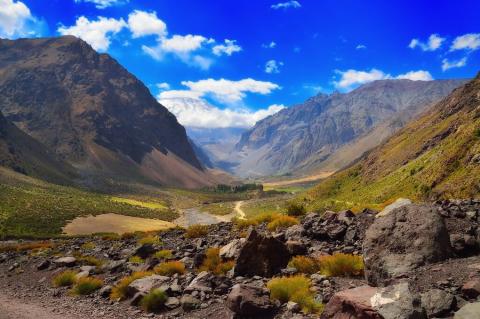
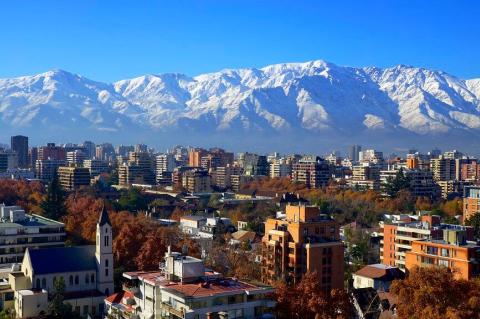
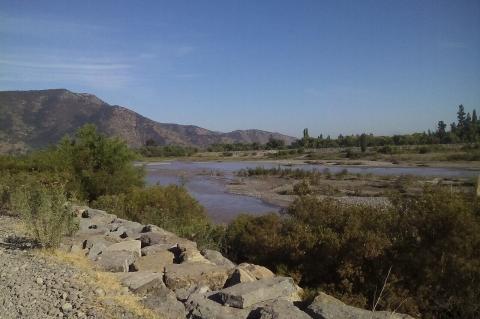
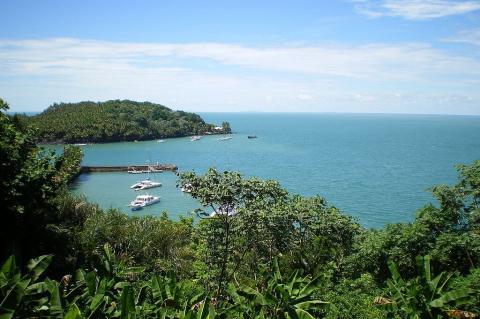
The Maipo River flows from the western slopes of the Andes to the Pacific Ocean, providing approximately 80% of Santiago's freshwater supply for seven million people. The river's basin contains more than 800 glaciers that serve as critical water storage during dry summer months. However, climate change has driven dramatic glacier retreat. This vital river system faces mounting pressures from prolonged drought, urban expansion, and agricultural demands, threatening water security for millions while supporting agriculture and industry.
The Majestic Landscapes of Queulat National Park

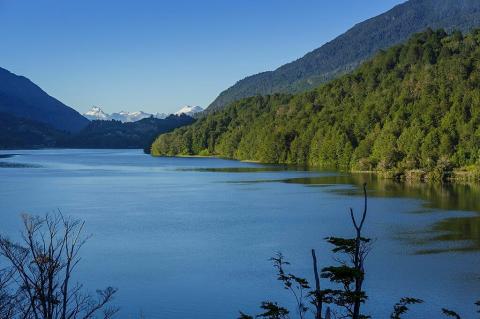
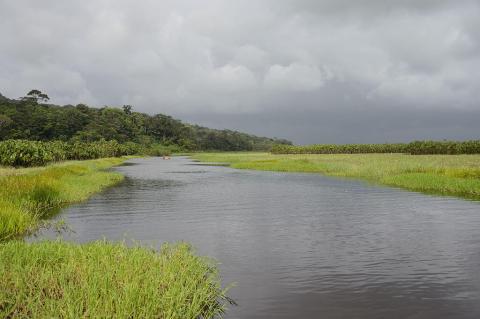
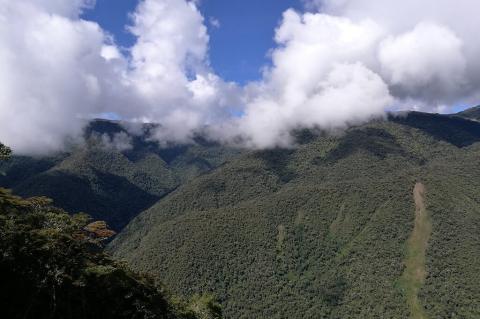
Queulat National Park, located in the Aysén Region of southern Chile, is a sanctuary of glacier-capped mountains, untouched evergreen Andean Patagonian forests, and diverse ecosystems. Established in 1983, the park is renowned for its stunning landscapes and rich biodiversity. The park's centerpiece, the Queulat Hanging Glacier (Ventisquero Colgante), epitomizes its natural beauty with awe-inspiring views.
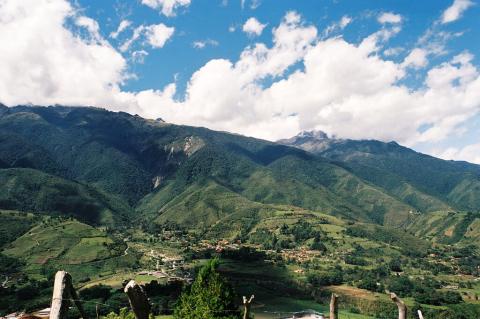
The Majestic Quebrada del Condorito: Argentina's High-Altitude Haven

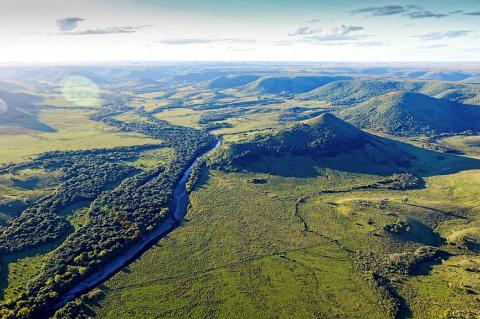
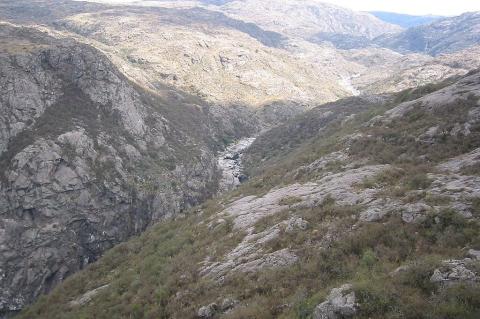
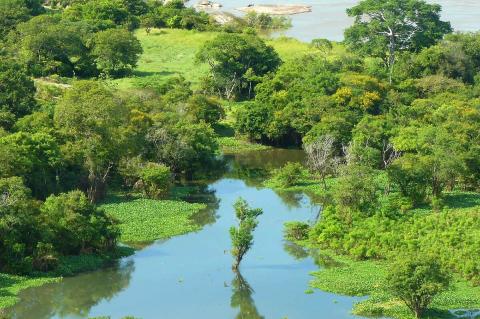
Nestled in the heart of Argentina, Quebrada del Condorito National Park stands as a powerful testament to the nation's dedication to preserving its extraordinary biodiversity and breathtaking landscapes. It is renowned for its dramatic vistas, which include deep gorges, towering cliffs, and rugged terrain, creating a stunning natural amphitheater. The park's diverse ecosystems range from montane forests to high-altitude grasslands, each supporting a unique assemblage of flora and fauna.

The Majesty of Ice: Exploring the Perito Moreno Glacier and Los Glaciares National Park

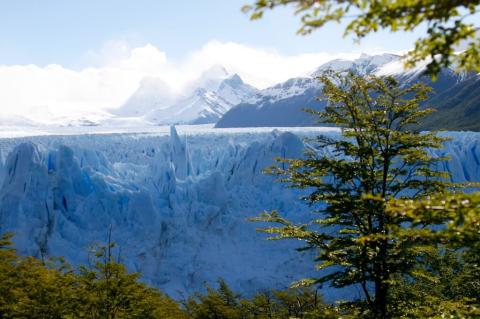
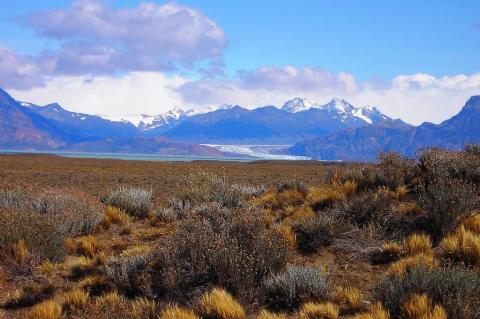
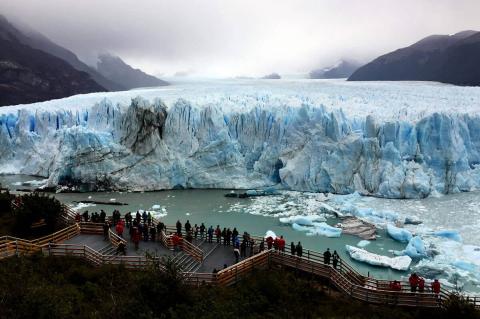
In the remote expanse of Argentine Patagonia, an extraordinary natural spectacle unfolds at the Perito Moreno Glacier, one of the most iconic landmarks of Argentina's Los Glaciares National Park. The glacier, known for its dramatic size, captivating beauty, and regular ruptures, symbolizes the region's glacial power and is a significant tourist destination. Located near the town of El Calafate, this massive ice formation is part of the Southern Patagonian Ice Field, one of the world's largest freshwater reserves.