Chile

Puna de Atacama: An Arid Collage of High Plateaus, Peaks, and Indigenous Heritage

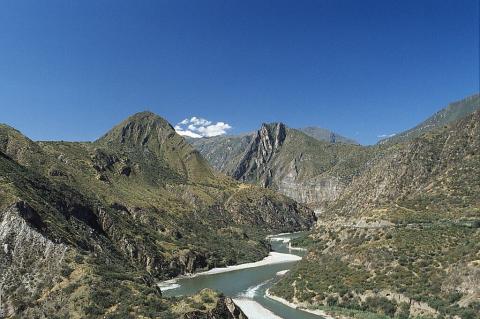
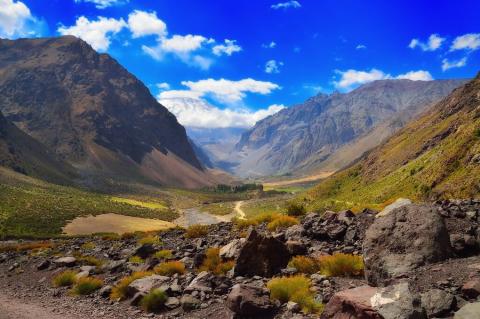
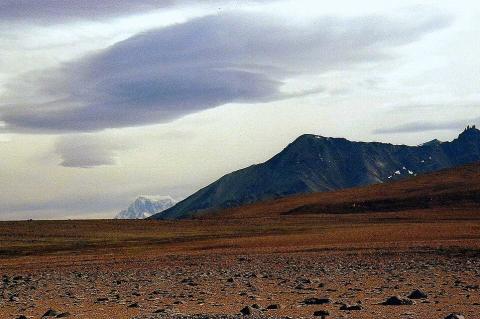
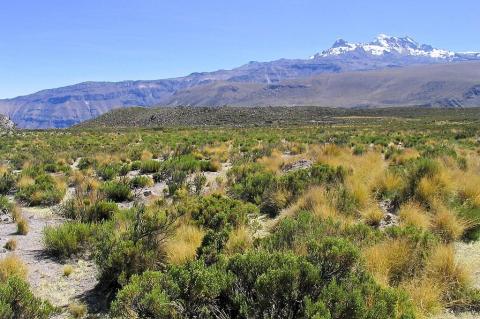
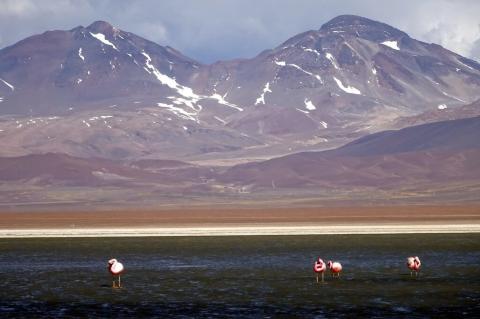
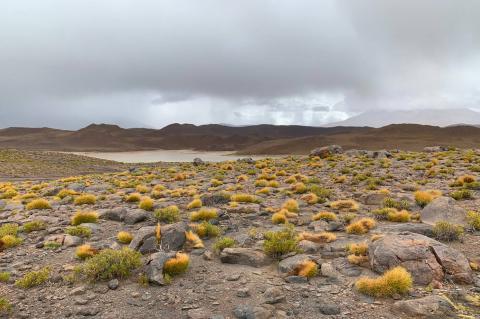
Nestled in the Andes Mountains of South America, the Puna de Atacama is a testament to nature's mesmerizing contrasts, from its cold, desolate high plateaus to the deep river valleys that carve through its eastern expanse. This vast and arid landscape, situated in the southernmost part of the Andean Altiplano, has geographical and cultural significance, stretching across northwestern Argentina and adjacent regions of Chile.

Puyehue National Park: Chile's Natural Masterpiece

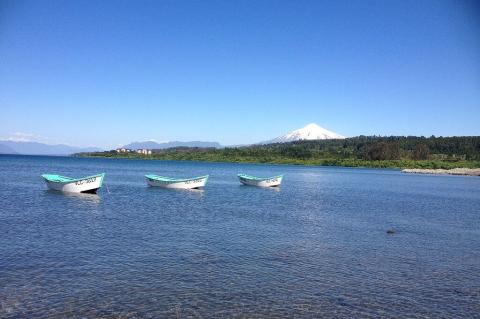
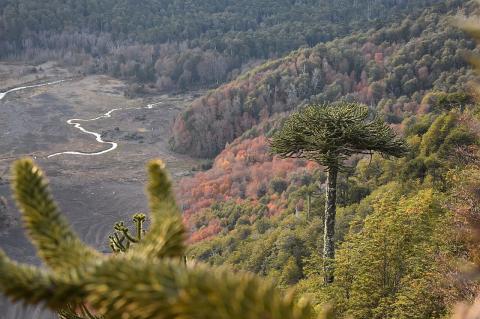
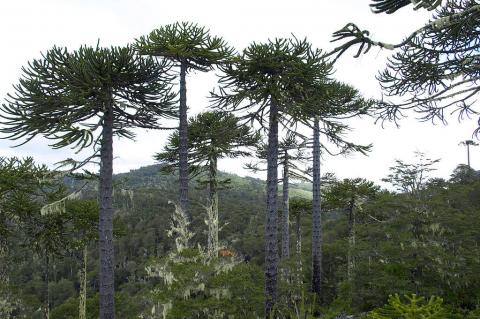
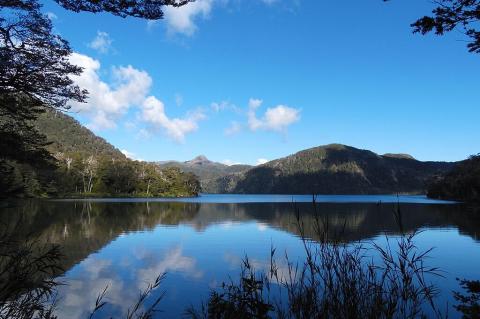
Nestled in the heart of southern Chile's Los Ríos and Los Lagos regions, Puyehue National Park is a testament to the country's natural wonders. This vast protected area boasts diverse landscapes, from steaming thermal springs and towering volcanoes to lush evergreen forests stretching endlessly. This comprehensive exploration delves into the essence of Puyehue National Park, unveiling its geological marvels and rich biodiversity

Región de Los Lagos: Chile's Stunning Lakes Region

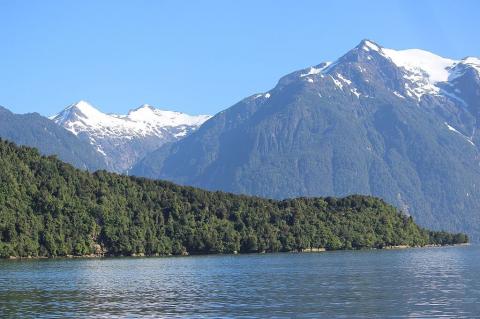
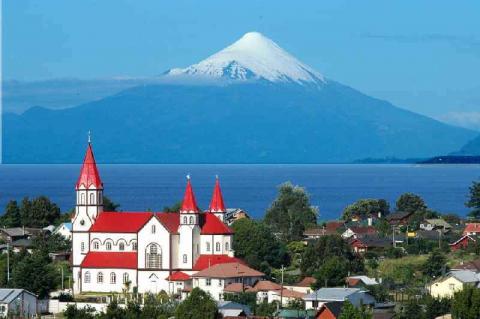
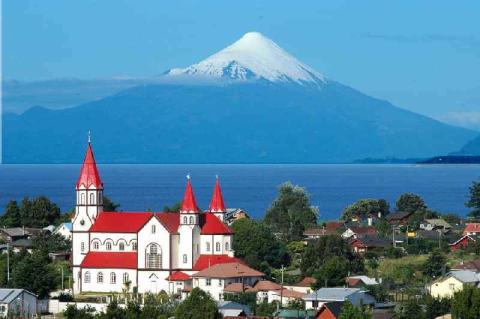
Nestled in the southern reaches of Chile, the Región de Los Lagos ("The Lakes Region") is a breathtaking expanse of natural beauty and cultural richness. Comprising four provinces—Chiloé, Llanquihue, Osorno, and Palena—this region boasts a diverse landscape of lakes, mountains, volcanoes, and rugged forests. From the UNESCO World Heritage site of Chiloé to the majestic Andes, the Los Lagos region offers a captivating blend of natural wonders and cultural heritage.

San Pedro de Atacama: Gateway to Chile's Ancient and Natural Wonders

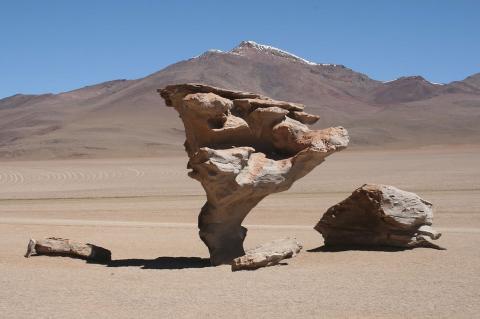
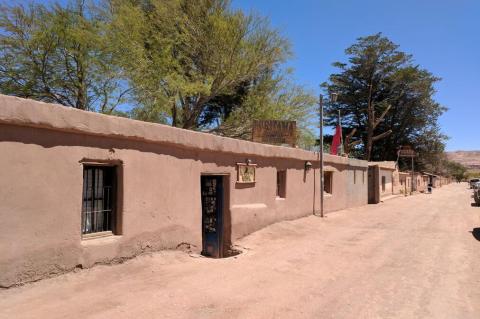
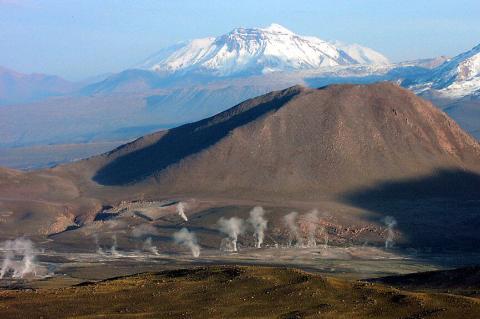
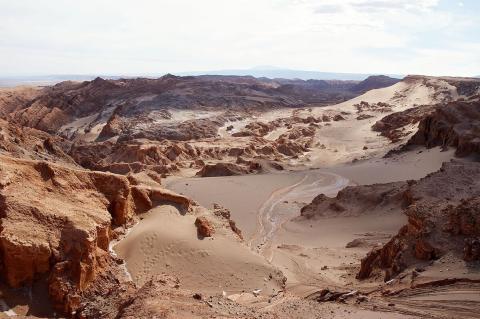
San Pedro de Atacama, a small town in northern Chile, serves as the heart of one of the most extreme and breathtaking landscapes on Earth. Nestled in the Atacama Desert, the driest non-polar desert in the world, this town is surrounded by surreal geological formations, salt flats, high-altitude lagoons, and ancient ruins. Rich in history and culture, San Pedro de Atacama has been a crossroads for Indigenous cultures for centuries and continues to be a hub for travelers seeking adventure, nature, and history.

Santiago: Chile's Dynamic Capital Between the Andes and the Pacific

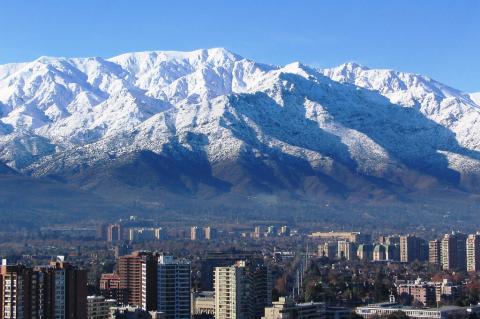
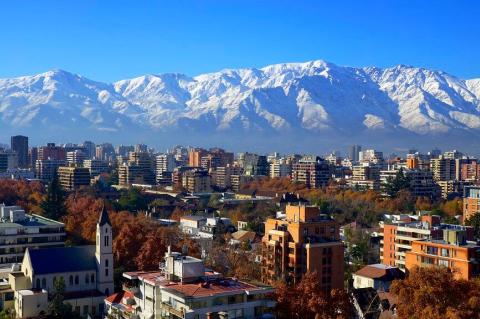
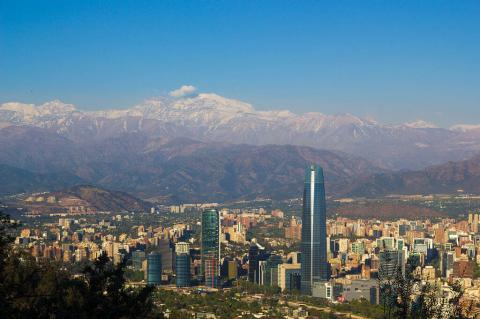
Nestled in a valley surrounded by the towering snow-capped Andes Mountains and the lower Coastal Range, Santiago stands as Chile's vibrant heart—a dynamic metropolis where colonial heritage meets contemporary innovation, where world-class museums coexist with colorful street art, and where the rhythm of modern South American life pulses beneath the watchful gaze of ancient peaks. As Chile's capital and largest city, Santiago serves as the nation's political, cultural, and economic center, hosting over 40% of Chile's population.

Sewell: The City of Stairs - A Legacy Carved into the Andes

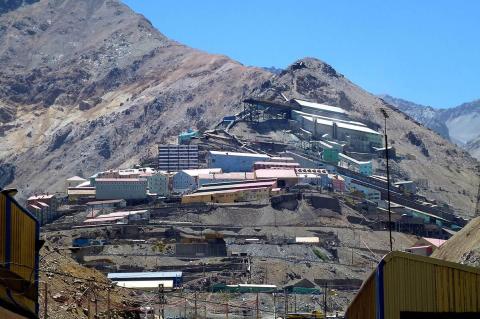
Perched high in the Chilean Andes, Sewell is a testament to human ingenuity and the pioneering spirit of the early 20th century. This abandoned mining town, clinging precariously to steep mountain slopes, tells a compelling story of industrial ambition, community life, and architectural innovation. Known as "The City of Stairs," Sewell's unique vertical layout and rich history have earned it recognition as a UNESCO World Heritage Site, preserving its legacy for future generations.

The Altiplano—Puna Volcanic Complex: Unveiling Geological Marvels in South America

The Altiplano—Puna volcanic complex is a testament to the awe-inspiring geological processes shaping the southern portion of the Altiplano—Puna plateau in the central Andes. It spans Argentina, Bolivia, and Chile and was formed when the Nazca Plate subducted beneath the South American Plate. The complex boasts diverse volcanic features and is the largest active magma reservoir. Scientific exploration continues to unravel the region's geological history, revealing insights into subterranean processes.

The Andean Volcanic Belt and the Pacific Ring of Fire: Unveiling Earth's Geological Marvels

The Andean Volcanic Belt, along South America's western coast, forms as the Nazca and Antarctic plates subduct beneath the South American Plate. This process generates various volcanic zones, illustrating the intricate interplay of Earth's crustal plates. The belt showcases diverse geological phenomena, from the hazards in the Northern Volcanic Zone to the silicic systems in the Central Volcanic Zone and the glaciated stratovolcanoes in the Austral Volcanic Zone.

The Arid Diagonal: South America's Great Drylands

South America's Arid Diagonal is a vast belt of arid and semi-arid ecosystems extending from coastal Peru to southeastern Argentina and northeastern Brazil. The region encompasses diverse desert systems, including the hyperarid Atacama, the ENSO-influenced Sechura, the biodiverse Monte, the wind-swept Patagonian Desert, and the high-altitude Puna. Despite extreme aridity, the diagonal harbors remarkable biodiversity with high endemism levels, particularly in transition zones, though it faces conservation challenges from overgrazing, mining, agricultural expansion, and climate change.

The Arid Majesty of Chile's Norte Grande: A Land of Extremes and Resilience

Chile's Norte Grande, the northernmost region stretching from the Peruvian border to the Copiapó River, showcases the raw power and stark beauty of extreme aridity. This area, home to the Atacama Desert, one of the driest places on Earth, features a landscape shaped by relentless sun, minimal rainfall, and dramatic geological forces. However, within this inhospitable environment lies a unique tapestry of adapted life, captivating geological features, and a rich history defined by the struggle for existence in a land of striking contrasts.