Chile

The Semi-Arid Heart of Chile: Ecology, Agriculture, and Astronomy in the Norte Chico

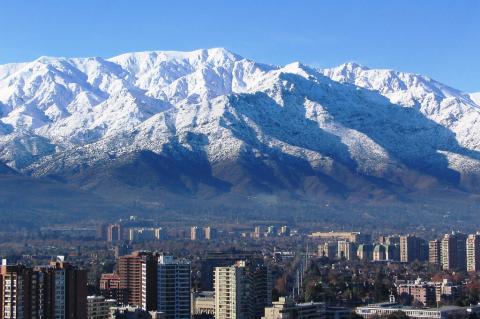
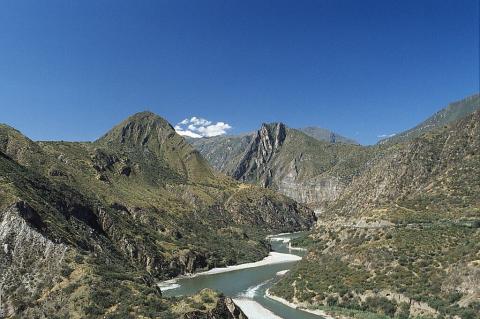
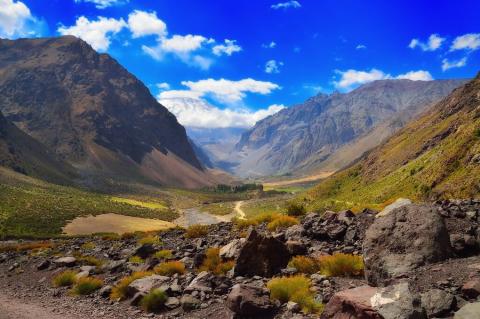
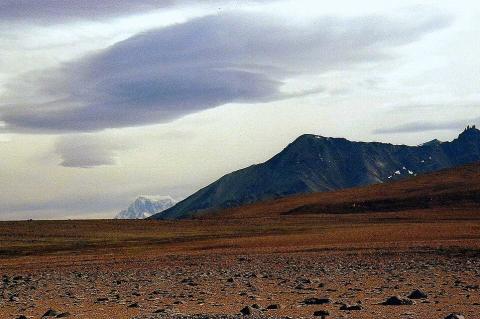
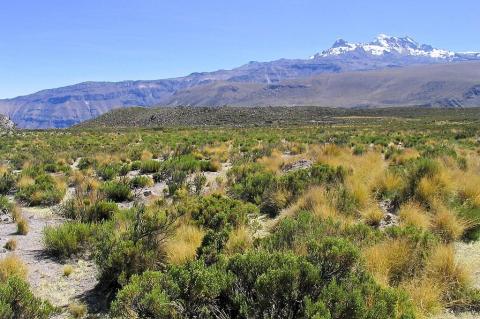
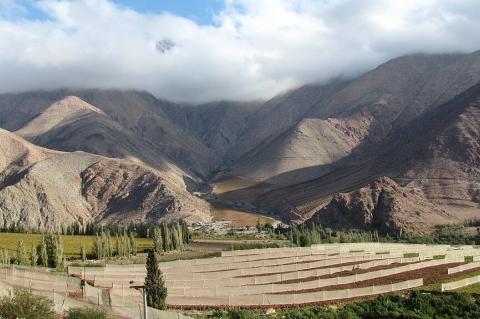
Chile's Norte Chico, the "Near North," region is a vital transitional zone from the arid Copiapó River to the temperate Aconcagua River. This area demonstrates a shift from the hyperaridity of the Norte Grande to the Mediterranean-like central zone. The Norte Chico features semi-arid climates, distinctive valleys, endemic biodiversity, and a rich history tied to agriculture and mineral extraction. Its landscapes, ranging from foggy coastlines to fertile valleys and the slopes of the Andes, reveal the ecological and geographical gradients of Chile.

The Southern Patagonian Ice Field: A Colossal Glacier of the Andes

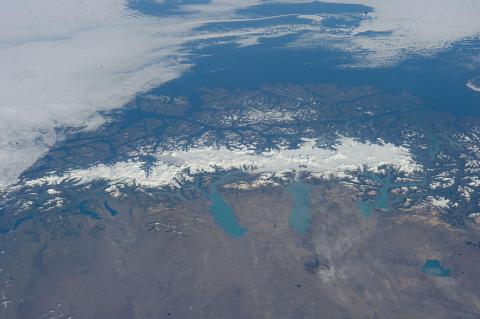
The Southern Patagonian Ice Field is a breathtaking and monumental testament to the power of glacial forces, stretching along the southern Andes Mountains between Chile and Argentina. As the world's third-largest expanse of continental ice, after the Antarctic and Greenland ice sheets, it represents the grander of the two surviving remnants of the vast Patagonian Ice Sheet. Its immense scale, dramatic outlet glaciers, and profound ecological significance make it a jewel of the Patagonian wilderness.

The Torres del Paine Biosphere Reserve: A Tapestry of Life in Patagonia

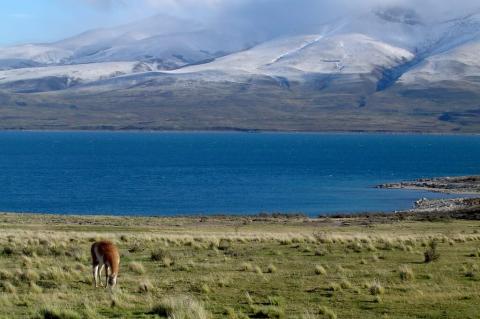
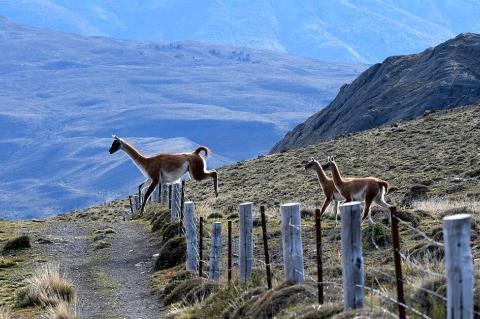
Nestled between the Andes Mountains' towering peaks and the Patagonian Steppe's vast expanse lies the Torres del Paine Biosphere Reserve—a realm of unparalleled natural beauty and ecological significance. This protected area is a true sanctuary for biodiversity, where the forces of nature have sculpted a landscape that is as breathtaking as diverse. At the heart of the Torres del Paine Biosphere Reserve lies Torres del Paine National Park, a crowning jewel among Chile's protected areas.

The Wild Frontier: Exploring Chile's Zona Austral

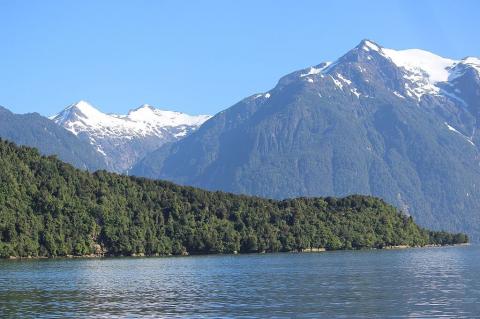
Chile's Zona Austral, the "Far South," encompasses the vast and sparsely populated territory stretching south from the Guaitecas Archipelago to the legendary Cape Horn, representing the country's final frontier towards Antarctica. As the southernmost of its five distinct natural regions, this zone is characterized by a cold, wet climate, dramatic glaciated landscapes, rugged coastlines with intricate fjords and numerous islands, and subpolar conditions in its southernmost reaches.

The Winding Waterways of Tierra del Fuego: Exploring the Strait of Magellan and Beagle Channel

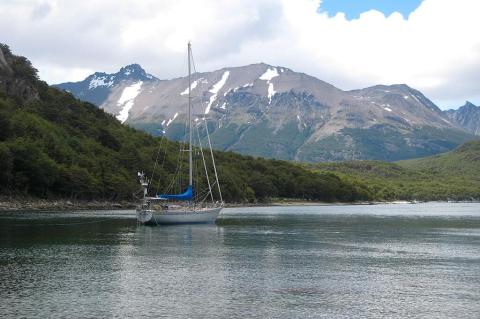
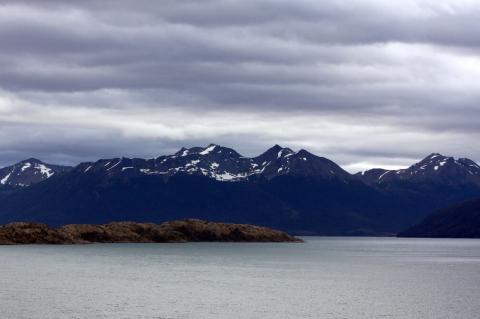
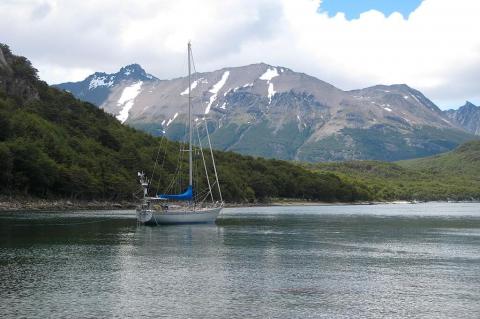
At the southernmost tip of South America, where the continent dissolves into a labyrinth of islands and channels, two remarkable waterways have shaped the course of maritime history, scientific discovery, and human exploration. The Strait of Magellan and the Beagle Channel, carved by millennia of geological forces and sculpted by the relentless Southern Ocean, represent far more than mere passages between oceans—they are corridors of human ambition, natural wonder, and enduring mystery.

Tierra del Fuego: The Last Frontier at the End of the World

At the southernmost tip of South America, where the continent fragments into islands across turbulent seas, lies one of Earth's most enigmatic regions. Tierra del Fuego—the "Land of Fire"—testifies to the planet's savage beauty and complexity. This archipelago, shaped by geological forces and millennia of ice and wind, embodies humanity's fascination with the edges of the known world, where civilization yields to wilderness and the elements conspire against habitation.

Torres del Paine: A Breathtaking Journey Through Patagonia's Iconic Wilderness

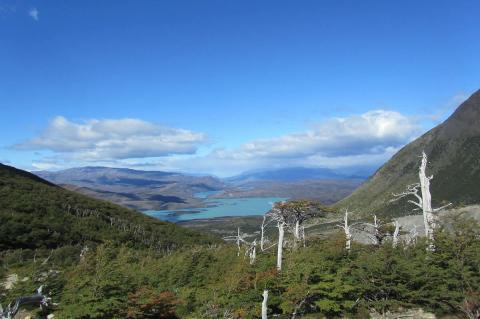
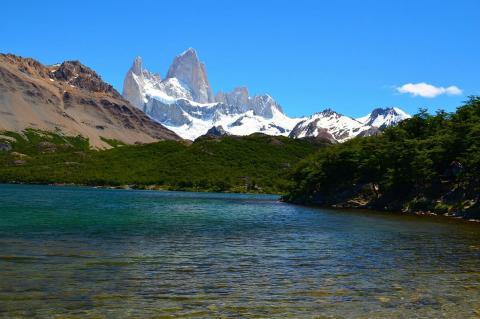
Deep within the heart of Chilean Patagonia, where the mighty Andes Mountains converge with the vast Patagonian Steppe, lies a realm of unparalleled natural beauty – Torres del Paine National Park. This breathtaking expanse of rugged peaks, glaciers, lakes, and rivers is undoubtedly one of the world's most iconic wilderness areas. The Cordillera del Paine stands at its core, a majestic mountain range that rises sharply above the surrounding terrain.

Valparaíso: The Jewel of the Pacific - Triumph, Tragedy, and Resilience

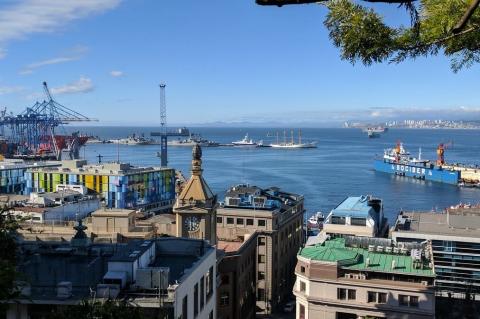
Clinging precariously to steep hills overlooking the Pacific Ocean, Valparaíso stands as Chile's most visually captivating and culturally vibrant city—a UNESCO World Heritage Site where brightly painted houses cascade down hillsides like a waterfall of color, where historic funiculars defy gravity to connect the lower port with hillside neighborhoods, and where street art transforms crumbling walls into open-air galleries. Located northwest of Santiago on Chile's central coast, "Valpo" served as South America's most important Pacific port during the late 19th and early 20th centuries.

Villarrica Volcano: Chile's Fiery Icon of Nature and Adventure

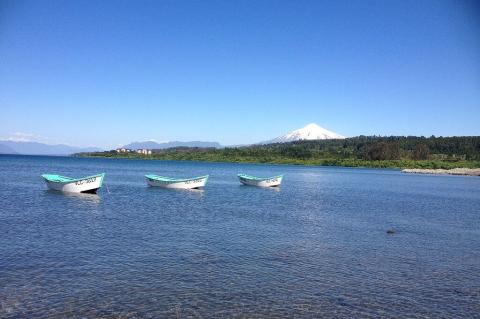
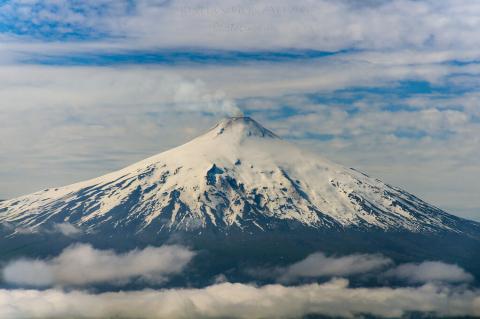
Towering over the picturesque landscapes of southern Chile, Villarrica Volcano is one of South America's most iconic and active stratovolcanoes. Known to the Indigenous Mapuche as Ruka Pillan, or "House of the Spirit," this formidable peak has captivated adventurers, geologists, and nature enthusiasts alike. Rising to 2,847 m (9,341 ft) above sea level, Villarrica is not just a geological wonder but also a cultural and ecological centerpiece.

Yendegaia National Park: A Pristine Wilderness Sanctuary in Chilean Patagonia

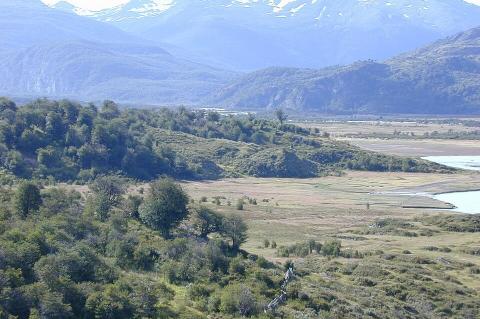
Deep within the heart of Chilean Patagonia, nestled amidst the towering peaks of the Darwin Range and the pristine waters of Lake Fagnano, lies Yendegaia National Park. This vast protected area, stretching from the Cordillera Darwin to the Argentine border and from the Beagle Channel to the shores of Fagnano Lake, encompasses a mosaic of landscapes. Here, vast pampas, unexplored mountains, glaciers, lakes, canals, rivers, and fjords combine in a tapestry of natural wonders.