Chile

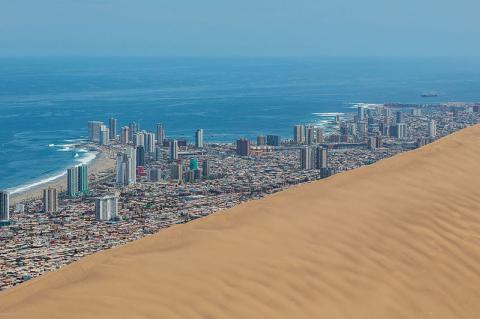
Iquique: The Shimmering Jewel of Northern Chile

Perched between the Pacific Ocean and the Atacama Desert, Iquique is a city of breathtaking contrasts. This northern Chilean city, renowned for its dramatic landscapes, rich cultural heritage, and dynamic economy, has evolved from a historic nitrate boomtown into a modern hub of trade, tourism, and adventure. With its blend of pristine beaches, architectural marvels, and access to some of the most stunning desert scenery in the world, Iquique offers an unparalleled window into Chile's vibrant past and promising future.

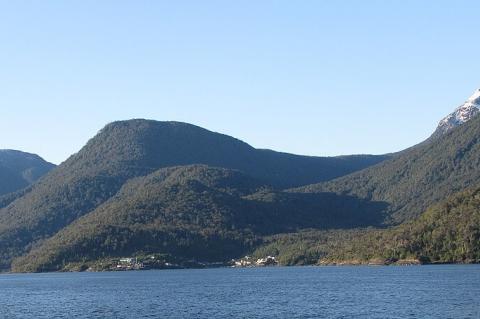
Isla Magdalena National Park: A Patagonian Treasure

Isla Magdalena National Park, located in Chile's Aysén Region, is a pristine wilderness showcasing southern Patagonia's rugged beauty and biodiversity. The park encompasses approximately 80% of Magdalena Island, one of the largest islands south of Chiloé, making it a significant protected area within the region. Dominated by the extinct Montalat volcano, the island's varied landscapes, rich ecosystems, and cultural history make it an essential destination for nature enthusiasts and conservationists.

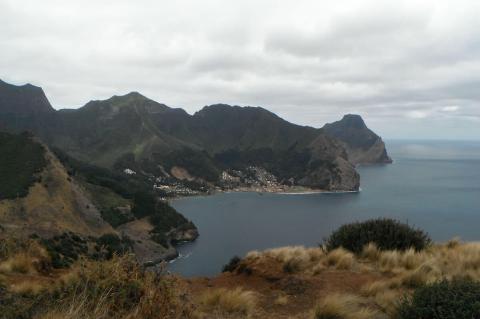
Juan Fernández Archipelago: Nature and Legend in the South Pacific

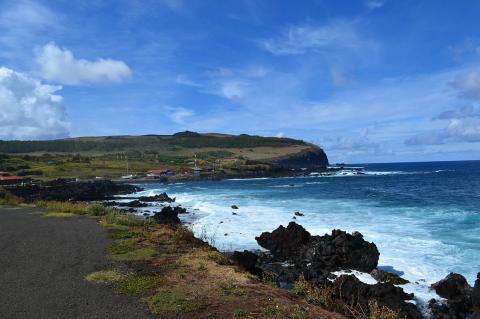
The Juan Fernández Archipelago, situated in the South Pacific Ocean, is a remote chain of volcanic islands belonging to Chile. The archipelago has long intrigued explorers, writers, and biologists alike. Known for its ties to the marooned sailor Alexander Selkirk—whose survival inspired Daniel Defoe's Robinson Crusoe—the archipelago is a cultural landmark and a unique ecological hotspot. With dramatic landscapes, endemic species, and a colorful history of pirates and explorers, the Juan Fernández Islands offer a rare glimpse into the natural and human story of isolation.

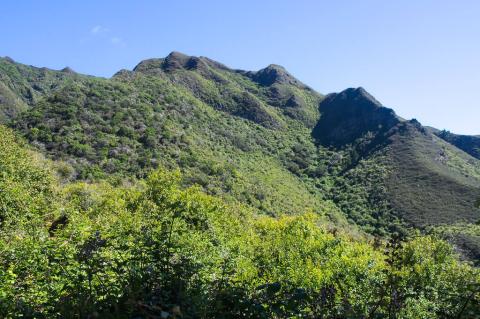
Juan Fernández Islands Temperate Forests: A Biodiversity Sanctuary in Isolation

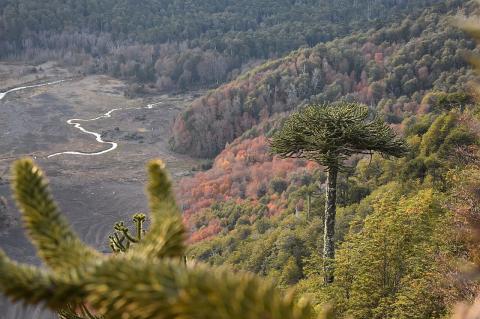
The Juan Fernández Islands Temperate Forests ecoregion, located on the remote Juan Fernández Archipelago off the coast of Chile, stands as one of the world's most unique and biologically rich environments. Due to its isolation in the South Pacific, the archipelago has developed an extraordinary range of endemic species and distinct ecosystems. This ecoregion, dominated by temperate forests, offers a rare glimpse into how nature evolves in isolation.

Kawésqar National Park: A Majestic Wilderness in Chilean Patagonia

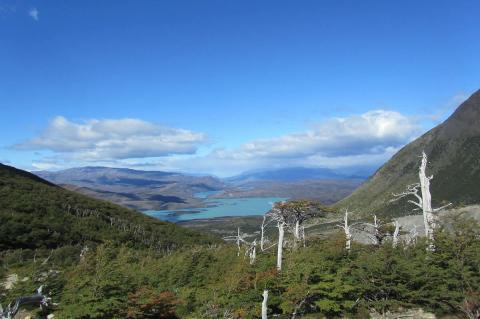
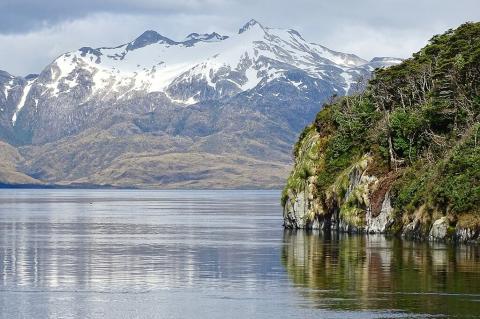
Kawésqar National Park, formerly known as the Alacalufes National Reserve, is a vast and stunning natural sanctuary located in the provinces of Magallanes, Última Esperanza, and Isla Riesco within the Magallanes and Chilean Antarctica Region of southern Chile. Nestled in the heart of Chilean Patagonia, this expansive park, part of Chile's Route of Parks, offers a glimpse into the region's wild beauty, showcasing diverse landscapes, ecosystems, and wildlife.

La Campana-Peñuelas: Balancing Biodiversity and Urban Pressures in Central Chile

Nestled in the heart of Chile's Valparaíso Region, the La Campana-Peñuelas Biosphere Reserve epitomizes the country's dedication to safeguarding its natural heritage. Designated as a UNESCO Biosphere Reserve, it encompasses the La Campana National Park and the Lago Peñuelas National Reserve. Together, they form a mosaic of landscapes, biodiversity, and cultural history, offering an exceptional model of conservation and sustainability.

La Moneda Palace: A Symbol of Chilean History, Resilience, and Democracy

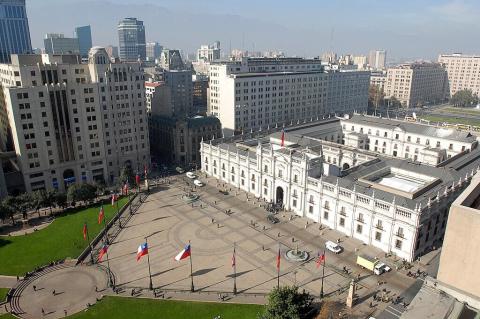
La Moneda Palace, located in downtown Santiago, serves as Chile's presidential seat and most iconic political landmark. Originally constructed as a colonial mint house, this neoclassical masterpiece was transformed into the government headquarters in 1845. The palace witnessed Chile's darkest moment during the 1973 military coup, when aerial bombardment severely damaged the building during General Pinochet's overthrow of President Salvador Allende. Carefully restored and painted white, La Moneda today symbolizes Chilean resilience and democracy.

Lago General Carrera: The Majestic Beauty of Patagonia's Marble Caves

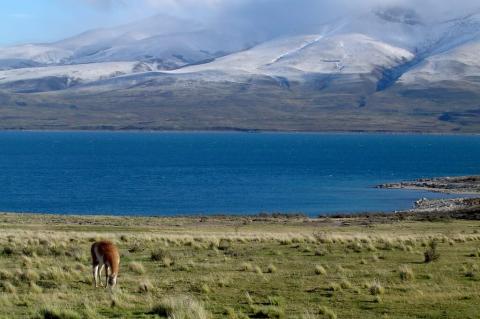
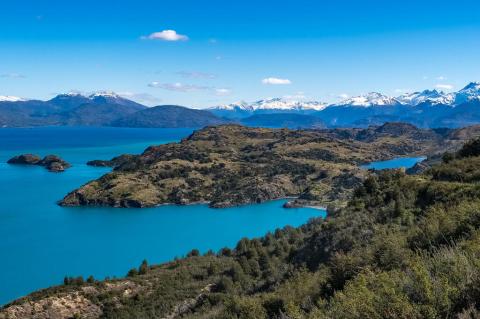
Straddling the border between Chile and Argentina lies one of the most breathtaking natural wonders in South America—Lago General Carrera (known as Lago Buenos Aires in Argentina). This expansive glacial lake, with its turquoise and sapphire waters, is surrounded by the rugged landscapes of Patagonia and framed by snow-capped mountains, providing an unforgettable view that draws visitors from around the world. Among its most famous attractions are the Marble Caves, surreal formations carved by nature over thousands of years.

Laguna San Rafael: A Glacial Wonderland in Patagonia

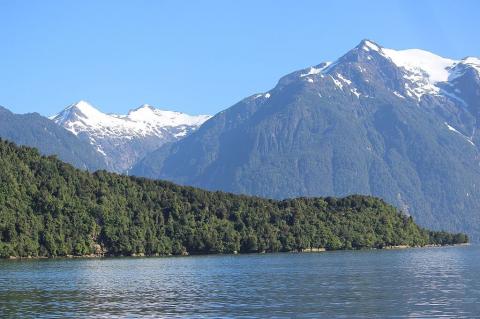
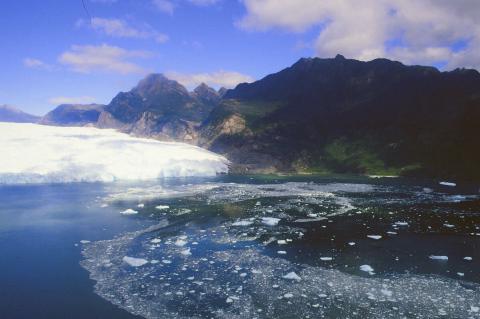
Laguna San Rafael National Park and Biosphere Reserve, situated on the Pacific coast of southern Chile, is a haven of natural beauty and ecological diversity. Encompassing the vast Northern Patagonian Ice Field, this protected area is one of the crown jewels of the Aysén Region, Chile's most sparsely populated area. Its mission is to protect native flora and fauna from extinction while serving as a focal point for scientific research and a popular destination for tourists seeking the rugged beauty of Patagonia.

Lake Llanquihue and Osorno Volcano: Treasures of Chile's Lake District

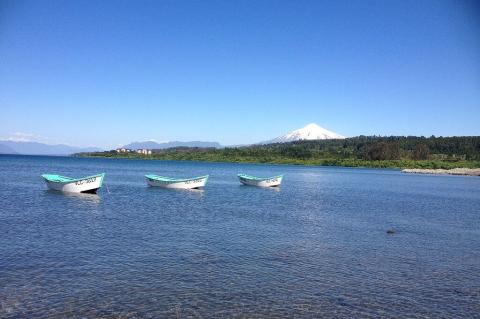
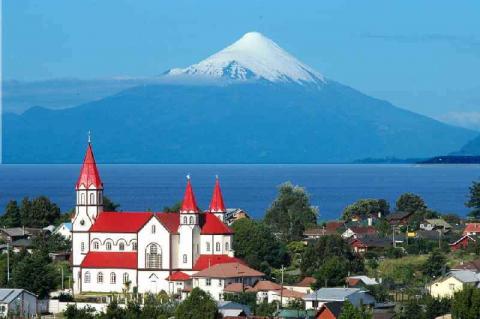
Nestled in the heart of Chile's enchanting Lake District lies Lake Llanquihue, a sprawling body of water renowned for its scenic beauty and cultural significance. With its vast expanse of dark waters and striking black sand shores, Lake Llanquihue captivates the imagination. Situated between Osorno Province and Llanquihue Province, Osorno Volcano commands attention with its snow-capped peak and dramatic silhouette, creating a striking contrast against the azure waters of Lake Llanquihue.