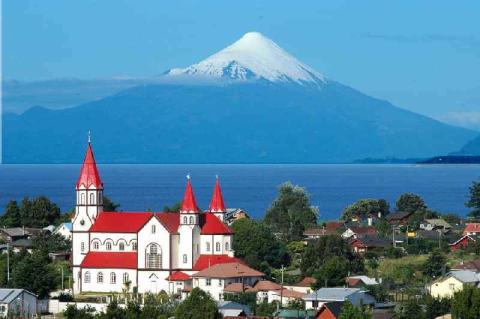
Chile

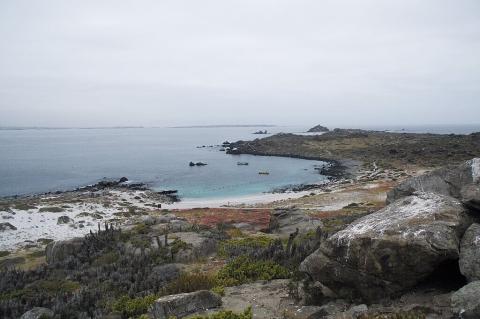
The Humboldt Penguin National Reserve: A Marine Wildlife Sanctuary in Northern Chile

Nestled along Chile's northern Pacific coast, the Humboldt Penguin National Reserve is one of South America's most remarkable marine wildlife sanctuaries. Located north of Santiago and northeast of La Serena, this protected area includes three pristine islands that rise from the nutrient-rich waters of the Humboldt Current: Isla Damas, Isla Choros, and Isla Chañaral de Aceituno. These islands are vital habitats for many marine species, especially the vulnerable Humboldt penguin.

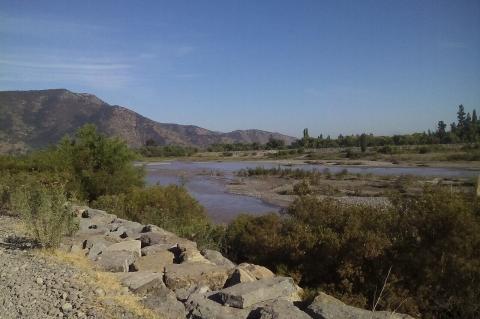
The Maipo River: Lifeline of Central Chile

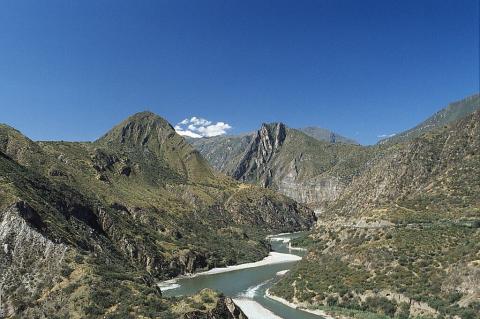
The Maipo River flows from the western slopes of the Andes to the Pacific Ocean, providing approximately 80% of Santiago's freshwater supply for seven million people. The river's basin contains more than 800 glaciers that serve as critical water storage during dry summer months. However, climate change has driven dramatic glacier retreat. This vital river system faces mounting pressures from prolonged drought, urban expansion, and agricultural demands, threatening water security for millions while supporting agriculture and industry.

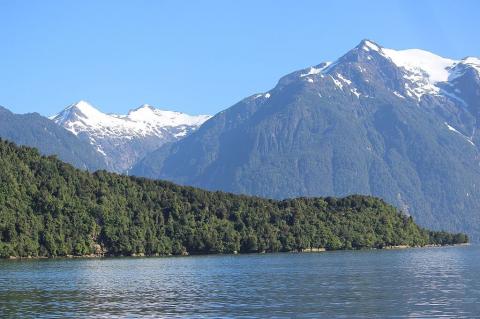
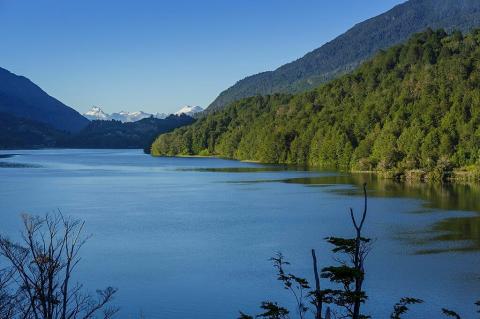
The Majestic Landscapes of Queulat National Park

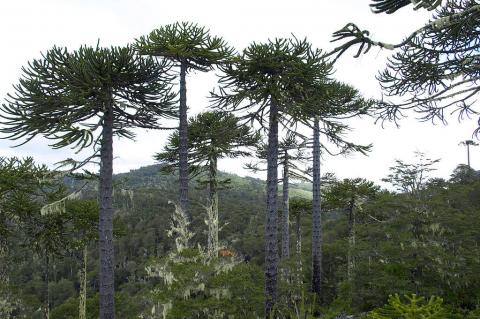
Queulat National Park, located in the Aysén Region of southern Chile, is a sanctuary of glacier-capped mountains, untouched evergreen Andean Patagonian forests, and diverse ecosystems. Established in 1983, the park is renowned for its stunning landscapes and rich biodiversity. The park's centerpiece, the Queulat Hanging Glacier (Ventisquero Colgante), epitomizes its natural beauty with awe-inspiring views.

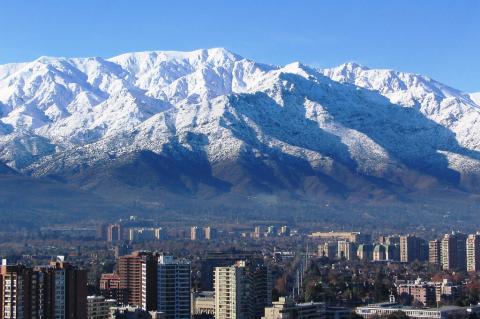
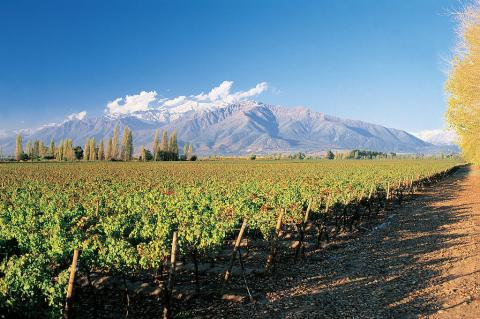
The Mediterranean Heartbeat: Exploring Chile's Zona Central

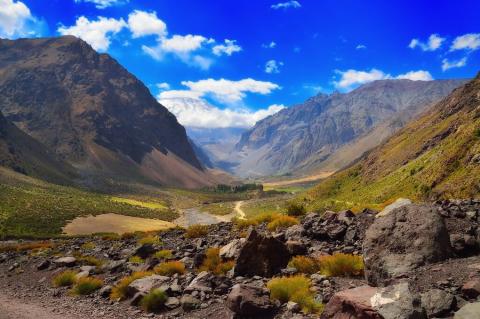
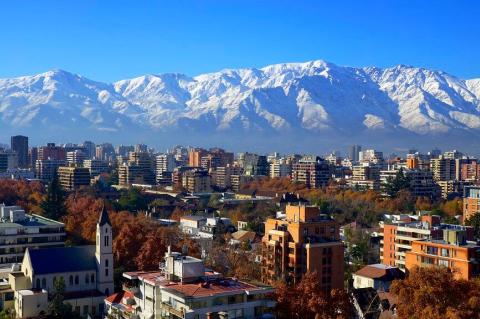
Chile's Zona Central represents the vibrant and most densely populated core of the country. This zone embodies the nation's demographic, economic, and cultural center, characterized by a classic Mediterranean climate. It is a landscape where fertile valleys, bordered by prominent coastal ranges and the towering peaks of the Andes, have fostered intensive agriculture, significant urban development, and a rich biodiversity, all shaped by distinct seasonal rainfall patterns and the enduring presence of both mountains and sea.

The Natural Splendor of Cerro Castillo National Park

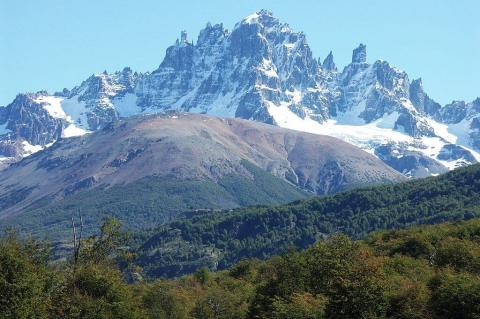
Cerro Castillo National Park, located in the Aysén Region of southern Chile, is a stunning example of Patagonia's natural beauty and biodiversity. Named after the majestic Cerro Castillo peak, the park is a haven for those seeking to experience southern Chile's raw, unspoiled wilderness. With its dramatic landscapes, diverse ecosystems, and rich wildlife, Cerro Castillo National Park provides a unique and captivating glimpse into the heart of the Patagonian Andes.

The Northern Patagonian Ice Field: A Living Testament to Chile's Glacial Past

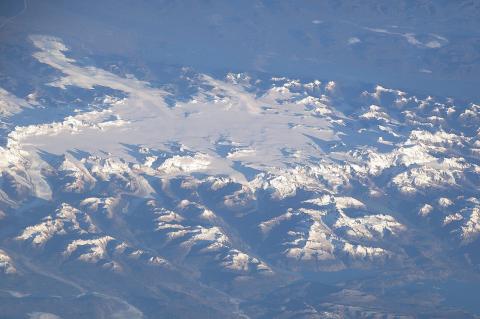
Nestled within the breathtaking and rugged landscapes of southern Chile, the Northern Patagonian Ice Field stands as a profound testament to the enduring power and legacy of the Andes Mountains. This immense ice mass, smaller than its southern counterpart but no less magnificent, represents one of the last major remnants of the once-vast Patagonian Ice Sheet. Its entirety lies protected within the boundaries of the Laguna San Rafael National Park, a designated UNESCO Biosphere Reserve, underscoring its immense ecological and scientific value.

The Pan-American Highway: Linking North, Central, and South America

Stretching from the frozen tundras of Alaska to the windswept landscapes of Tierra del Fuego, the Pan-American Highway is a testament to human ingenuity and the indomitable spirit of connectivity. This vast network of roads is one of the most extensive and ambitious transportation systems ever conceived, serving as a vital artery for trade, tourism, and cultural exchange across the Americas. Despite the monumental achievements of the highway, a formidable obstacle remains – the Darién Gap.

The Patagonian and Fuegian Andes: Spine of the World's End

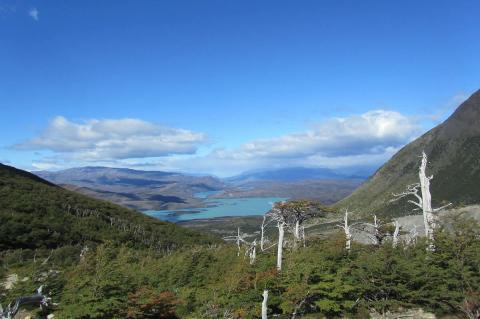
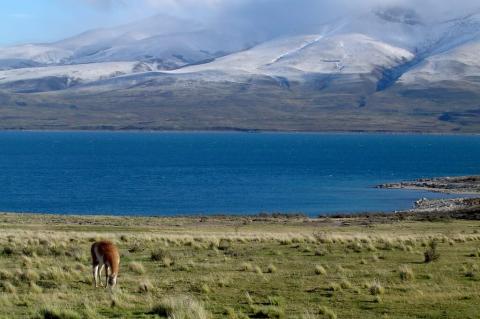
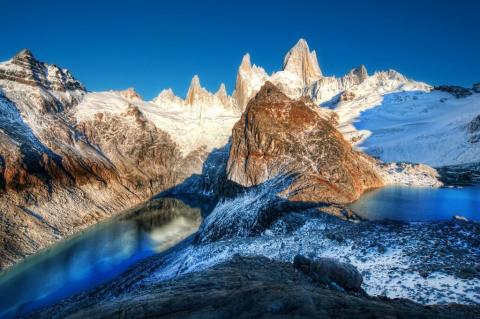
Rising from the steppes of southern Argentina and Chile like a serrated blade cleaving sky from earth, the Patagonian and Fuegian Andes form a spectacular and complex mountain system. This southern extension of the Andean chain features dramatic landscapes, towering granite spires, ancient ice fields, and active volcanic peaks that reshape the continent. These mountains serve as a living laboratory of planetary processes, a refuge for unique ecosystems, and a testament to the powerful natural forces that have shaped our world.

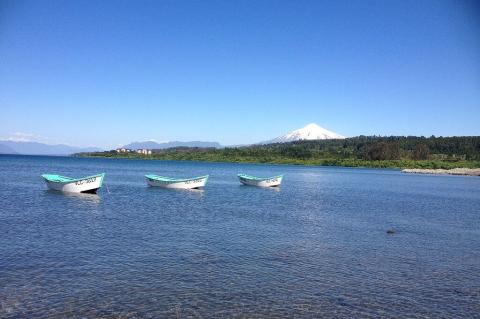
The Pristine Wilderness of Hornopirén National Park

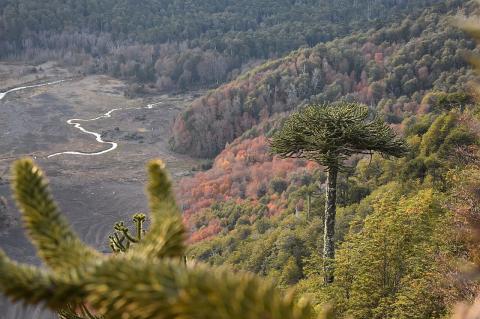
Hornopirén National Park, located in southern Chile's Los Lagos region, is a pristine wilderness within the Chilean Andes. The park derives its name from the Mapundungún term "Snow Oven," a nod to the majestic Hornopirén Volcano. Though not within park boundaries, this volcano epitomizes the dramatic landscapes that define the region. It is part of the Bosques Templados Lluviosos de los Andes Australes Biosphere Reserve, showcasing rich biodiversity and spectacular natural features.

The Qhapaq Ñan: Weaving an Empire Through Stone and Sky

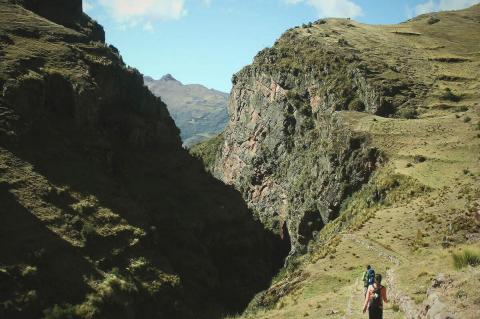
Stretching across the spine of South America, the Qhapaq Ñan represents one of humanity's most ambitious engineering achievements. This network of pathways once carried the footsteps of llamas laden with precious cargo, alpacas bearing the finest textiles, and chasqui messengers racing between distant provinces of the vast Inca Empire. More than mere roads, these ancient highways served as the nervous system of Tawantinsuyu, the "Land of the Four Quarters," binding together a realm that spanned from the emerald depths of the Amazon to the windswept altiplano.