South America

Northwestern Andean Montane Forests: Exploring Colombia and Ecuador's Biodiversity Hotspot

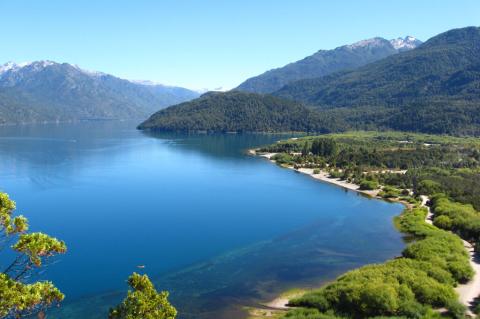
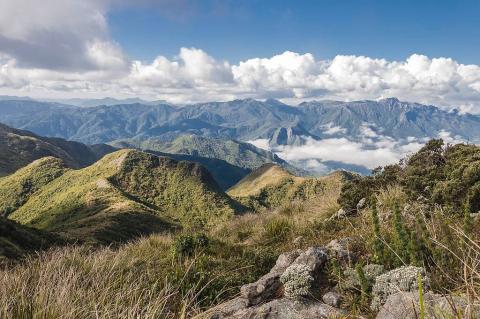
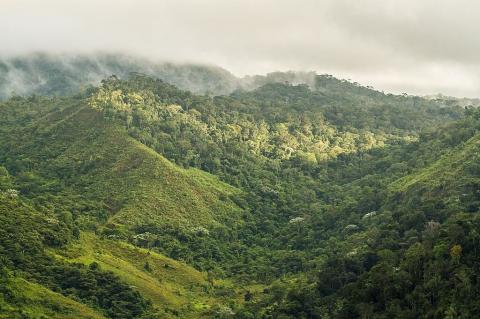
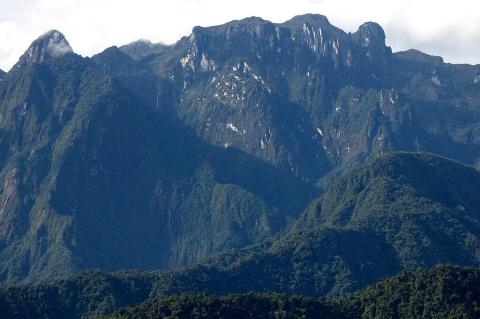
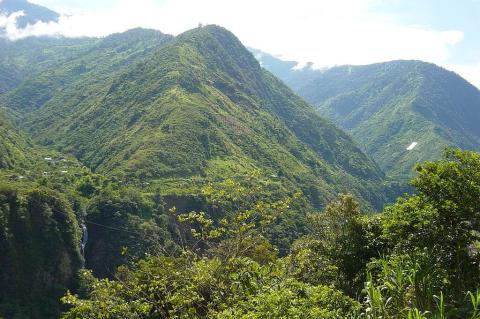
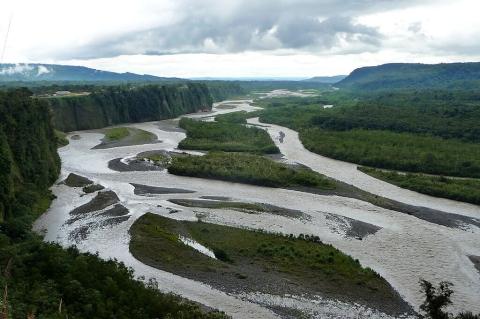
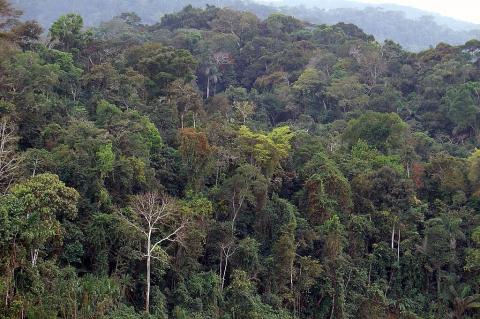
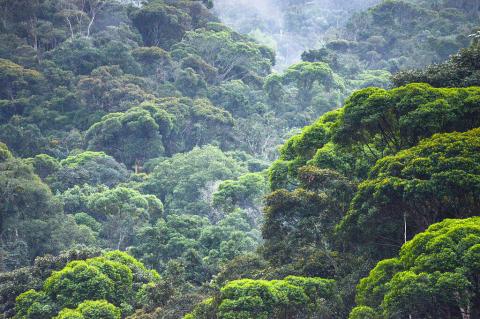
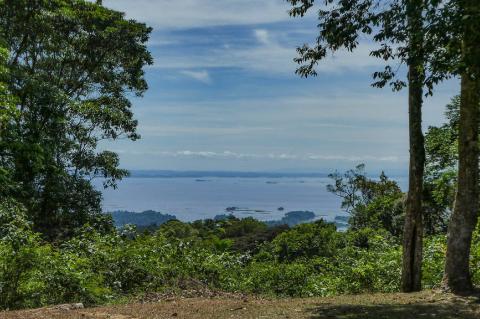
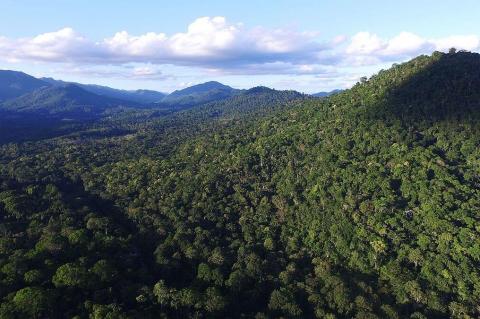
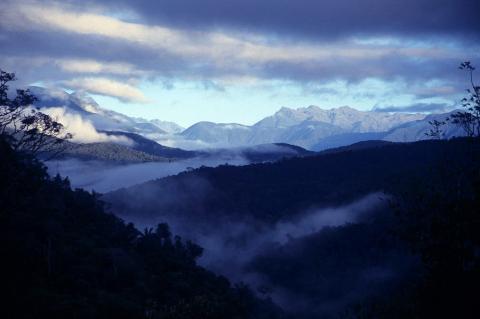
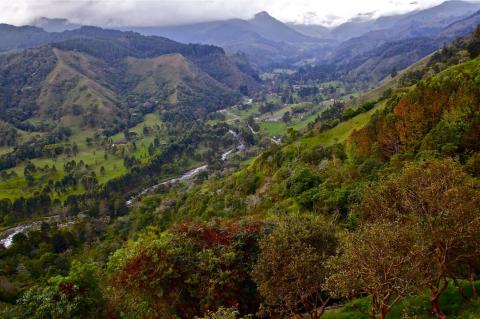
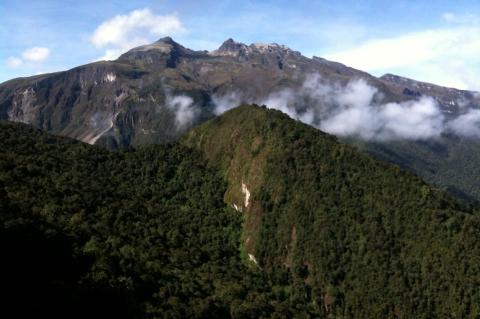
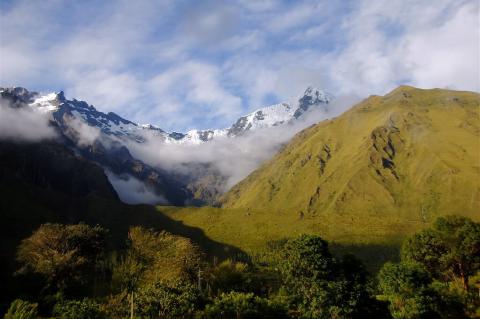
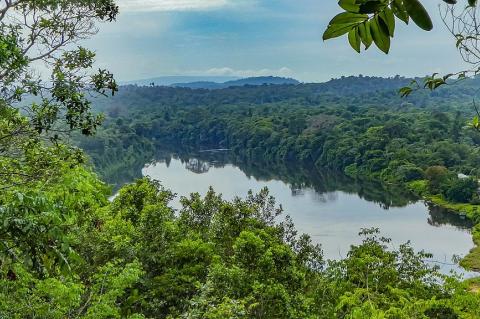
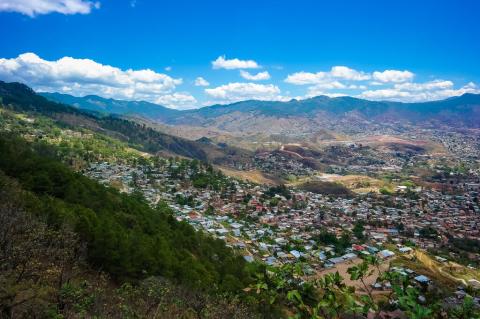
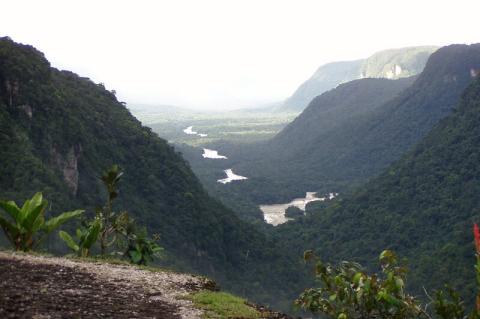
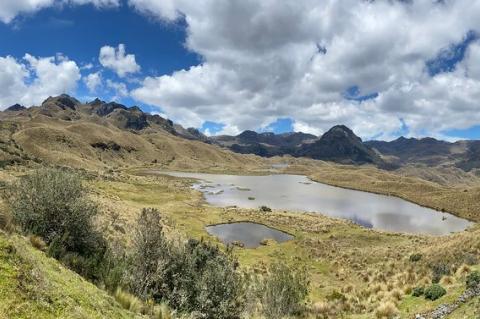
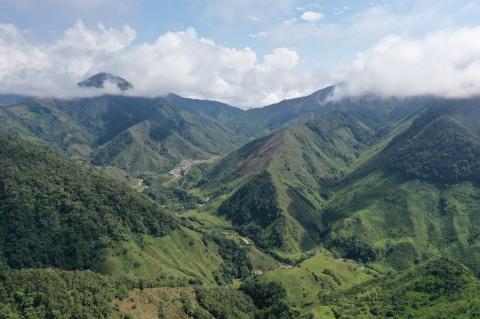
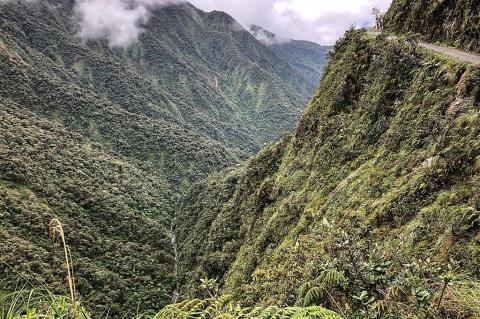
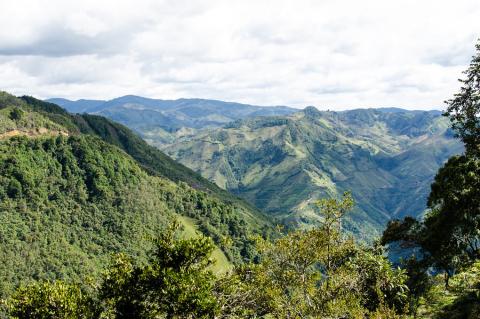
The Northwestern Andean Montane Forests ecoregion is a breathtaking display of South America's natural aesthetics. It surrounds the western slopes of the Andes Mountains in Colombia and Ecuador. The area consists of numerous habitats that sustain an exceptional range of plants and animals. The region's ecological system is diverse and complex, ranging from misty cloud forests to sun-drenched valleys below.

Nueva Esparta: The Island State of Venezuela

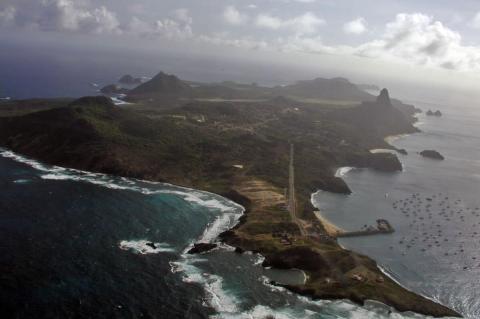
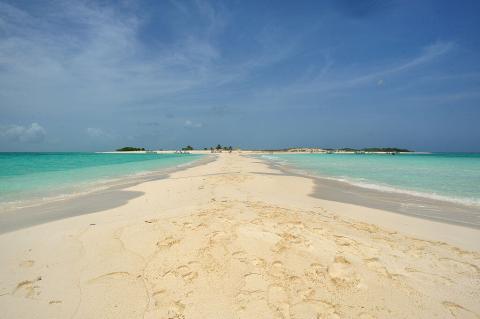
Nueva Esparta, the smallest of Venezuela's states, is unique as the only insular state in the country. Located in the Caribbean Sea, off the northeastern coast of Venezuela, Nueva Esparta comprises Margarita Island, Coche Island, and Cubagua Island. Known as the "Isle of Pearls" due to its historical association with pearl fishing, the state plays a significant role in Venezuela's history, culture, and economy. Beyond its bustling towns and historical sites, it is renowned for stunning beaches, a vibrant tourism industry, and rich biodiversity.

Ojos del Salado: The Dormant Giant of the Andes

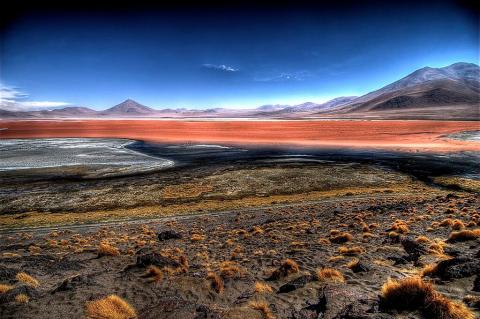
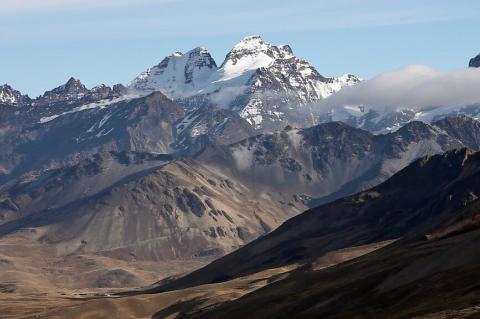
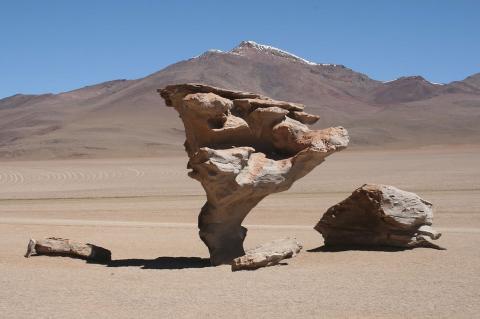
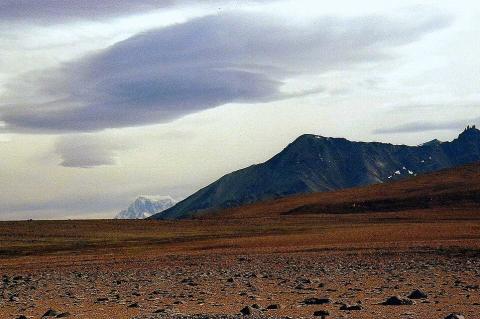
Nestled amidst the vast expanse of the Andes Mountains, Ojos del Salado emerges as a tranquil guardian—a dormant volcanic complex whose majestic demeanor encapsulates the essence of geological wonders. Situated along the border between Chile and Argentina, it claims the title of the highest volcano on Earth, making it a captivating subject for thorough exploration.
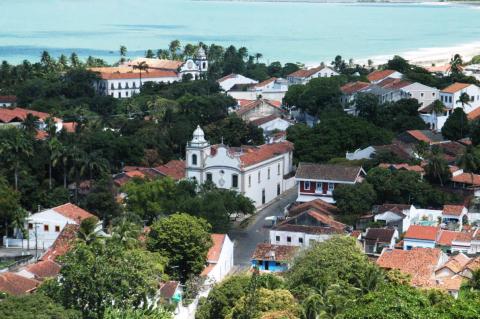
Olinda: A Timeless Treasure of Colonial Brazil

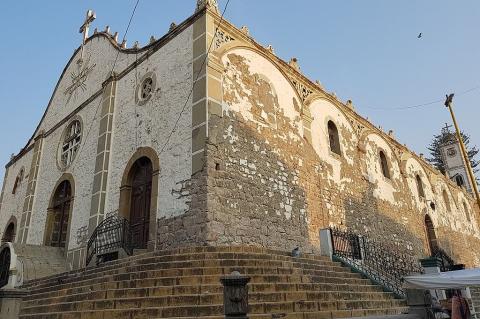
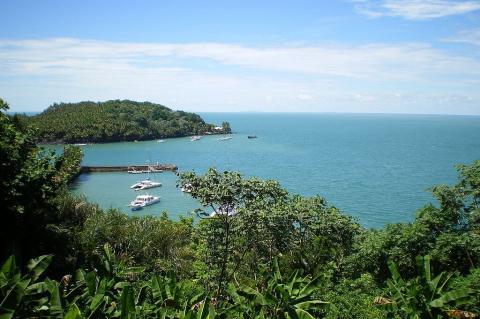
Olinda, a historic town in northeastern Pernambuco, Brazil, captivates visitors with its rich cultural heritage and stunning colonial architecture. Perched on a hill overlooking the Atlantic coast, just a few kilometers north of Recife, Olinda is a treasure trove of history and culture, recognized as a UNESCO World Heritage site. Exploring Olinda reveals its historical significance, architectural marvels, and contemporary cultural landscape

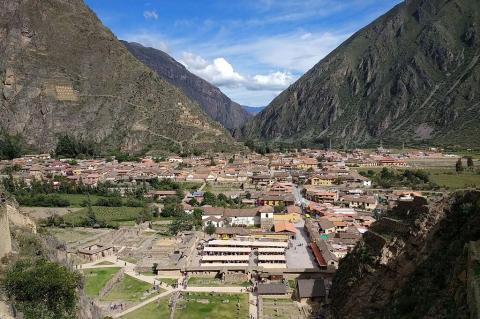
Ollantaytambo: A Jewel of Inca Civilization in Peru

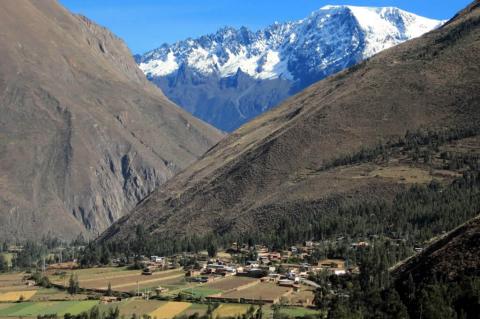
Nestled within the majestic landscapes of the Peruvian Andes, Ollantaytambo stands as a testament to the ingenuity, resilience, and cultural richness of the Inca civilization. This town, perched at the northern terminus of the Sacred Valley of the Incas, holds within its ancient stones a wealth of history, architecture, and tradition that continues to captivate visitors from around the globe.

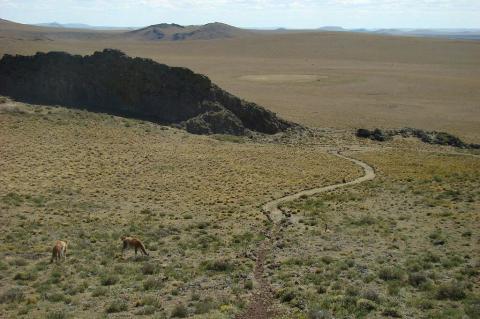
Pali-Aike National Park: A Volcanic Wonderland in Chilean Patagonia

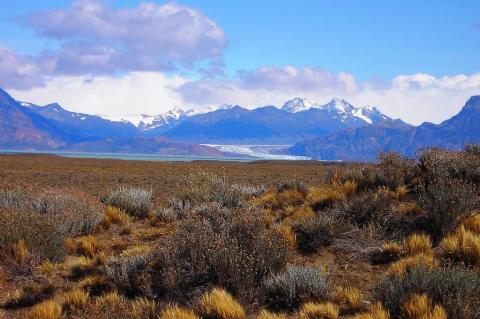
Located in the southern part of Chile, Pali-Aike National Park showcases the country's diverse geology and ancient history. This large park in the Magallanes Region is famous for its distinctive volcanic landscapes, ancient caves, and archaeological findings. From open plains to stunning crater lakes, the park's geological features, cultural importance, and conservation initiatives highlight Pali-Aike National Park as a remarkable part of Chile.
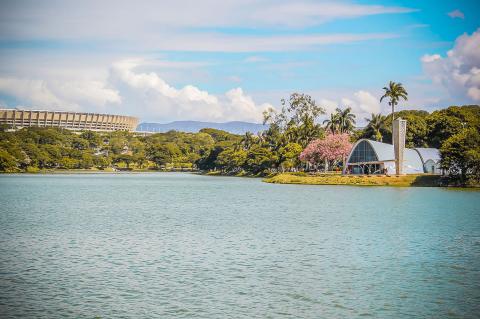
Pampulha Modern Ensemble: Masterpiece of Brazilian Modernism

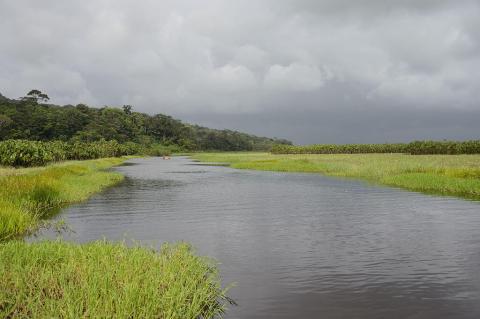
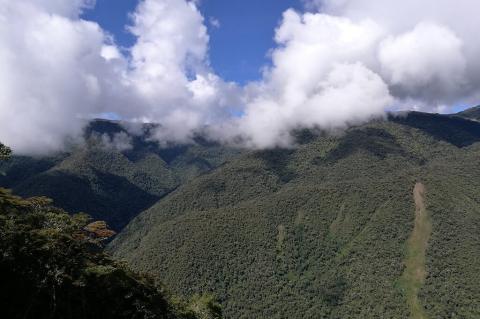
Encircling an artificial lake in Belo Horizonte, the Pampulha Modern Ensemble stands as one of the 20th century's most influential architectural achievements. Created in 1940, this cultural and leisure complex represents a pivotal moment when modernist architecture broke free from rigid European orthodoxy to embrace the curves, colors, and climate of Brazil. Through the work of architect Oscar Niemeyer, landscape designer Roberto Burle Marx, and a collaborative team of innovative artists, Pampulha pioneered an organic modernism that would echo throughout Latin America and beyond.
Pan de Azúcar National Park: Chile's Coastal Desert Wilderness

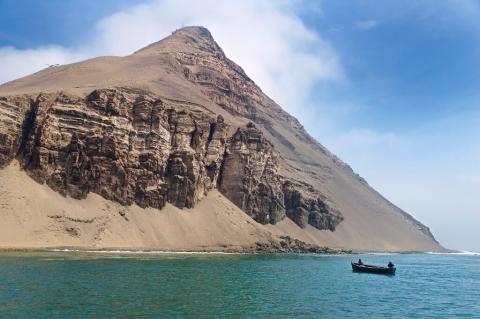
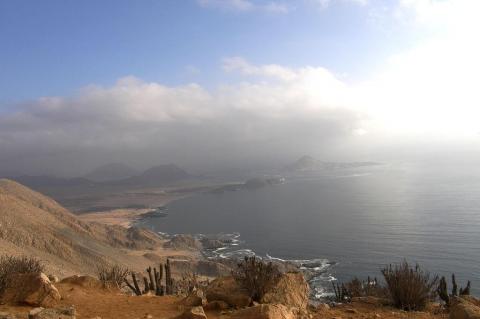
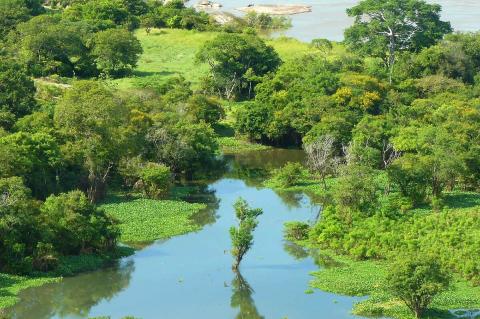
Pan de Azúcar National Park, located along Chile's northern coast, is a breathtaking expanse of coastal desert that offers a unique combination of marine, terrestrial, and desert ecosystems. As one of the most ecologically diverse areas along Chile's northern coast, the park serves as a critical refuge for a variety of species, including the Humboldt penguin, guanaco, and marine mammals. Its stunning geological features and role in preserving delicate ecosystems make it a key destination for nature enthusiasts and conservationists.

Pantanal Conservation Area: A Sanctuary for Brazil’s Wildlife and Wetlands

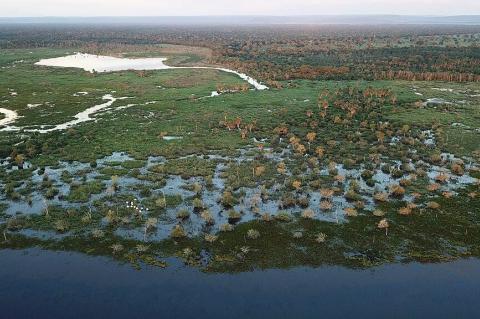
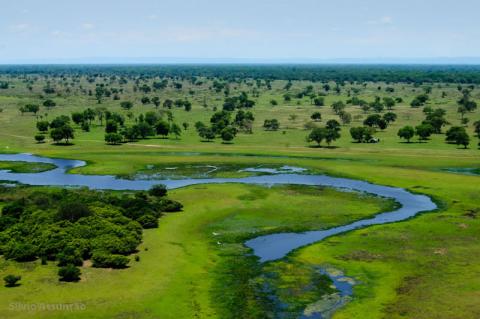
In the heart of centralwestern Brazil lies one of the most biodiverse and awe-inspiring ecosystems on Earth: the Pantanal Conservation Area. It forms part of the vast Pantanal, the world's largest tropical wetland, shared across Brazil, Bolivia, and Paraguay. Designated as a UNESCO site, the Pantanal Conservation Area comprises a protected region network, including the Pantanal Matogrossense National Park and the Special Reserves of Acurizal, Penha, and Doroché. This unique area hosts an astonishing range of wildlife and is critical in ecological processes that sustain life in the wetlands.

Paracas National Reserve: A Coastal Desert Haven in Peru

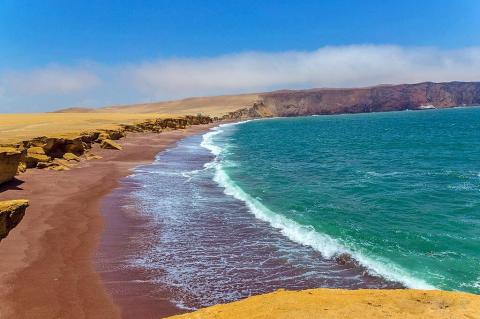
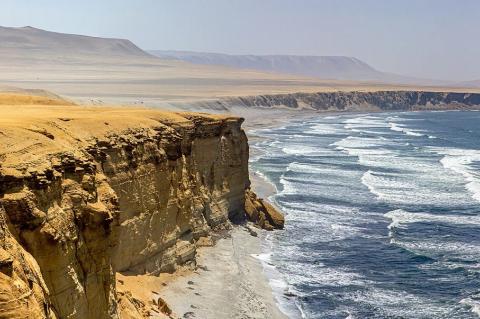
Paracas National Reserve is a unique protected area located in the Ica region of Peru, spanning coastal desert and marine ecosystems, making it a critical conservation area in South America. The reserve encompasses the Paracas Peninsula, Independence Bay, and surrounding desert regions, offering a rich mosaic of landscapes supporting diverse wildlife. In addition to its natural beauty, Paracas is steeped in archaeological history, with remnants of the ancient Paracas culture visible in the region. The combination of ecological significance and cultural heritage makes the Paracas National Reserve an exceptional destination.