South America

Puerto Williams: Journey to the End of the World

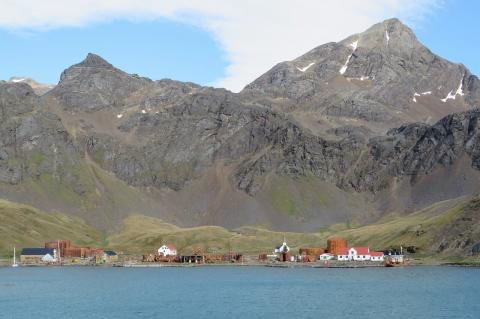
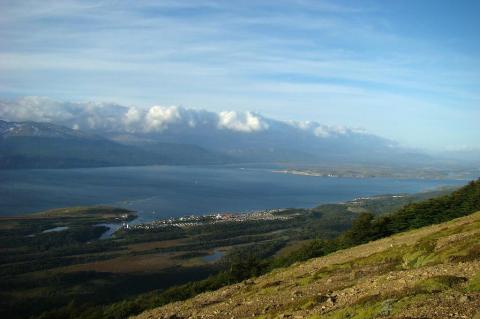
Nestled on the northern shores of the Beagle Channel, Puerto Williams stands as a beacon of exploration at the southernmost tip of the world. Situated on Navarino Island, Tierra del Fuego, in Chile's Magallanes and Chilean Antarctica region, it holds the prestigious title of the world's southernmost city. It serves as the capital of the Commune of Cabo de Hornos. With approximately 2,500 residents, Puerto Williams embodies a unique blend of history, adventure, and natural beauty.

Pumalín Douglas Tompkins National Park: A Legacy of Conservation

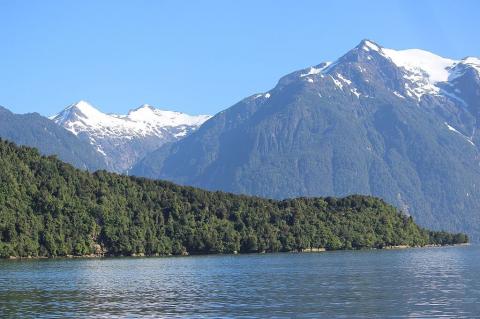
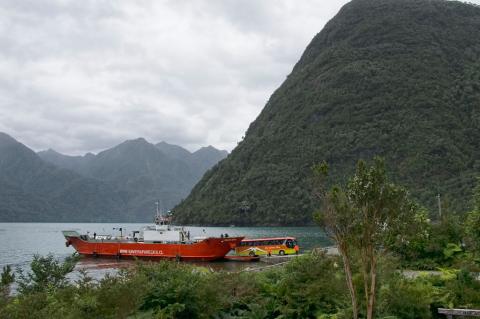
Pumalín Douglas Tompkins National Park in Chile's Los Lagos Region is a testament to the country's rich natural heritage and conservation efforts. Spanning northern Patagonia, it features breathtaking landscapes, including volcanoes, forests, waterfalls, and coastlines. Named after American conservationist Douglas Tompkins, the park is a sanctuary for diverse flora and fauna, including ancient Alerce trees.

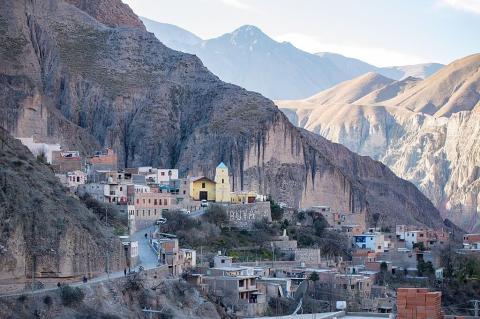
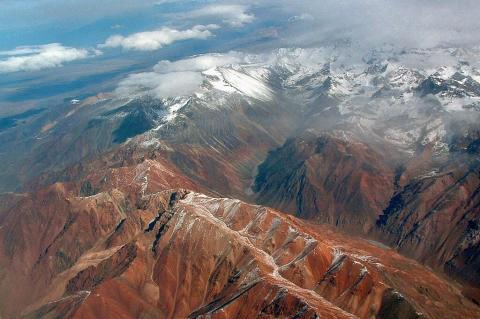
Puna de Atacama: An Arid Collage of High Plateaus, Peaks, and Indigenous Heritage

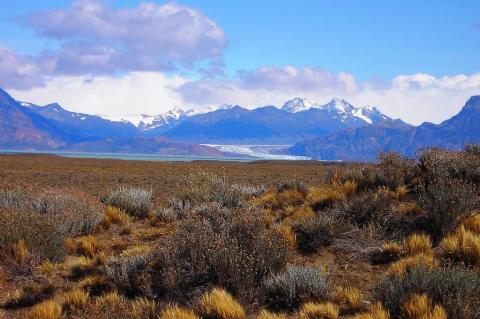
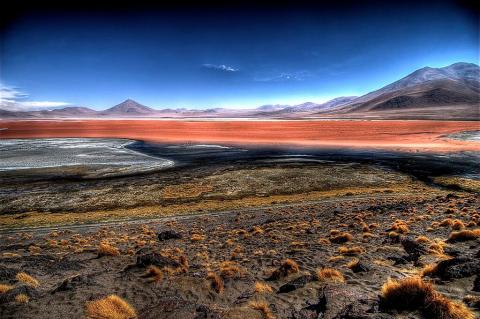
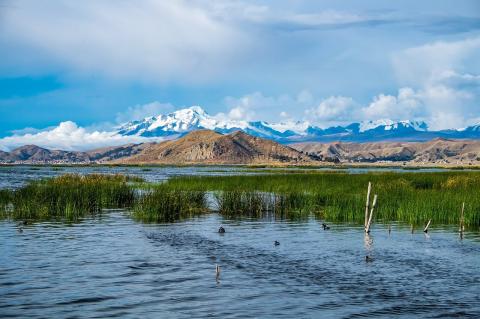
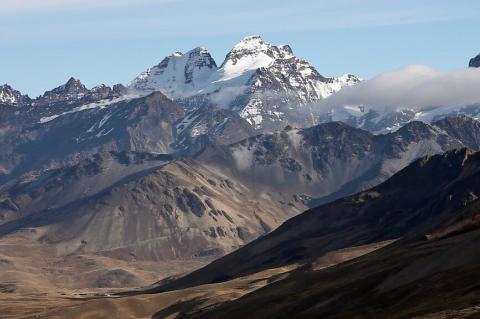
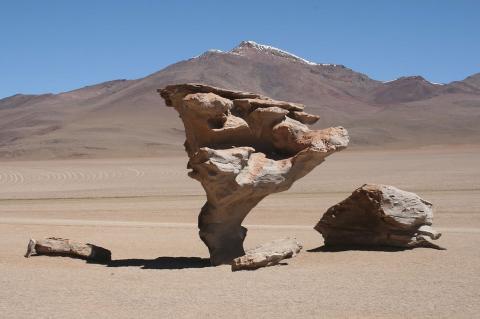
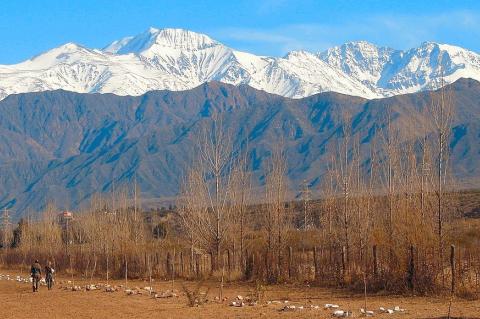
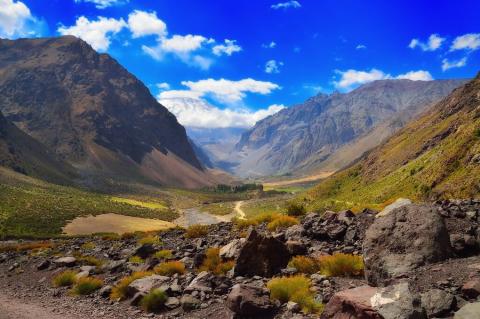
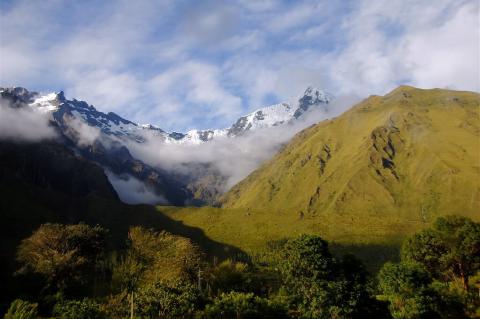
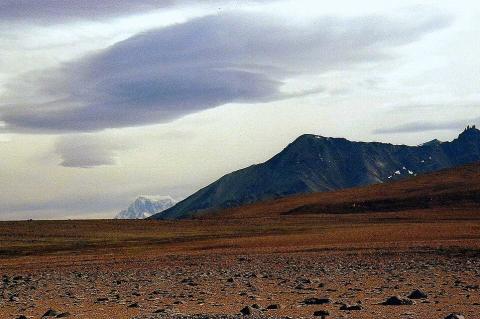
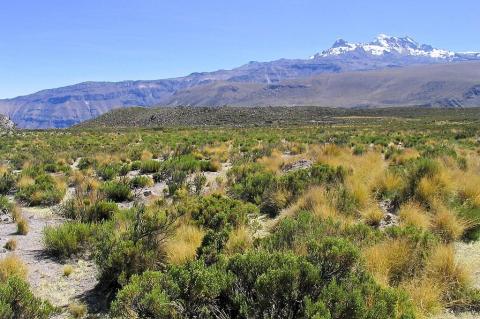
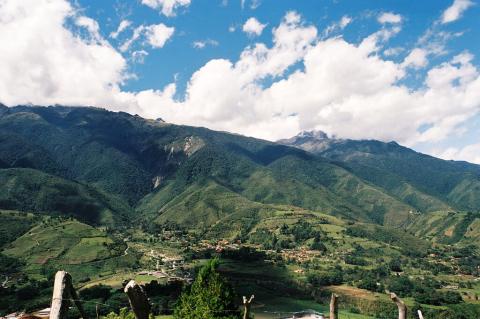
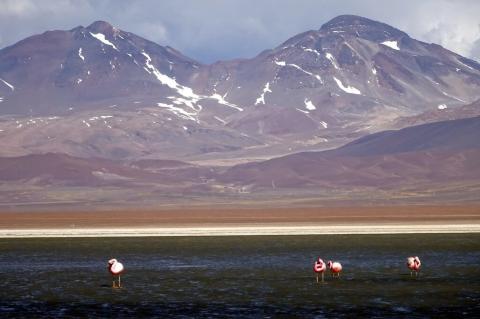
Nestled in the Andes Mountains of South America, the Puna de Atacama is a testament to nature's mesmerizing contrasts, from its cold, desolate high plateaus to the deep river valleys that carve through its eastern expanse. This vast and arid landscape, situated in the southernmost part of the Andean Altiplano, has geographical and cultural significance, stretching across northwestern Argentina and adjacent regions of Chile.

Punta del Este: The Jewel of Uruguay's Coast

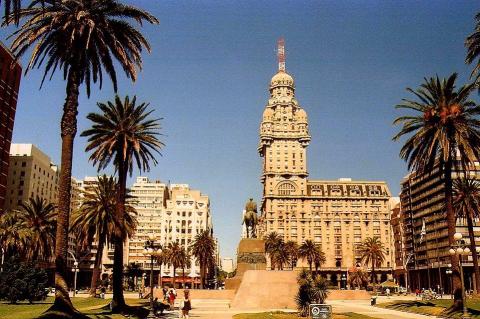
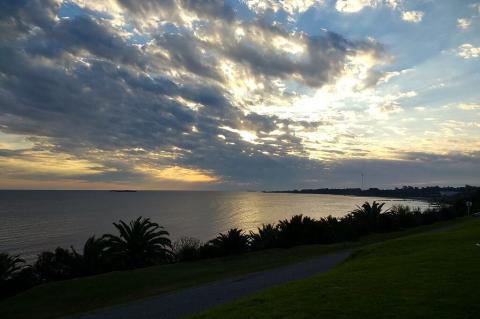
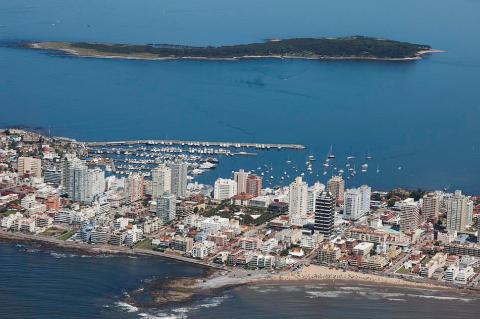
Punta del Este, a stunning coastal city in southeastern Uruguay, has earned a reputation as one of South America's most glamorous and sought-after beach destinations. Known for its pristine beaches, luxurious lifestyle, and vibrant cultural scene, the city attracts visitors from around the world. Blending modern sophistication and natural beauty, Punta del Este offers an experience that caters to both relaxation and excitement.

Purus River: Lifeblood of the Southwestern Amazon

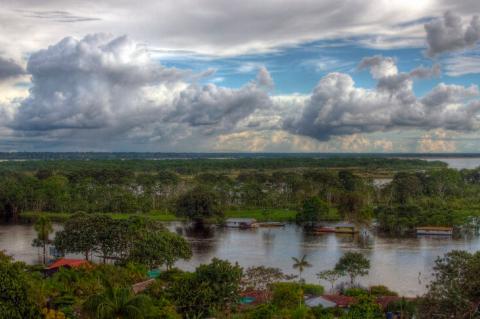
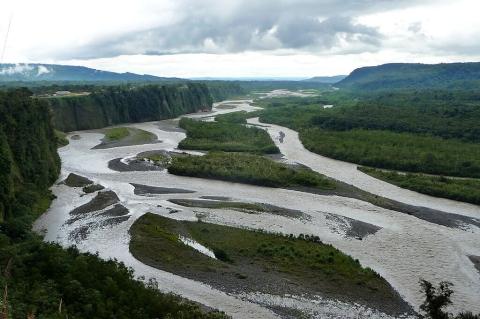
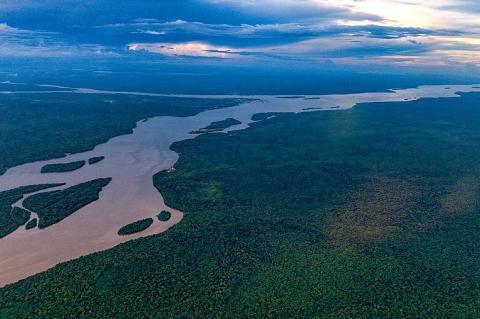
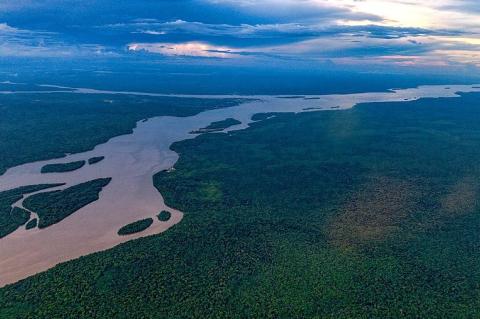
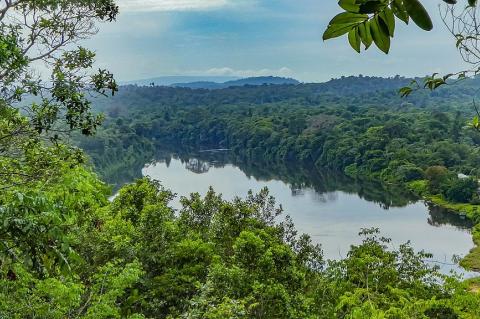
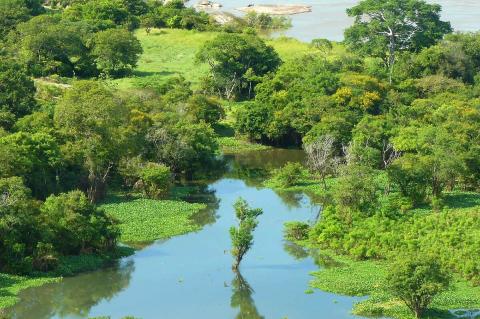
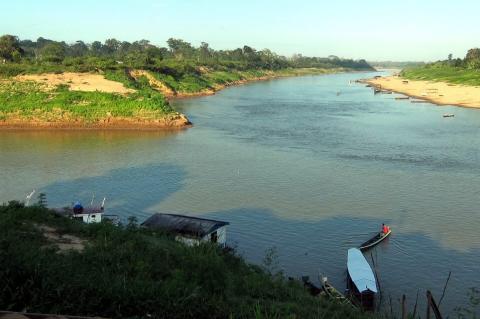
The Purus River is one of the Amazon Basin's significant tributaries, winding its way through the heart of the Amazon Rainforest. Originating in the Ucayali Basin in Peru, the river traverses a vast expanse of wilderness before merging with the Amazon River in Brazil. The Purus River's extensive basin is a vital hydrological and ecological feature of the Amazon, supporting diverse flora, fauna, and human communities.

Puyehue National Park: Chile's Natural Masterpiece

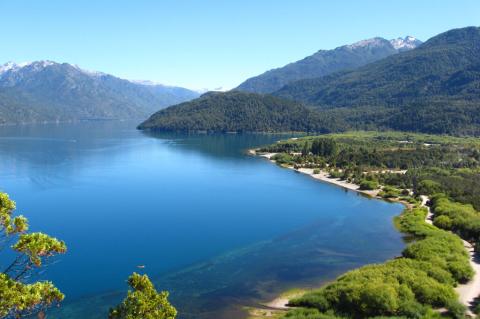
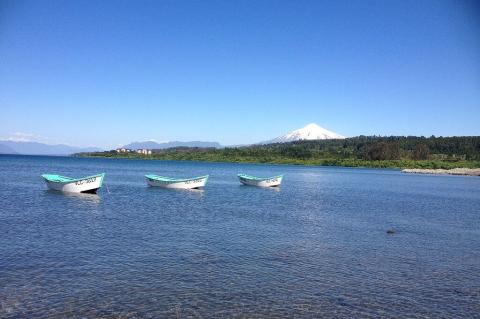
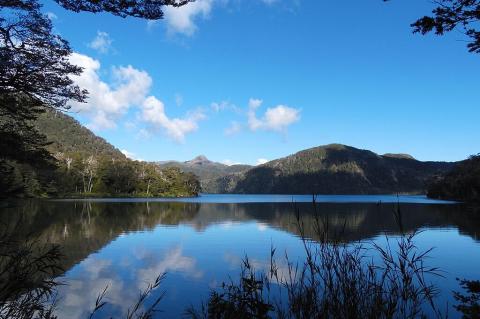
Nestled in the heart of southern Chile's Los Ríos and Los Lagos regions, Puyehue National Park is a testament to the country's natural wonders. This vast protected area boasts diverse landscapes, from steaming thermal springs and towering volcanoes to lush evergreen forests stretching endlessly. This comprehensive exploration delves into the essence of Puyehue National Park, unveiling its geological marvels and rich biodiversity
Quebrada de los Cuervos National Park: Uruguay’s Hidden Natural Sanctuary

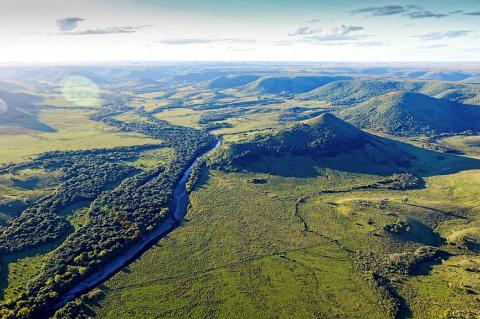
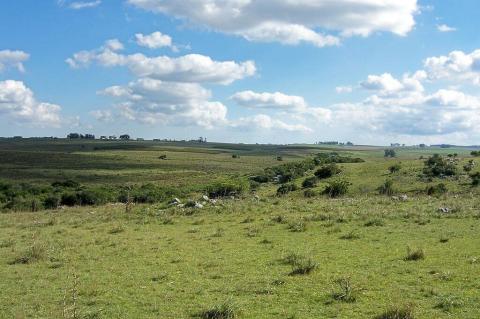
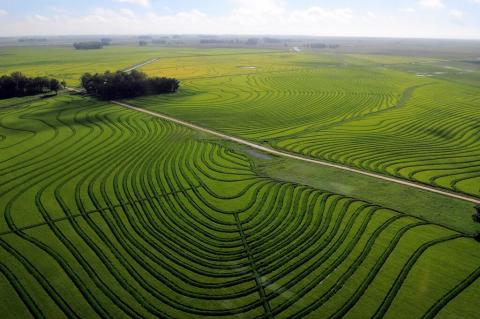
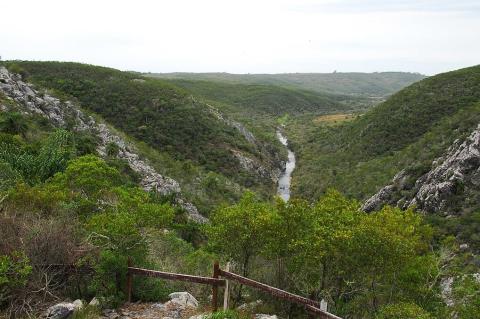
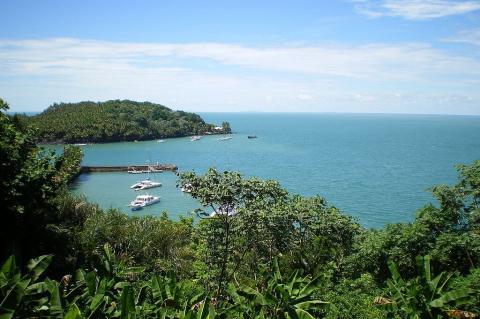
Nestled in the picturesque countryside of eastern Uruguay, Quebrada de los Cuervos National Park is a hidden natural sanctuary that offers an unparalleled experience of biodiversity and scenic beauty. Located northeast of the capital city, Montevideo, this national park has become a vital hub for ecological preservation and a destination for nature lovers. The park provides a diverse range of ecosystems and breathtaking landscapes that capture the essence of Uruguay's natural heritage.
Quilotoa: Ecuador's Volcanic Masterpiece

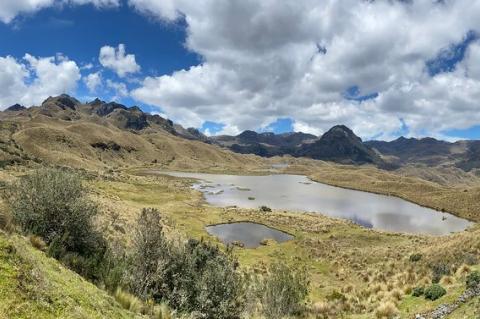
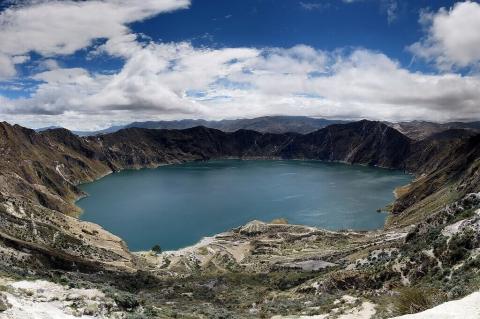
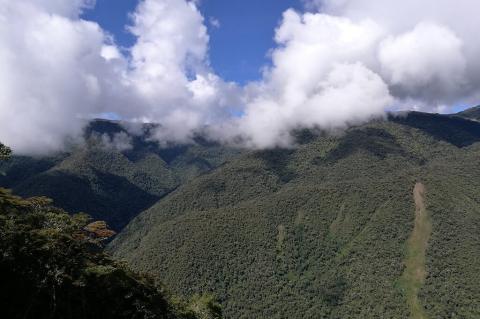
High in the Ecuadorian Andes lies one of the country's most awe-inspiring natural wonders: the Quilotoa Crater Lake. Known for its stunning emerald waters and the dramatic volcanic landscape, Quilotoa is a must-see for travelers exploring Ecuador's diverse geography. Formed by a volcanic eruption over 600 years ago, the crater has evolved into a beautiful caldera lake that captivates visitors with its vivid color, stark beauty, and high-altitude location.

Quito: Ecuador's Historic and Cultural Capital in the Andes

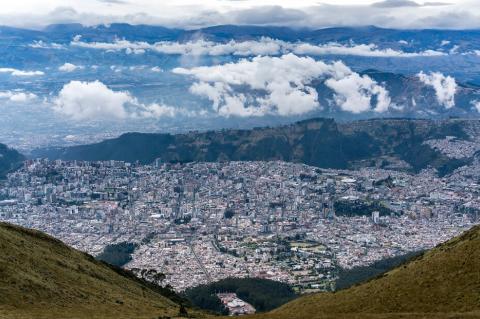
Nestled high in the Andean mountains, Quito is Ecuador's capital and second-largest city, following Guayaquil. Known for its breathtaking landscapes, rich history, and vibrant cultural heritage, Quito is a dynamic urban center that bridges past and present. The city's blend of modern governmental functions with well-preserved colonial-era architecture makes it a unique focal point for Ecuadorians and international visitors.
Quito's Historic Center: A Cultural Crossroads in the Andes

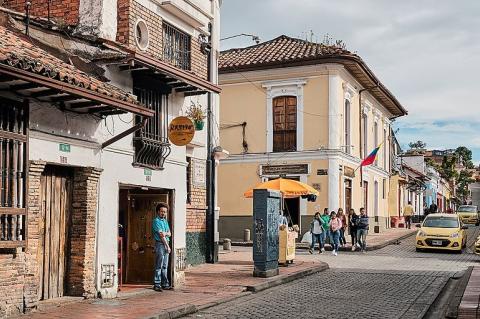
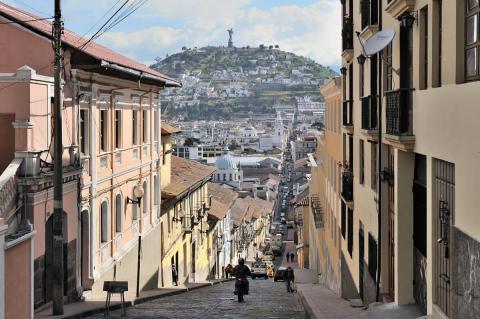
The Historic Center of Quito, Ecuador, represents a profound blend of history, culture, and architectural marvels. Designated as a UNESCO World Heritage Site, this remarkable area showcases the convergence of indigenous traditions, Spanish colonial influence, and modern developments. It remains a vibrant testimony to centuries of cultural and historical evolution, offering visitors a glimpse into Quito's rich and dynamic past.