South America

The Bermejo River: South America's Diverse Lifeline

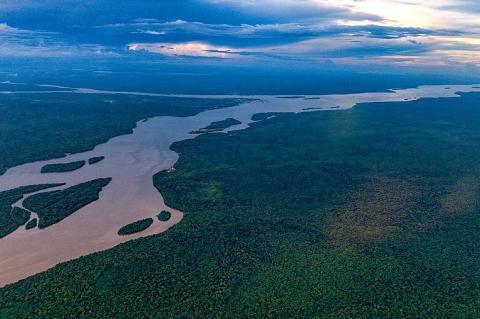
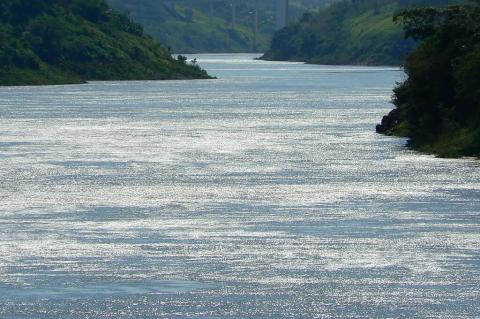
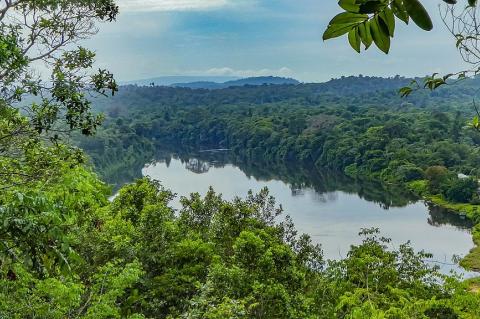
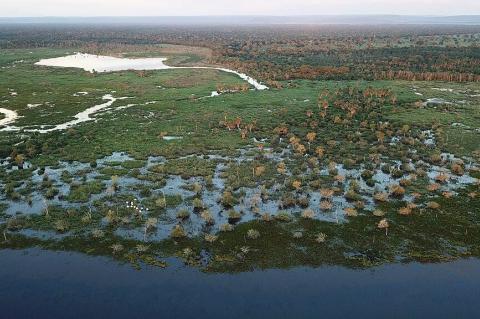
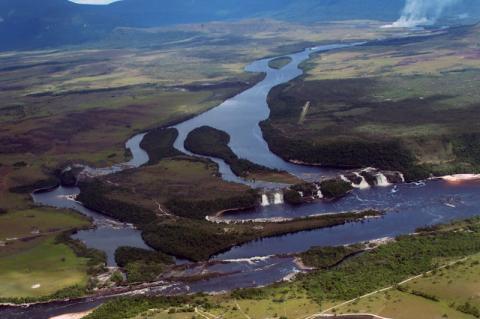
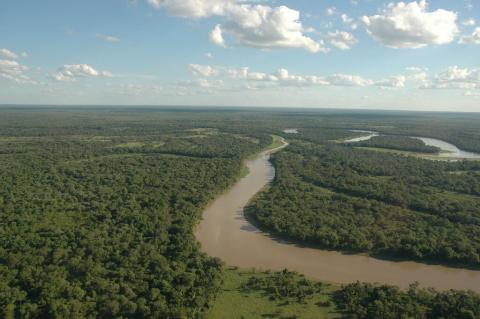
The Bermejo River, a crucial waterway in South America, traverses diverse landscapes across Bolivia and Argentina. In its upper course, the river is known as the Bermejo, but in its lower reaches, it transitions into the Desaguadero and later the Salado. Flowing from the Andes Mountains to its confluence with the Paraguay River, the Bermejo sustains ecosystems, supports human settlements, and plays an essential role in regional economies.
The Bioma Pampa-Quebradas del Norte Biosphere Reserve: A Sanctuary of Biodiversity and Cultural Heritage

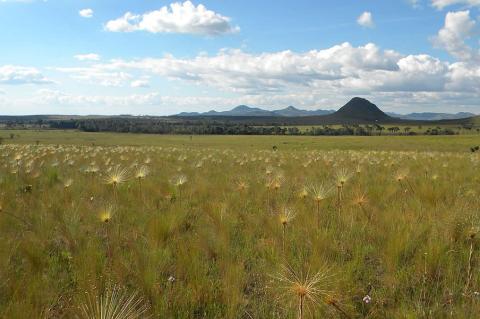
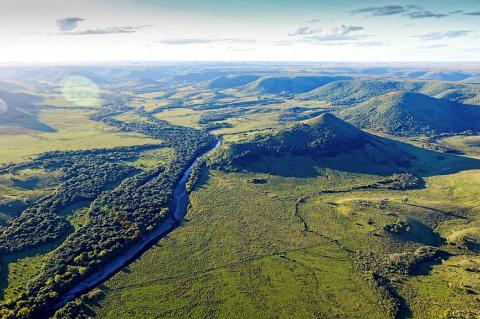
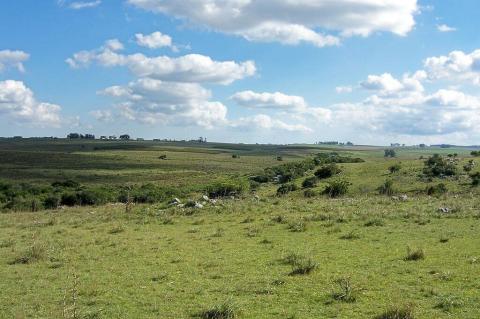
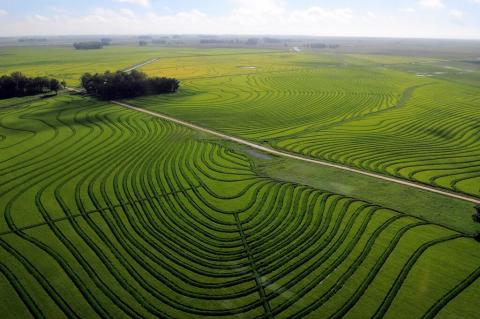
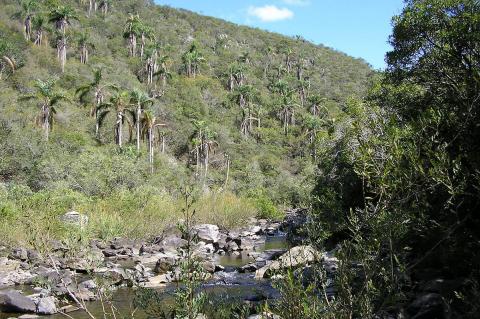
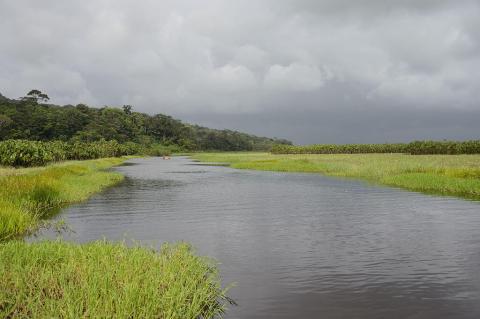
Nestled in the northern region of Uruguay, the Bioma Pampa-Quebradas del Norte Biosphere Reserve is a unique sanctuary characterized by its rolling topography and subtropical grasslands. It serves as a vital refuge for an array of flora and fauna while preserving the cultural heritage of its inhabitants. The reserve's significance is amplified by its role in sustaining one of the planet's largest freshwater reserves, the Guaraní Aquifer.
The Bolivian Andes: Exploring Nature and Civilization Across the Cordilleras

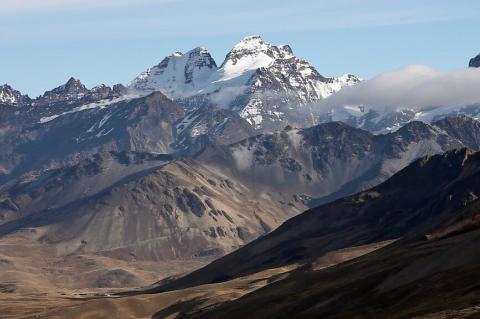
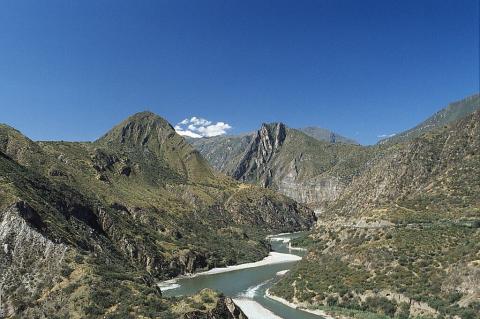
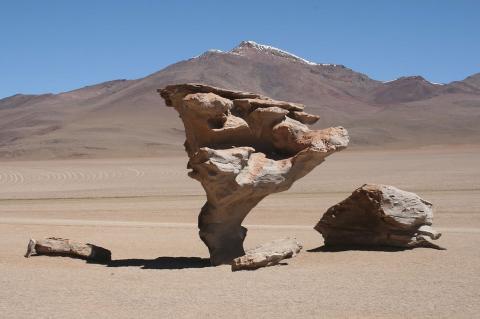
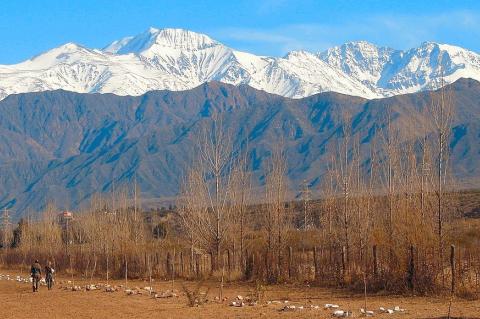
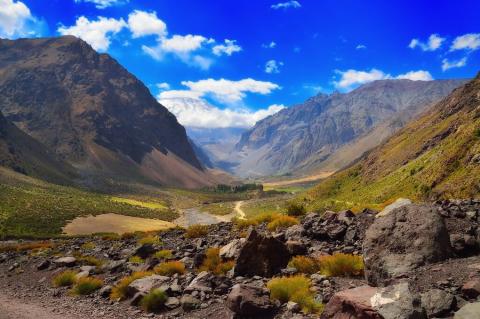
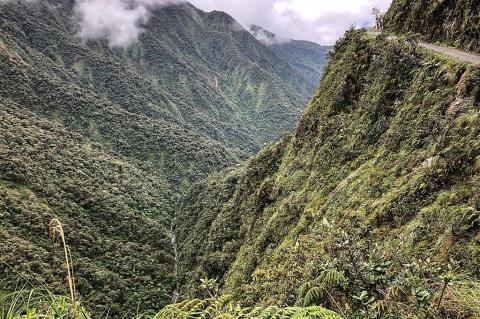
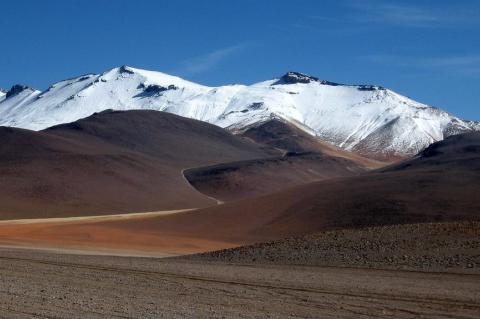
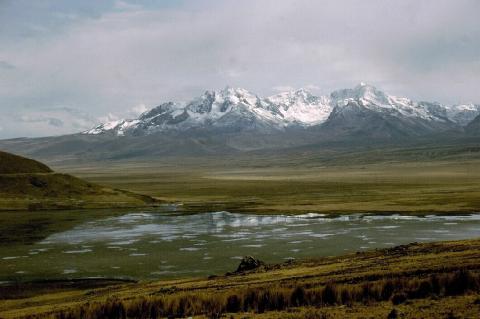
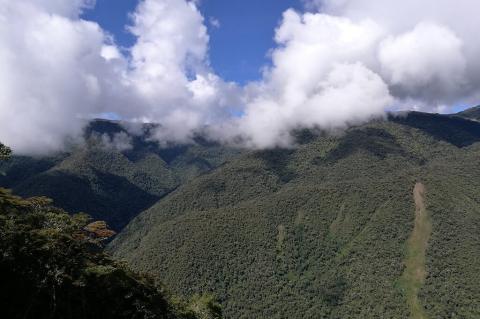
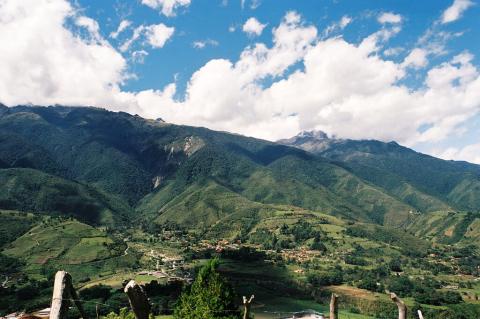
Stretching across the western portion of Bolivia, the Bolivian Andes are among the most captivating and formidable mountains in the world. Forming a vital segment of the Andes, the most extended continental mountain range on Earth, the Bolivian Andes are divided into numerous cordilleras, or ranges, each with its own unique geographical, ecological, and cultural significance. These ranges are home to towering volcanic peaks, extensive glaciers, vast highland plateaus, and deep valleys that support diverse ecosystems and ancient cultures.

The Borborema Plateau: Where Arid Landscapes and Diverse Ecosystems Converge

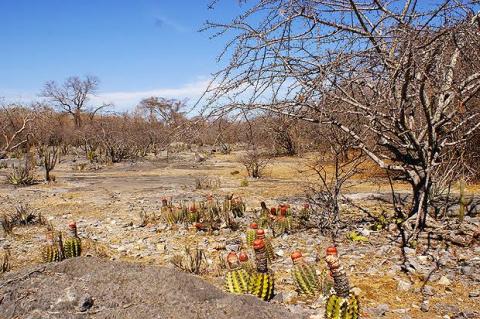
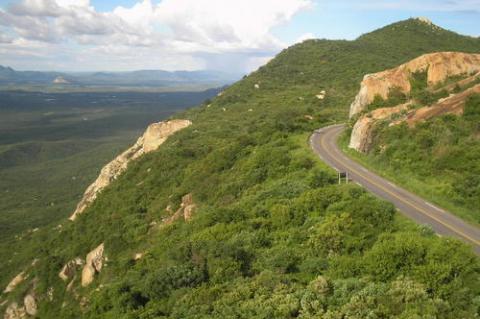
The Borborema Plateau, also known as the Serra da Borborema or Borborema Mountains, rises majestically in Brazil's northeastern region. This expansive and rugged plateau spans across the states of Alagoas, Pernambuco, Paraíba, and Rio Grande do Norte, forming the northeasternmost part of the Brazilian Highlands. It acts as a natural barrier against the moisture-laden winds coming from the Atlantic Ocean.

The Bosques de Paz: A Transboundary Oasis of Biodiversity

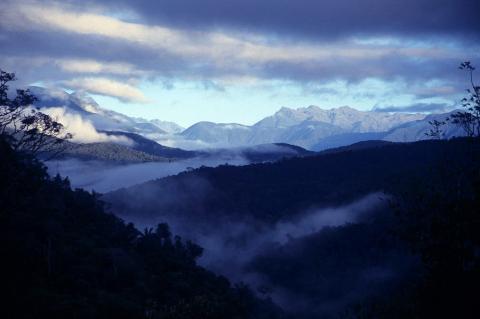
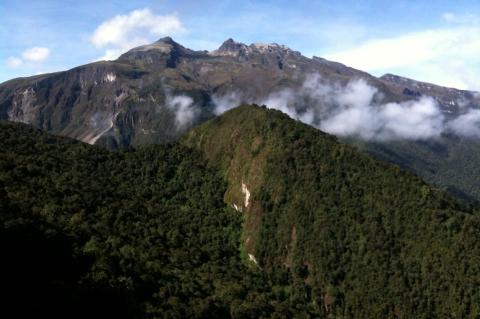
The Bosques de Paz Transboundary Biosphere Reserve straddles the border of Ecuador and Peru. It is a natural treasure and showcases the collaborative efforts of these two nations to protect a globally significant ecosystem. The reserve spans four regions in the two countries. It was designated a UNESCO Biosphere Reserve in 2018, following the countries' commitment to strengthening their ties and cooperation after a long-standing border dispute that ended in 1998.

The Brazil Current: Western South Atlantic's Warm Water Highway

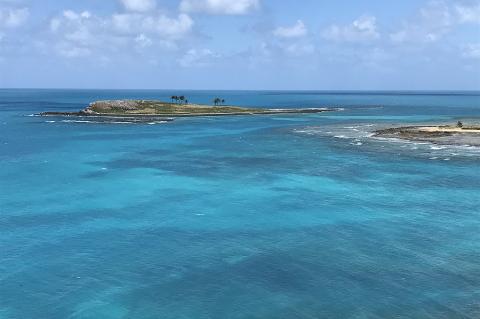
The Brazil Current is the western boundary current of the South Atlantic Ocean and a key part of the global thermohaline circulation system. This warm current flows south along Brazil's extensive coast, transporting tropical waters from equatorial areas toward the temperate regions of the South Atlantic. The Brazil Current is crucial for regulating regional climate, supporting marine ecosystems, and moving heat across the ocean. Its influence affects Brazil's coastal climate and the broader Atlantic Ocean circulation, making it an important element of both regional and global ocean systems.

The Brazilian Highlands: Geological Foundation of a Continental Giant

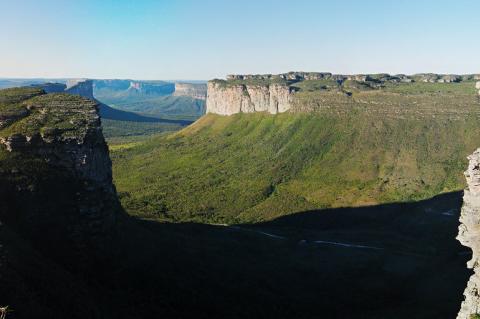
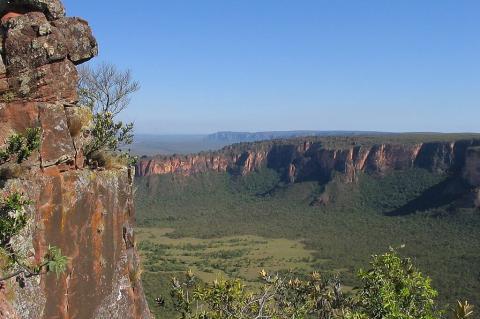
The Brazilian Highlands (Planalto Brasileiro) constitute South America's most extensive plateau system, covering approximately 4.5 million square kilometers (1.74 million square miles) and serving as Brazil's geological backbone. This ancient landform influences continental weather patterns, harbors critical biodiversity hotspots, supports over 190 million inhabitants, and provides the geological foundation for Brazil's emergence as a global agricultural and mining powerhouse.

The Callejón de Huaylas: Peru's Valley of Eternal Snow

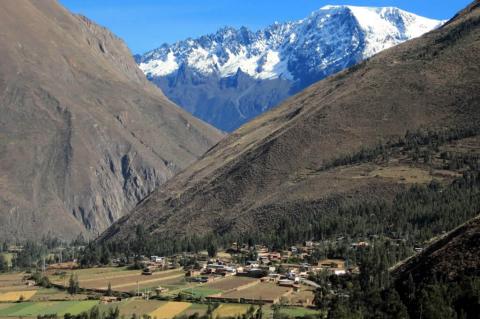
The Callejón de Huaylas is a spectacular inter-Andean valley in Peru's Ancash region, stretching from Laguna Conococha to Cañón del Pato. Positioned between the snow-capped Cordillera Blanca to the east and the darker Cordillera Negra to the west, this fertile valley follows the Santa River and supports diverse ecosystems across multiple altitudinal zones. Home to traditional agricultural communities cultivating potatoes, maize, and barley, the valley serves as the gateway to Huascarán National Park and world-class mountaineering destinations.

The Casiquiare River: A Unique Natural Waterway Connecting Two Great Basins

The Casiquiare River, also known as the Casiquiare Canal, is an extraordinary natural waterway in southern Venezuela. As the only major river on Earth connecting two vast and distinct drainage basins, the Casiquiare is a rare and vital geographical feature. It links the upper Orinoco River, which drains into the Atlantic Ocean, with the Rio Negro, a key tributary of the Amazon River. This unusual bifurcation is a product of natural hydrological and geological processes, creating a unique passage between South America's two largest river systems.

The Cauca Valley Montane Forests: Colombia's Ecological Treasure

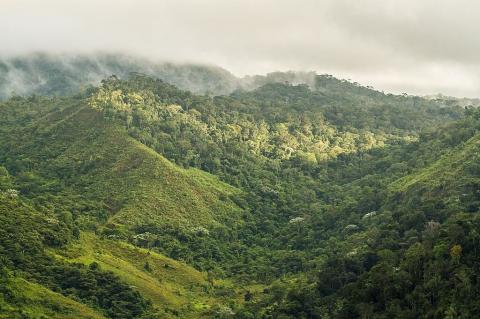
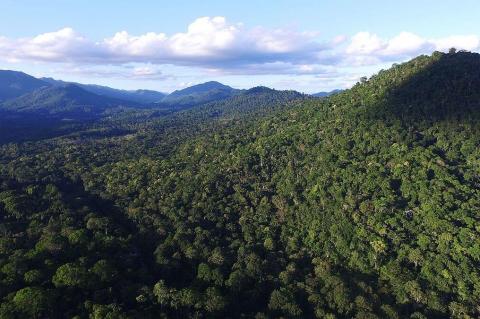
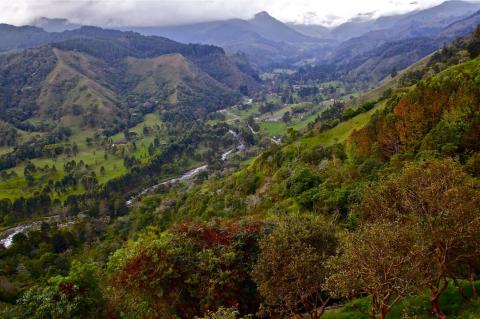
An ecological treasure trove lies in the Andes Mountains of southwestern Colombia: the Cauca Valley montane forests. This magnificent ecoregion, marked by its dramatic topography and diverse array of habitats, is a living testament to the incredible natural wealth of the Andean region. It supports a remarkable concentration of plant and animal life found nowhere else on Earth.