South America

Sierra de Córdoba: Argentina's Majestic Mountain Range

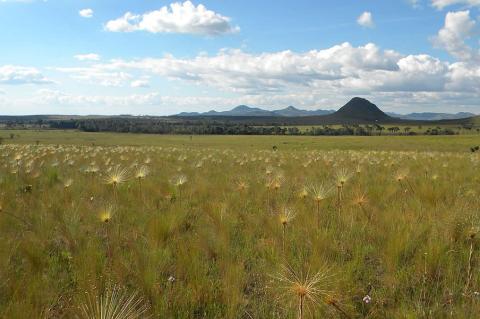
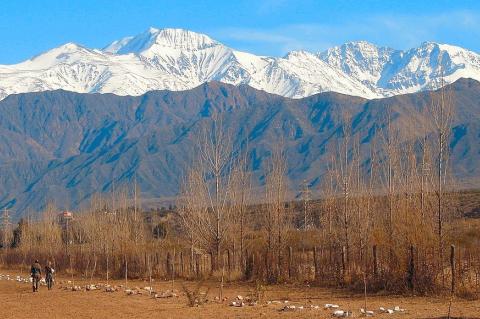
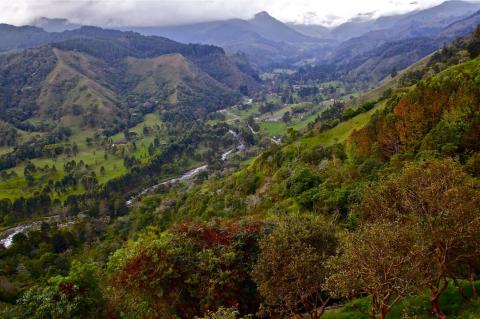
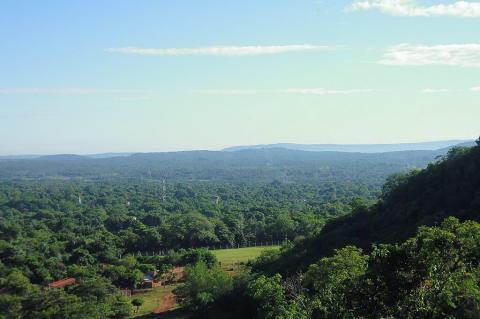
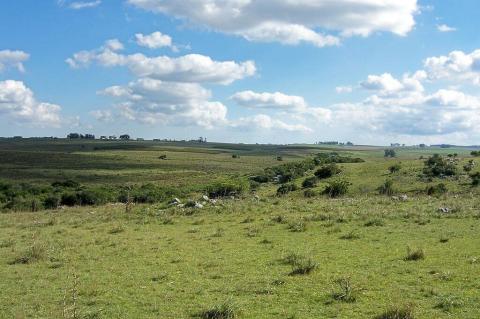
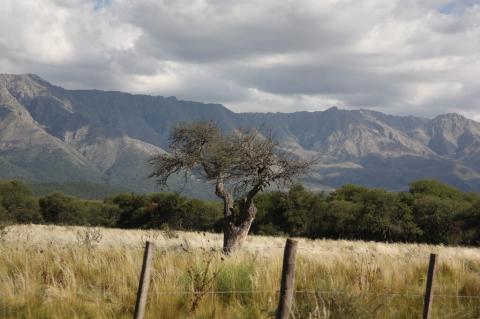
The Sierra de Córdoba is one of Argentina's most significant mountain ranges, stretching across the country's central region. Located primarily in Córdoba Province, it forms part of the larger Sierras Pampeanas system. Characterized by rolling hills, deep valleys, and rugged peaks, the range is a vital ecological and cultural region. Its rich biodiversity, historical significance, and economic contributions make it an essential natural landmark in Argentina.

Sierra de las Quijadas National Park: Preserving the Chaco-Monte Ecotone

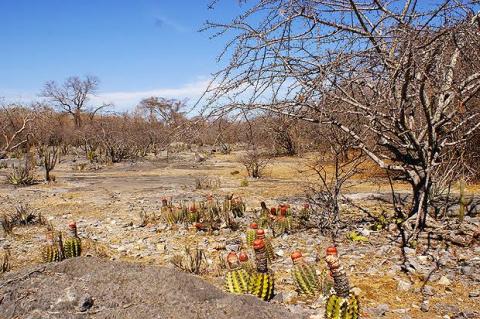
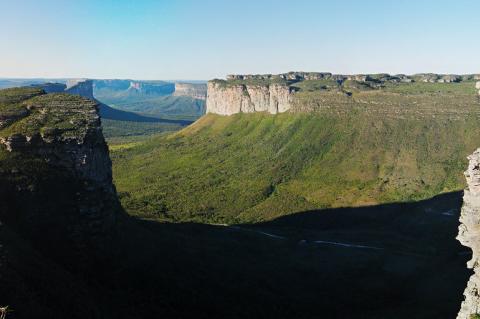
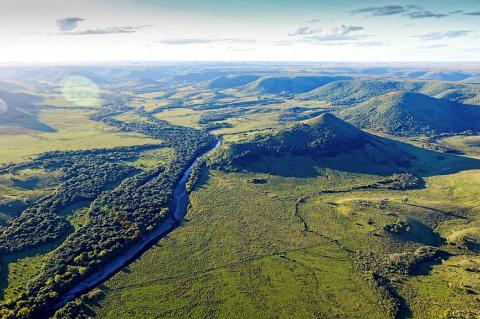
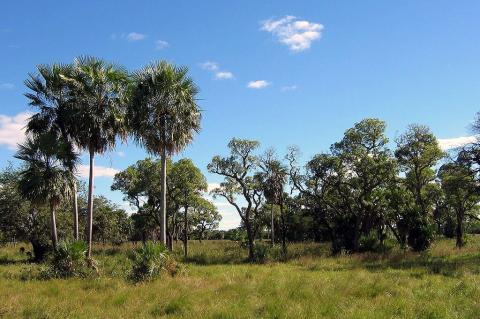
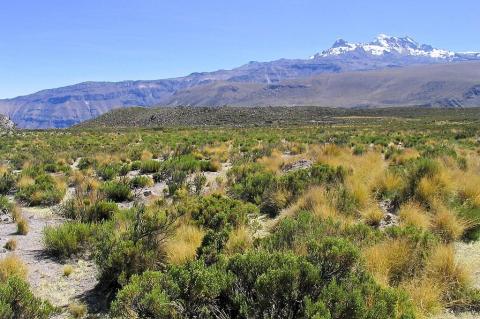
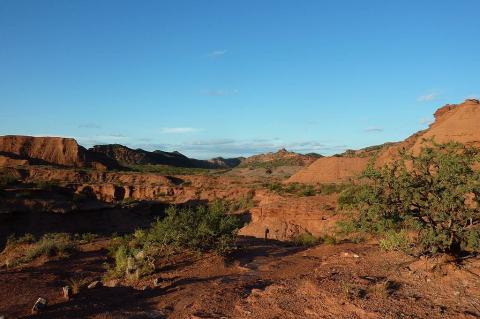
Nestled in the heart of Argentina's San Luis province, the Sierra de las Quijadas National Park is a unique and ecologically significant protected area. Established to safeguard the natural features of the Semiarid Chaco and Argentine Low Monte ecoregions, this park represents a critical transitional zone between these two distinct biomes, offering a remarkable diversity of plant and animal life.

Sierra Nevada de Santa Marta National Natural Park and Biosphere Reserve: A Natural and Cultural Treasure

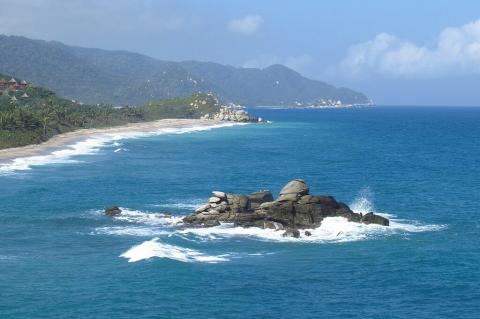
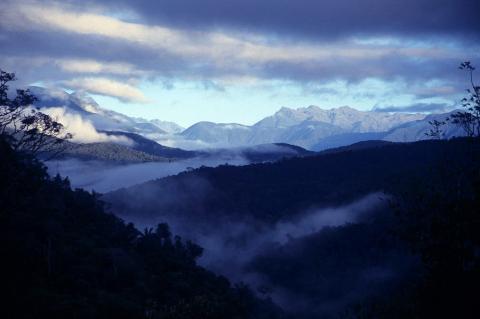
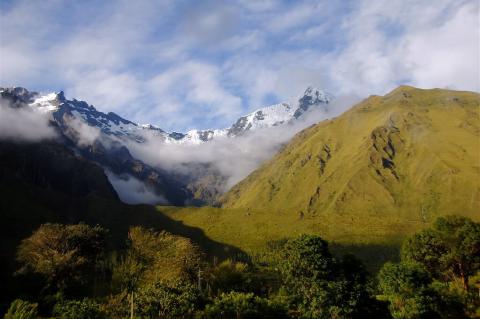
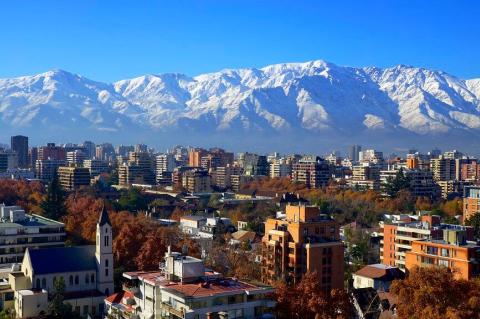
Nestled along the northern coast of Colombia, the Sierra Nevada de Santa Marta National Natural Park stands as a testament to the country's rich biodiversity and cultural heritage. Colombia's second oldest national park encompasses diverse ecosystems, from pristine beaches to snow-capped mountain peaks. Complementing this protected area is the Sierra Nevada de Santa Marta Biosphere Reserve, a vast expanse of natural wonder that overlooks the Caribbean coast.

Sierra Nevada National Park: Venezuela's Alpine Sanctuary

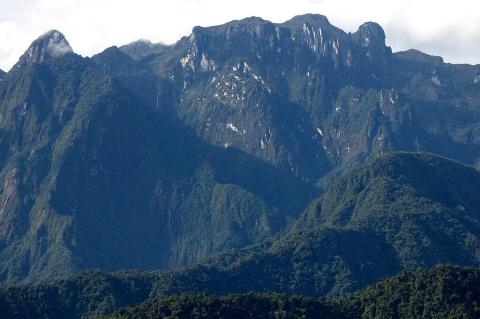
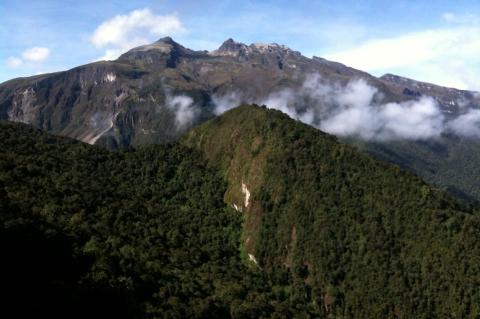
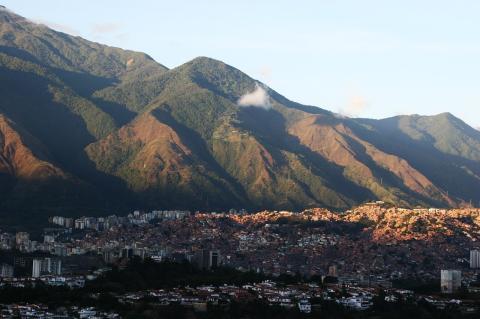
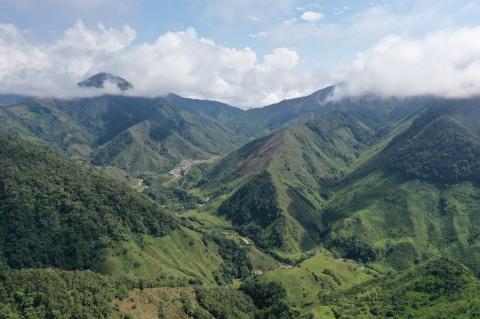
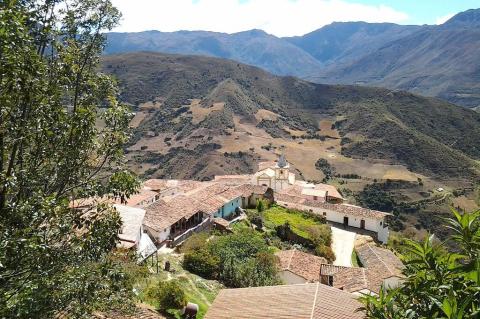
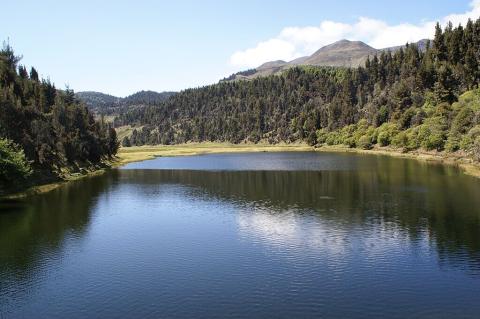
Nestled within the rugged peaks of the Venezuelan Andes, Sierra Nevada National Park stands as one of South America's most significant mountain protected areas. Established in 1952, this sanctuary encompasses the highest elevations in Venezuela, protecting critical Andean ecosystems while serving as a refuge for numerous endemic species. The park's remarkable elevation range creates a natural laboratory where multiple ecological zones demonstrate the complex relationships between altitude, climate, and biodiversity.

Sítio Roberto Burle Marx: Tropical Modernism in Rio de Janeiro

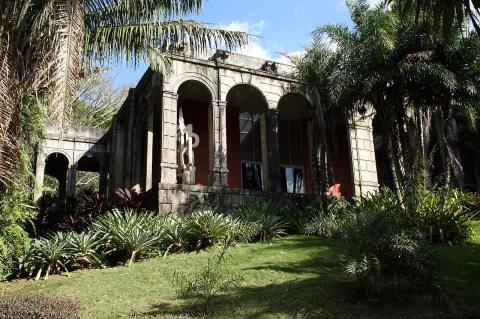
In the Barra de Guaratiba neighborhood of western Rio de Janeiro, an extraordinary cultural landscape unfolds where art, botany, and landscape architecture converge. The Sítio Roberto Burle Marx—an estate nestled between mangrove swamps and Atlantic Forest—represents the culmination of one man's revolutionary vision to transform landscape design through tropical modernism. Home, studio, and laboratory of Roberto Burle Marx, arranged in gardens that embody the principles that made Burle Marx one of the 20th century's most influential landscape architects.

South Orkney Islands: A Nexus of Science and Sovereignty

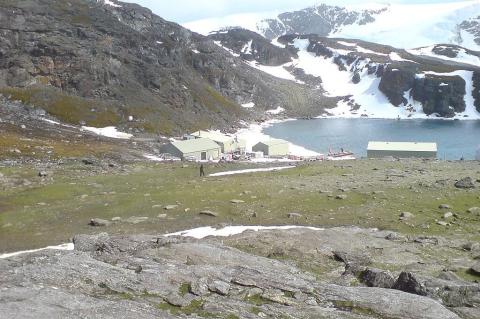
The South Orkney Islands are a remote archipelago in the Southern Ocean, significant for their ecology, historical exploration, scientific research, and international governance. They are located northeast of the Antarctic Peninsula and surrounded by biologically diverse and climatically important waters. Their glaciated landscapes, unique ecosystems, and pivotal place in global climate studies underscore their importance as more than just frozen outposts in the Southern Ocean.
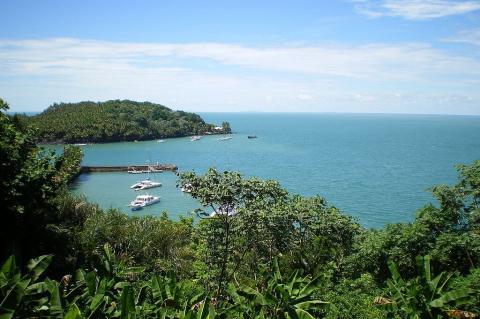
Stanley: Gateway to the Falklands' Rich History and Natural Beauty

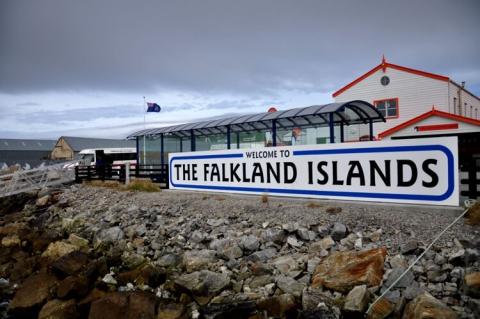
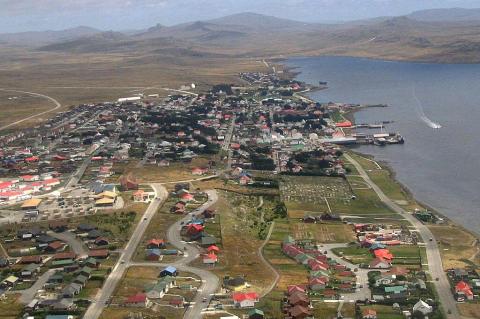
Stanley, nestled along the southern shore of Port William inlet on the northeast coast of East Falkland, serves as the vibrant capital of the Falkland Islands, also known as Islas Malvinas. This unique town is an administrative center and a cultural and historical hub. With a history of maritime significance, conflict, and modern development, Stanley offers a captivating blend of natural beauty, historical landmarks, and a thriving local community.
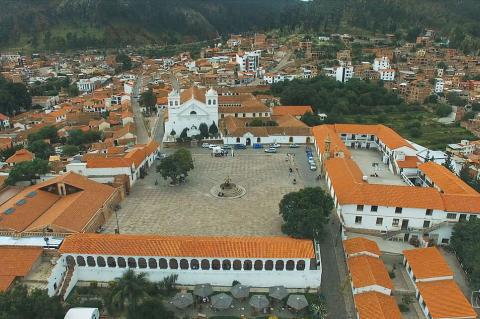
Sucre: Bolivia's Jewel of Colonial Grandeur and Architectural Fusion

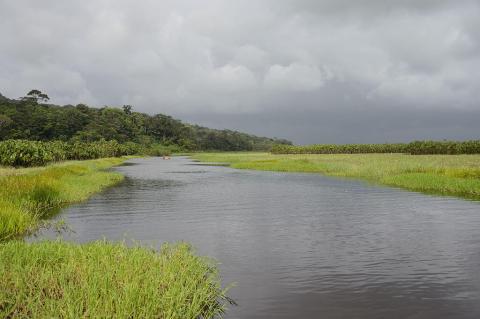
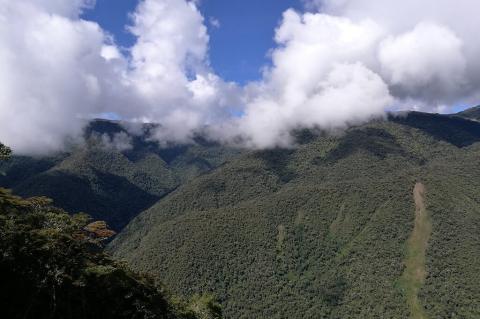
Nestled in the heart of Bolivia's south-central region, Sucre stands as a living testament to the country's rich colonial heritage and the harmonious fusion of indigenous and European architectural styles. Founded in 1538 by Spanish settlers, this historic city has undergone a remarkable transformation from its humble beginnings on the lands of the Yampara indigenous culture to its current status as Bolivia's constitutional capital and a UNESCO World Heritage Site.
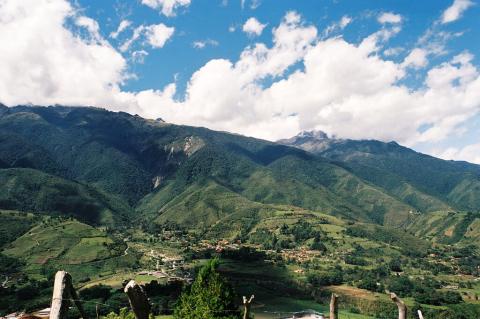
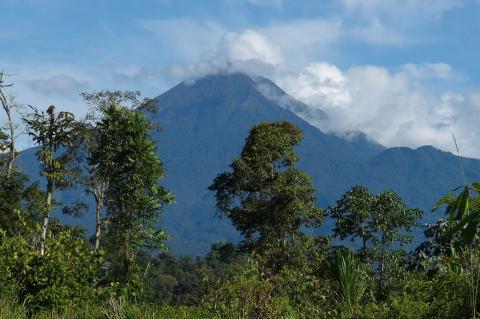
Sumaco Napo-Galeras: Ecuador's Ecological Treasure

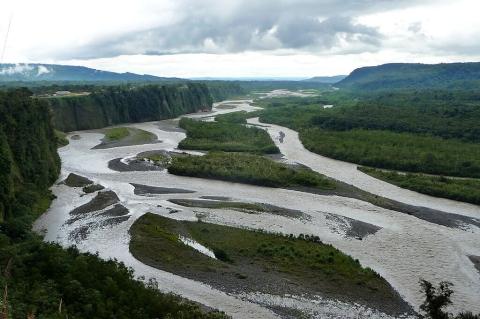
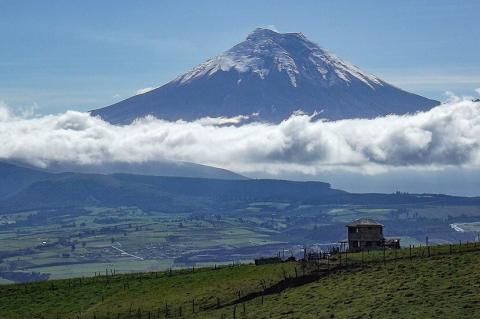
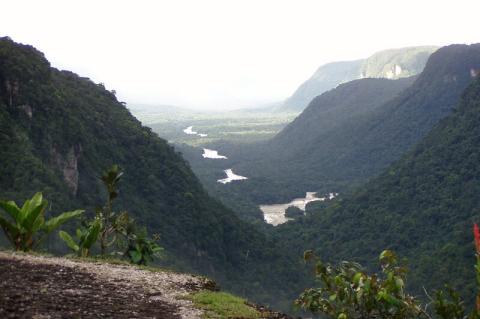
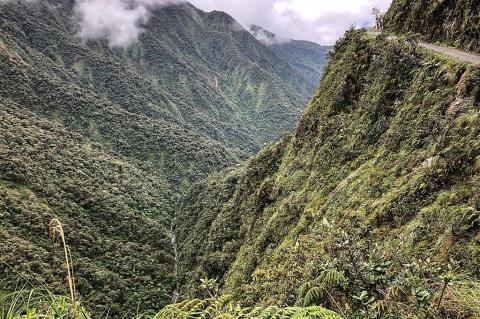
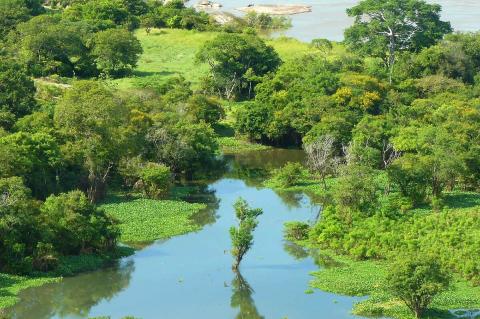
Sumaco Napo-Galeras National Park, located in northeastern Ecuador, is a remarkable protected area known for its diverse ecosystems and rich biodiversity. Situated southeast of Quito, the park encompasses a unique blend of volcanic peaks, lush forests, and pristine river basins. The park is a national treasure and a UNESCO Biosphere Reserve, reflecting its global ecological significance.

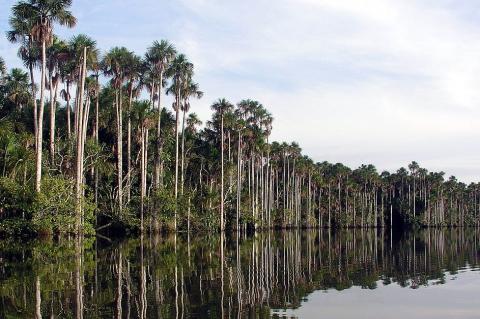
Tambopata National Reserve: A Biodiversity Hotspot in the Heart of the Peruvian Amazon

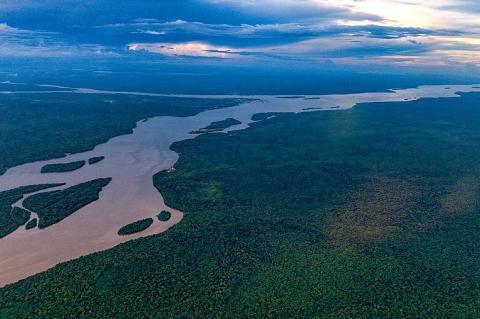
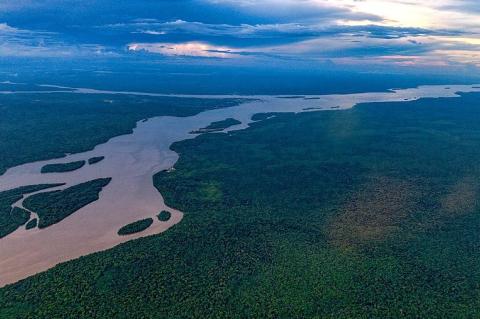
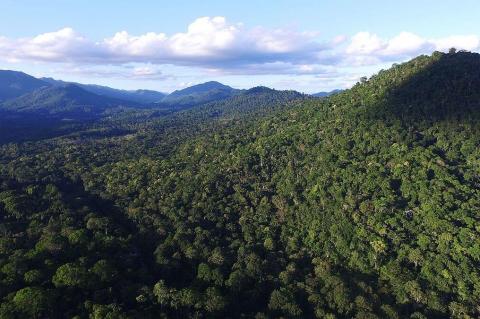
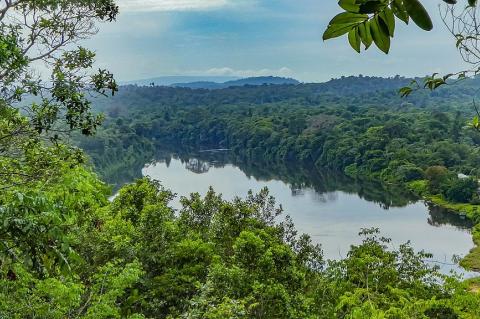
Nestled in the southeastern region of Peru, the Tambopata National Reserve is a remarkable testament to the earth's vast biodiversity. This enormous expanse of subtropical rainforest harbors an extraordinary array of ecosystems, from forested hills and swamps to meandering rivers and oxbow lakes. Established to safeguard the ecological richness of the region, the reserve has become a beacon of conservation, protecting not only the flora and fauna but also the indigenous cultures that have called this land home for generations.