South America

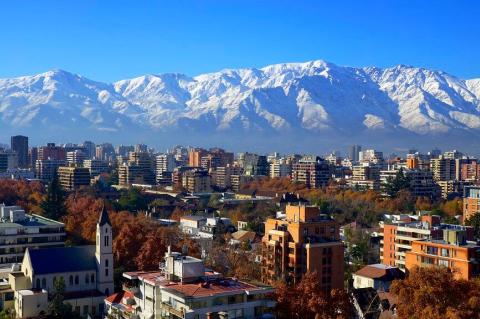
Santiago: Chile's Dynamic Capital Between the Andes and the Pacific

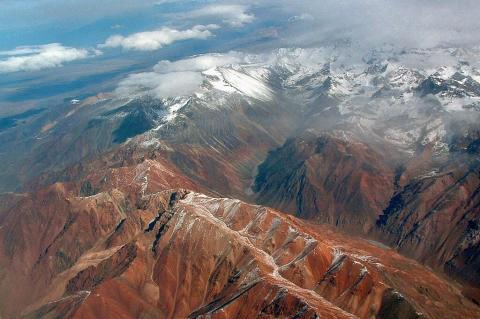
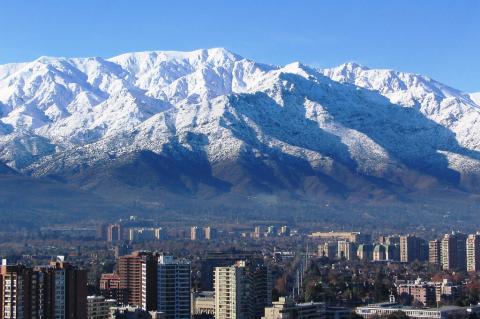
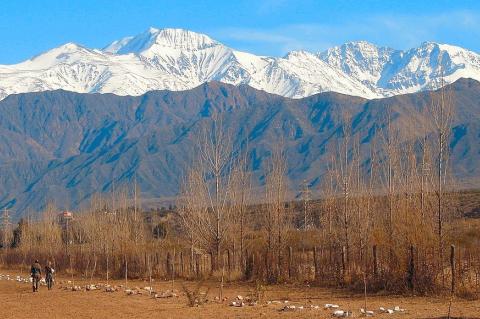
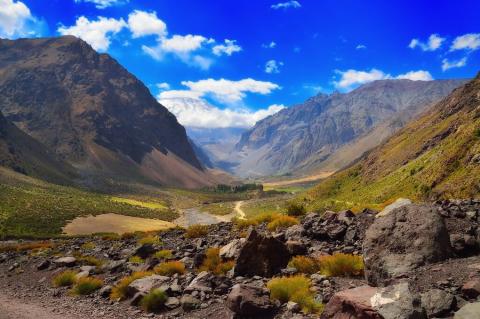
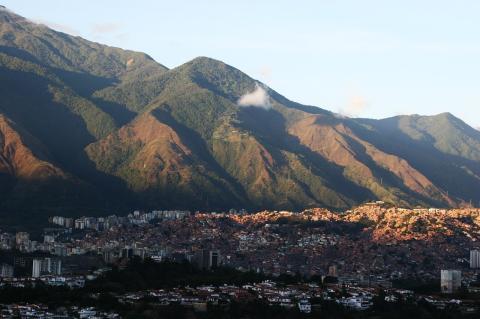
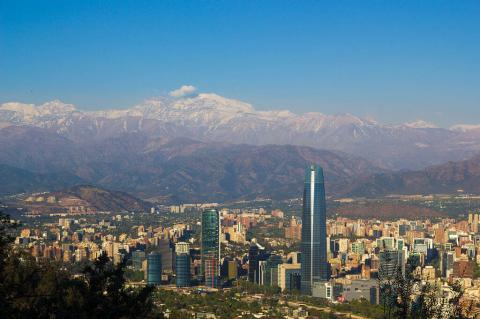
Nestled in a valley surrounded by the towering snow-capped Andes Mountains and the lower Coastal Range, Santiago stands as Chile's vibrant heart—a dynamic metropolis where colonial heritage meets contemporary innovation, where world-class museums coexist with colorful street art, and where the rhythm of modern South American life pulses beneath the watchful gaze of ancient peaks. As Chile's capital and largest city, Santiago serves as the nation's political, cultural, and economic center, hosting over 40% of Chile's population.

São Cristóvão: A Colonial Masterpiece in Brazil's Northeast

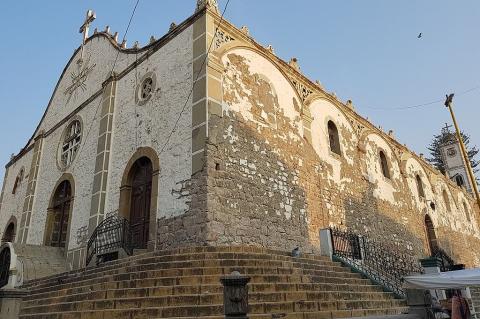
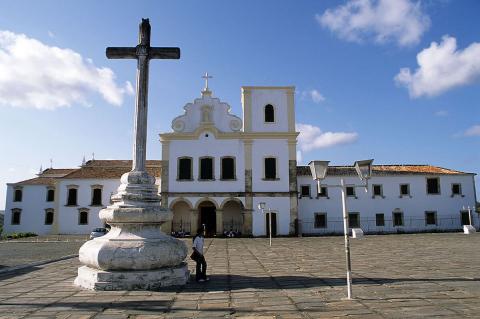
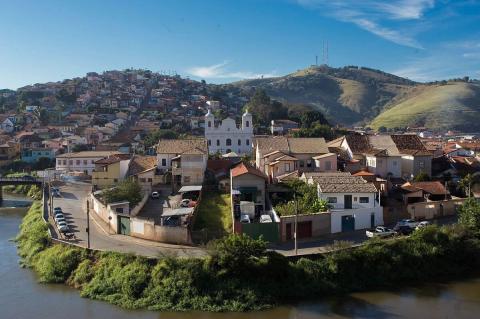
São Cristóvão, located in the northeastern state of Sergipe, Brazil, is one of the oldest colonial settlements in the country and holds a special place in Brazil's colonial history. The town is best known for São Francisco Square, which reflects a unique blend of Spanish and Portuguese colonial city planning and architecture. São Cristóvão's historical significance is further enriched by its collection of early colonial buildings, including churches, convents, and civil structures, which demonstrate the cultural and architectural evolution of the region.

São Joaquim National Park: A Sanctuary of Southern Brazil

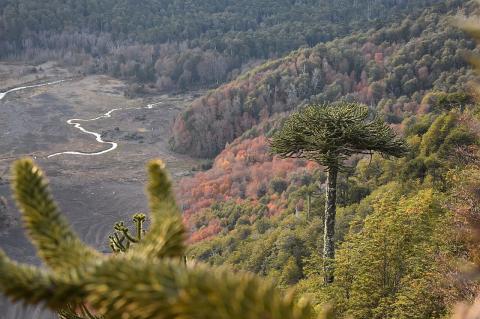
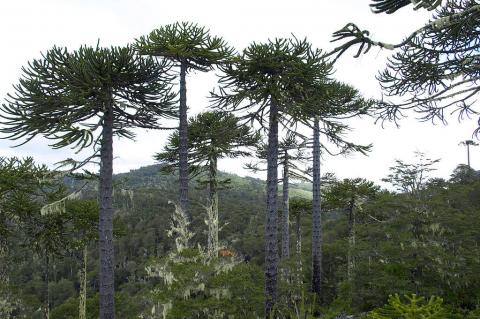
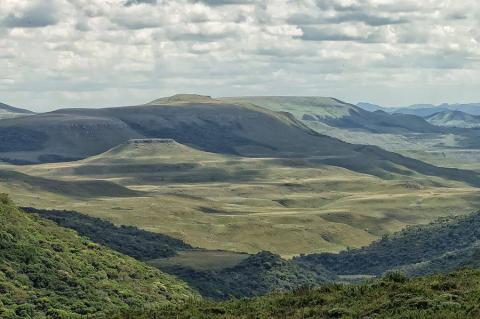
São Joaquim National Park, located in the state of Santa Catarina in southern Brazil, is a magnificent testament to the country's diverse natural beauty. The park is renowned for its pristine remnants of Paraná pine forests, rugged terrain, and alpine meadows. This park is a haven for nature enthusiasts, offering opportunities for hiking, alpinism, and observing unique flora and fauna.

São Luís: An Enchanting Portal to Brazil's Colonial Grandeur

Nestled along the captivating Atlantic coast of northeastern Brazil, the city of São Luís stands as an enchanting portal that transports visitors back in time, unveiling the nation's rich colonial heritage and cultural tapestry. Its historic center boasts a remarkable blend of architectural treasures, vibrant traditions, and a storied past, offering an unparalleled glimpse into the very essence of Brazil's historical grandeur.

São Paulo: The Dynamic Heart of Brazil

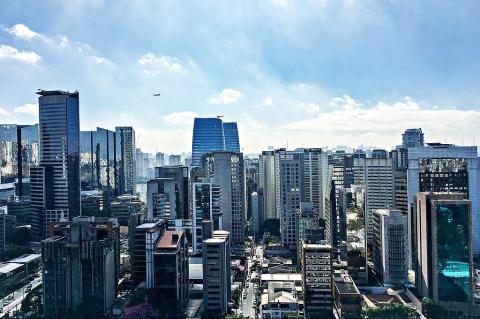
São Paulo, often called the heartbeat of Brazil, is a city of contrasts, diversity, and immense cultural influence. São Paulo is Brazil's largest city and a major economic and cultural hub in Latin America, known for its towering skyscrapers, bustling streets, and vibrant arts scene. The city offers a captivating blend of history, modernity, and multiculturalism, drawing people worldwide. São Paulo's significance extends beyond Brazil, as it globally shapes trends in finance, art, cuisine, and architecture.

Sea Nomads of the South: The Enduring Legacy of the Kawésqar People

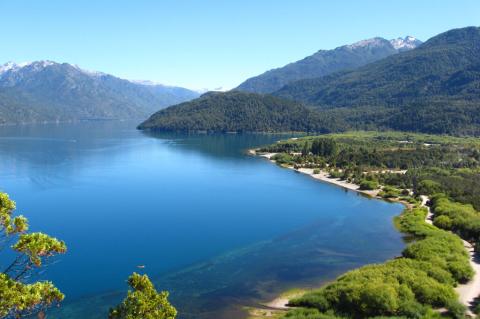
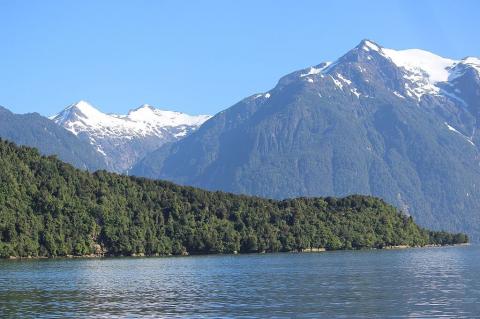
In the waterways, wind-swept islands, and fjords of Chilean Patagonia, from the Taitao Peninsula to the Brecknock Peninsula in Tierra del Fuego, lived the Kawésqar people. For over 6,000 years, these sea nomads carved out a unique existence, adapting with resilience to one of the planet's harshest environments. Their story is a narrative of connection to the "maritorio"—a territory understood from the sea—a testament to their enduring spirit and a reminder of the fragility of Indigenous cultures in the face of external change.

Serra da Bocaina: Guardian of the Atlantic Forest

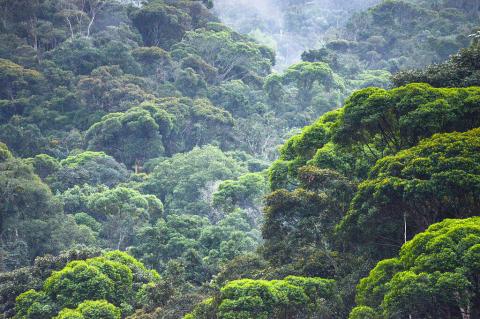
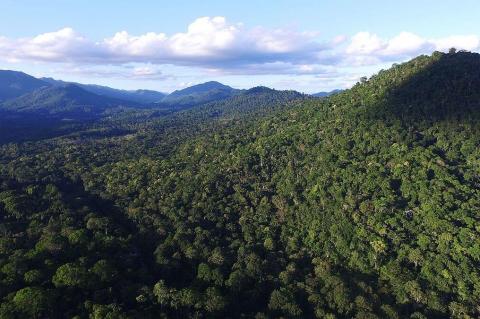
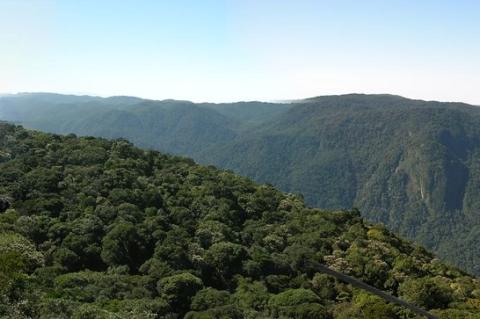
Where the rugged mountains of São Paulo meet the modern world, the Serra da Bocaina emerges—a breathtaking tribute to Brazil's commitment to preserving its most precious natural treasures. This mountain sanctuary, a crucial refuge for endangered species like jaguars and woolly spider monkeys, is safeguarded as Serra da Bocaina National Park. The park protects some of the world's most pristine Atlantic Forest ecosystems and serves as a vital connection between Brazil's coastal and inland ecosystems.

Serra da Capivara: Brazil's Archaeological and Natural Treasure

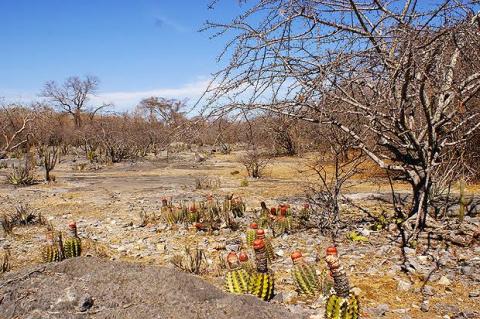
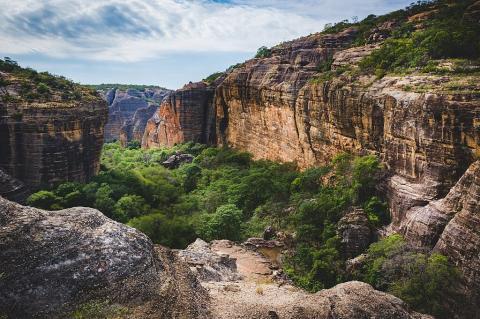
The Serra da Capivara National Park is situated in the northeastern state of Piauí, Brazil. This park is a fascinating mix of geological marvels, archaeological importance, and exceptional biodiversity. Its main objective is safeguarding its prehistoric artifacts and rock paintings, some dating back thousands of years. Recognized as a UNESCO World Heritage Site, the Serra da Capivara is evidence of ancient human creativity and a refuge for the varied flora and fauna of the Caatinga.
Serra da Mantiqueira: Brazil's Mountain of Tears and Biodiversity Haven

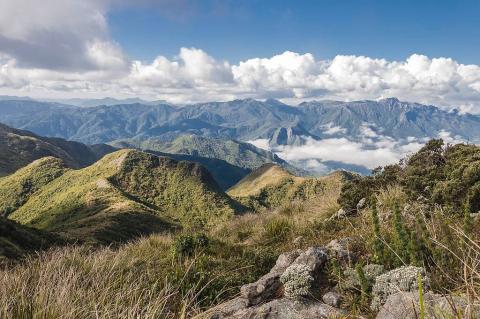
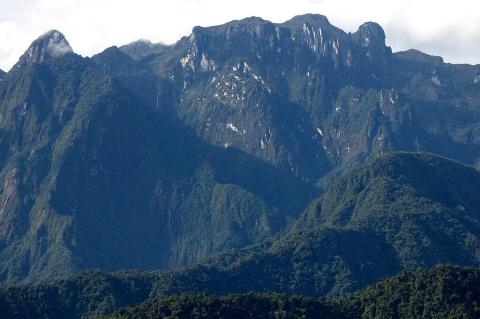
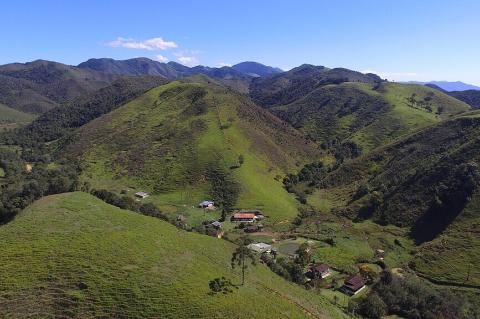
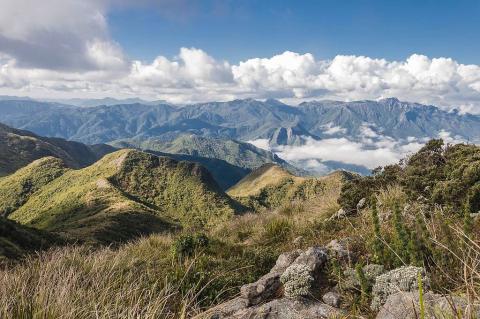
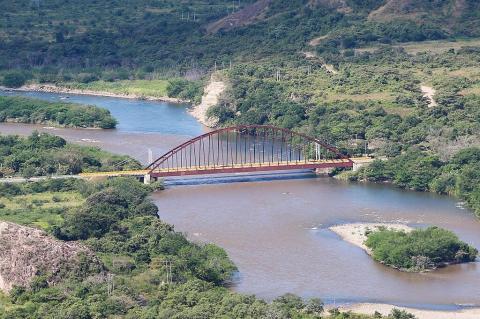
Nestled in the southeastern heartland of Brazil, the magnificent Serra da Mantiqueira rises from the valleys like an ancient fortress of stone and forest. This breathtaking mountain range spans across the borders of three Brazilian states—São Paulo, Rio de Janeiro, and Minas Gerais. From its dramatic emergence along the banks of the Paraíba do Sul River, the Serra da Mantiqueira stretches northeastward in a magnificent arc of granite escarpments and verdant highlands that serve as both geographic barrier and biological corridor.
Serra de Paranapiacaba: Where Engineering Meets Wilderness

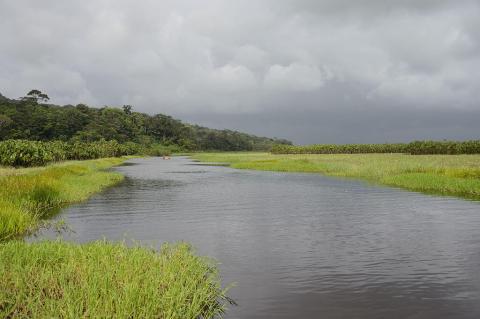
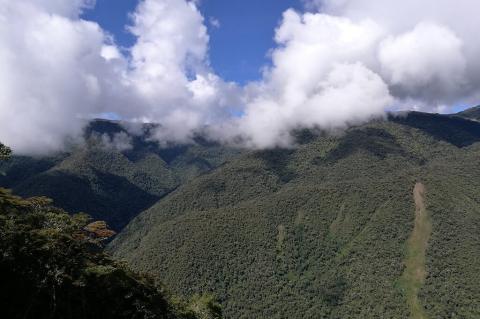
Rising from the Atlantic coastal plains like a great green fortress, the Serra de Paranapiacaba represents one of the most dramatic and historically significant sections of Brazil's Serra do Mar mountain system. This magnificent escarpment has served as both an imposing natural barrier and a gateway to Brazil's interior, forever linking human ambition with the raw power of nature itself. The range showcases how human innovation and natural preservation can coexist in one of Brazil's most historically and ecologically significant landscapes.