South America

The Argentine Sea: A Biodiverse and Economic Powerhouse

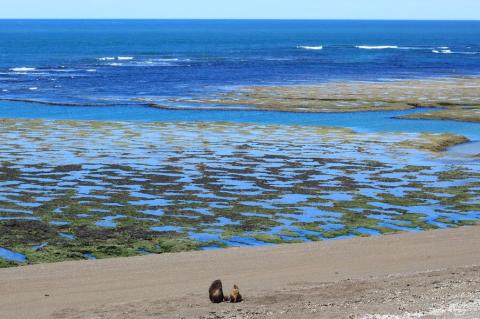
The Argentine Sea, located in the southwestern Atlantic Ocean along Argentina's eastern coast, is one of the most ecologically diverse and economically significant marine regions in the Southern Hemisphere. It is a vital hub for marine biodiversity, fisheries, and energy resources. Bordered by the Argentine continental shelf, this sea is a lifeline for the country, blending natural wealth with cultural and economic importance.
The Arid Diagonal: South America's Great Drylands

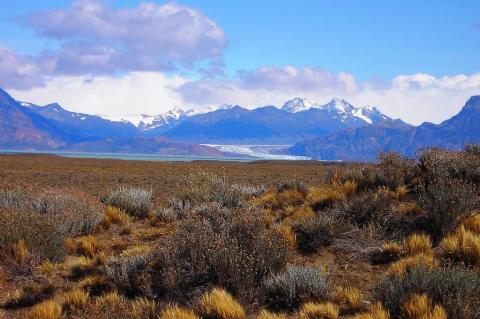
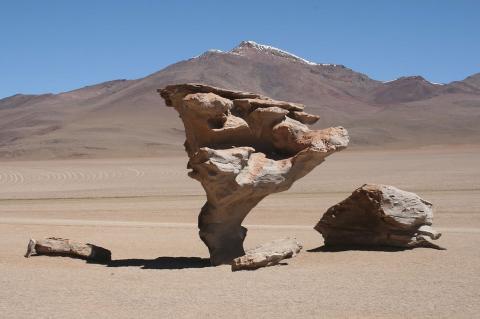
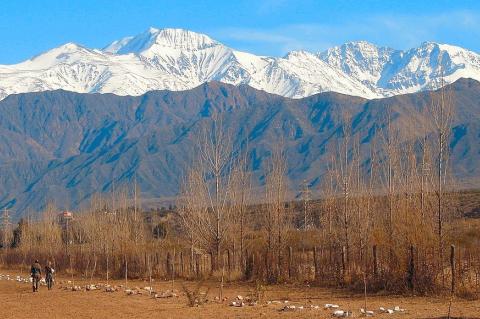
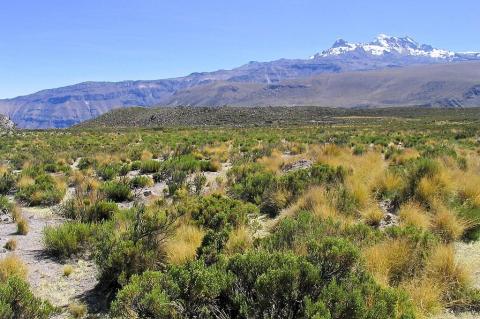
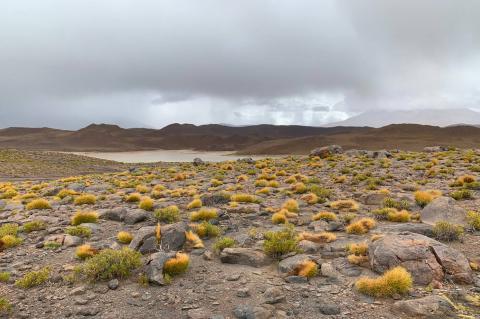
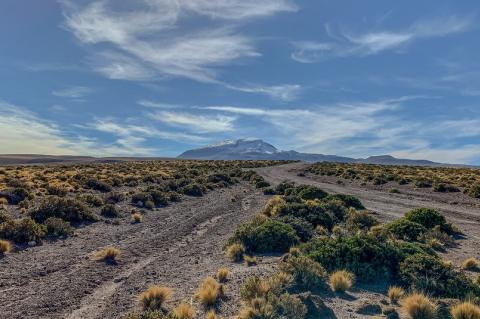
South America's Arid Diagonal is a vast belt of arid and semi-arid ecosystems extending from coastal Peru to southeastern Argentina and northeastern Brazil. The region encompasses diverse desert systems, including the hyperarid Atacama, the ENSO-influenced Sechura, the biodiverse Monte, the wind-swept Patagonian Desert, and the high-altitude Puna. Despite extreme aridity, the diagonal harbors remarkable biodiversity with high endemism levels, particularly in transition zones, though it faces conservation challenges from overgrazing, mining, agricultural expansion, and climate change.

The Arid Majesty of Chile's Norte Grande: A Land of Extremes and Resilience

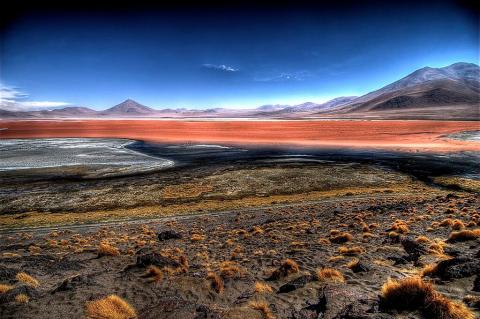
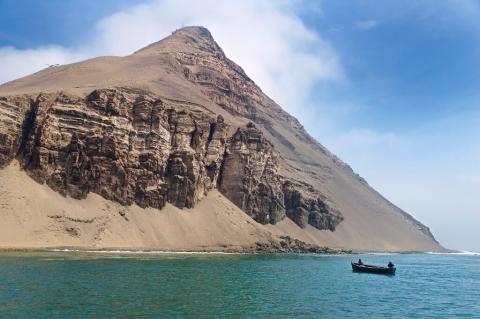
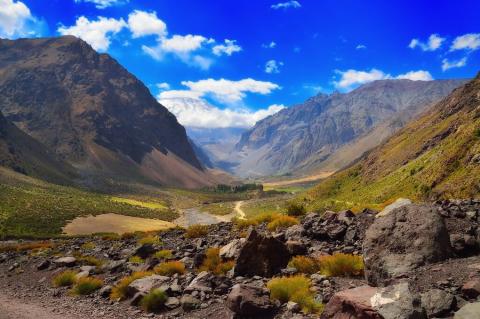
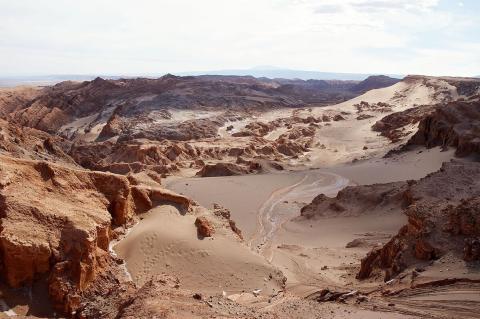
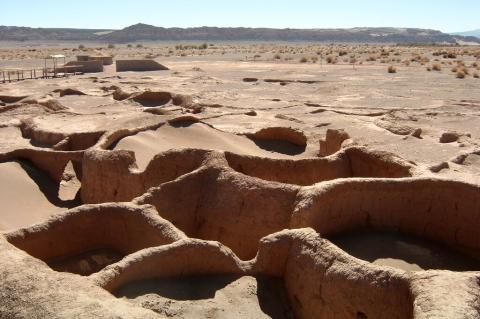
Chile's Norte Grande, the northernmost region stretching from the Peruvian border to the Copiapó River, showcases the raw power and stark beauty of extreme aridity. This area, home to the Atacama Desert, one of the driest places on Earth, features a landscape shaped by relentless sun, minimal rainfall, and dramatic geological forces. However, within this inhospitable environment lies a unique tapestry of adapted life, captivating geological features, and a rich history defined by the struggle for existence in a land of striking contrasts.
The Atacama Region of Chile: Land of Extremes and Opportunities

The Atacama Region, known in Spanish as the Región de Atacama, stands as one of Chile's most distinctive and economically significant administrative divisions. Located in the northern part of the country, this region encompasses some of the world's most extreme landscapes while serving as a cornerstone of Chile's mining industry and a gateway to understanding the delicate balance between natural resource exploitation and environmental preservation.

The Atacameño People: Survivors of the World's Driest Desert

The Atacameño people, also known as the Likan Antai, are an Indigenous group whose history is deeply intertwined with the harsh yet awe-inspiring landscapes of the Atacama Desert in northern Chile. Despite the extreme conditions of their environment, they developed a complex and resilient society that thrived for centuries, demonstrating remarkable ingenuity in agriculture, trade, and spiritual life.

The Atlantic Dry Forests of Brazil: Biodiversity and Conservation

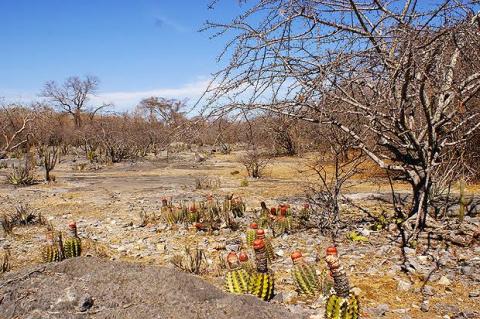
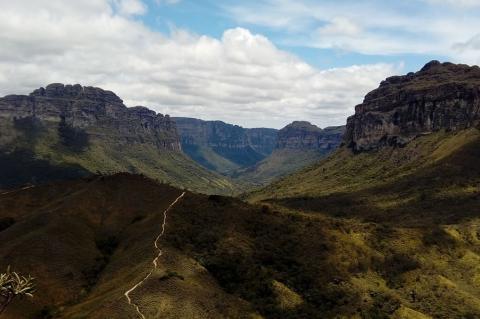
The Atlantic dry forests of Brazil are an extraordinary ecoregion characterized by their unique flora and fauna, complex climate, and significant ecological importance. Spanning the coastal regions of northeastern Brazil, these forests are a crucial component of the Atlantic Forest biome. They are renowned for their biodiversity and the critical ecological functions they perform.

The Atrato River: Colombia's Lifeline Through the Chocó

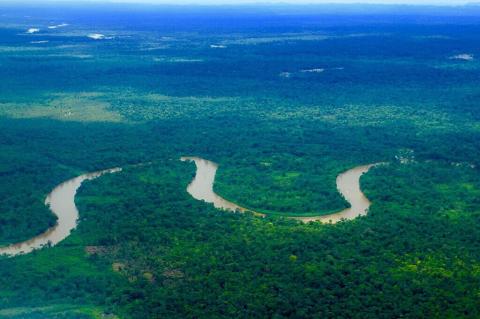
Winding through the dense rainforests of Colombia's Chocó Department, the Atrato River is a vital artery of life, culture, and biodiversity. It is renowned for its ecological significance and historical and cultural importance to the Afro-Colombian and Indigenous communities living along its banks. The river's influence extends beyond its immediate surroundings, making it an essential feature of Colombia's natural and cultural heritage.

The Aymara People: Guardians of the Andean Highlands

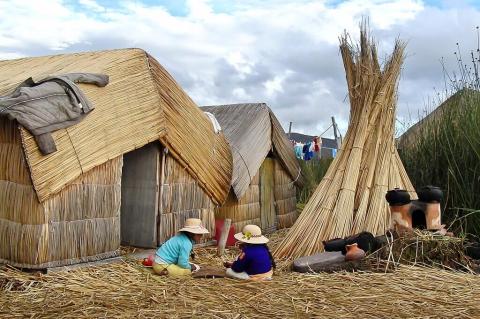
The Aymara people, one of the oldest Indigenous groups of the Andes, have inhabited the high-altitude plains of Bolivia, Peru, and Chile for centuries. Their roots trace back to the ancient Tiwanaku civilization, one of the most influential pre-Columbian societies in South America. With a rich cultural heritage that includes complex agricultural techniques, a distinct language, and a deep spiritual connection to the land, the Aymara have maintained their traditions despite the pressures of colonization and modernization.

The Backbone of Colombia: Exploring the Andean Natural Region

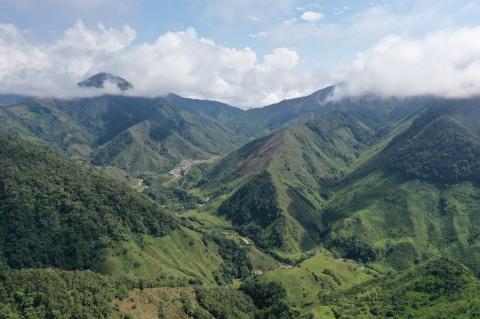
Colombia's Andean Natural Region, the country's populous heartland, is a majestic tapestry of mountain ranges, valleys, and ecosystems shaped by altitude. This central region features three branches of the Andes Mountains, running from south to north. Beyond its topography, the Andean region is the historical and contemporary core of Colombian life, housing many urban centers, rich pre-Columbian Indigenous heritage, and a significant part of the vital Magdalena River basin.

The Beni and Mamoré Rivers: Bolivia's Lifelines

The Beni and Mamoré Rivers, coursing through the heart of Bolivia, are lifelines for both nature and civilization. They shape the landscape and provide sustenance to countless communities along their banks. From their origins in the rugged Andean slopes to their convergence into the mighty Madeira River at Bolivia's northeastern border, these rivers tell a story of resilience, biodiversity, and cultural richness.