South America

The Chilean and Argentine Andes: A Towering Realm of Extremes and Natural Wonders

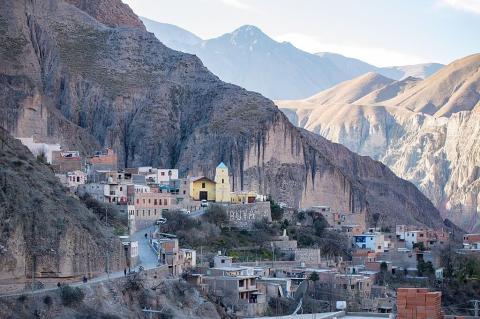
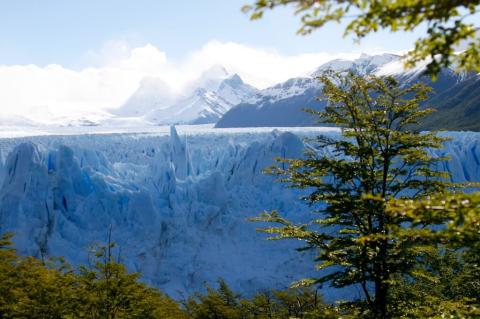
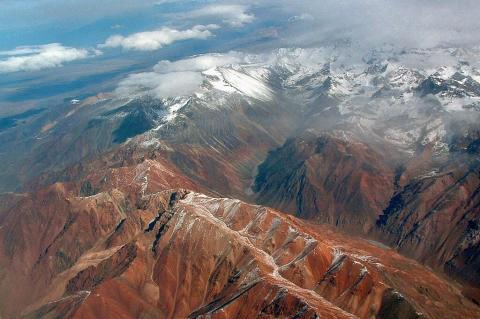
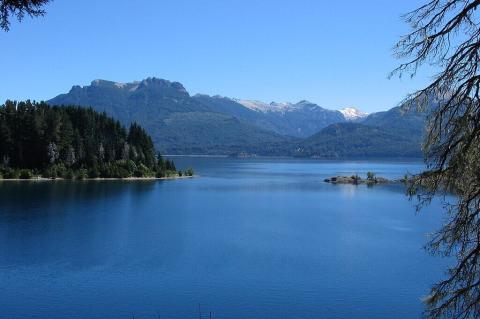
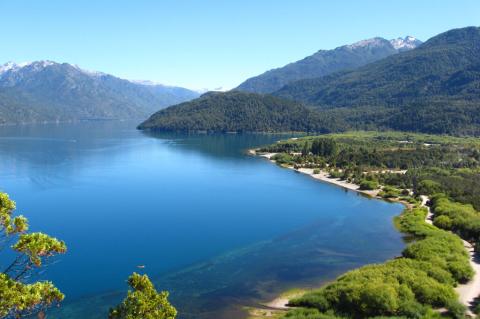
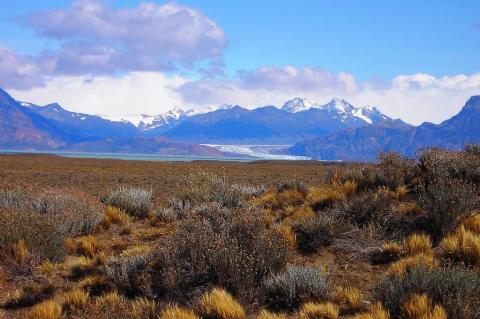
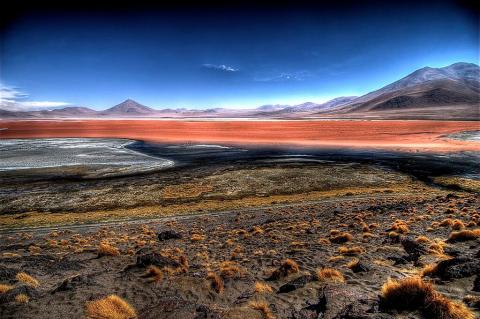
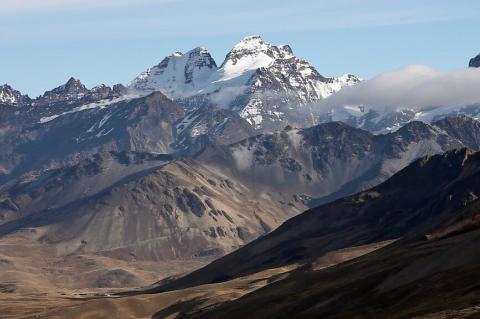
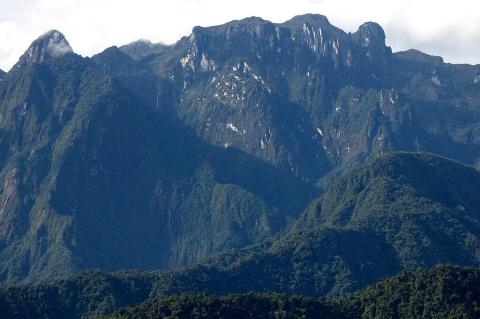
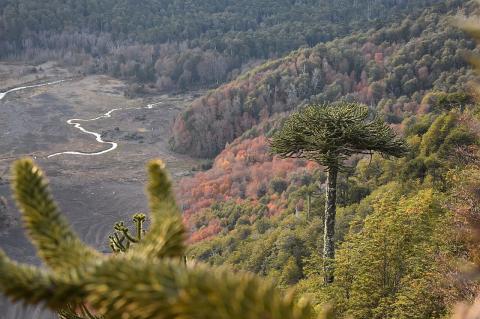
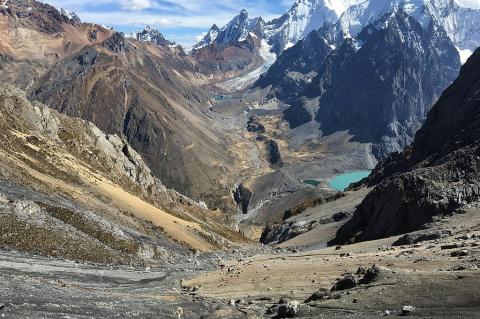
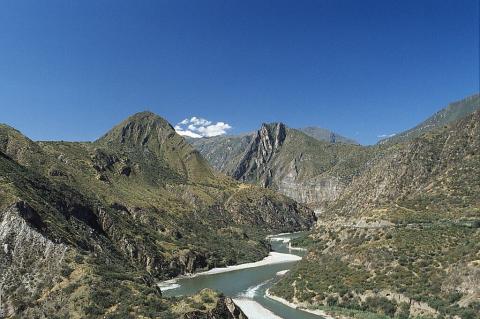
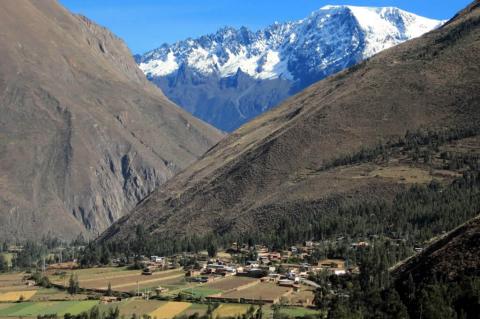
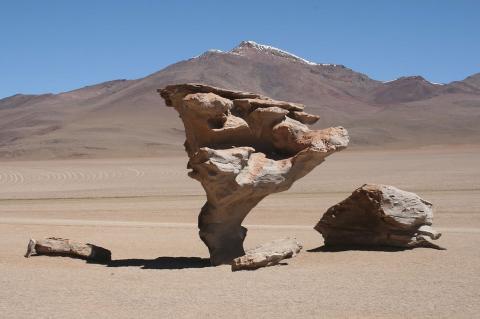
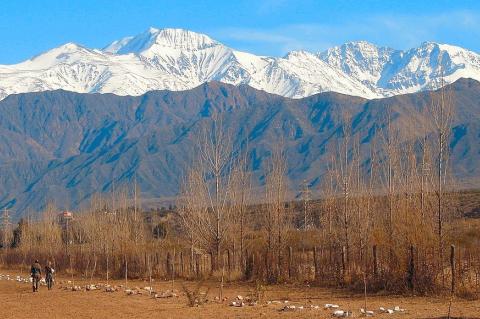
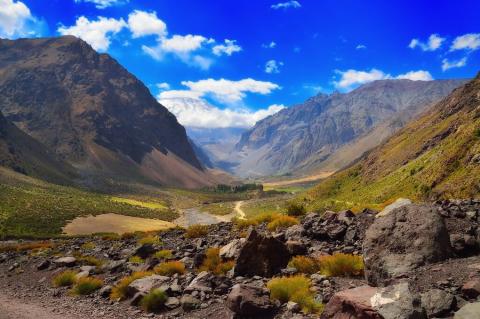
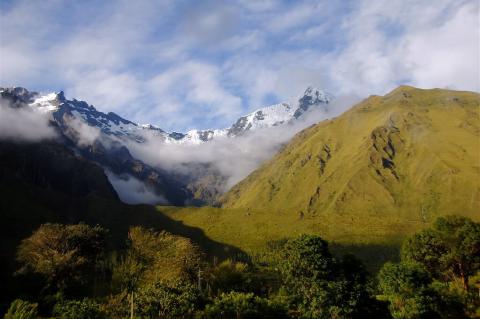
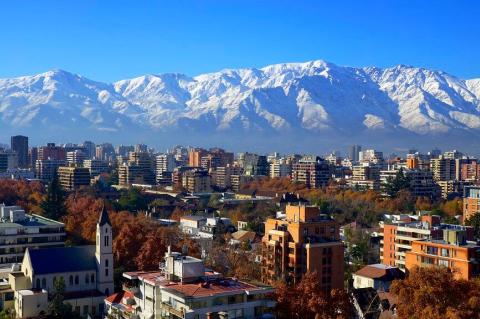
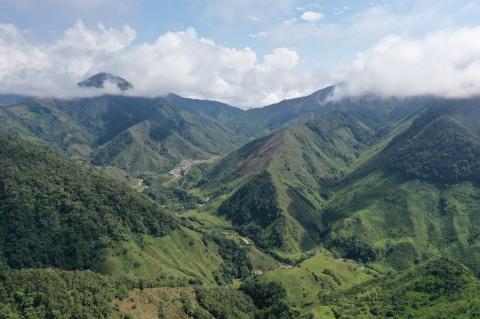
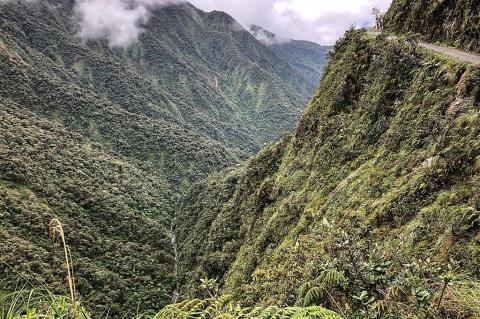
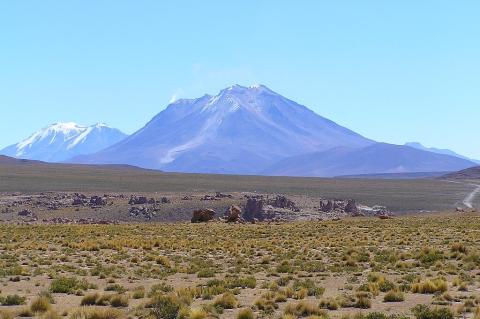
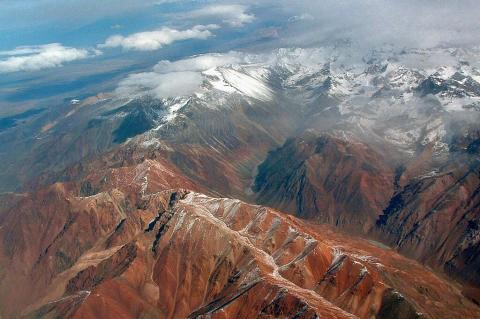
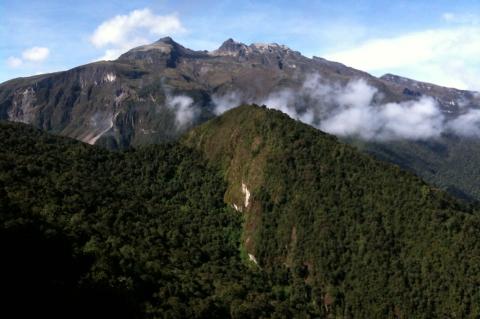
Stretching like a mighty spine along the western edge of South America, the Andes Mountain Range stands as a towering testament to nature's grandeur and complexity. This colossal cordillera, spanning seven countries, encompasses some of the planet's most extreme and diverse landscapes. At the heart of this vast mountain system lies the Chilean and Argentine Andes, where the borders between these two nations are defined by soaring peaks, glacial valleys, and landscapes that oscillate between the arid desolation of the Dry Andes and lush, verdant splendor of the Wet Andes.
The Chilean Coastal Range and Central Valley: Chile's Geographic Foundation

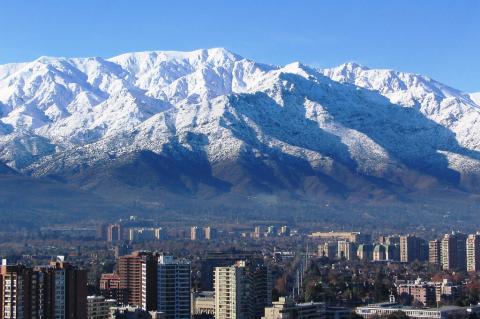
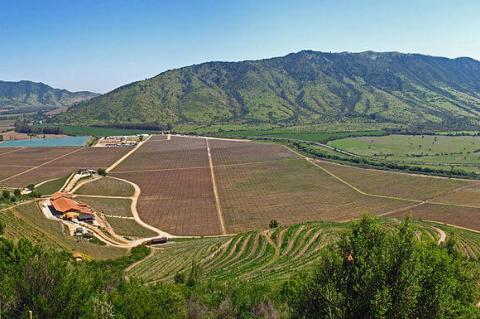
The Chilean Coastal Range and Central Valley are two distinct geographic features that run parallel along the length of Chile, shaping the country's climate, agriculture, and urban development. The Coastal Range acts as a barrier between the Pacific Ocean and the interior, while the Central Valley lies between these coastal mountains and the towering Andes, forming Chile's most fertile and populated corridor. Together, they influence where rain falls, forests grow, crops thrive, and cities develop—defining one of South America's most unique geographic regions.
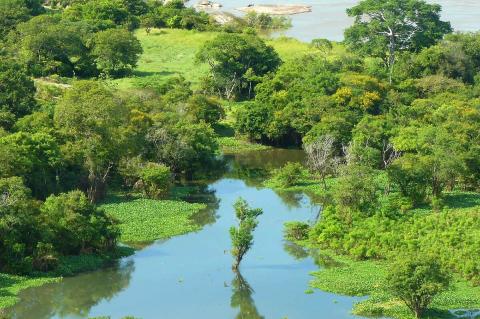
The Chiquitano Dry Forests: A Biodiverse Haven

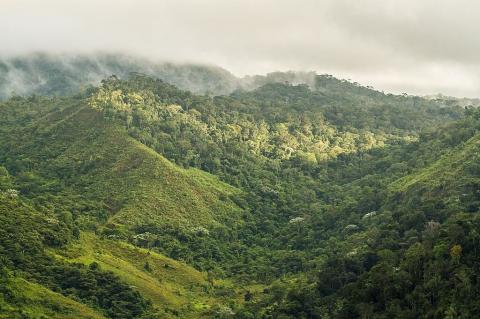
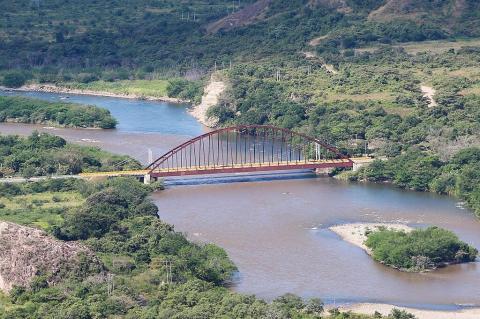
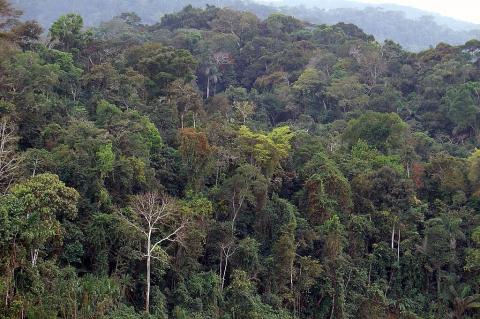
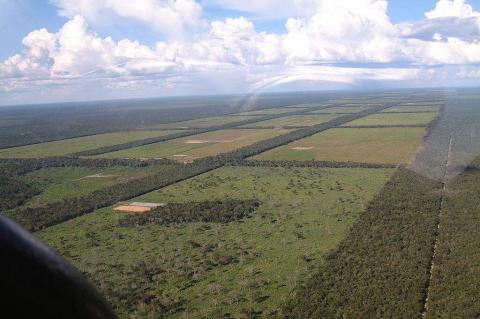
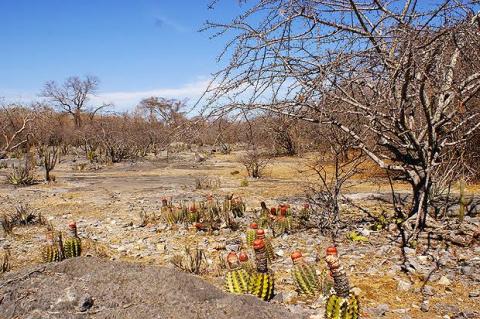
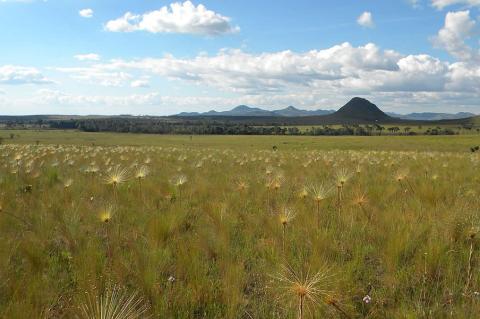
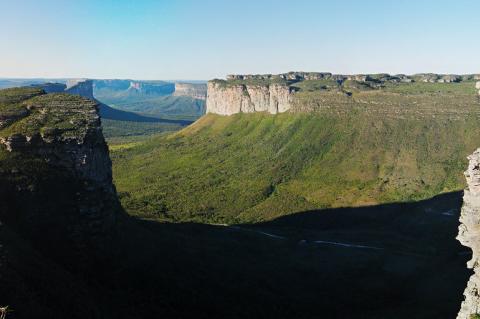
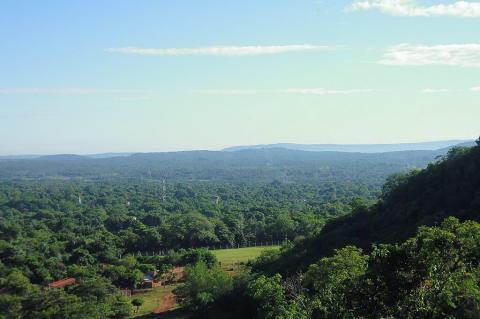
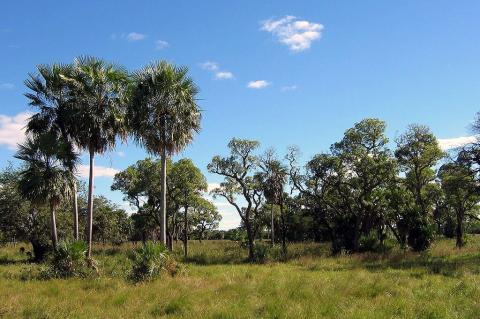
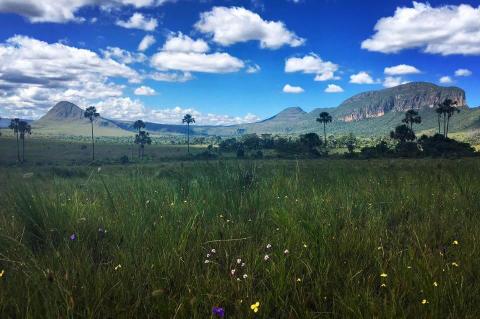
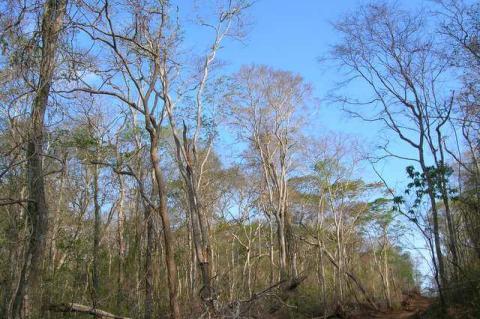
Nestled in the heart of eastern Bolivia and extending into western Brazil, the Chiquitano dry forests ecoregion is a unique and biodiverse haven characterized by its distinct vegetation and remarkable adaptation to a semi-arid climate. This ecoregion is a tapestry of dry forests, savannas, and gallery forests, providing a glimpse into nature's resilience and the intricate interplay between flora and fauna.
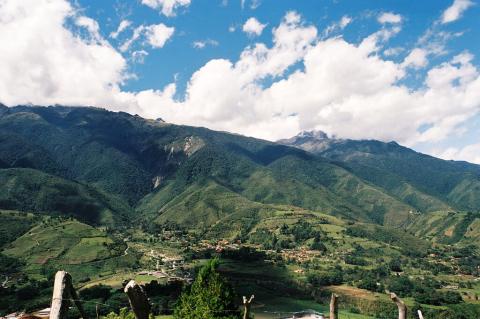
The Chocó Andino de Pichincha: Ecuador’s Biodiversity Frontier

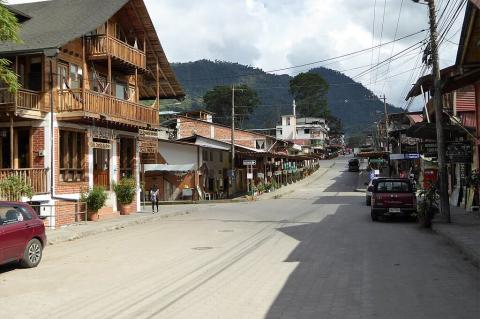
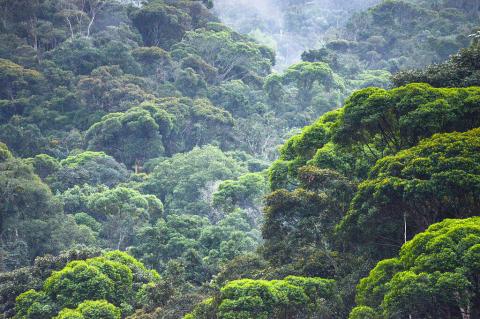
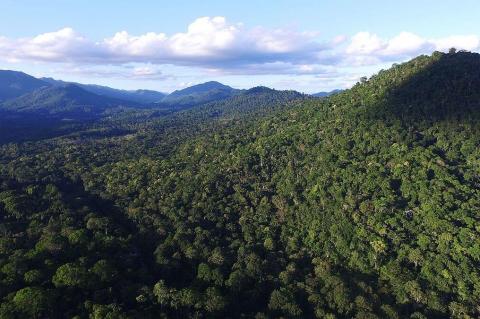
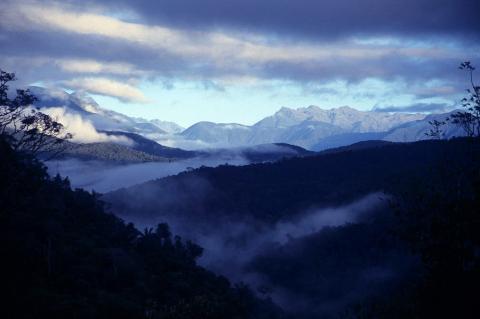
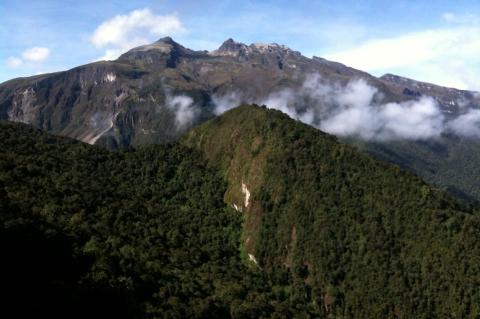
Nestled in Ecuador's northern region, just northwest of Quito, lies a pristine wilderness teeming with biodiversity and cultural heritage—the Chocó Andino de Pichincha Biosphere Reserve. Encompassing diverse ecosystems, the reserve is a sanctuary for an astounding array of unique plant and animal species, many of which are endemic or threatened. It also safeguards centuries of human history, preserving archaeological treasures that reveal the rich cultural legacy of the indigenous peoples who have long inhabited the region.

The Chubut River: Lifeline of Argentine Patagonia

The Chubut River is a defining geographical and ecological feature of Argentine Patagonia, flowing through the heart of Chubut Province. As one of the most important rivers in the region, it plays a crucial role in supporting biodiversity, agriculture, and human settlements in an otherwise arid landscape. Originating in the Andes and traveling eastward to the Atlantic Ocean, the Chubut River provides essential water resources for both natural ecosystems and human activities.

The Church of Atlántida: Eladio Dieste's Brick Revolution in Uruguay

In the modest semi-rural community of Estación Atlántida, east of Montevideo, stands one of the 20th century's most remarkable architectural achievements—a church that revolutionized what could be built with the humblest of materials. The Church of Cristo Obrero y Nuestra Señora de Lourdes, designed by engineer Eladio Dieste, transforms simple fired bricks into soaring, undulating walls and double-curved vaults that seem to defy gravity. UNESCO recognizes it as an outstanding example of structural innovation and modern architecture.

The Churches of Chiloé: Enduring Sanctuaries of Faith, Culture, and Architectural Ingenuity

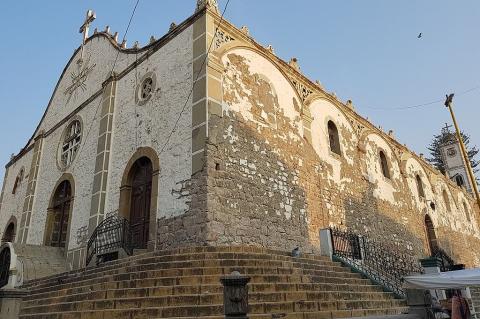
Amidst the breathtaking natural splendor of the Chiloé Archipelago, a remarkable ensemble of churches stands as a testament to the harmonious fusion of Indigenous traditions and Spanish colonial influences. The Churches of Chiloé, numbering around 70 structures scattered across the islands, are more than mere religious edifices; they are living embodiments of the region's rich cultural heritage, architectural ingenuity, and unwavering faith – a fusion of spirituality and artistic expression that has endured for centuries.

The Cinturón Andino: A Tapestry of Andean Wonders in Colombia

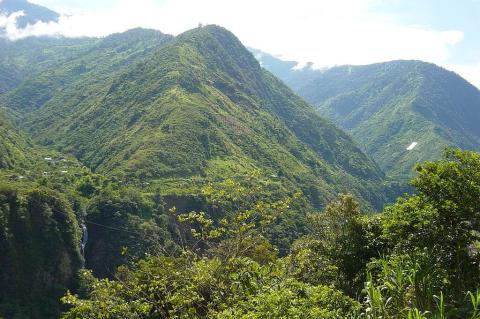
Nestled within the majestic folds of the Colombian Andes, the Cinturón Andino Biosphere Reserve stands as a crowning jewel, a testament to the extraordinary biodiversity and cultural richness that embodies this South American nation. This UNESCO-designated reserve is a harmonious tapestry woven from three distinct national parks: the ancient Cueva de los Guácharos, the volcanic splendor of Puracé, and the towering snow-capped peaks of Nevado del Huila.

The Coffee Cultural Landscape of Colombia: A Living Heritage

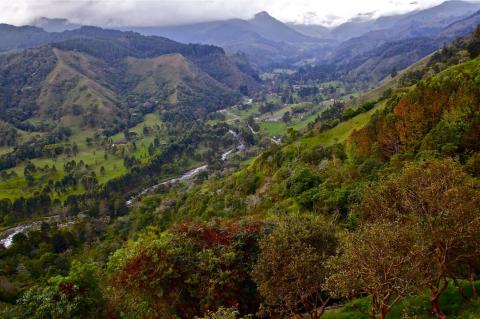
The Coffee Cultural Landscape of Colombia is an exceptional and dynamic region that epitomizes the blend of natural beauty, economic vitality, and cultural richness. Recognized as a World Heritage property, this landscape comprises six farming landscapes that integrate eighteen urban settlements, showcasing the intricate relationship between humans and their environment in the cultivation of coffee.

The Colca Canyon: Peru's Natural Wonder

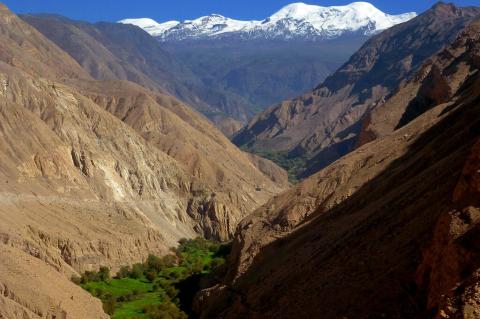
Nestled amidst the towering peaks of the Andes Mountains lies the enchanting Colca Valley, a place of unparalleled beauty and cultural richness. Deep within this valley, the Colca Canyon stands as a testament to nature's awe-inspiring power, carved over millennia by the relentless force of the Colca River. This magnificent canyon is one of the world's deepest and most breathtaking natural wonders.